The Quick Answer to Driving in China
-
Can I use my home license or IDP? No. International Driving Permits are 100% invalid in Mainland China.
-
How do I drive legally? You must apply for a Temporary Driving Permit (TDP) (for short-term visitors) or pass a written theory test to get a full Chinese Driver's License.
-
Zero Tolerance: The legal blood alcohol limit is 0.02% (essentially zero). Drunk driving leads to immediate detention and deportation.
China’s dynamic, bustling streets can often appear like a spectacle of organised chaos. For a traveler, understanding the Chinese traffic rules is not just about avoiding fines; it’s a critical matter of safety. While the system operates under clear regulations, the real-world application often requires a keen sense of observation and defensive maneuvering.
This comprehensive guide is designed to be your essential English-language resource, covering everything from the requirements for driving in China to navigating the omnipresent fleets of electric scooters and ensuring pedestrian safety. Be advised that while the core rules are nationwide, minor variations may exist between cities and provinces.
Key Preparations: Documents You Need Before Hitting the Road
🔵For Drivers: International Driving Permit (IDP) & Valid License
-
Hold a valid domestic driver’s license from your home country (valid for at least 6 months).
-
Obtain an IDP issued by an authorized organization (e.g., AAA in the U.S., AA in the U.K.). Note that a simple translation of your license is not sufficient—you need an official IDP.
-
Present both your IDP and domestic license when renting a car or if stopped by traffic police.
🔵For Cyclists: No Special Documents (But Age Restrictions Apply)
🔵For Pedestrians: No Documents Needed—Just Awareness
Driving & Vehicle Regulations
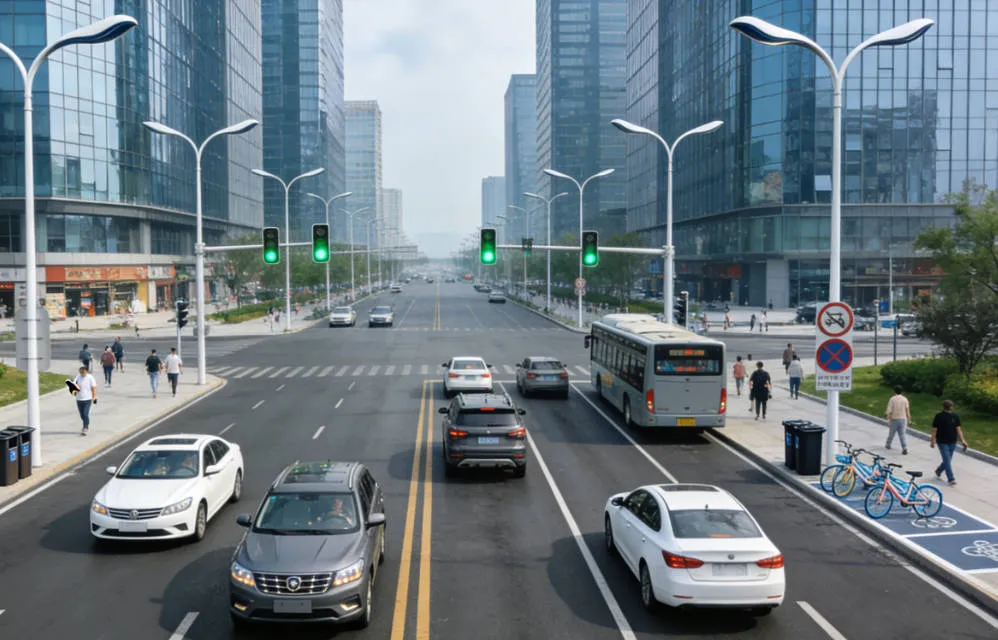
🔑 Core Legal Requirements (The Rules)
These rules are strictly enforced by police and, more commonly, by ubiquitous traffic cameras.
1. Licensing is Non-Negotiable
-
Foreign Licenses are NOT valid in mainland China. You cannot drive with an International Driving Permit (IDP).
-
You must obtain either a Temporary Driver's License (for short-term visitors) or convert to a Full Chinese Driver's License (for residents). Driving without one can lead to heavy fines, license seizure, and even detention.
2. Side of the Road & Lanes
-
Drive on the Right: Traffic drives on the right side of the road, and the steering wheel is on the left (the same as the USA/Europe).
-
Lane Discipline: You must obey all lane markings, including solid lines. Cameras automatically ticket drivers for illegal lane changes or running over solid lines.
3. Absolute Zero Tolerance Violations
-
Drunk Driving (DUI): The Blood Alcohol Content (BAC) limit is 0.02%, which is extremely low. Penalties are severe and can lead to criminal charges, heavy fines, license revocation, and even deportation for foreigners.
-
Mobile Phone Use: Using a handheld mobile phone (for calling, texting, or navigation) while driving is illegal and carries penalty points and a fine. Hands-free devices are permitted.
-
Seatbelts: The driver and all passengers (front and rear seats) must wear a seatbelt on all roads.
4. Traffic Lights & Right-Turn Rule
-
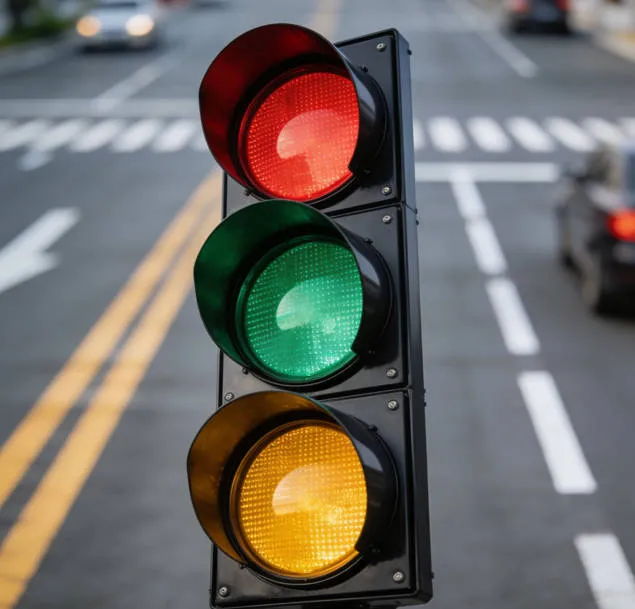
Right Turn on Red: You are generally allowed to turn right on a red light after a full stop, unless a sign or a red right-turn arrow specifically prohibits it.
-
Crucial Caveat: You must yield to all pedestrians and straight-through traffic, even if they seem to be ignoring the light.
-
⚠️ Crucial Difference: Right Turn on Red Unless there is a specific sign or a red arrow pointing right, you are allowed to turn right on a solid red circular light. However, you must yield to pedestrians crossing on a green walk signal and to cars coming from your left. Assume that scooters will not stop for you when you are turning!
-
5. Speed Limits and Penalties (The Point System)
-
Speed Limits:
-
Expressways: Typically 100 to 120 km/h.
-
Urban Main Roads: Typically 60 to 80 km/h.
-
Residential/Small Roads: Often as low as 30 to 40 km/h.
-
-
Penalty Points: China uses a 12-point system that resets annually. Common violations deduct points:
-
Running a Red Light: Typically 6 points.
-
Using a Handheld Phone: Typically 2 points.
-
Speeding: Varies from 3 to 12 points depending on how much you exceed the limit.
-
Losing all 12 points results in license seizure and mandatory retraining/re-testing.
-
⚠️ On-the-Ground Driving Culture (The Reality)
While the rules are strict, the actual driving environment in China requires extreme defensive driving due to local habits:
-
Assertive Right-of-Way: In practice, right-of-way often defaults to the most aggressive driver or the largest vehicle (trucks/buses). Do not assume you have the right-of-way, even when the law dictates it.
-
E-Bikes and Scooters: Electric scooters and bicycles often weave aggressively between lanes, drive on sidewalks, and sometimes go the wrong way on roads. Be constantly vigilant for traffic moving in unexpected directions, especially when turning.
-
Honking (The Warning): Honking is extremely common. It is generally used not as an insult, but as a warning or a simple "I am here, get out of the way" signal.
-
Pedestrian Crossings: Although the law requires drivers to stop for pedestrians at crosswalks, this rule is frequently ignored in many cities. Drive slowly and be prepared to stop even if no one is legally crossing.
-
Left Turns: Be cautious when turning left. Unlike in some Western countries, drivers turning left may assert their right-of-way quickly, forcing oncoming straight traffic to slow down or stop for them.
🅿️ Parking Rules
That is a critical topic for driving in Chinese cities, as parking is a major logistical and legal challenge. Parking rules in China are strict, and enforcement is becoming increasingly reliant on technology.
1. Where Parking is Strictly Forbidden
Parking illegally is one of the quickest ways to receive a fine or have your vehicle immobilized/towed. Assume parking is illegal unless you see specific markings or signs permitting it.
| Prohibited Zone | Legal Marking / Sign | Penalty Risk |
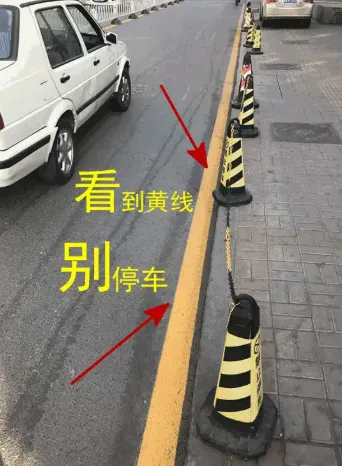
| No Parking Zones | Solid Yellow Line (on the curb or roadside). | Fine (RMB 20-200) and Towing/Immobilization. |
| Fire Lanes / Hydrants | Within 30 meters of a fire station or hydrant. | Severe fine and immediate towing. |
| Intersections | Within 50 meters of any intersection or pedestrian crossing. | Fine and possible traffic obstruction charges. |
| Entrances/Exits | Blocking any building entrance, driveway, or emergency exit. | Fine and immediate towing. |
| Bus Stops | Within 30 meters of a bus stop or public transport station. | Fine. |
| Against Traffic | Parking on the opposite side of the road, facing oncoming traffic. | Fine and potential point deduction. |
| Sidewalks/Walkways | Parking on a sidewalk or pedestrian area unless explicitly signed otherwise. | Fine, often coupled with physical measures (bollards) to prevent it. |
Crucial Tip: If you are not on the spot, or refuse to drive away when instructed, the fine can be RMB 20 to 200, and the vehicle may be towed. Fines in busy or restricted areas (like those in Shenzhen) can escalate to RMB 500 to RMB 2,000.
2. Where You Can Legally Park
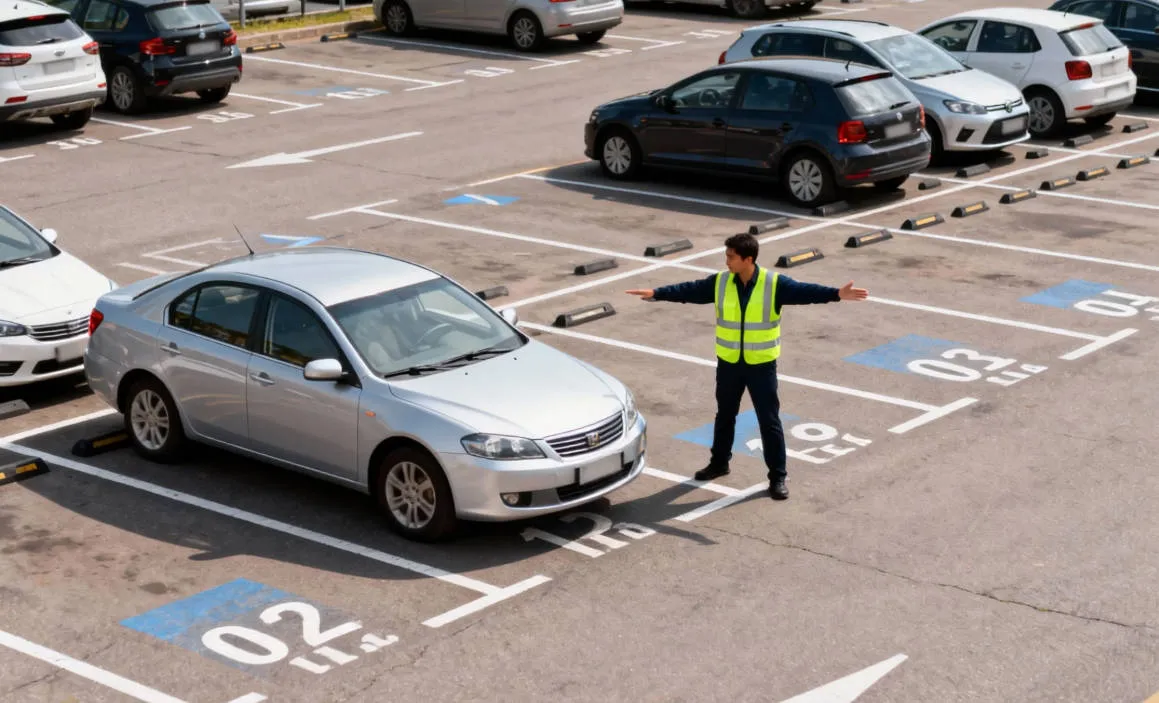
Legal parking spaces are clearly marked and categorized, usually requiring payment.
-
Designated On-Street Parking:
-
Marking: Designated by solid white lines painted on the street, often with an accompanying sign indicating hours and rates.
-
Payment (Modern Cities): Manual fee collection is being replaced by digital systems. Payment is often made via:
-
A city-specific transport/parking app (e.g., the Beijing Transport app).
-
WeChat Pay or Alipay through a city service or dedicated mini-program, where you pay by entering your license plate number.
-
Unattended Smart Cameras that record your license plate upon entry and calculate the fee automatically when you leave. You pay the balance digitally later (within 30 days in Beijing).
-
-
-
Off-Street Parking (Garages):
-
Location: Underground parking lots beneath shopping malls, office towers, hospitals, and residential compounds. This is the safest and most reliable option.
-
Payment: Entry is usually managed by license plate recognition. Payment is handled at an automated kiosk upon exit, often accepting cash, but primarily WeChat Pay or Alipay (often via a clean QR code system that protects privacy).
-
-
Temporary Stopping Zones:
-
Some areas may be designated for temporary stopping only. This means the driver must remain in the vehicle and not impede traffic flow. If you step away, it becomes illegal parking.
-
In short, adhere strictly to the written traffic laws (especially for speeding and points violations, as they are camera-enforced), and adopt a highly cautious, defensive, and predictable driving style to navigate the assertive local road environment.
Cycling & E-Bike Rules
The rules for cyclists and e-bike riders are subject to strict national standards, but local city regulations often add mandatory requirements like helmet use and registration.
Here is a breakdown of the essential rules for non-motorized vehicles (which includes standard bicycles and e-bikes/e-scooters that meet the national standards).
🚴 E-Bike & Bicycle Classification and Requirements
E-Bikes are generally classified as Non-Motorized Vehicles if they meet the strict national standard, making their rules similar to those for a standard bicycle.
1. National Standard (GB 17761—2024)
To be classified as a bicycle (non-motorized) and avoid the much stricter rules and licensing of a moped/motorcycle, e-bikes must comply with the following limits:
-
Maximum Speed: ≤ 25 km/h (The motor must cut power once this speed is exceeded.)
-
Total Weight: ≤ 55 kg (may be ≤ 63 kg for certain battery types).
-
Motor Power: ≤ 400W.
-
Other: Must meet new safety standards for fire-retardancy and anti-tampering (to prevent illegal modifications).
2. Registration is Mandatory
-
All compliant electric bicycles must be registered with the municipal Public Security Traffic Administration Department and display a license plate.
-
E-bikes that do not meet the national standard may be classified as electric mopeds or motorcycles, requiring a driving license and specific vehicle insurance.
🚦 Essential Road Rules for Riders
1. Designated Lanes
-
Must Use Non-Motorized Lanes: Cyclists and e-bikes must use the designated bicycle/non-motorized vehicle lanes wherever available.
-
No Sidewalks: Riding on sidewalks or pedestrian walkways is generally prohibited (unless otherwise designated).
-
No Motor Lanes: Riders are prohibited from riding in the motor vehicle lanes or on expressways/highways.
-
No Lane: If a non-motorized lane is absent, riders must ride as close as possible to the right-hand side of the road.
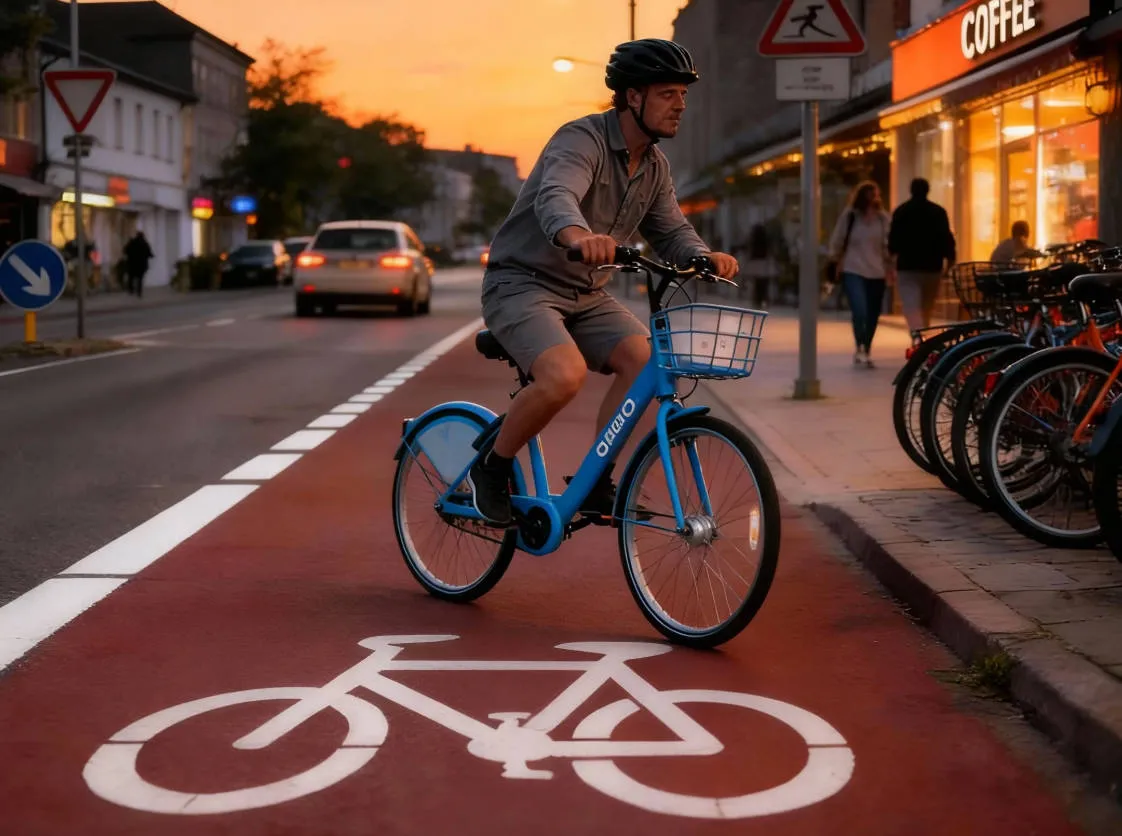
2. Mandatory Equipment and Safety
-
Helmets: Many major cities (like Beijing, Shanghai, and provinces like Jiangsu) have passed laws making helmet-wearing mandatory for both the rider and any passenger on an e-bike, with fines for violations (often RMB 10 to RMB 50).
-
Minimum Age: The rider must be at least 16 years old.
-
Visibility: Riders must have working brakes and working lights and reflective devices for night riding or low visibility conditions.
3. Prohibited Riding Behaviors
-
No Hands: Taking both hands off the handlebars is prohibited.
-
No Mobile Phones: Using a handheld mobile phone while riding (e.g., calling or browsing) is prohibited.
-
No DWI: Riding after drinking alcohol is prohibited.
-
Yielding: Riders must dismount and push their bikes across pedestrian crossings and yield to pedestrians.
-
Against Traffic: Riding against the flow of traffic is strictly prohibited.
-
Modifications: Illegally modifying the motor, battery, canopy, or speed limiter is strictly penalized.
4. Passenger Rules (Varies Locally)
-
Carrying Passengers: Generally, local laws determine passenger limits. Many provinces permit carrying one child under 1.2 meters in height (or under a specific age, like 12 or 16 depending on the city), often requiring a fixed safety seat to be installed.
🚨 Penalties and Enforcement
Enforcement for e-bike violations has been significantly stepped up due to safety and accident rates.
-
Fines: Fines for basic moving violations (e.g., riding in the motor lane, running a red light, not wearing a helmet) are generally low (e.g., RMB 10 to RMB 50) but are strictly applied.
-
Illegal Vehicles: Riding an e-bike that is illegally modified, lacks proper registration, or exceeds the national standard limits can lead to confiscation of the vehicle and higher fines.
-
Serious Accidents: For foreigners, being found responsible for an accident while violating traffic laws can lead to severe legal issues, including potential detention and denial of future residence permit renewals.
Given the density of e-bikes, particularly in major cities, both car drivers and riders must exercise extreme caution.
Pedestrian Safety Rules
China's traffic laws give pedestrians a strong legal standing, but the assertive driving culture means pedestrians must be extremely vigilant.
🚶♂️ Pedestrian Safety Rules (The Law)
The Law of the People's Republic of China on Road Traffic Safety clearly defines the rights and responsibilities of pedestrians:
1. Where to Walk
-
Sidewalks First: Pedestrians must walk on the sidewalk (pavement) where one is provided.
-
On the Right: Where there is no sidewalk, pedestrians must walk on the right side of the road.
2. Crossing the Road
-
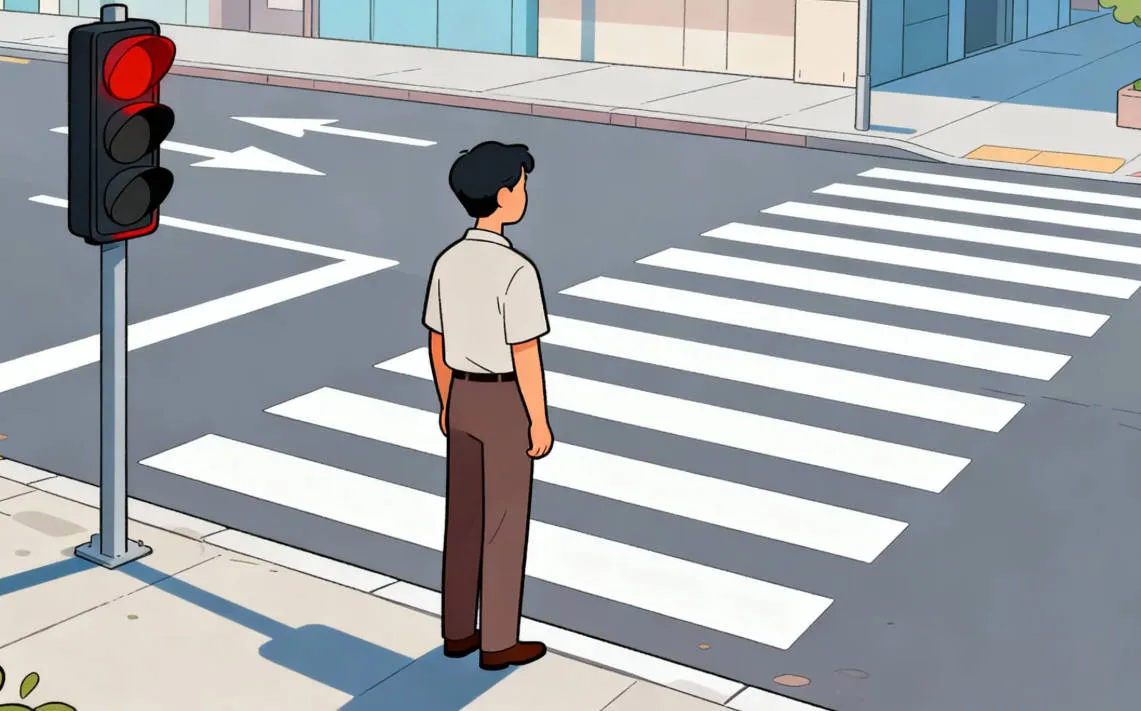
Use Crossings: Pedestrians must use crosswalks (zebra crossings), overhead bridges, or underground tunnels when crossing a road or passing a junction.
-
Traffic Signals: At signalized crossings, pedestrians must obey the traffic lights (Red means stop, Green means go).
-
Intersections without Signals: If crossing at a junction without traffic lights or a marked crosswalk, pedestrians should quickly cross the road only when it is safe.
-
Prohibited Acts: Pedestrians are prohibited from crossing guardrails, jumping onto moving vehicles, or otherwise jeopardizing traffic safety.
3. Driver's Responsibility (The Legal Guarantee)
-
Yield at Crosswalks: Motor vehicle drivers must slow down when passing a crosswalk. If a pedestrian is crossing the crosswalk, the motor vehicle must stop and give way.
-
Yield Anywhere: When a motor vehicle is passing a road without traffic signals and a pedestrian is crossing, the motor vehicle must yield to the pedestrian.
⚠️ Essential Safety Tips (The Reality)
While the law grants pedestrians the right-of-way, the reality in most Chinese cities requires extreme caution due to fast-moving traffic, aggressive turning vehicles, and quiet e-bikes.
1. Crosswalks are NOT Always Safe
-
Turning Traffic is the Biggest Risk: Even if you have the green walking man signal, cars and scooters turning right on a red light (which is generally allowed) or turning left will often proceed quickly across the crosswalk.
-
Tip: Always make eye contact with turning drivers, and assume they will not stop for you unless forced to. Wait until traffic has fully cleared your immediate path.
-
-
Yielding is Local: Driver yielding to pedestrians is now heavily enforced in major Tier 1 cities (like Beijing, Shanghai, and Shenzhen) with cameras and fines, making it much safer. However, in smaller cities or less monitored areas, drivers often ignore this rule.
2. The Silent Threat (E-Bikes and Scooters)
-
Watch All Directions: Electric scooters and bikes are often virtually silent and frequently weave through traffic and on sidewalks.
-
Tip: When crossing, look not only for cars but also for scooters coming from the opposite direction or mounting the curb to get around traffic.
3. Crossing Strategy
-
Cross in Groups: It's often safer to cross with a group of locals, as drivers are more likely to stop for a mass of people than for a single person.
-
Be Predictable: Once you commit to crossing, walk at a steady, predictable pace. Hesitating or suddenly speeding up can confuse drivers.
-
Keep Head Up: Never walk across the street while distracted by a phone. You must constantly scan the road.
4. Penalties for Pedestrians
-
In some jurisdictions, police are actively ticketing pedestrians for violations like jaywalking (crossing outside of a marked area or against the signal).
-
Fine: Pedestrians who violate traffic safety regulations may be given a warning or fined up to RMB 50.
The ultimate safety strategy for a pedestrian in China is to walk defensively: always look before you step, never assume you have the right-of-way, and be prepared for vehicles to ignore signals and markings.
Emergency & Enforcement
Navigating emergencies and understanding traffic enforcement is essential for any driver in China. The system is characterized by highly sophisticated technological surveillance and severe penalties for major offenses.
🚨 Emergency Numbers (Dialing)
It is crucial to have these numbers memorized or saved, as English-speaking operators are not guaranteed, especially outside of major Tier 1 cities.
| Service | Number | What to Call For |
| Police (General) | 110 | Any crime, public disturbance, or major accident involving violence or severe injury. |
| Traffic Accidents | 122 | Road accidents requiring traffic police (even minor non-injury disputes). |
| Ambulance / First Aid | 120 | Medical emergencies, serious injury, or sudden illness. |
| Fire Department | 119 | Fire, gas leaks, or rescue from floods/natural disasters. |
Tip on Calling: 110, 119, and 120 are free nationwide calls. If you are struggling with Mandarin, try saying "English, please" slowly. In major cities, operators may have limited English or transfer you to an interpreter. Be ready to provide your exact location (street name, district, and nearest landmark).
🤕 What to Do in a Traffic Accident
Your actions immediately following an accident are critical.
1. Minor Accident (No Injuries)
-
Stop and Exchange Info: Pull over immediately to the side of the road if safe to do so. Exchange contact and insurance information.
-
Take Photos: Take clear photos of the accident scene, including the position of the vehicles, license plates, and the damage.
-
Resolve: For very minor accidents with no injuries and agreement on fault, drivers often settle privately or via insurance to avoid police involvement.
- If Dispute Arises: If you cannot agree on fault, you must call 122 (Traffic Police) and wait for an officer to issue a report.
2. Major Accident (With Injuries)
-
Stop and Secure: Stop your vehicle, turn on hazard lights, and place your warning triangle (mandatory safety equipment) at the appropriate distance (e.g., $150\text{ meters}$ on expressways).
-
Call Emergency Services: Immediately call 120 (Ambulance) and 122 (Traffic Police).
-
Do Not Move Injured: Unless absolutely necessary to prevent further harm, do not move the injured until medical professionals arrive.
- Remain at Scene: Do not leave the scene until the police have cleared you. Leaving the scene of an injury accident is a criminal offense.
⚖️ Traffic Enforcement and Penalties
Enforcement relies heavily on technology and the 12-Point System.
1. The 12-Point System
-
Every driver starts with 12 points annually.
-
Violations deduct points. If you lose all 12 points, your license is suspended. You must attend mandatory traffic safety classes and re-take the written theory test to regain your license.
| Serious Violation | Typical Penalty Points | Typical Fine (RMB) | Consequence |
| Drunk Driving (BAC ≥ 0.08%) | 12 Points (Revocation) | RMB 2,000+ | Criminal detention, 5-year driving ban. |
| Driving Without a Chinese License | 12 Points (Revocation) | RMB 200 - 2,000 | Detention (up to 15 days). |
| Running a Red Light | 6 Points | RMB 200 - 300 | High fine, easy camera detection. |
| Speeding (over 50% limit) | 12 Points (Revocation) | RMB 500 - 2,000 | Can lead to license revocation. |
| Illegal Parking (Urban Center) | 3 Points (Varies) | RMB 50 - 500 | Very common violation; often ticketed automatically. |
2. Paying Fines (Foreigners)
Fines recorded by cameras ("off-site enforcement") must be paid quickly.
-
Online: Use the official Traffic Management 12123 (交管12123) app (requires passport/license registration).
-
Offline: Pay at designated major bank branches (ICBC, Bank of China, etc.) using the paper penalty notice provided by police or printed from the app.
-
Crucial Note: Unhandled fines or legal issues can block your ability to renew your visa or residence permit.
Mastering Chinese traffic rules is fundamentally about adapting to a fast-paced environment where the legal framework meets a dynamic street culture.
Key Takeaways:
-
Defensive Mindset: Assume no one sees you, whether driving, cycling, or walking.
-
License Legality: Never drive without a valid Chinese license or Temporary Permit.
-
Watch the E-Bikes: They are arguably the most unpredictable element on the road.
Stay alert, respect the system, and you will navigate China's roads successfully. Safe travels!
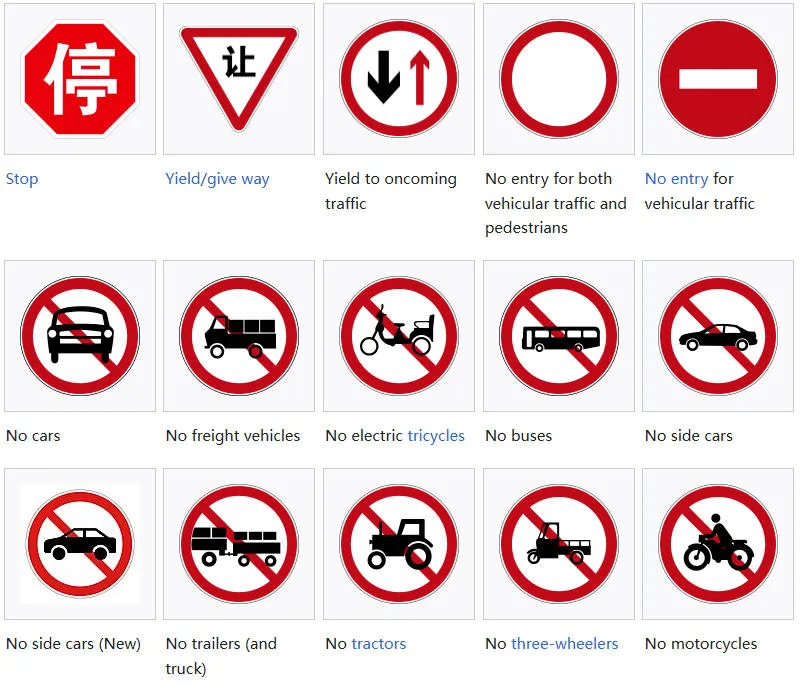
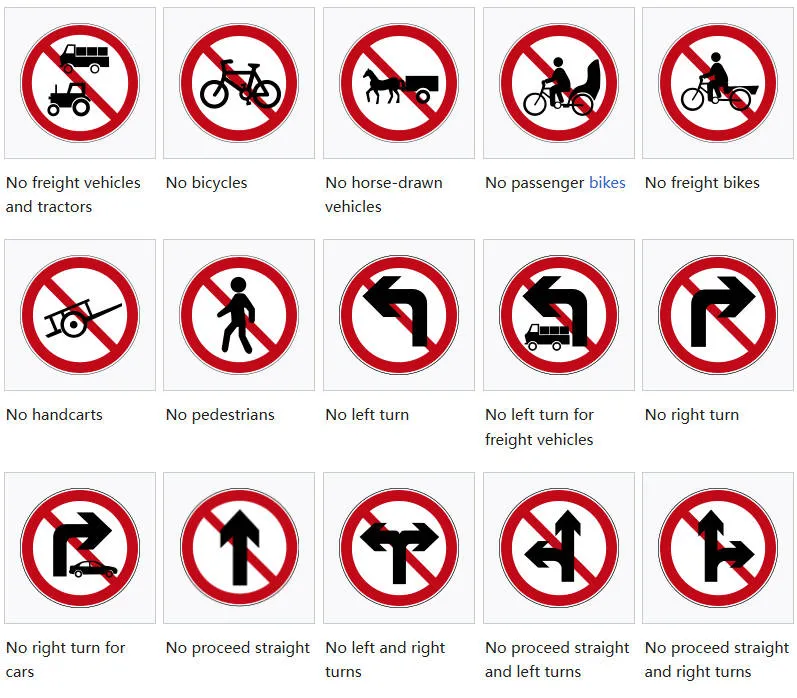
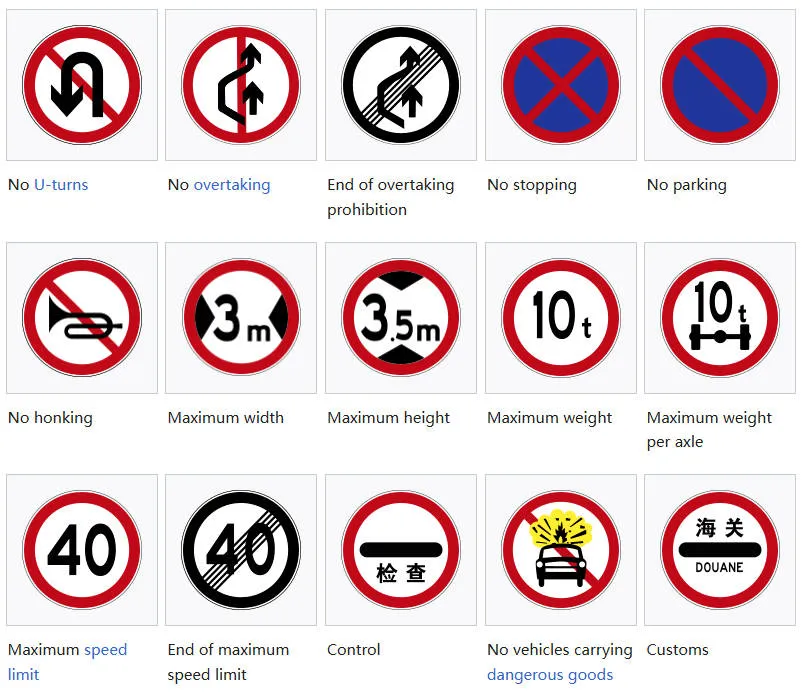
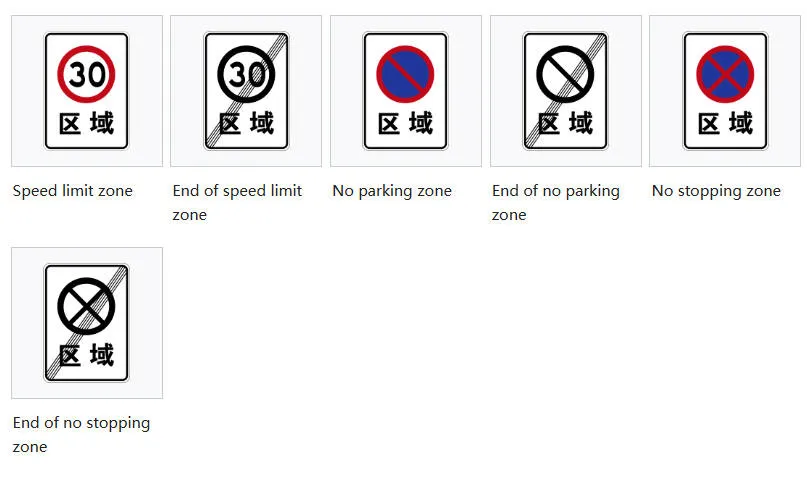
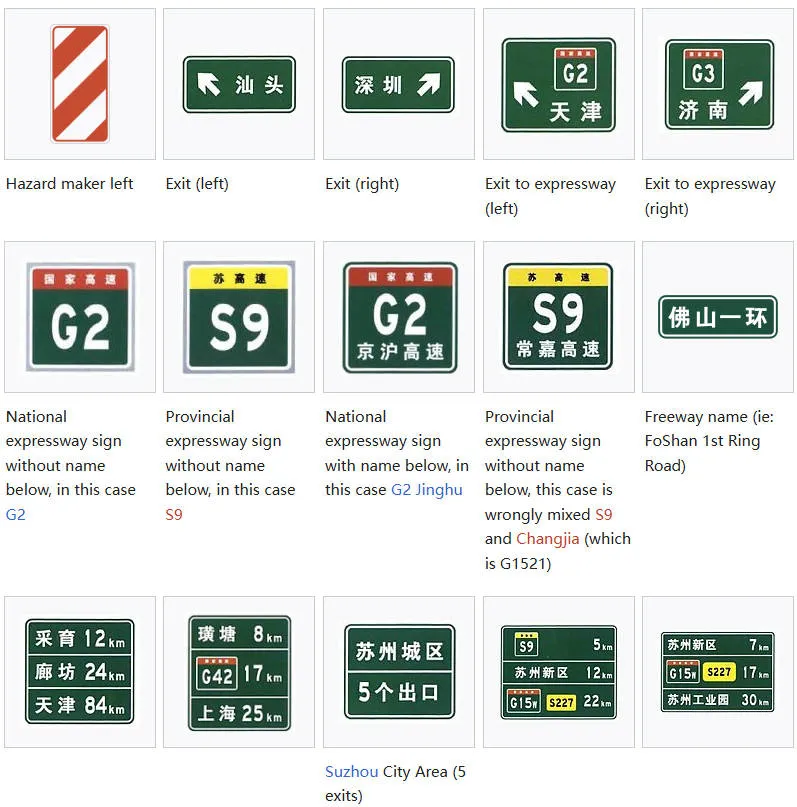
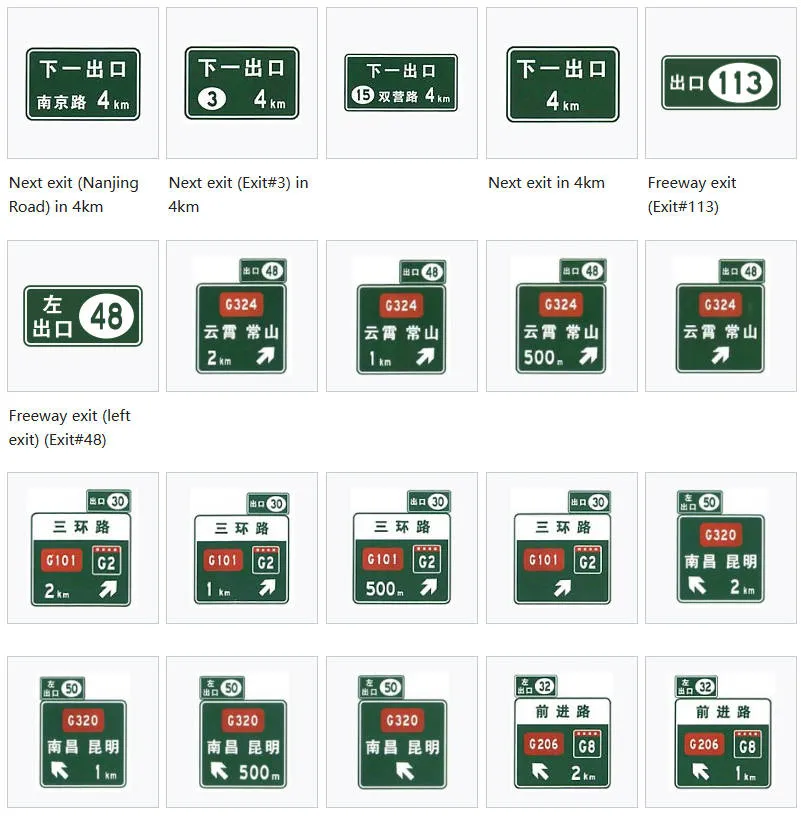
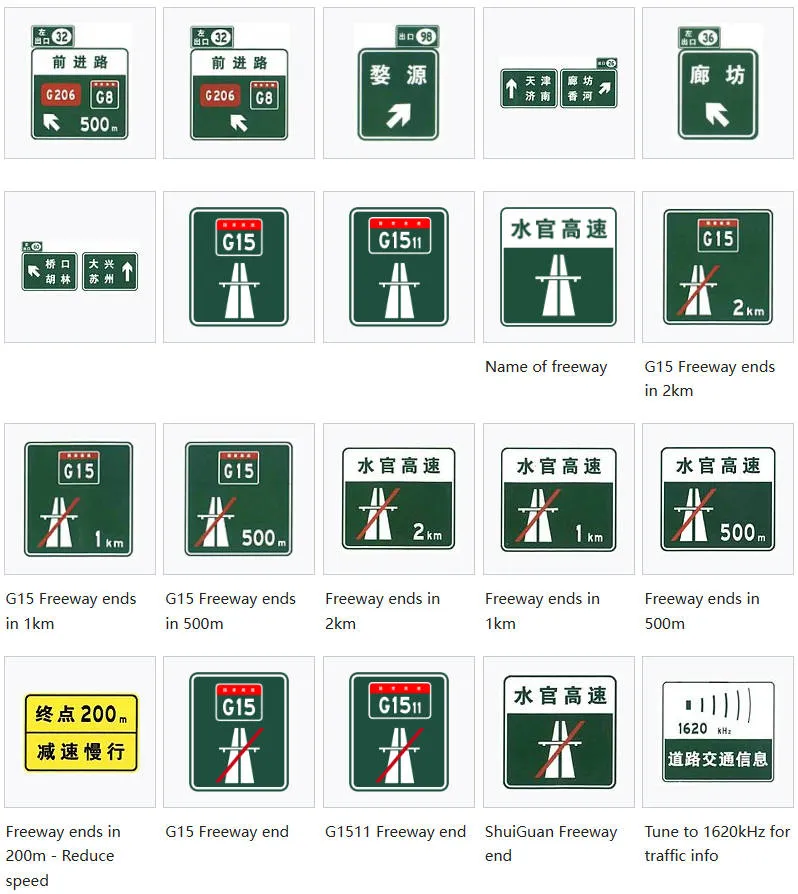
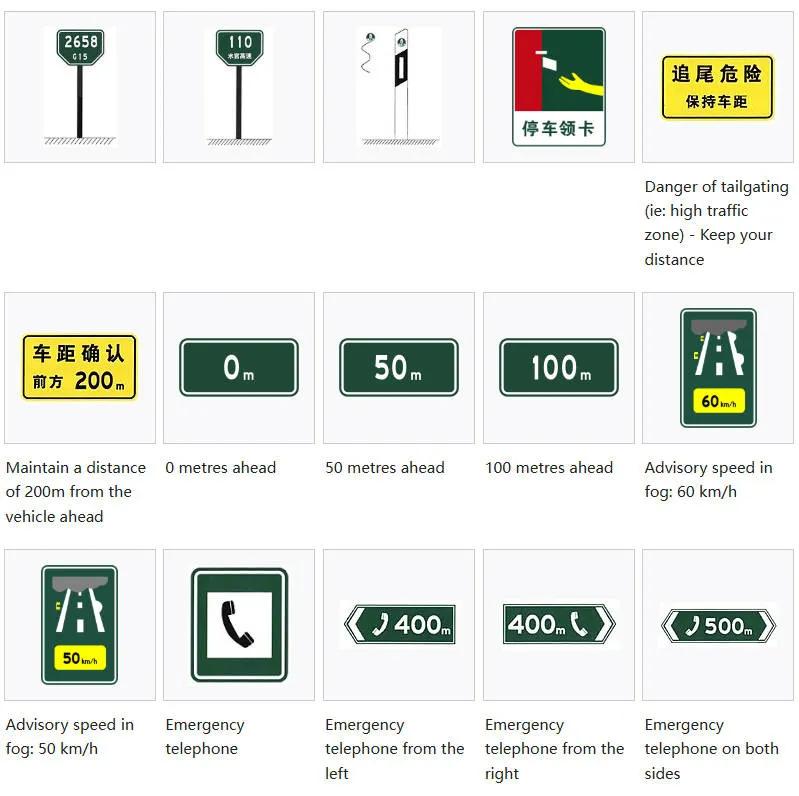
Road signs in China
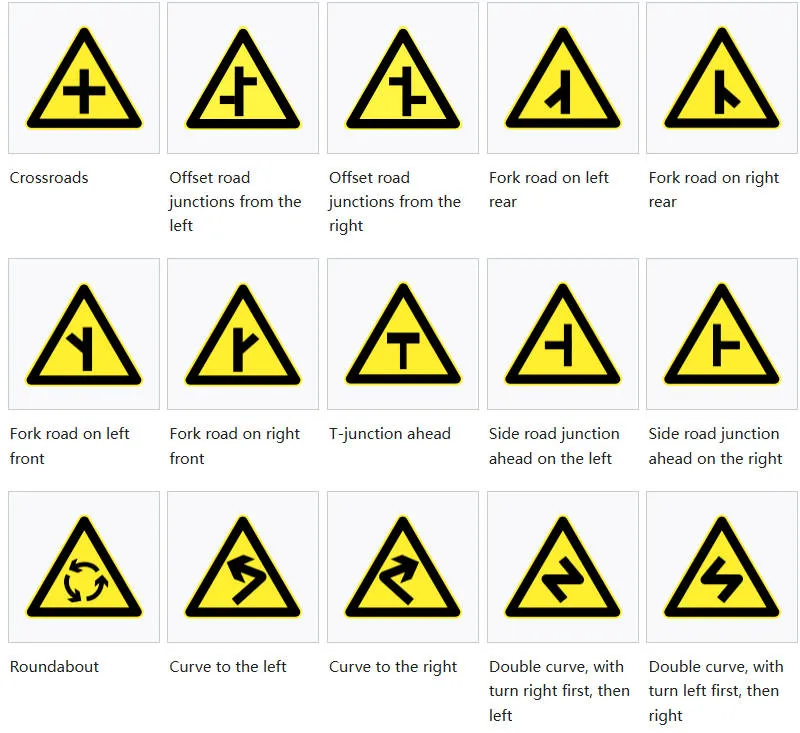
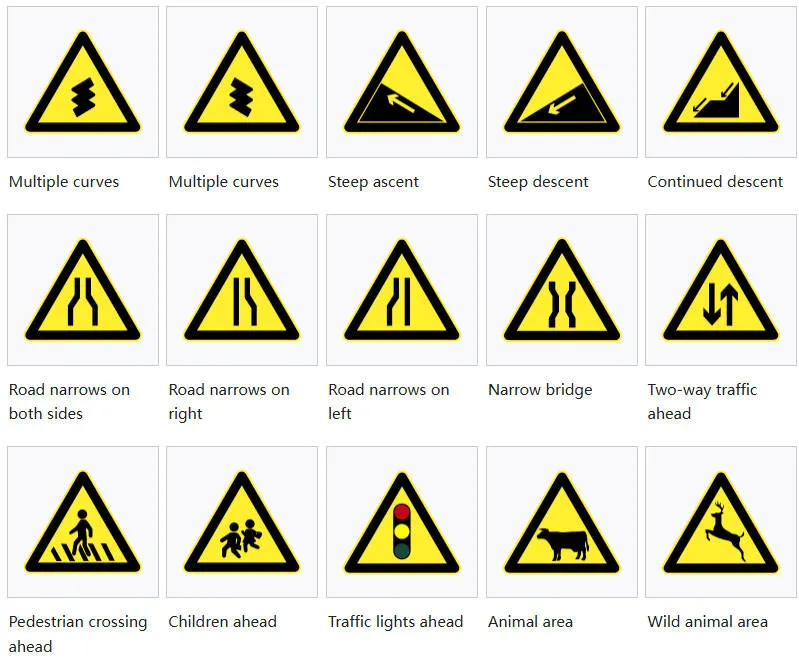
Warning signs
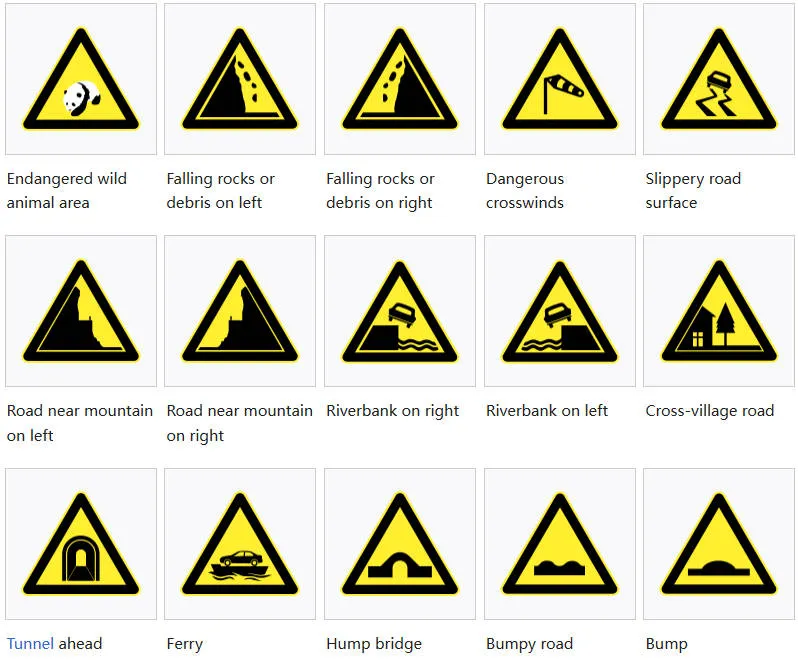
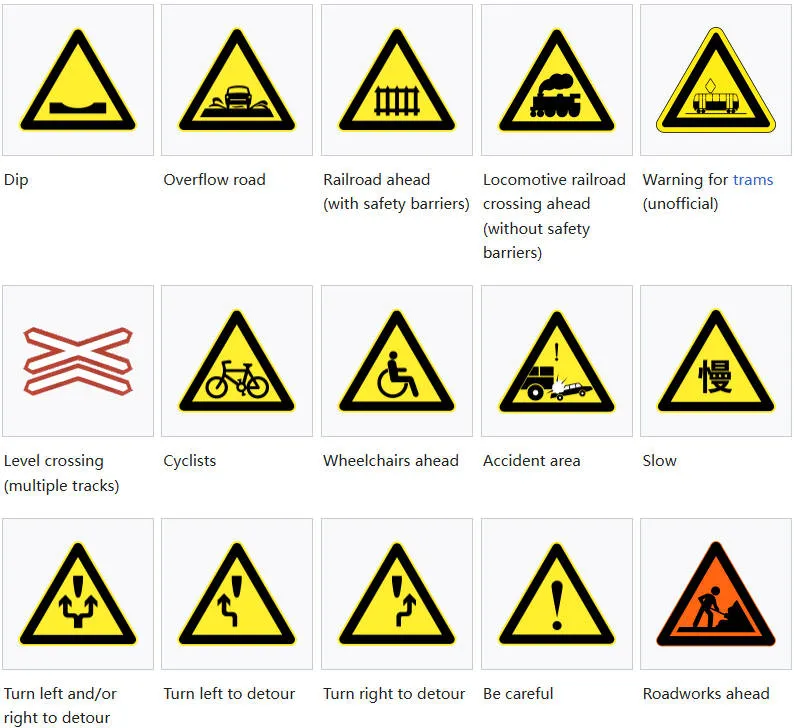
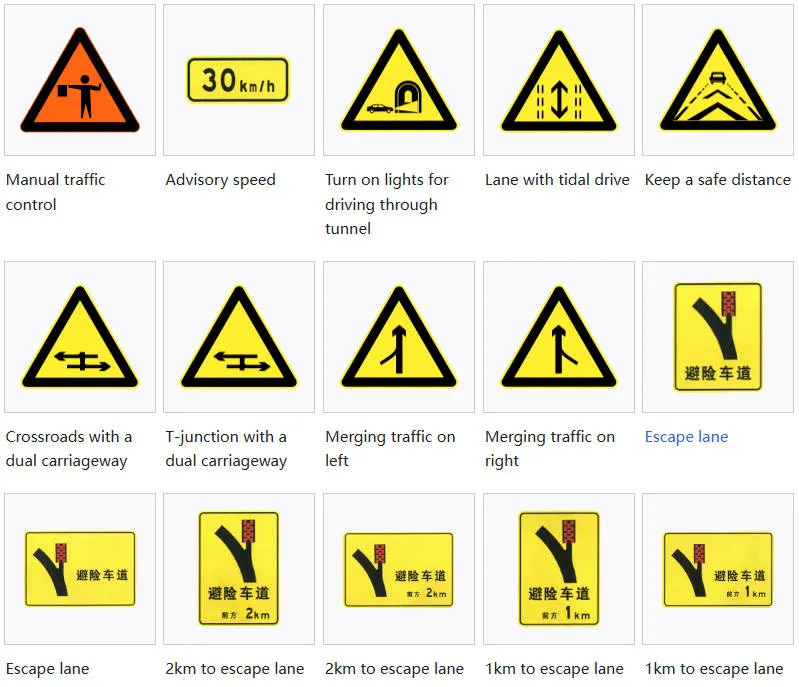
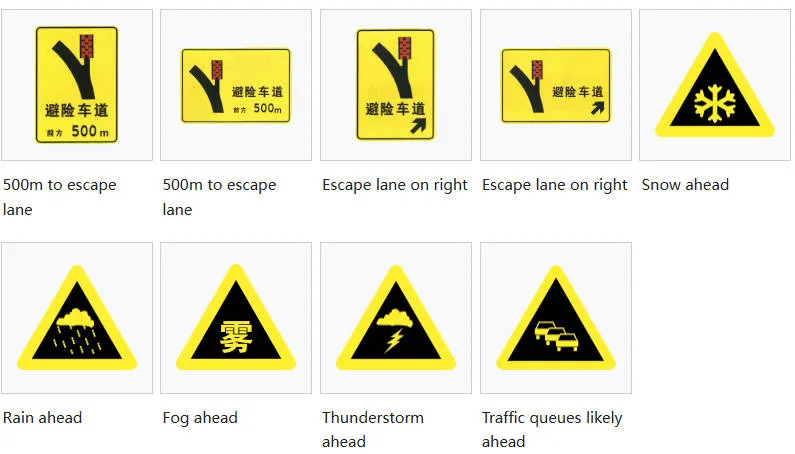
Prohibitory signs
Indicative signs
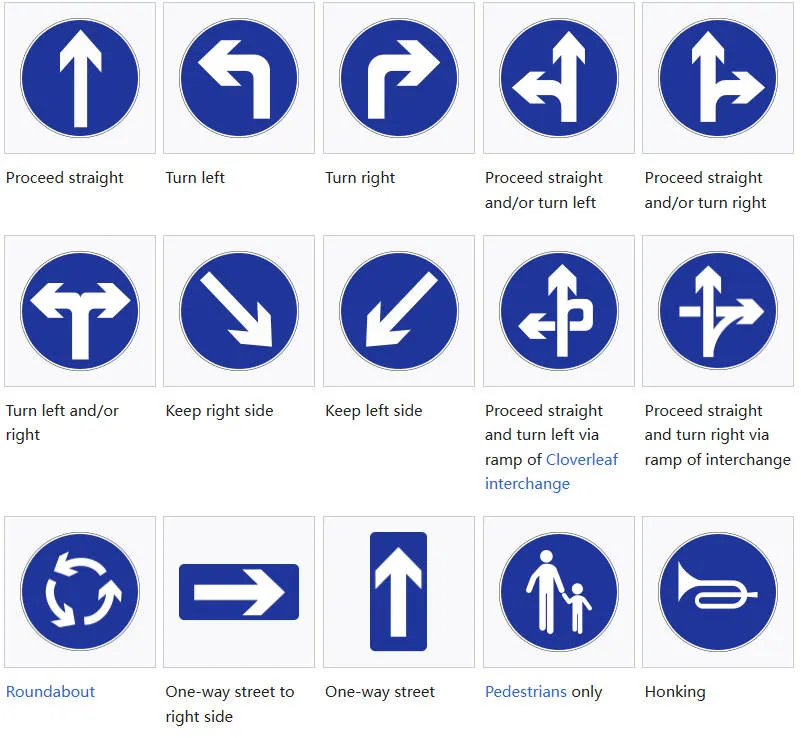
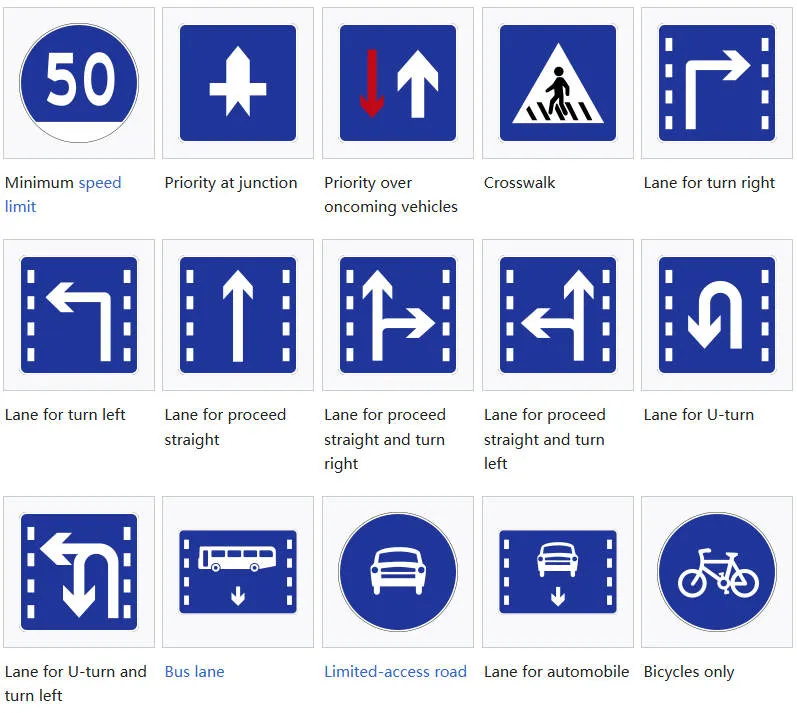
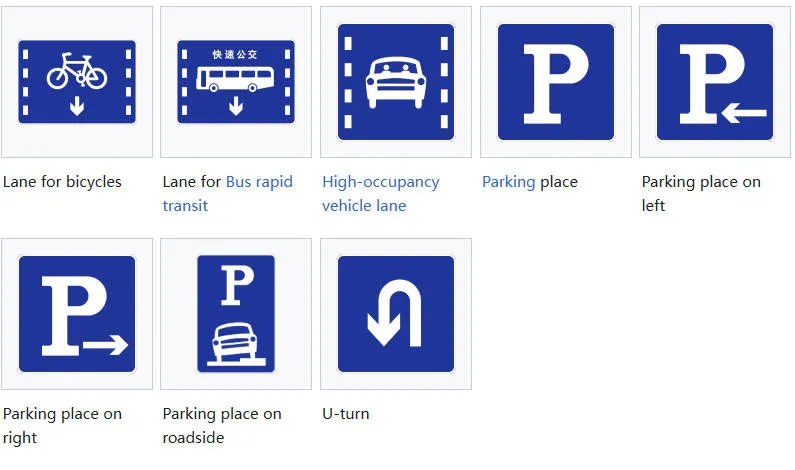
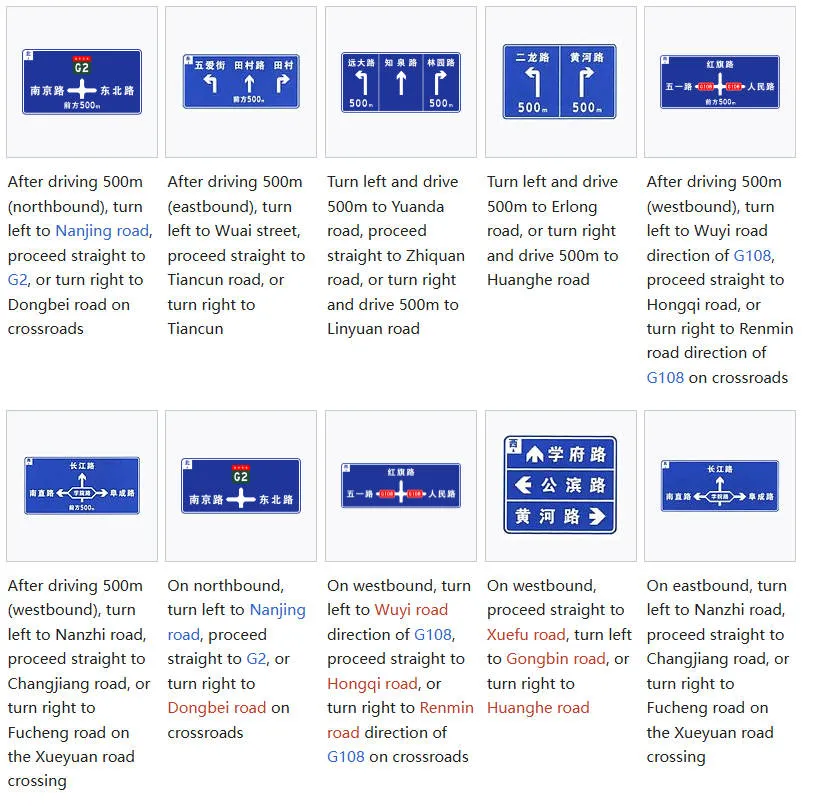
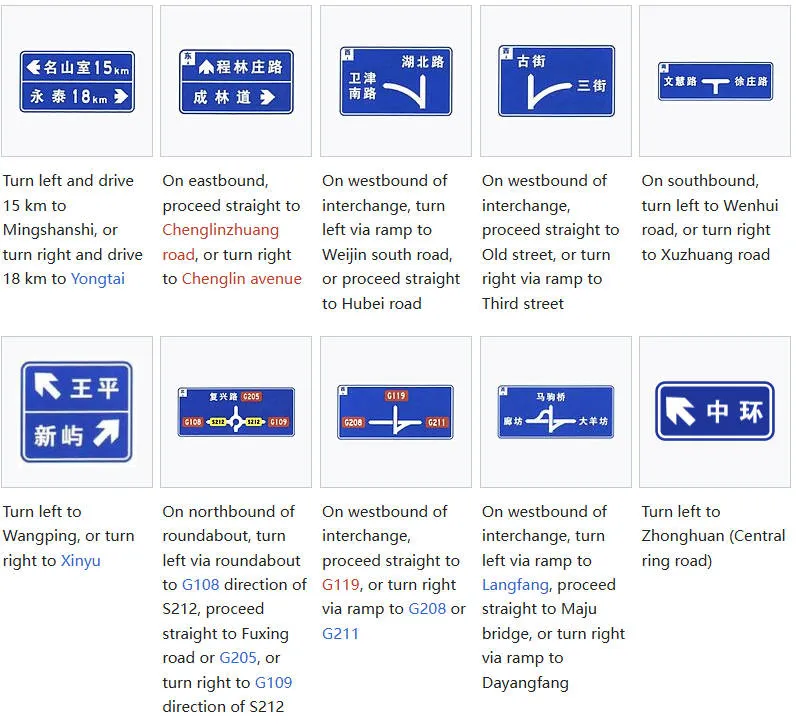
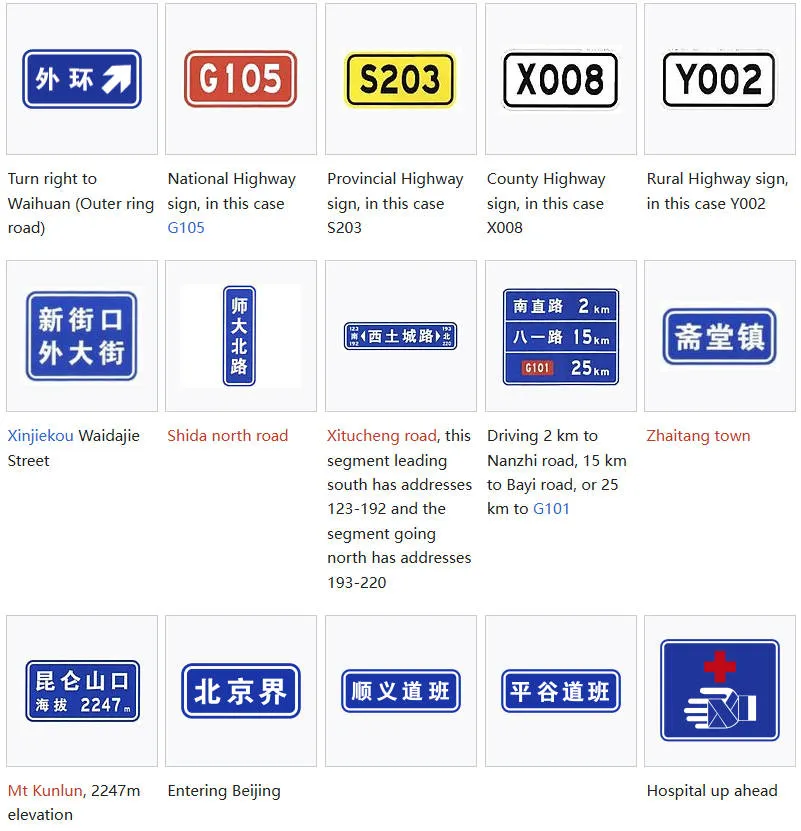
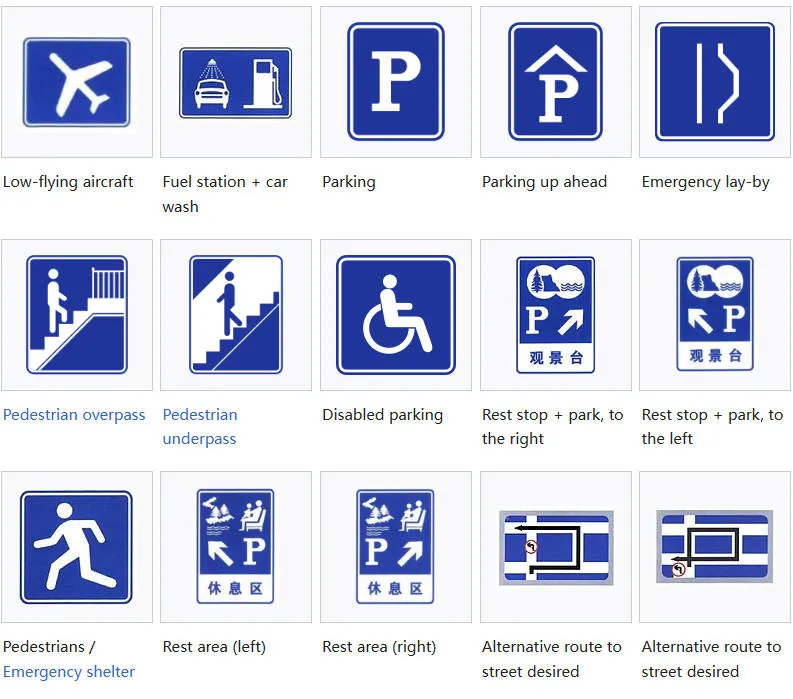
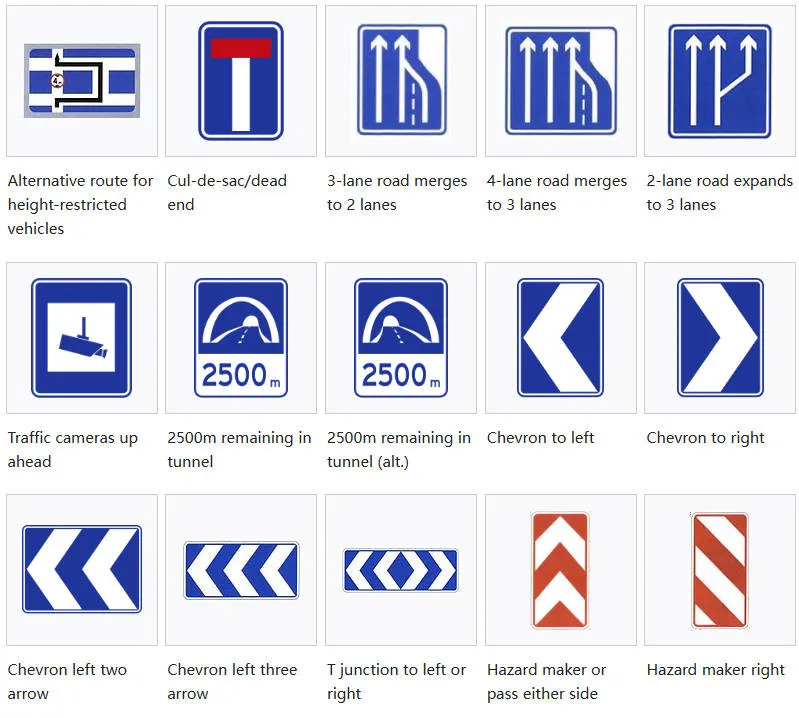
Informational signs
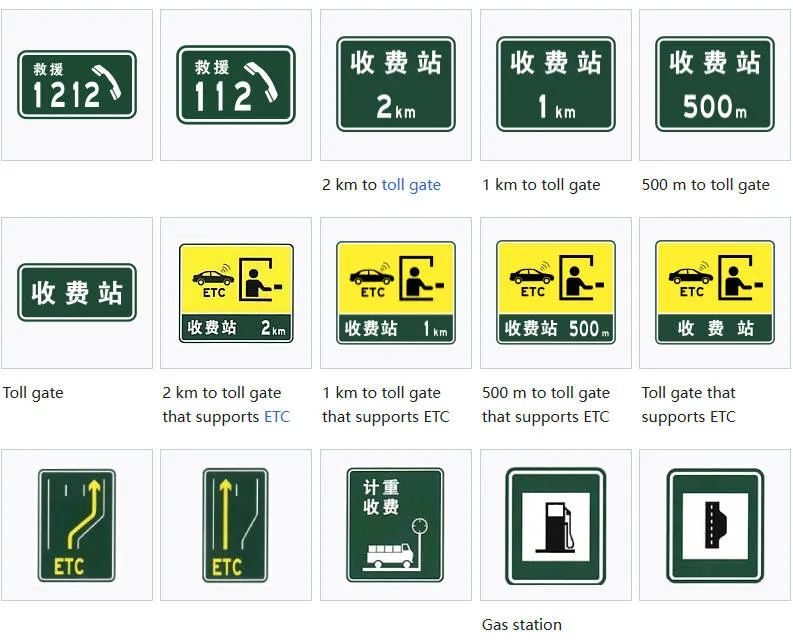
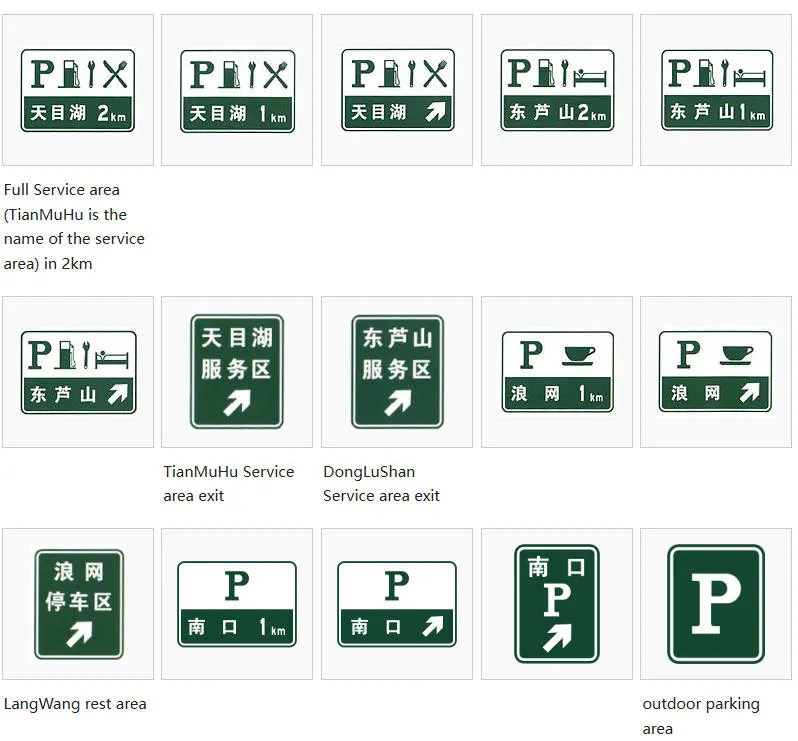
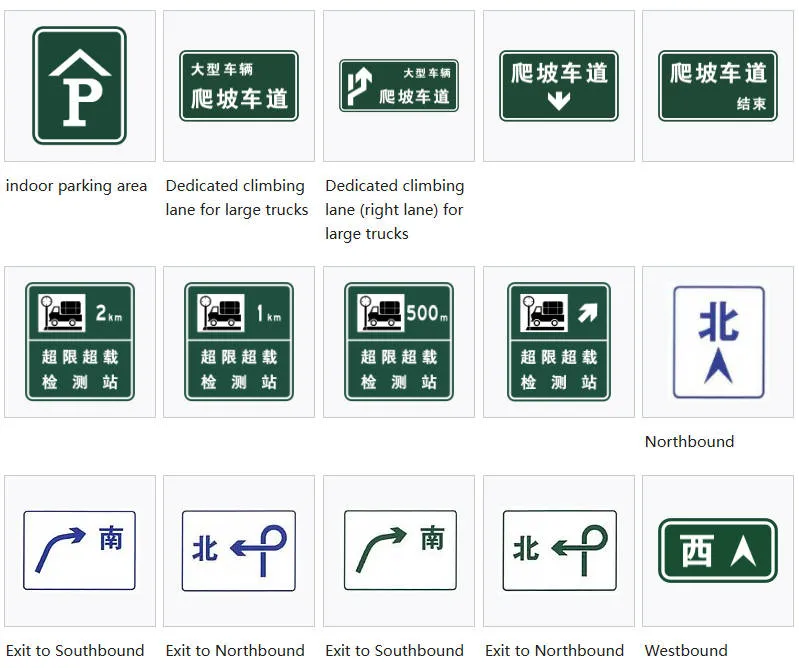
Tourist signs
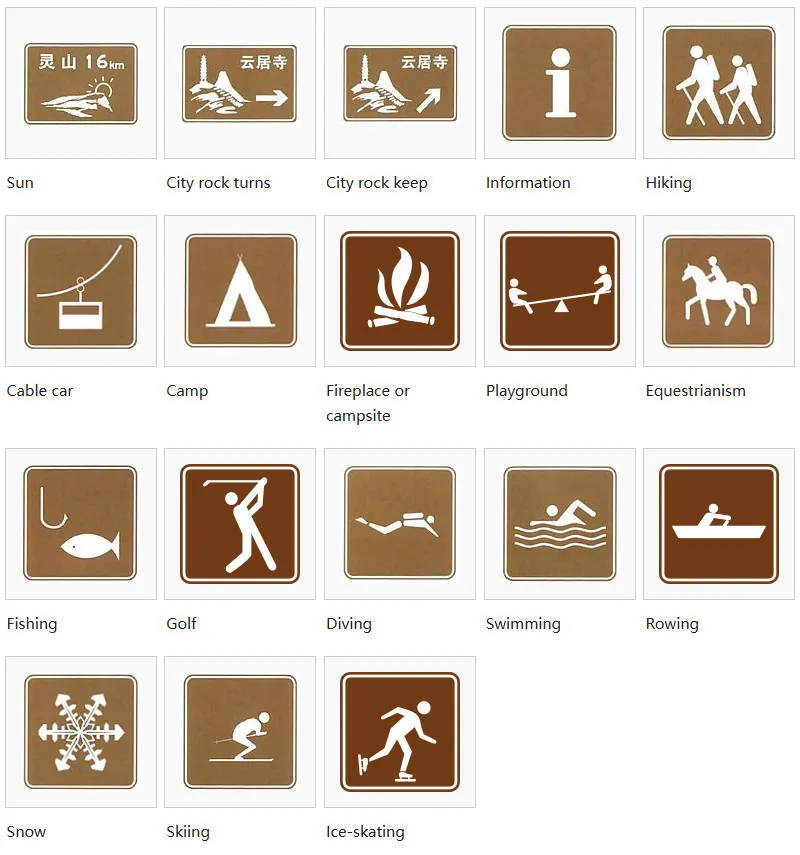
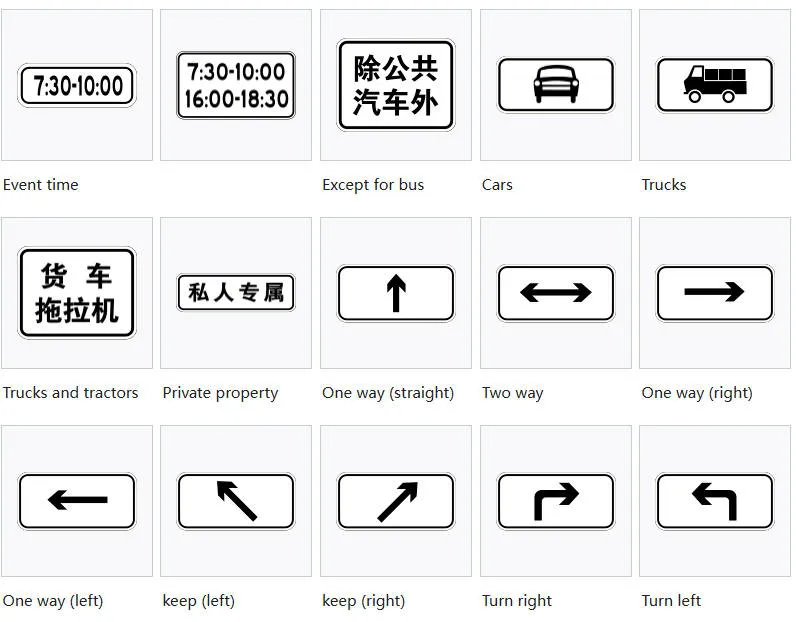
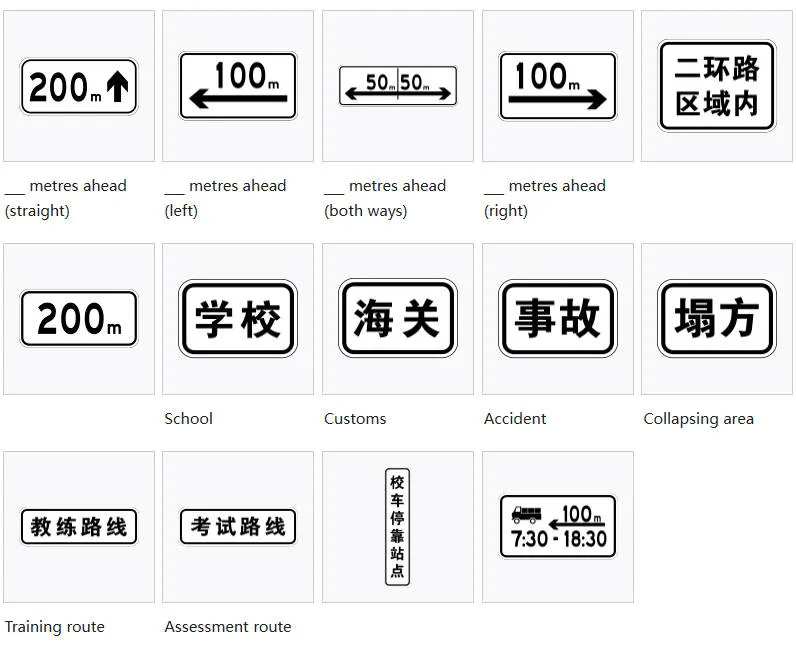
Additional signs
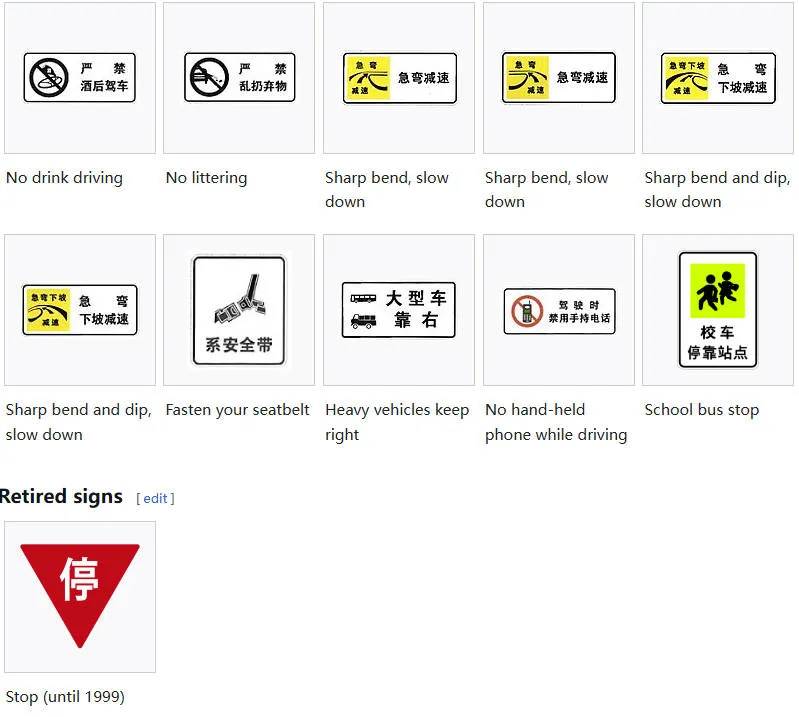
Vehicle-mounted signs
Related Guide: The Absolute Must-Have Apps for China Transportation