Navigating the Xi'an Metro in 2026? A complete English guide for foreigners covering Alipay, Xianyang Airport (XIY), and the route to the Terracotta Warriors.
Xi'an, the ancient capital of China and home to the world-famous Terracotta Warriors, is a must-visit for any traveler. But navigating this bustling city can be daunting, especially for foreigners. That's where the Xi'an metro comes in—it's efficient, affordable, and connects you directly to many top attractions. In this comprehensive Xi'an metro guide for foreigners, we'll cover everything you need to know about how to pay for rides, navigate the system, and reach major sites like the City Wall and Big Wild Goose Pagoda. Updated for 2025, this guide draws on the latest information to make your trip seamless.
Whether you're a first-time visitor or a seasoned explorer, using the Xi'an subway can save you time and money compared to taxis or rideshares. With 12 lines spanning more than 400 km and nearly 230 stations, the metro covers the city center, suburbs, and even the airport. Let's dive in!
📌 The Quick Verdict on the Xi'an Metro
-
Easiest Payment: Link your foreign credit card to Alipay or WeChat Pay and use the built-in transit QR code to tap in and out. No local cash needed!
-
To the Terracotta Warriors: Take Line 9 to Huaqing Pool Station (华清池), then transfer to the dedicated tourist bus (Lintong Bus 613) for a short ride to the museum.
-
From Xianyang Airport (XIY): Take Line 14 directly from the airport terminal to Xi'an North Railway Station (for high-speed trains) or transfer to Line 2 to reach the city center (Bell Tower).
-
Language: All ticket machines, major station signs, and voice announcements are in clear English.
Understanding the Xi'an Metro System
Building a metro system in Xi'an is a legendary challenge for engineers because the city was the capital for 13 imperial dynasties. Local residents often joke that you can't dig a hole in Xi'an without "hitting a dynasty"—a reality that has shaped the metro into a unique blend of high-tech transit and underground museum.
System Overview
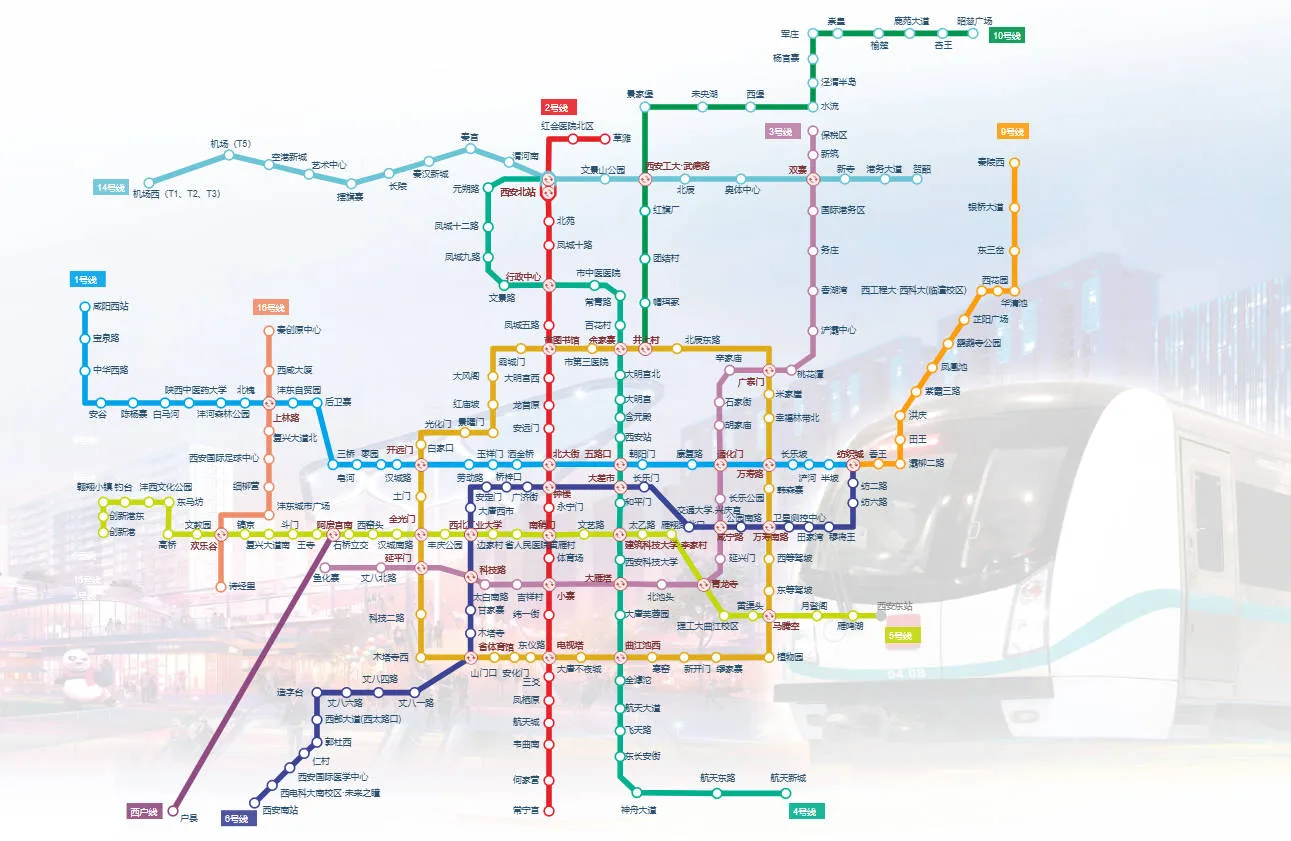
Xi'an's metro network has grown rapidly to become one of the most extensive in Northwest China.
-
Lines in Operation: 11 Metro lines + 1 Suburban Railway (Xihu Line).
-
Total Length: 422.21 km (262 miles).
-
Stations: Approximately 235.
-
Daily Ridership: Over 3.8 million passengers on average, peaking at over 4.7 million on holidays.
Archaeology vs. Engineering
The construction of the Xi'an Metro is slower than in other Chinese cities because every line requires extensive archaeological surveys.
-
Tomb Discoveries: During the construction of Line 2 alone, workers unearthed over 130 ancient tombs and 200 cultural relics.
-
Engineering Feats: To protect the Ming Dynasty City Wall, Line 2 was bored 20 meters deep to avoid vibrations that could damage the 600-year-old fortifications.
-
Underground Museums: Several stations feature in-situ displays of excavated artifacts, such as Qin and Han dynasty bricks or Tang-style architecture.
Lines in Operation
| Line | Color | Key Terminals | Major Stops / Purpose |
| Line 1 | Blue | Xianyang West — Fangzhicheng | Connects Xi'an with the city of Xianyang. |
| Line 2 | Red | Caotan — Changninggong | The main North-South spine; passes the Bell Tower. |
| Line 3 | Pink | Yuhuazhai — Baoshuiqu | The "most beautiful line"; serves Big Wild Goose Pagoda. |
| Line 4 | Green | Xi'an North — Hangtian Xincheng | Connects high-speed rail to the Daming Palace. |
| Line 5 | Lime | Chuangxingang — Yanminghu | Serves the Innovation Harbour and southern suburbs. |
| Line 6 | Purple | Xi'an South — Fangzhicheng | Links the High-Tech Zone (Gaoxin) to the east. |
| Line 8 | Yellow | Circular Loop Line | Newly opened (Dec 2024); orbits the city center. |
| Line 9 | Orange | Fangzhicheng — Qinling West | The tourist route toward the Terracotta Army. |
| Line 10 | Brown | Jingshangcun — Zhaohui Square | Newly opened (Sep 2024); serves the northern Gaoling district. |
| Line 14 | Turquoise | Airport West — Heshao | The Airport Express; connects to the Olympic Center. |
| Line 16 | Teal | Qinchuangyuan — Shijingli | Fully automated (driverless) line in the western new area. |
| Xihu Line | Grey | Epanggongnan — Huxian | Suburban rail serving the southwest Huxian district. |
General Operating Hours
While each line has specific terminal departure times, the system generally operates as follows:
-
Start of Service: Most lines begin between 6:00 AM and 6:15 AM.
-
End of Service: Most lines stop departures from terminals between 11:00 PM and 11:45 PM.
-
Late Night Service: Busy lines (like Line 2 and Line 4) often have trains running through the city center until 12:30 AM to accommodate passengers arriving late at the Xi'an North High-Speed Railway Station.
Train Frequency (Wait Times)
Xi'an utilizes some of the shortest headways in China to manage its high ridership.
| Period | Average Frequency | Notes |
| Morning Rush (7:30–9:30 AM) | 2.5 – 4 minutes | Line 2 and Line 3 often run every 130–150 seconds. |
| Evening Rush (5:30–7:30 PM) | 3 – 5 minutes | Heaviest traffic around Xiaozhai and Bell Tower. |
| Off-Peak (Mid-day) | 6 – 8 minutes | Predictable and efficient for sightseeing. |
| Late Night (After 10:00 PM) | 10 – 15 minutes | Frequency drops as the system winds down. |
Extended Hours & Special Events
-
Weekends & Holidays: During major festivals (like Chinese New Year or National Day), the metro typically extends service by 30–60 minutes across the entire network.
-
The "North Station" Exception: Line 2 and Line 4 often add "extra" late-night trains specifically for passengers arriving on the final high-speed trains of the night (often as late as midnight).
-
Marathon/Events: On event days (like the Xi'an Marathon), service on affected lines may start as early as 5:30 AM.
Language support
The Xi'an Metro is very foreigner-friendly, often more so than the city's bus system. You can easily navigate the entire network without knowing any Chinese.
-
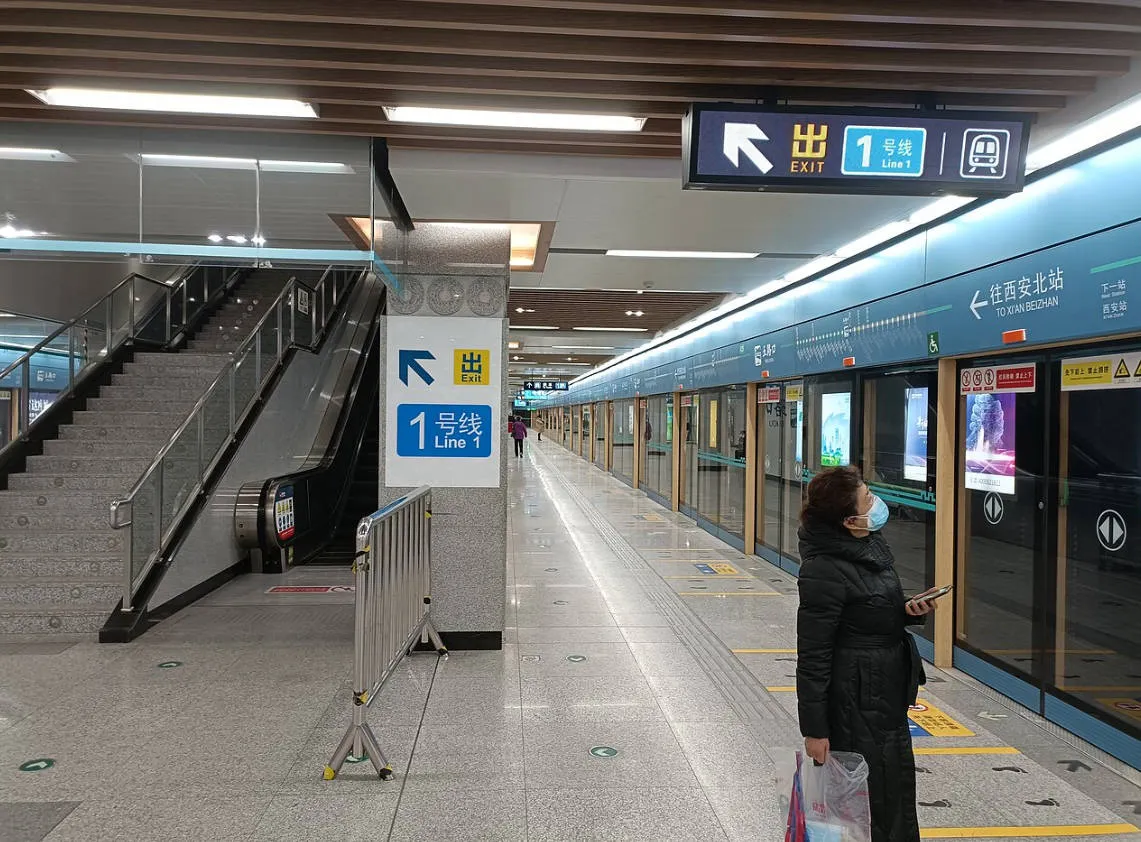
Bilingual Signage: All directional signs, station names, and line maps are displayed in both Chinese and English.
-
Audio Announcements: Train arrival and next-stop announcements are broadcast in Mandarin followed by English.
-
Unique Station Logos: Xi'an is unique in that every station has its own individual graphic logo (e.g., the Bell Tower station has a small bell icon). This makes identifying your stop even easier if you are scanning the platform signs quickly.
How to Pay for the Xi'an Metro
Xi'an metro fares are distance-based and budget-friendly, starting at just RMB 2 (about $0.30 USD) for short trips up to 6 km. Here's the breakdown:
| Distance (Kilometers) | Fare (RMB) |
| 0 – 6 km | RMB 2 |
| 6 – 10 km | RMB 3 |
| 10 – 14 km | RMB 4 |
| 14 – 20 km | RMB 5 |
| 20 – 26 km | RMB 6 |
| Beyond 26 km | +RMB 1 for every additional 8 km |
Quick Note:
-
The maximum fare for long-distance routes, such as traveling to the airport, is approximately RMB 13.
- Children under 1.3 meters (about 4 feet) or age 6 ride free (up to two per adult).
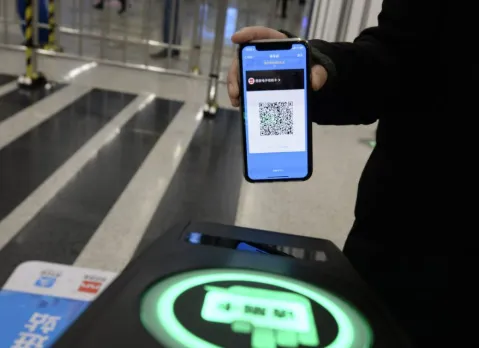
Option A: Mobile Payments (Recommended)
This is the most "local" and efficient way.
-
Alipay (支付宝): 1. Open Alipay and tap "Transport" (出行). 2. Set your city to "Xi'an" (西安). 3. Activate the "Xi'an Metro QR Code." 4. Scan the code at the turnstile when entering and exiting.
-
WeChat Pay (微信支付): 1. Search for the "Xi'an Metro" (西安地铁) mini-program. 2. Follow the prompts to bind your card and generate a travel QR code.
Option B: Physical Tickets
If you prefer not to use apps, you can use the Ticket Vending Machines (TVMs) at any station.
-
Single Journey Ticket: Select your destination on the touch screen (English interface available), pay with cash (small bills/coins) or scanned QR code, and get a plastic token.
-
Chang'an Tong Card (or Public Transportation Card): A rechargeable smart card for metro and buses. Purchase at station counters or convenience stores for RMB 20-100 initial load. It offers a 10% discount and is refundable. Highly recommended for multiple trips.
- Metro Passes: One-Day Pass (RMB 15) for unlimited rides in 24 hours; Three-Day Pass (RMB 40) for 72 hours. Buy via apps or machines—perfect for tourists exploring sites like the City Wall.
Option C: Contactless Bank Cards
Most turnstiles now support UnionPay contactless cards. Some international Visa/Mastercard credit cards may work if they are linked to mobile wallets like Apple Pay.
Tip: Always tap in and out to avoid overcharges. If using Alipay, ensure your app is updated and you have data (get a China eSIM for connectivity).
Navigating the Xi'an Metro Like a Pro
Navigating the Xi'an Metro is relatively straightforward, but because it serves a city of 13 million people and a massive number of tourists, a few "insider" strategies will save you a lot of time and stress.
1. Master the "Gate Strategy"
-
The Security Check: Every station entrance has a security scanner. You must put all bags (including small purses) through the X-ray. Pro Tip: Keep your phone in your hand, not your bag, so you are ready to scan your payment code immediately after the security check.
-
Avoid "Beidajie" at Peak Hours: Beidajie is the transfer point for Lines 1 and 2. It is the busiest bottleneck in the city. If you are traveling between 7:30–9:00 AM or 5:30–7:30 PM, use the Line 8 Loop to bypass this station whenever possible.
2. Decode the Station Signs
-
The Individual Logos: Look closely at the station name signs. Each station has a unique pictographic logo representing a nearby landmark (e.g., a pagoda, a gate, or a flower). This is a great visual cue if you miss the audio announcement.
-
Exit Letters (A, B, C, D): This is where most people get lost. Xi'an stations are massive. Before you leave the train, look at the yellow "Exit Information" maps on the platform. They list specific landmarks and bus connections for each letter.
-
Example: At Bell Tower Station, Exit 2 is the most direct path to the Muslim Quarter.
-
3. Use the "Car Position" Indicators
-
Transfer Shortcuts: On many platforms (especially Lines 2, 3, and 4), there are stickers on the glass screen doors or the floor that show where the escalators or transfer stairs are located in the next station.
-
Pro Tip: If you see a "Transfer" icon near Car 3, move to that door now so you are the first one out and beat the crowd to the next line.
4. Essential Digital Tools
-
Baidu Maps / Amap (Gaode): These are far more accurate than Google Maps in China. Even if you don't read Chinese, the icons for "Metro" (a stylized 'M') and the line colors are easy to follow. They show real-time train arrivals (e.g., "Next train in 2 mins").
-
MetroMan App: This is the best English-language app for offline route planning. It tells you exactly which car to sit in for the fastest transfer.
5. Etiquette and Safety
-
The "Yellow Line" Rule: Xi'an commuters are generally disciplined about queuing. Stand to the sides of the doors to let people off first; the middle area is for exiting passengers.
-
Stay Right: On escalators, the "stand on the right, walk on the left" rule is loosely followed, but during rush hour, it's safer to just stand still and hold the rail as the escalators move quite fast.

Reaching Major Tourist Sites via Metro
Xi'an’s metro system is designed specifically to move millions of tourists between its world-class historical sites. Because many stations are named directly after the landmarks they serve, navigation is intuitive.
Major Sites & Their Metro Access
| Destination | Line(s) | Station Name | Best Exit & Directions |
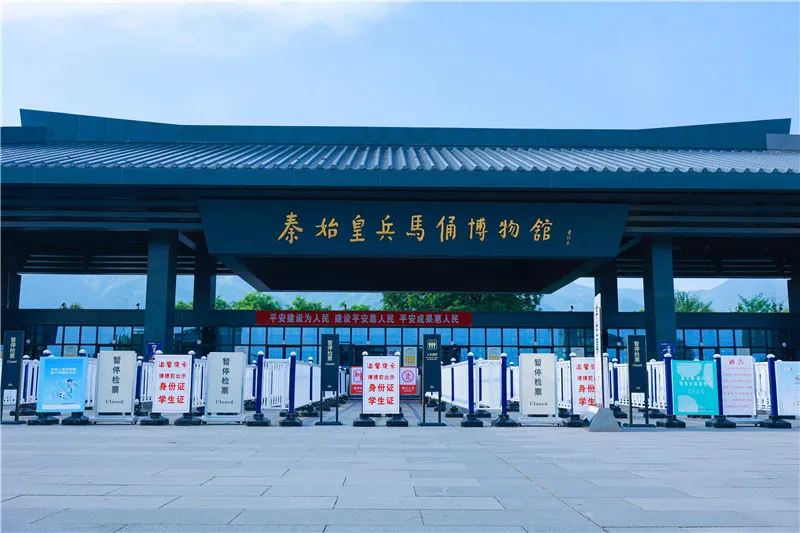
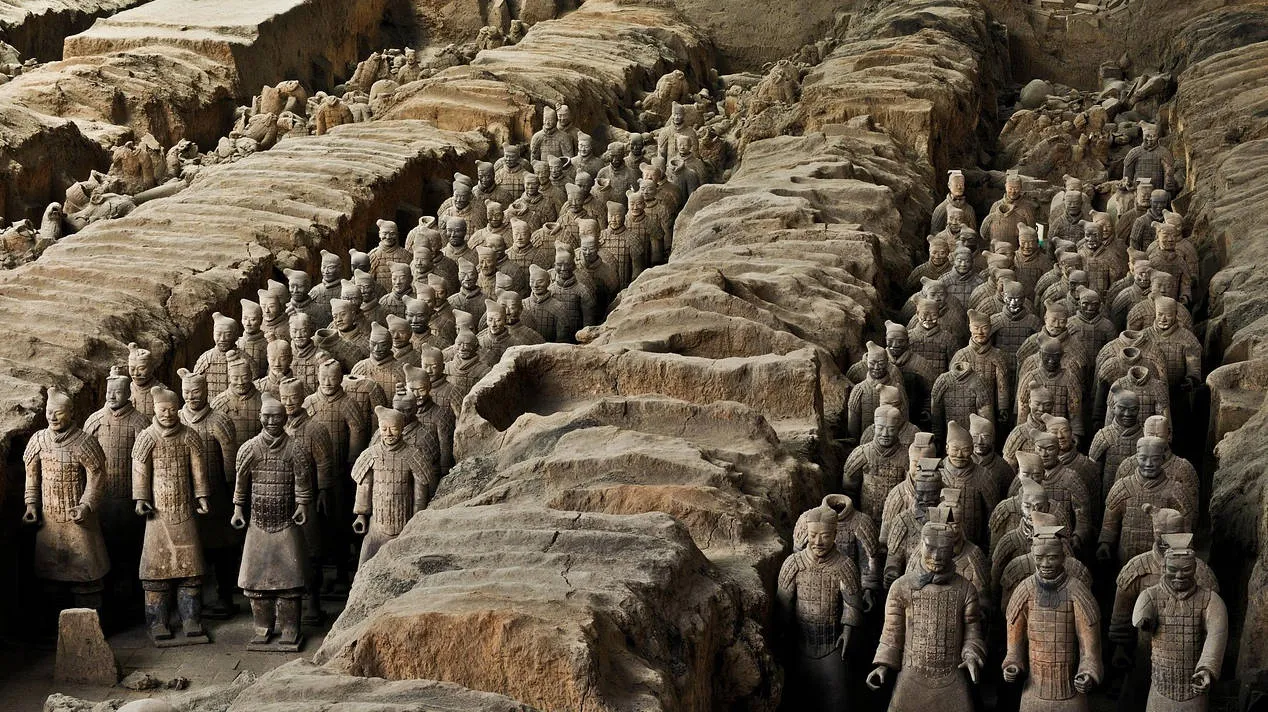
| Terracotta Army | Line 9 | Huaqing Pool | Exit C: Walk 200m east to catch Bus 602 or Tourist Bus 613. (Approx. 15-min bus ride). |
| Muslim Quarter | Line 2 | Zhonglou (Bell Tower) | Exit B: Leads directly toward the Drum Tower and the entrance to the food street. |
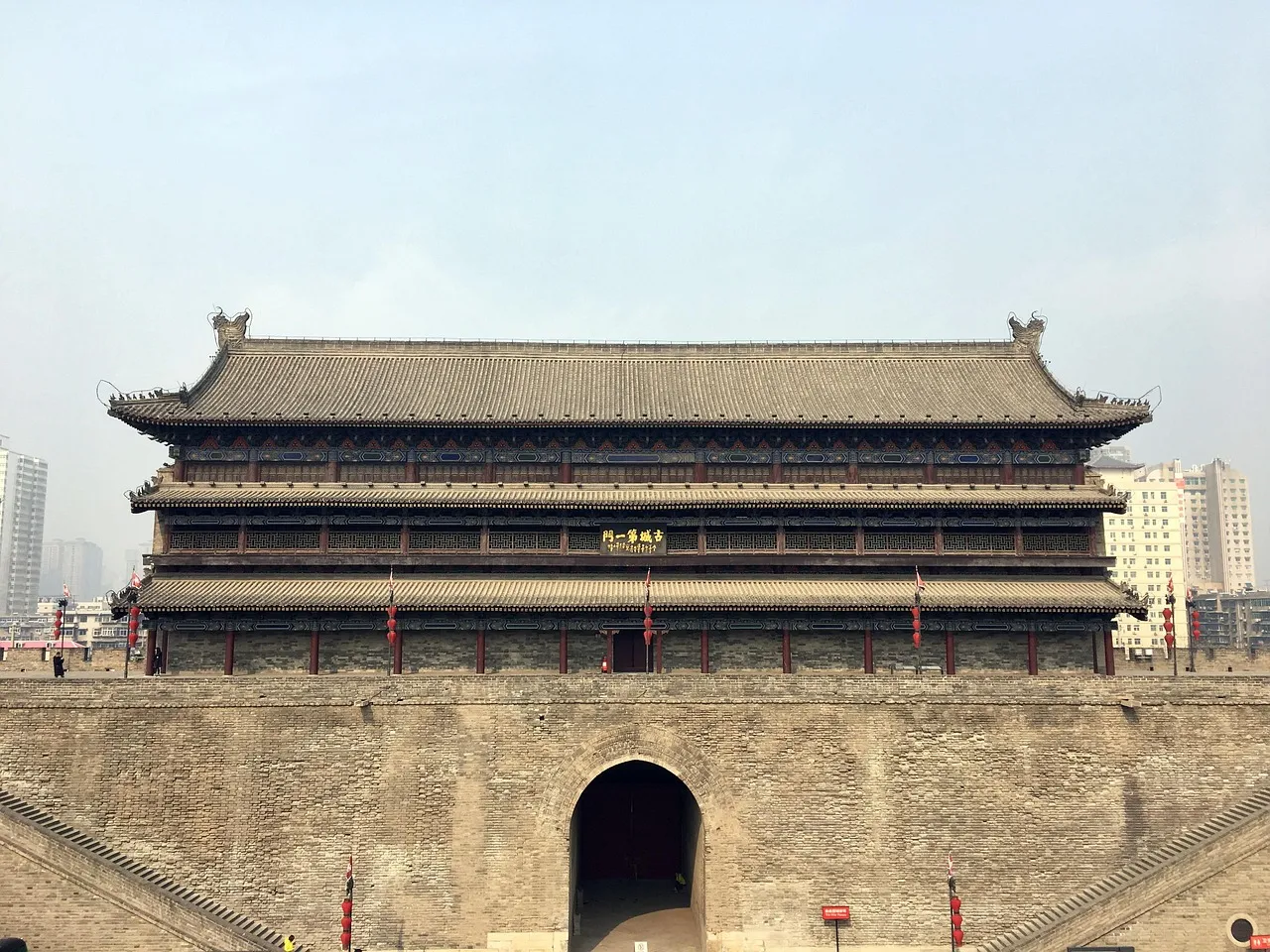
| Ancient City Wall | Line 2 | Yongningmen | Exit A1: This puts you right at the South Gate, the most grand entrance for cycling the wall. |
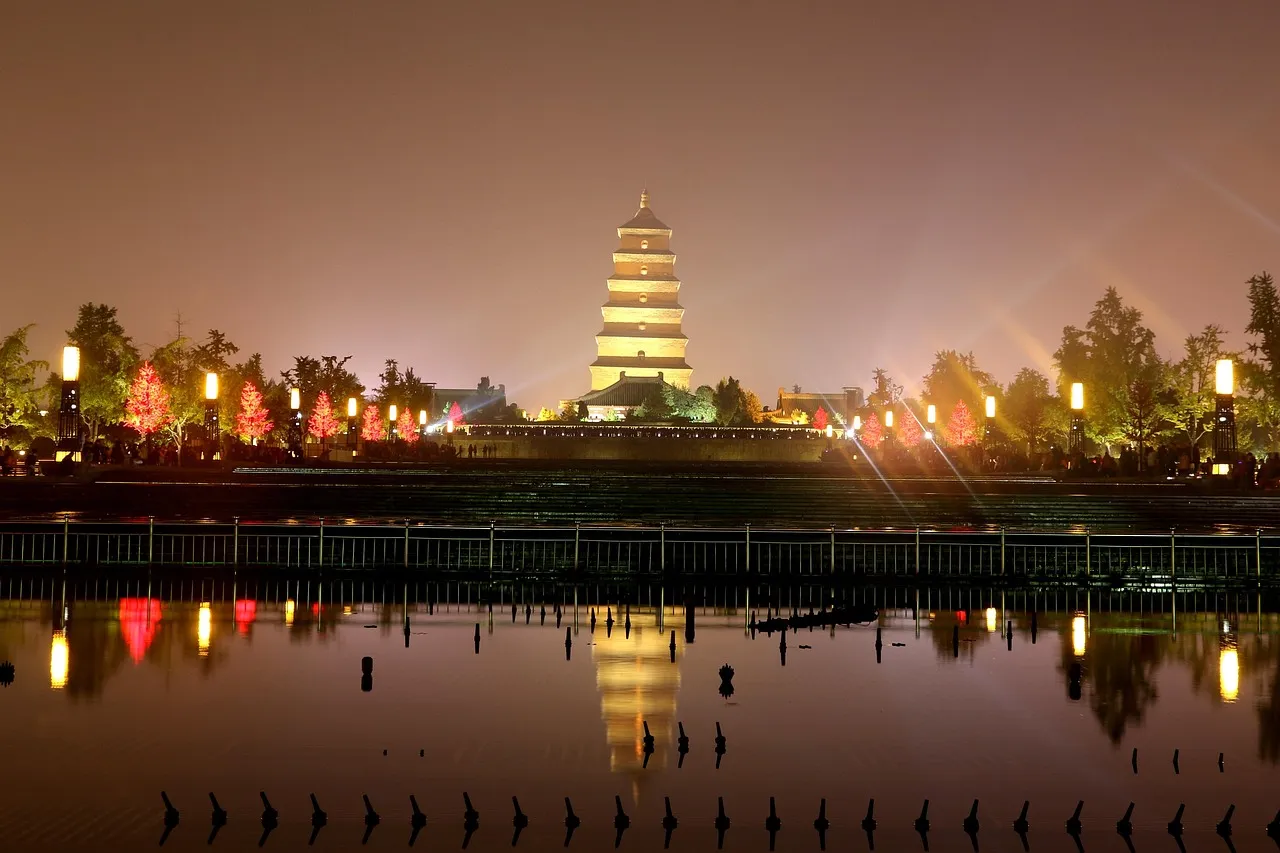
| Big Wild Goose Pagoda | Line 3 / 4 | Dayanta | Exit B or C: Opens onto the North Square (famous for the fountain show). |
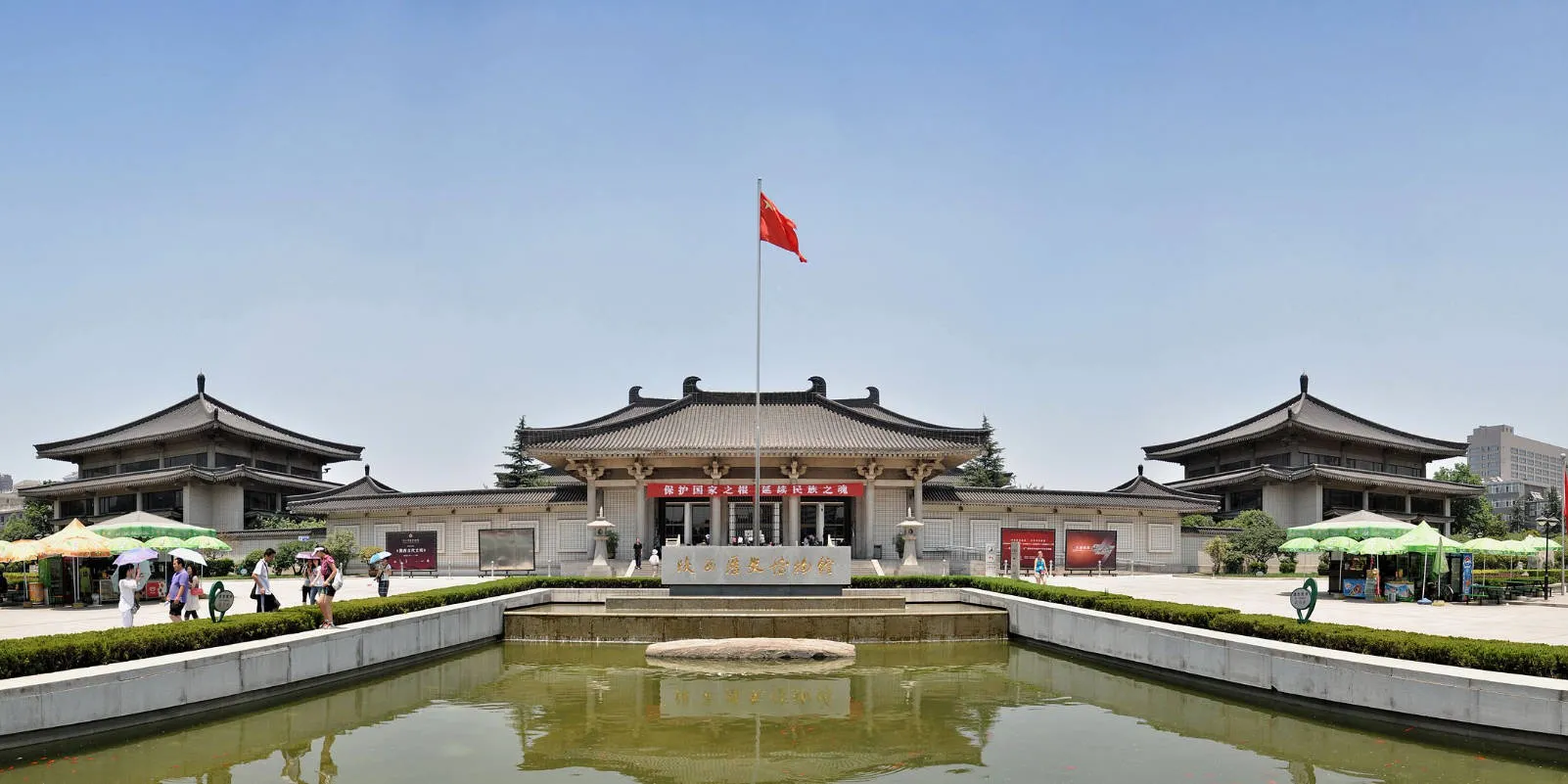
| History Museum | Line 2 / 3 | Xiaozhai | Exit E: Walk east for 5–10 minutes. (Line 3/4 Dayanta Exit A is also a 10-min walk). |
| Tang Paradise | Line 4 | Datang Furongyuan | Exit A: Drops you right at the gate of this massive Tang-style theme park. |
| Daming Palace | Line 4 | Daminggong | Exit A: Direct access to the Tang Dynasty imperial palace park. |
The "Terracotta Army" Route (Important)
While Metro Line 9 is the "Warriors Line," it does not go all the way to the museum.
-
Take Line 1 to Fangzhicheng (the eastern terminus).
-
Transfer within the station to Line 9.
-
Get off at Huaqing Pool (Huaqingchi) station.
-
Exit the station and look for the official shuttle buses (602 or 613). Avoid "private" drivers offering rides; the city buses are frequent and cost only a few yuan.
-
🏺 Pro Tip: The New Way to the Terracotta Army (Line 9) You no longer have to navigate the confusing public bus stations downtown! The fastest, scam-free way to reach the Terracotta Warriors in 2026 is via the Metro. Take the newly opened Line 9 (Orange Line) all the way to Huaqing Pool Station (华清池). From Exit C, it is a very cheap and clearly marked 15-minute ride on Lintong Bus 613 or a short DiDi/taxi ride directly to the museum entrance.
The Central Hub: Bell Tower (Zhonglou)
The Bell Tower Station is the most complex in the city. It serves as an underground mall and pedestrian tunnel.
-
For the Bell Tower: Follow signs for the ticket office inside the station to climb the tower.
-
For the Drum Tower/Muslim Street: Follow Exit B.
-
For Luxury Shopping: Follow Exit D for Kaiyuan Shopping Mall (which has a famous balcony view of the Bell Tower).

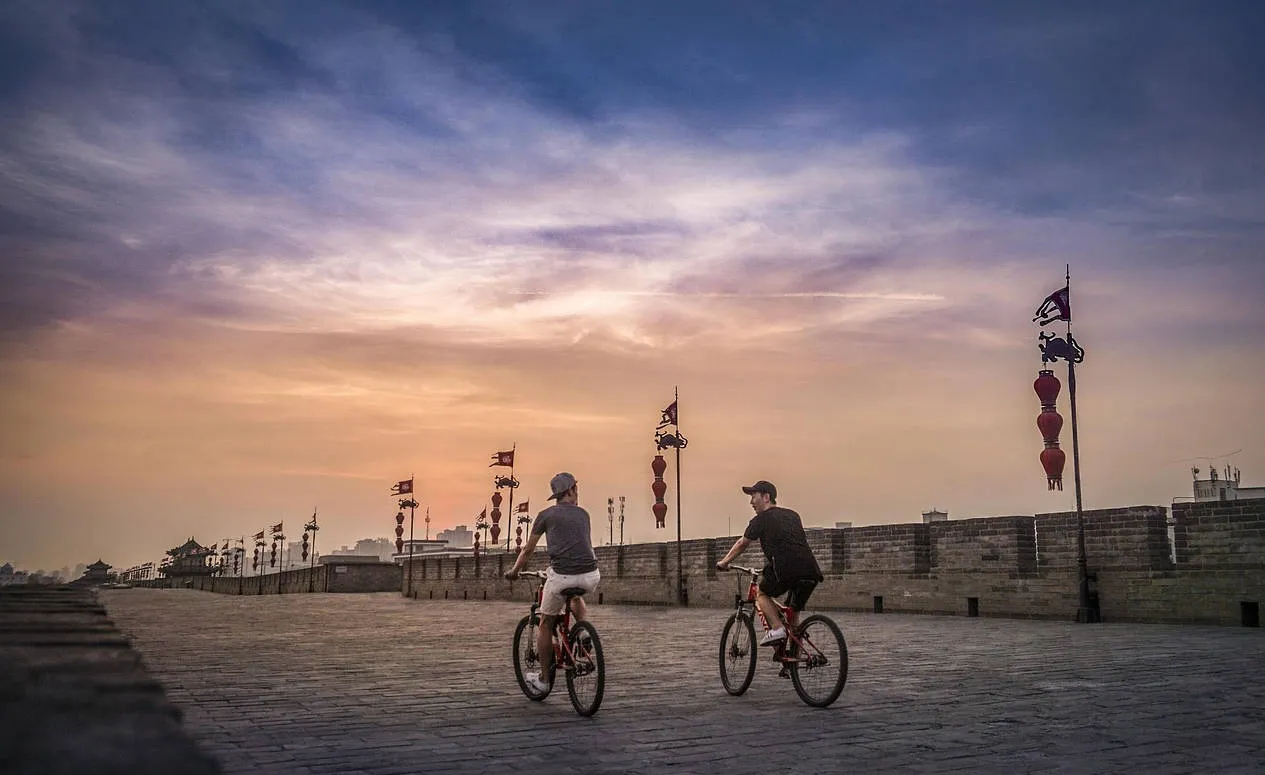
The Ancient City Wall: Perfect for Panoramic Views
The wall has four main gates (North, South, East, West), but the South Gate (Yongningmen) is the most popular for tourists due to its grand entrance and proximity to other sites.
| Access Point | Metro Line | Station Name | Best Exit |
| South Gate (Main) | Line 2 | Yongningmen | Exit A1 (Leads directly to the gate plaza) |
| North Gate | Line 2 | Anyuanmen | Exit D (Short walk to the gate) |
| West Gate | Line 6 | Guangjimen | Exit A (About a 10-minute walk to the gate) |
| East Gate | Line 1 / 6 | Changlemen | Line 1: Exit A or Line 6: Exit F |
Pro-Tips for Sightseeing
-
The "Double Station" Trick: For the Shaanxi History Museum, if the crowds at Xiaozhai (Line 2) are too heavy, use Dayanta (Line 3/4) and walk 10 minutes west. It’s often a more pleasant walk through the park.
-
Avoid Mondays: Like many world museums, the Shaanxi History Museum is closed on Mondays. The Metro will still be running, but the site will be shut.
-
Late Night Returns: If you are watching the fountain show at the Big Wild Goose Pagoda, the last trains on Line 3 and 4 depart around 11:30 PM.
Xi’an Xianyang International Airport, Line 14
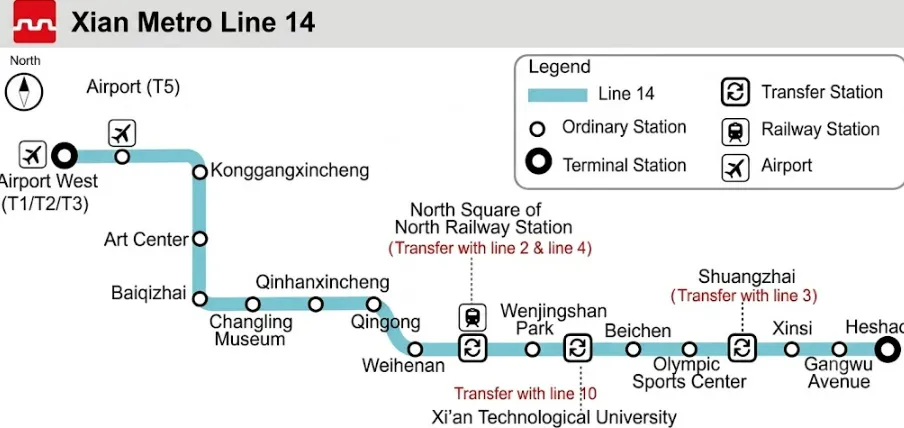
Xi’an metro Line 14 runs between Heshao in the east and Airport West (T1/T2/T3) in the west, linking Xi’an Xianyang International Airport, North Railway Station, Olympic Sports Center, Art Center... Stretching around 43 kilometers (27 miles), Xi’an subway line 14 contains 18 stations. A single trip takes around 54 minutes, operating from 06:00 to 23:26. At Airport T5 station, Xi'an Western Airport Museum, the first museum inside an airport in the world, has opened. The museum possesses the exquisite national cultural relics from Qin Dynasty and Tang Dynasty.
Useful Tips for Foreigners
Navigating the Xi'an Metro is smooth for foreigners, but a few local "hacks" can make the difference between a stressful commute and a pro-level journey.
-
Security Checks: Every station requires a bag security scan. It is quick but mandatory.
-
Avoid Rush Hour: Try to avoid 07:30–09:00 and 17:30–19:30, as trains become extremely crowded.
-
App Map: Download Amap (Gaode) or Baidu Maps. Even if the interface is in Chinese, they provide the most accurate real-time metro schedules. Apple Maps works well for English users in China.
-
Toilet Facilities: Almost every station has a public restroom (usually located near the ends of the platforms or near the exits).
-
WIFI: Most stations offer free public Wi-Fi, though it usually requires a Chinese phone number to login.
The Xi'an Metro is the "circulatory system" of this historic city. By using Alipay or WeChat Pay, you can skip the ticket lines and explore the wonders of the Silk Road starting point like a local.
Ready to explore? Head to the Bell Tower station and start your journey through 3,000 years of history!
Related guide: Chengdu Metro Guide; Beijing Metro Guide
Frequently Asked Questions (FAQ)
Q: What are the operating hours?
A: Approximately 6:00 AM to 11:00 PM daily, varying slightly by line and station. Last trains depart around 10:30 PM.
Q: Can I take luggage on the metro?
A: Yes, but items over 30cm x 40cm x 60cm may require additional fare. Avoid rush hours with large luggage.
Q: Is there Wi-Fi on the metro?
A: Yes, free Wi-Fi is available at all stations (connect to "XIAN METRO FREE WIFI"). On-train Wi-Fi is being rolled out gradually.
Q: What if I get lost or miss my stop?
A: Get off at the next station and consult the station map. You can exit and re-enter with the same ticket within the paid area if you haven't left the system.
Q: Are there restrooms in stations?
A: Yes, all stations have free public toilets, typically near the exits or transfer corridors.
Q: Can I use the metro to get to the airport?
A: Yes! Airport Line 14 connects directly to Xi'an Xianyang International Airport. Take Line 14 from the North Railway Station or transfer from Line 2 at Xianyuanlu Station.
Q: What's the best way to travel with children?
A: Children under 1.3m (approximately 4'3") travel free when accompanied by an adult. Strollers are permitted.
Q: Is the metro safe?
A: Very safe, with cameras, staff, and police presence.