Planning to fly within China? Read our 2026 guide covering domestic flight rules, strict power bank (Wh) limits, liquid bans, and how to use your passport as an e-ticket.
Flying in China in 2026 offers an efficient way to traverse the world's most populous country, with a vast network of domestic and international routes connecting bustling megacities to remote wonders. Whether you're jetting from Beijing to Shanghai or arriving from abroad, understanding these air travel in China tips can make your journey smoother and stress-free.
📌 The Top 3 Survival Rules for Flying in China
-
No Paper Tickets: China is 100% digital. Your physical Passport is your ticket. You must present it at check-in, security, and the boarding gate.
-
The Power Bank Rule: Do NOT put power banks in your checked luggage. Carry them in your hand luggage, ensure they clearly display a capacity of under 100Wh (approx. 27,000 mAh), and never use them during the flight.
-
Arrive Very Early: Security lines and gate distances at mega-hubs like PVG and PEK are massive. Arrive a minimum of 2 to 2.5 hours early for domestic flights.
Fact 1: China's Major Airlines Dominate the Skies
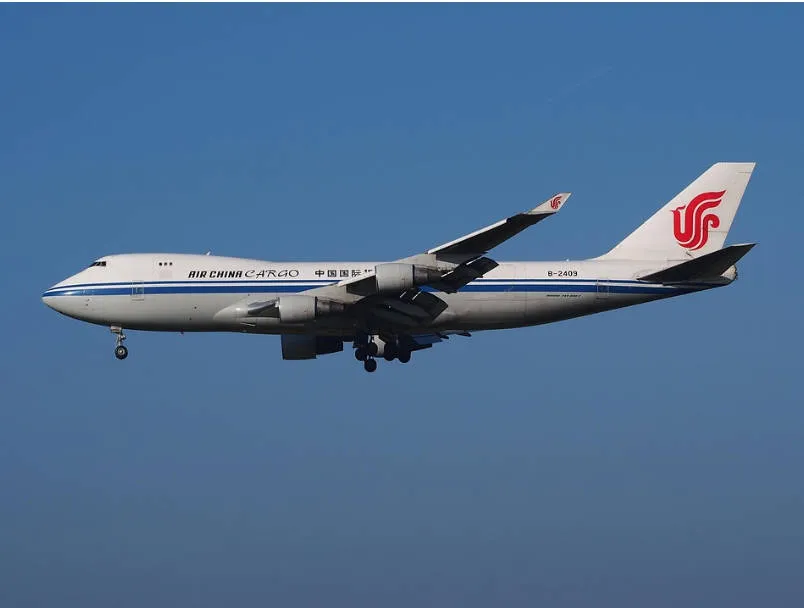
China boasts some of the world's largest airlines, perfect for both domestic flights in China and international connections. Top carriers include China Southern Airlines (based in Guangzhou, the largest by fleet size), China Eastern Airlines (hubbed in Shanghai), Air China (Beijing-based, with extensive global routes), Hainan Airlines (known for top service rankings), and Sichuan Airlines (strong in western China). These airlines offer modern fleets with English-speaking staff, in-flight entertainment, and frequent flyer programs. In 2025, China Southern leads domestic routes, while Air China operates over 113 international routes to 45 countries. For budget options, consider Spring Airlines or Shenzhen Airlines. Tip: Join loyalty programs for perks like priority boarding.
Fact 2: The Busiest Airports Handle Millions Annually
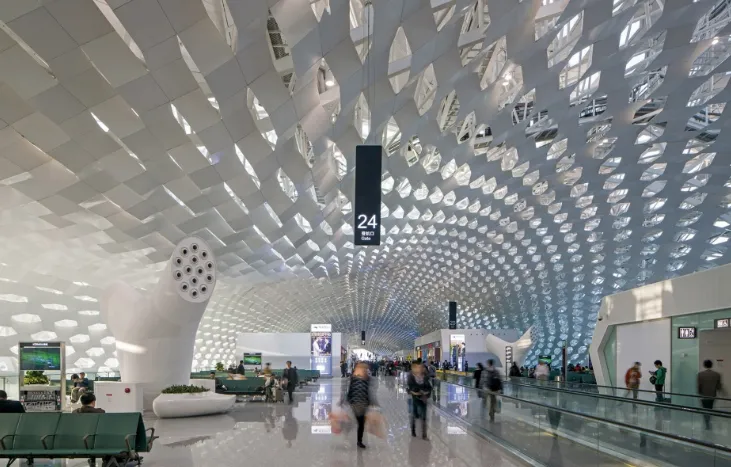
China's airports are among the world's busiest, with Shanghai Pudong International (PVG) topping the list, followed by Guangzhou Baiyun (CAN), Beijing Capital (PEK), and Shenzhen Bao'an (SZX). These hubs manage massive passenger volumes—Pudong alone sees over 70 million travelers yearly in 2025 projections. International arrivals often land at PVG or PEK, while domestic flights connect via Chengdu Tianfu (TFU) or Xi'an Xianyang (XIY). Airports feature modern amenities like high-speed Wi-Fi, shopping, and lounges, but expect long walks between gates. Pro tip: Download airport apps for real-time maps and use facial recognition for faster check-ins in major hubs.
Fact 3: Book Flights Early During Peak Seasons
To save on air travel in China, fly off-season (e.g., November to March, excluding holidays) for discounts up to 50% on domestic routes. Avoid national holidays like Chinese New Year (Chunyun) or Golden Week, when prices skyrocket and flights sell out—billions travel during these periods. Last-minute deals are possible due to cancellations, but book 2-3 months ahead for peak times. Connecting flights are cheaper than direct ones, and apps like Trip.com offer flexible rebooking. In 2026, international flights to Shanghai and Beijing are increasing, making advance planning key.
Fact 4: Understand Baggage Allowances to Avoid Fees
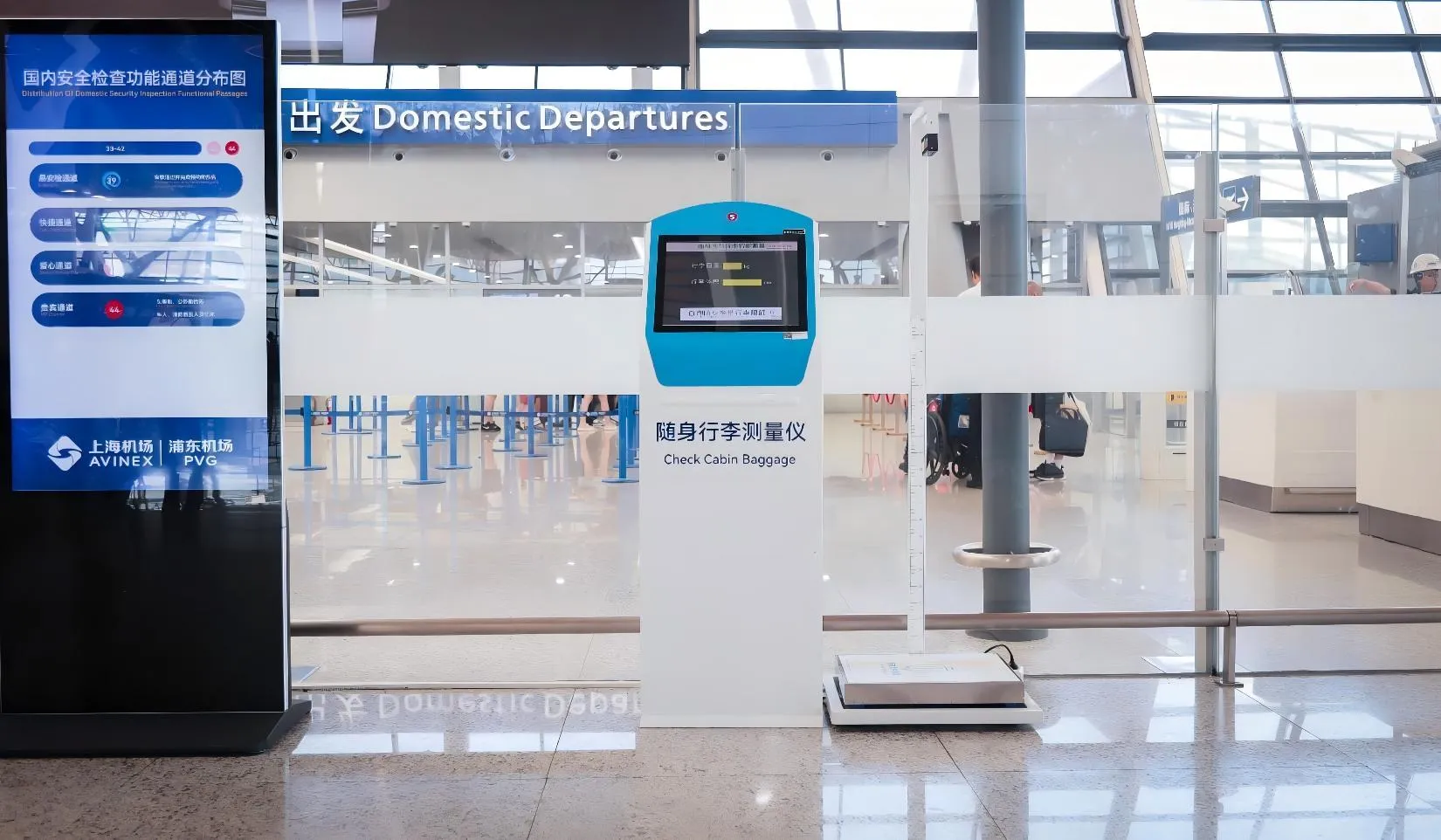
Baggage rules for flying in China vary by airline and class. For domestic flights, economy passengers typically get one free checked bag (up to 20-23kg) and one carry-on (up to 5-10kg, dimensions around 55x40x20cm). International flights allow two pieces (23kg each) in economy or 32kg in business. Infants get 10kg free. Overweight fees start at 1.5% of the ticket price per kg. Always check airline specifics—e.g., China Airlines uses piece-system for some routes. Pack light to avoid hassles at check-in.
Fact 5: Multiple Security Checks are Standard
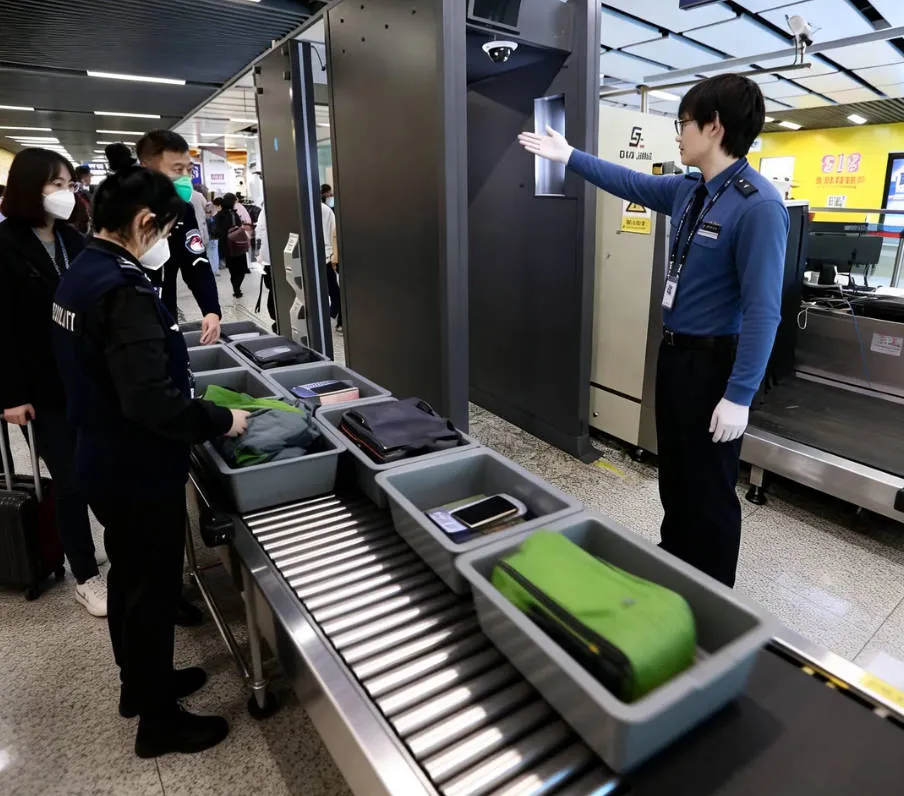
Security procedures in China are rigorous, with multiple scans: a preliminary scan at the terminal entrance (explosive trace detection, bag X-ray, and sometimes pat-downs) followed by the full main security screening before gates. This "double check" contributed to longer waits and a reputation for rigorous processes.
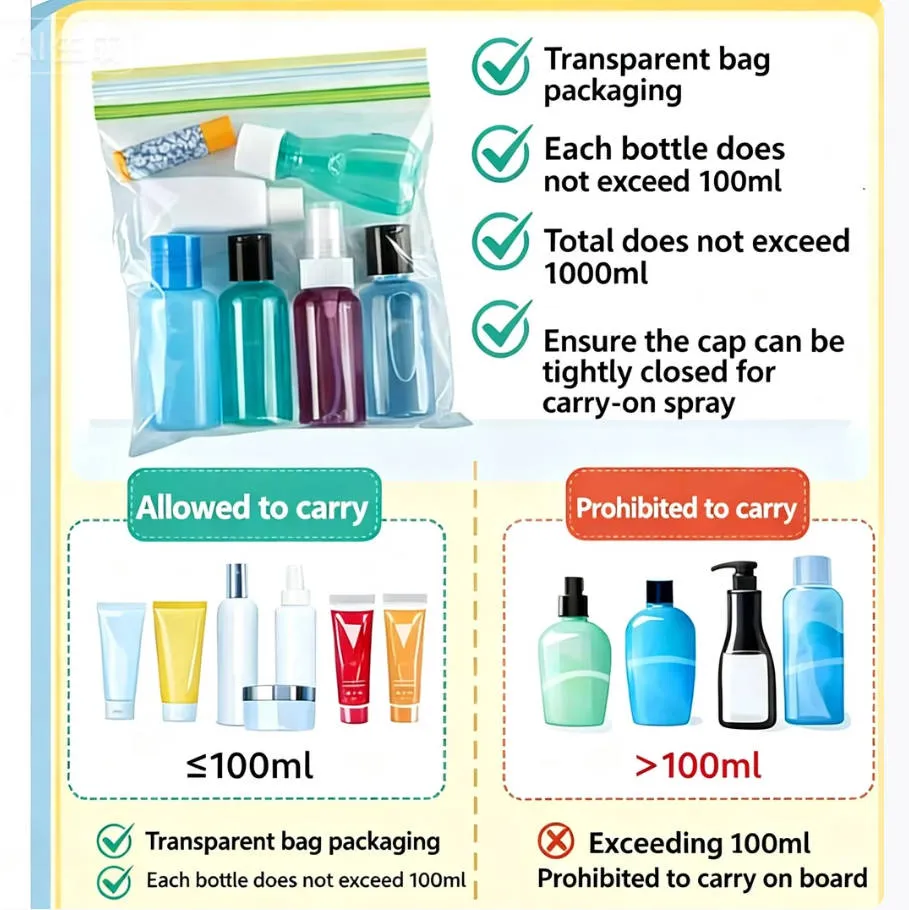
Fact 6: Strict Liquid Rules
China has some of the strictest liquid rules in the world for air travel, particularly on domestic flights, where carry-on liquids are largely prohibited—a rule far tougher than the global 100ml/3-1-1 standard. In late 2025, these regulations remain firmly in place under the Civil Aviation Administration of China (CAAC), with no major relaxations announced.
Fact 7⚠️: Critical Security Warning: Power Banks (Lithium Batteries)
Chinese airport security is notoriously strict about power banks.
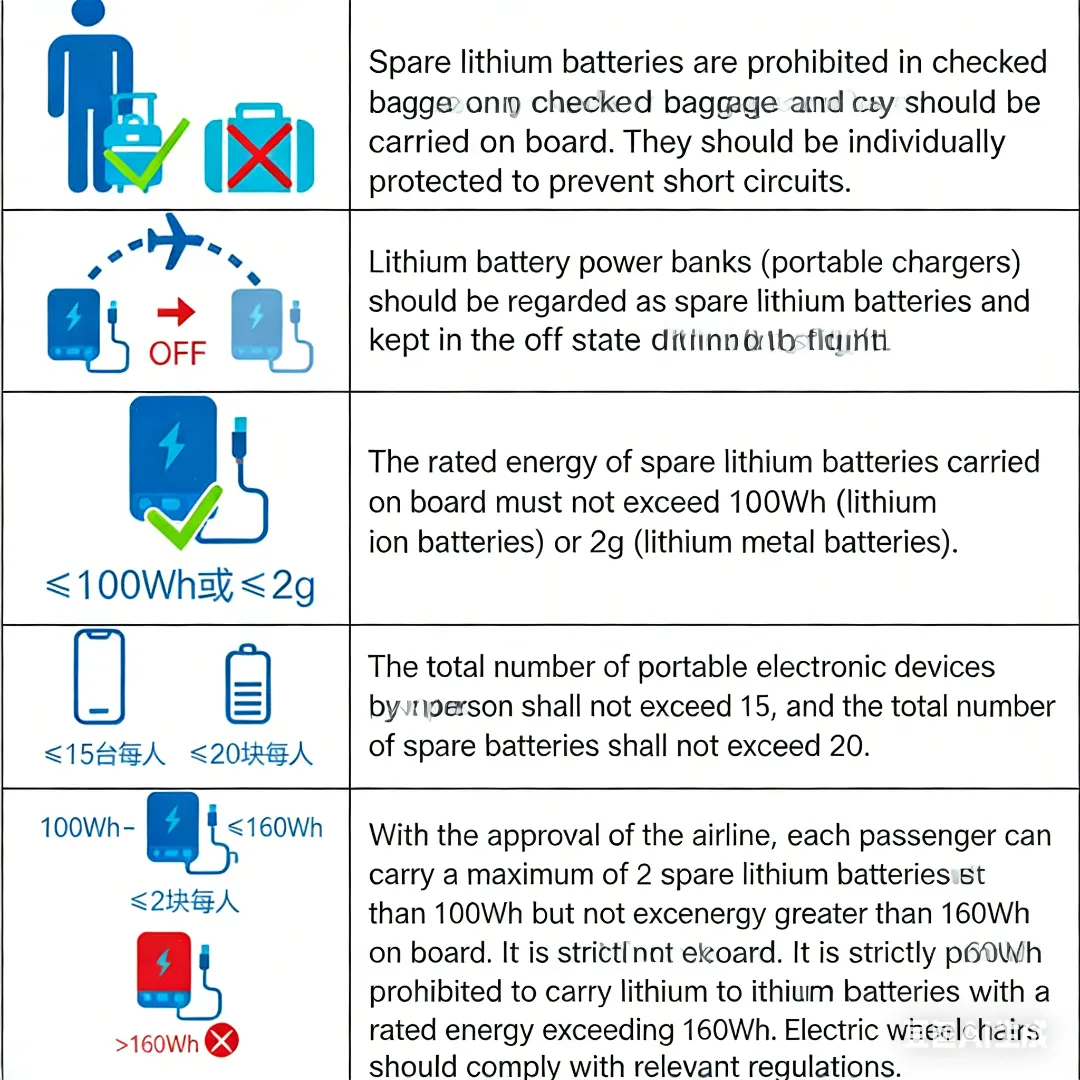
For domestic flights in China, power banks must be under 100Wh and carried in hand luggage only—no checked bags. Those 100-160Wh need airline approval, and over 160Wh are banned. They must have CCC certification if made in China. Lithium batteries in devices are okay if under 2g lithium content. Violators face confiscation or flight denial—charge them before flying.
- Where: They MUST be in your carry-on bag. If you put one in your checked luggage, your bag will be held, and you will be pulled aside.
-
The Limit: The capacity must be clearly printed on the device and be under 100Wh (roughly 27,000 mAh). If the label is scratched off or faded, it will be confiscated instantly.
-
Usage: It is strictly forbidden to use your power bank to charge devices while on board the aircraft.
Fact 8: Flight Delays are Common—Plan Accordingly
Delays plague Chinese flights, often 30-60 minutes or more due to air traffic, weather (e.g., fog in Beijing), or military airspace restrictions. In 2026, with passenger numbers rising, expect this on busy routes like Shanghai-Beijing. Airlines provide meals for delays over 2 hours. Use apps for updates, and build buffer time into itineraries. Turn delays into opportunities with visa-free tours during layovers.
Fact 9: In-Flight Meals Reflect Local Cuisine
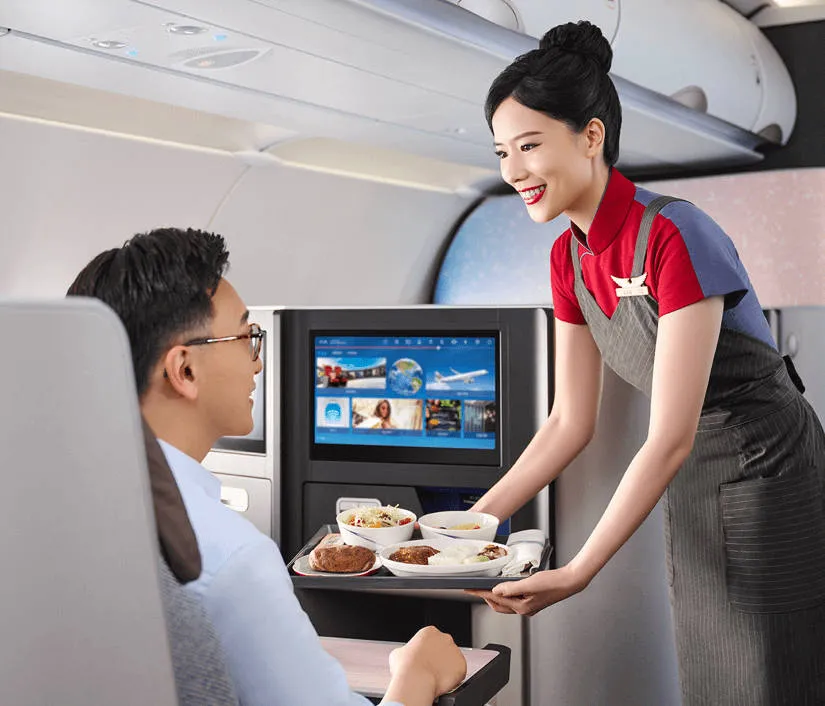
Meals on Chinese airlines are complimentary on most flights over 2 hours, featuring rice, noodles, or stir-fries—reasonable but not luxurious. Request special meals (vegetarian, halal, kosher) 24-48 hours in advance. Beverages include tea, soda, and beer. International routes offer more Western options. Pack snacks if picky, as options vary by carrier like Air China's global menu.
Fact 10: Wi-Fi and Entertainment Vary by Airline
In-flight Wi-Fi is available on major carriers like Hainan and China Eastern, but often paid and slow—free on some domestic routes. Entertainment includes seatback screens with movies, games, and music (Chinese-heavy, with English subtitles). Download content offline, as global apps like Netflix are blocked without a VPN. Expect USB ports for charging.
Fact 11: Use Trip.com for Seamless Booking
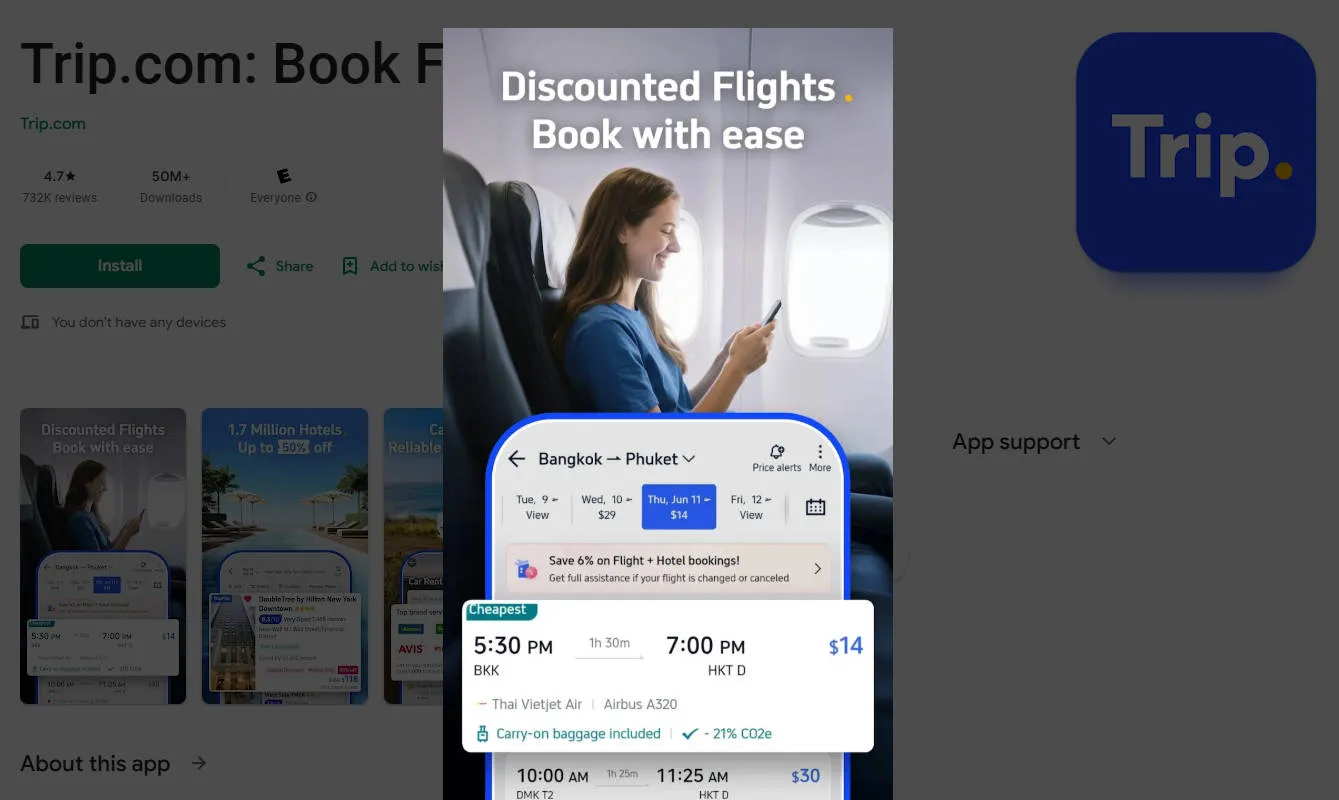
For foreigners, Trip.com is the go-to platform for booking flights in China, offering English interfaces, real-time changes, and integration with hotels/attractions. It handles delays by suggesting alternatives without extra fees. Alternatives include Ctrip or airline apps, but Trip.com excels for international cards.
Fact 12: Alipay and WeChat Pay for Payments
China is cashless—use Alipay for airport purchases, tickets, and rideshares; it links international cards easily. WeChat Pay requires a local number. Credit cards work at major airports but with fees. Download apps pre-trip for seamless transactions.

Fact 13: Visa-Free Policies are Expanding
As of 2025, China has significantly expanded its visa-free entry for citizens of many countries (including many European and Asian nations) for up to 15 or 30 days. Additionally, the 144-hour and 240-hour (10-day) visa-free transit policies are available in major hubs like Shanghai, Beijing, and Chengdu for transiting passengers.
Fact 14: Your Passport is Your Ticket
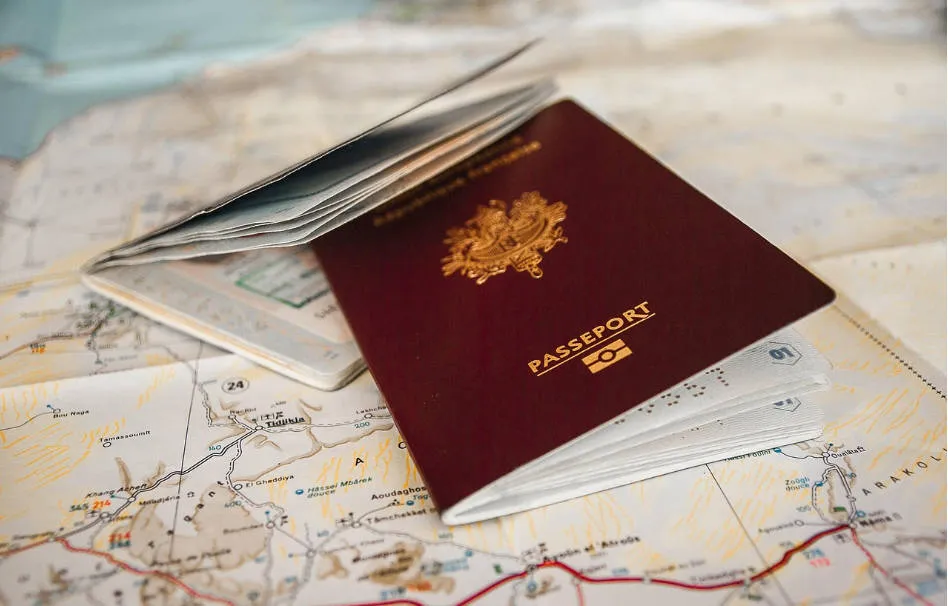
China uses an e-ticket system linked to your ID. For domestic flights, you don't necessarily need a paper ticket; your passport is the only document required at check-in and security. Ensure the name on your booking matches your passport exactly.
Fact 15: English Signage is Standard
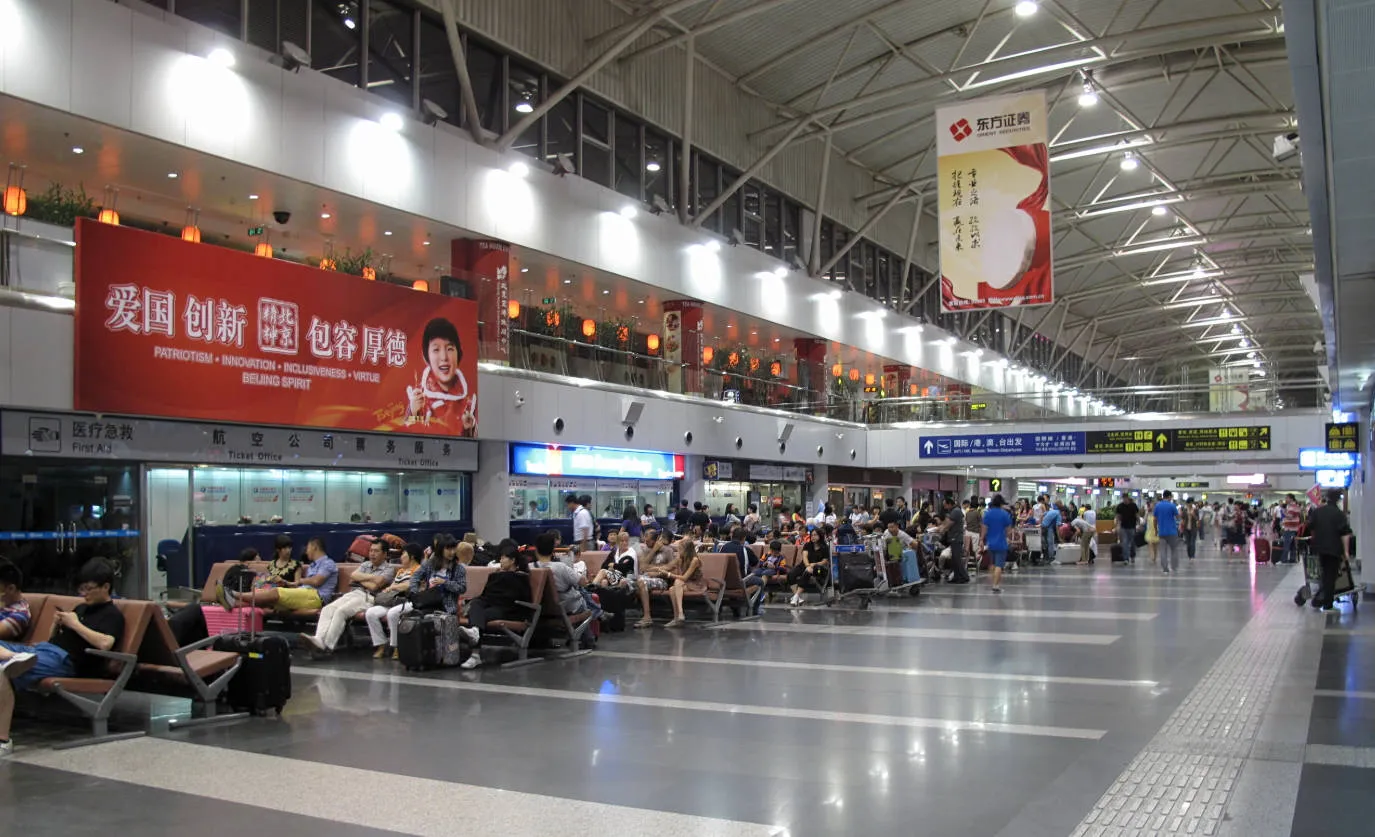
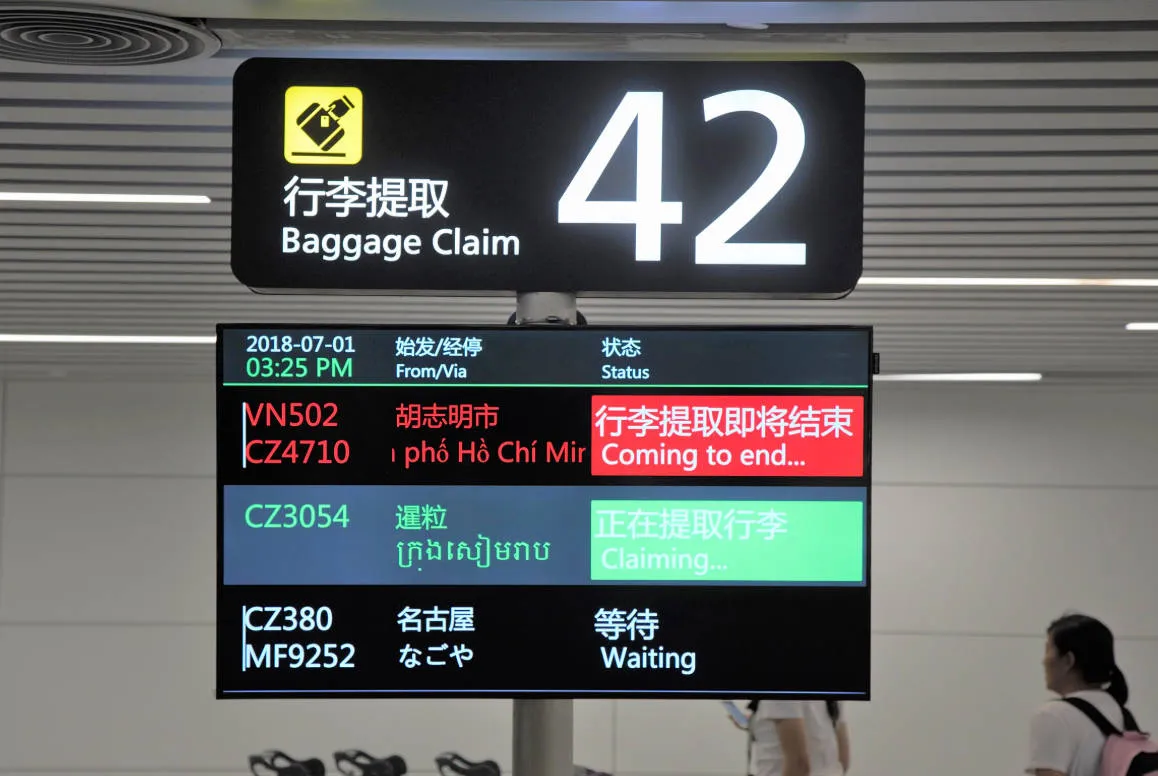
English signage is standard and widespread in China's major international airports, including Beijing Capital (PEK), Beijing Daxing (PKX), Shanghai Pudong (PVG), Shanghai Hongqiao (SHA), and Guangzhou Baiyun (CAN). These hubs prioritize bilingual (Chinese-English) signs to accommodate international travelers, making navigation generally straightforward for English speakers.
Fact 16: Airspace is Tightly Controlled
China's airspace is tightly controlled, primarily by the People's Liberation Army (PLA), which oversees the majority of the nation's skies—a unique arrangement compared to most countries where civilian aviation has priority. This has significant implications for commercial flights, contributing to frequent delays and restricted routing.
Fact 17: The "Air-Rail" Connection
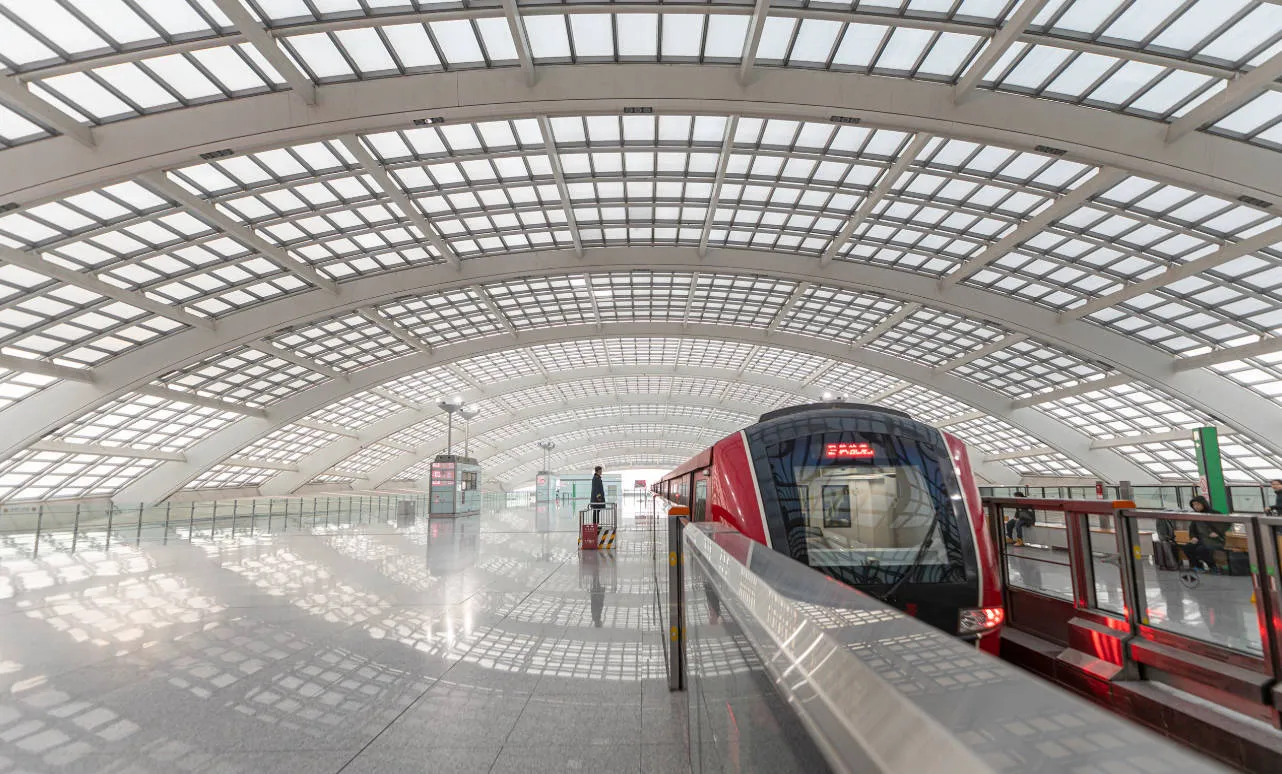
China leads the world in air-rail integration, with seamless "air-rail" intermodal connections at many major airports. This system combines high-speed rail (HSR) with aviation, making transfers quick, efficient, and often faster than short-haul flights when factoring in airport time. In 2026, over 80 hub cities support air-rail intermodal transport, driven by China's massive HSR network (over 50,000 km) and booming aviation sector.
Fact 18: Arrive Early: Much Earlier Than You Expect
While many international airports recommend 2 hours for domestic and 3 hours for international flights, China's major hubs often demand more buffer time due to massive crowds, thorough security procedures, and unpredictable queues. Travelers frequently report that arriving "on time" by Western standards can lead to stress, rushed connections, or even missing flights.
Fact 19: No Compensation Like EU Rules
The statement "No Compensation Like EU Rules" is largely accurate for flying in China in 2026. Unlike the European Union's EU261/2004 regulation, which mandates fixed cash compensation (up to €600 per passenger) for delays over 3 hours, cancellations, or denied boarding when the airline is at fault, China's passenger rights under the Civil Aviation Administration of China (CAAC) are far less generous and standardized. There is no mandatory, substantial cash payout comparable to EU levels—compensation is limited, discretionary, airline-specific, and often excludes common causes like military airspace restrictions or weather.
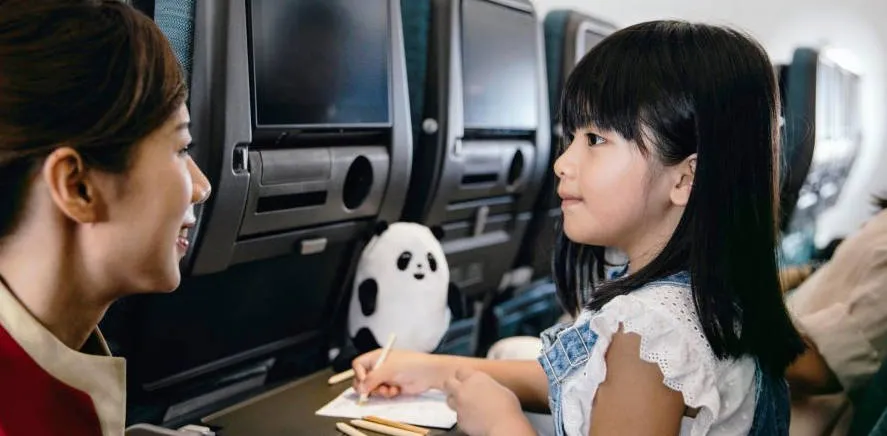
Fact 20: Child & Pet Policies
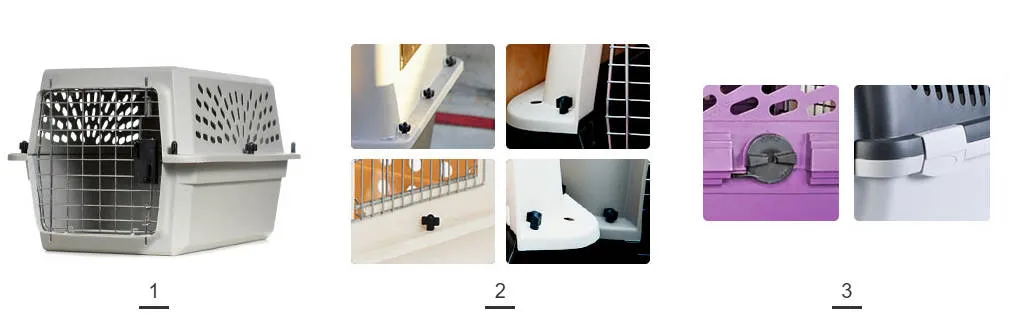
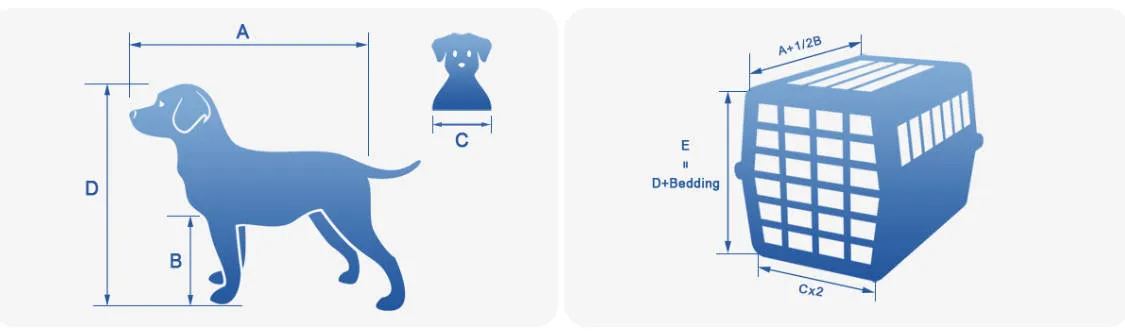
China has specific and often strict policies for traveling with children and pets on flights in 2026, regulated by the Civil Aviation Administration of China (CAAC) and individual airlines. These rules prioritize safety, with limited quotas for infants, special fare structures, and restrictive pet transport options. Major carriers like Air China, China Eastern, and China Southern align closely, but always confirm with your airline as policies can vary slightly by route (domestic vs. international).
Related guide: Bringing Pets to China: Quarantine Exemption & Titer Test
Frequently Asked Questions (FAQ)
Q1: What are the baggage limits for domestic flights in China?
A: Typically 20kg checked + 5kg carry-on.
Q2: Is Wi-Fi free on Chinese airlines?
A: It varies; often paid on international routes.
Q3: Do I need a visa for transit in China?
A: No, for 72-144 hours in eligible cities.
Q4: Is flying in China safe?
A: Yes. China’s aviation safety record is strong, and major airlines follow international safety standards. Airports are modern and well regulated.
Q5: How early should I arrive at a Chinese airport?
A: For domestic flights, arrive at least 2 hours before departure. For international flights, 3 hours is recommended due to strict security and document checks.
Q6: Do foreigners need a Chinese ID to fly?
A: No. Foreign travelers can fly using a passport.
Q7: Is smoking allowed in airports?
A: No. Smoking is strictly prohibited inside terminals and aircraft. Penalties can be severe if caught.
Q8: What should I do if my luggage is lost?
A: Report it immediately at the airline’s baggage service counter.
Q9: Are seat selections free?
A: Not always. Some airlines charge extra for advance seat selection or restrict it until airport check-in.
Q10: Is it easy to transfer between flights?
A: Transfers can be time-consuming due to security and passport checks. Allow at least 2–3 hours for domestic-to-international connections.
In conclusion, these 20 essential facts about flying in China equip you for a hassle-free adventure in 2026. Whether exploring ancient sites or modern cities, plan ahead and embrace the efficiency of China's aviation system. Safe travels—book your next flight today! For more tips, check resources like Trip.com or official airline sites.