Relocating a pet to China can feel overwhelming, especially if it’s your first time flying internationally with a dog or cat. Between vaccination rules, health certificates, airline policies, breed restrictions and varying customs procedures at different Chinese airports, the process is detailed and time-sensitive. This guide is designed to walk you through every step—clearly and practically—from preparing documents months in advance to choosing the right port of entry, understanding quarantine rules, navigating domestic transfers, and registering your pet once you’ve arrived. Whether you’re moving home, starting a new job, or embarking on a long-term stay in China, this comprehensive roadmap will help ensure your furry companion travels safely and arrives smoothly by your side.
How to Avoid the 30-Day Pet Quarantine
To enter China without your pet being sent to a quarantine facility, you MUST fulfill all four of these conditions:
-
ISO Microchip: The pet must have a 15-digit ISO 11784/11785 microchip (implanted before the rabies vaccine).
-
Rabies Vaccine: Two valid rabies vaccinations (the second administered within the validity period of the first).
-
Titer Test (FAVN): A Rabies Antibody Titer Test showing ≥ 0.5 IU/ml, processed by an OIE-approved laboratory.
-
Designated Port: You must fly directly into a designated port equipped with quarantine facilities (e.g., Beijing PEK, Shanghai PVG, Guangzhou CAN) in case an inspection is required.
***UNLESS A PET CAN MEET ALL OF THE REQUIREMENTS ABOVE (as outlined in the “Pet Dogs and Cats for Entry into ANY Port and No Quarantine Required” dropdown menu), IT MUST ENTER THROUGH A DESIGNATED PORT, OR IT WILL BE EUTHANIZED OR RETURNED TO THE Country of Departure.
1.1 Overview: Understanding China's Pet Import Policy
The primary goal of China Customs is to ensure all incoming pets are free of rabies and other communicable diseases. Crucially, China currently only accepts dogs and cats as imported pets; other animal species are generally prohibited. The current regulations provide two primary pathways upon arrival: Quarantine Exemption (QE) or Mandatory Quarantine.
1.2 Key Rule & Limit
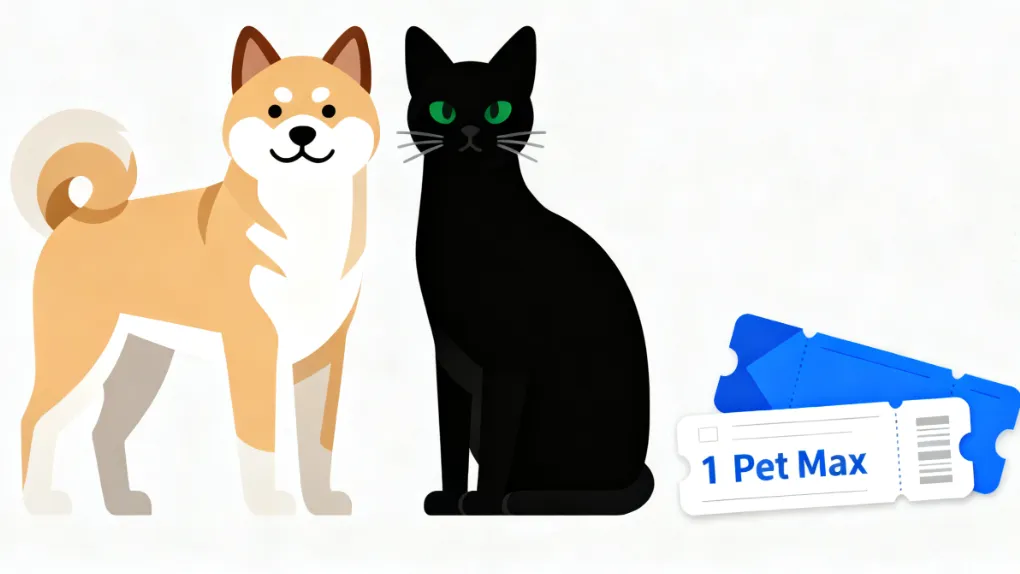
China strictly enforces a limit of One Pet Per Traveler/Household. If you are relocating two pets, two travelers must accompany them, each responsible for one animal.
All pets must meet these foundational health requirements, and failure to comply will result in mandatory quarantine.
2.1 The Foundational Requirements
-
Rabies Vaccination: This typically requires documentation of two shots (primary and booster), with the primary and subsequent shots administered more than 30 days apart (and within their validity period). The vaccination certificate must include the pet's microchip number and must be signed by a licensed veterinarian.
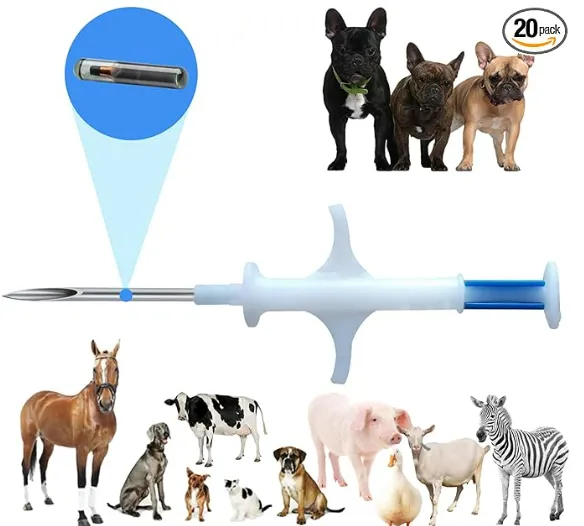
- Microchip Implantation: The microchip is the pet's primary identifier. It must be ISO Standard 11784/11785 compliant (15 digits long) and must be implanted before any qualifying rabies vaccination is administered. If your pet does not have an ISO compliant microchip, you will need to travel with a microchip reader that can read your pet’s microchip.
-
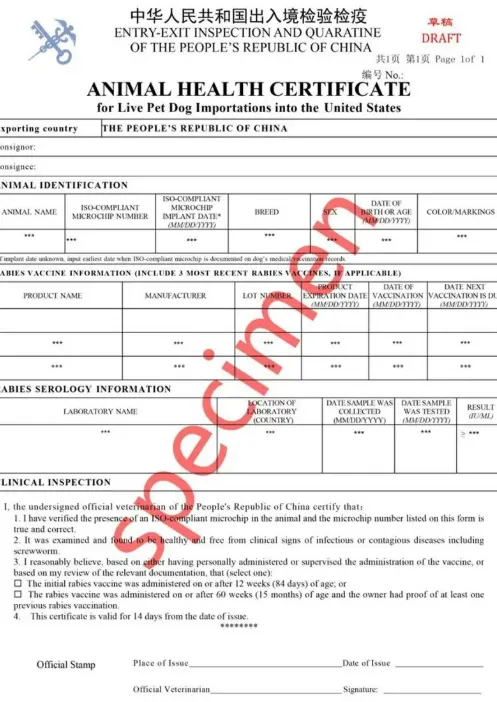
Health Certificate: The pet must be at least three months old to enter China. The traveler’s name must be on the pet’s veterinary health certificate (Ex: Consignor’s Name) and match the name on the traveler’s passport. Health certificates must be issued by your USDA or CFIA accredited veterinarian within 14 days of arrival in China, and be endorsed by USDA-APHIS or CFIA official veterinarian. 【US Health Certificate for Dog(s)】【US Health Certificate for Cat(s)】
Health certificates must contain all of the following information about the pet:- Microchip number, date and location of implantation
- Date of birth or age
- Rabies vaccine information, including:
- Type (inactive, modified or recombinant)
- Date of administration
- Date of vaccine validity expiration (MUST be valid at the time of arrival in China)
- Name of the vaccine administered
- Name of the vaccine manufacturing company
- Rabies antibody titer test information, including:
- Sample collection date (MUST be within one year of the date of arrival in China)
- Name of laboratory used
- Rabies titer test results
- Attestation that the pet has undergone clinical examination and is free of signs of disease.
2.2 Quarantine Exemption (QE) Pathway: Rabies Titer Test (RATT) and Designated Countries or Regions
The pet import policy divides all pets into two clearance pathways upon meeting the Foundational Requirements (2.1):
-
Pathway 1: Quarantine Exemption (QE) / Category I: Applies to pets from designated countries or regions. They are usually released immediately after a successful on-site inspection. Designated countries or regions list: New Zealand, Australia, Fiji, French Polynesia, Hawaii in the United States, Guam in the United States, Jamaica, Iceland, the United Kingdom, Ireland, Liechtenstein, Cyprus, Portugal, Sweden, Switzerland, Japan, Singapore, Hong Kong, China, and Macau, China.
-
Pathway 2: RATT & Classification / Category II: Applies to pets from non-designated countries or regions. They must provide a valid RATT report to qualify for Category I (QE). If a valid RATT report is not provided, the pet will be mandatorily quarantined for 30 days (see 4.3).
The ability to bypass mandatory quarantine hinges on two factors: the country of origin and a valid Rabies Antibody Titer Test (RATT).
-
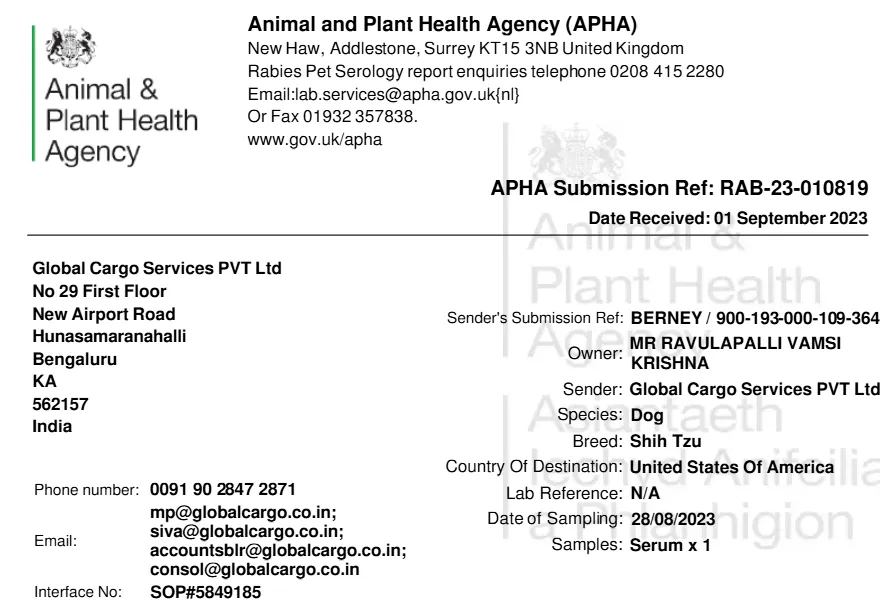
Rabies Titer Test (RATT): This blood test measures the level of rabies antibodies in your pet’s system. The result must show a value of 0.51IU/mL. Testing must occur on the same day as, or any day after administration of the second rabies vaccination. Rabies titer test sampling date, laboratory name and test results must be recorded on the health certificate, and are considered valid for UP TO ONE YEAR after the sampling date.
NOTE: Pets originating from Hawaii or Guam are exempt from the rabies titer testing requirement.
Scan QR code to view the list of laboratories whose test results are accepted by Chinese customs
2.3 Official Documentation
You must have the physical originals of all the following documents ready for Customs inspection:
-
Official Veterinary Health Certificate: Issued by the official authority of the exporting country (e.g., USDA/CFIA). This certificate must be dated and issued within 14 days of the pet's arrival in China.
-
Original Rabies Titer Test Report (dogs or cats from 19 non-designated countries or regions)
-
The Original Copy of Rabies Vaccination Certificate(s).
-
One photocopy of the traveler’s passport is required for each pet.
-
A digital photo of the pet printed on regular paper, and one photocopy, are also required. For large dogs it is best to have something in the photo to help judge the size of the animal.
-
Upon arrival, you will need to take the pet, fees, and all documents to the General Administration of Customs of the Peoples Republic of China (GACC) office at the airport and these documents may be kept by the Quarantine Officials.
3.1 6+ Months Out: Preparation Phase
-
Confirm your pet's microchip is ISO compliant. If not, implant one.
-
Administer the first rabies shot (if not already done).
3.2 3-4 Months Out: RATT Testing and the 90-Day Wait
-
Administer the second rabies shot (if required for boosters).
-
Blood Draw for RATT: This must be performed after the pet has received a qualifying rabies vaccination.
-
Receive RATT results (valid for 12 months).
-
Crucial Waiting Period Added: The pet cannot enter China until 90 days have passed since the blood sample was drawn for the RATT. This waiting period is mandatory, regardless of when you receive the results.
3.3 4 Months to 1 Month Out: Crate and Flight Logistics
-
Mode of Transport (In-Cabin vs. Cargo): For international flights entering China, pets almost always travel as checked baggage (AVIH) or manifest cargo. In-cabin travel is generally not permitted unless the pet is a certified Service Dog (see 5.2). Book and confirm space with your chosen airline early.
-
Airline Embargoes Warning: Be aware that most airlines enforce seasonal heat or cold embargoes which prohibit pet travel as checked baggage during periods of extreme temperature (typically summer and deep winter). This may affect your travel date selection.
-
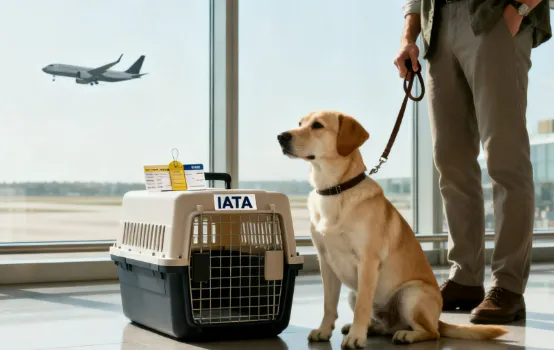
IATA Travel Crate Requirements: The kennel must comply with the International Air Transport Association (IATA) standards. This mandates: rigid construction (no collapsible crates), proper size (pet must be able to stand, turn around, and lie down naturally), secure locking mechanisms, proper ventilation on four sides, and attached food/water dishes.
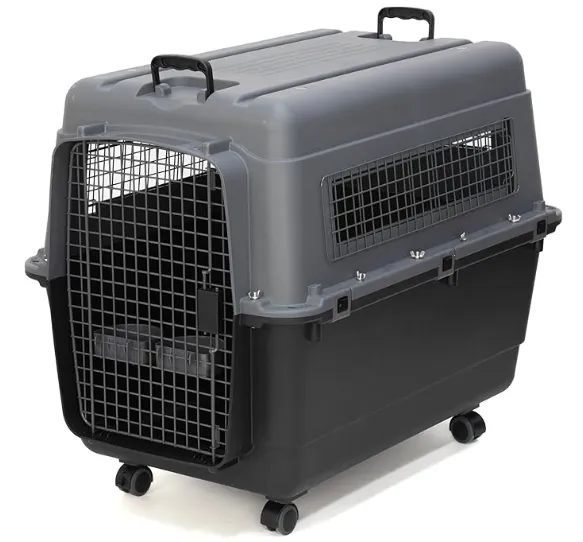 Image from Amazon, Copyright by original author
3.4 14-Day Window: Final Paperwork and Health Certificate
-
Secure the Official Veterinary Health Certificate from your country's official veterinary service.
-
Final review of all documentation and coordination with the airline.
4.1 International Arrival & Port of Entry Selection
-
The First Port Rule: Customs and quarantine clearance (the official import process) must happen at the pet's first port of entry into mainland China (e.g., Shanghai, Beijing, Guangzhou).
-
Quarantine Port Constraint (Crucial): If your pet falls under Category II (Mandatory Quarantine, in part 2.2 Quarantine Exemption (QE) Pathway: Rabies Titer Test (RATT) and Designated Countries or Regions)—meaning it does not meet the criteria for Category I QE (e.g., missing RATT report, RATT result is insufficient, or documents are invalid)—you must ensure your first port of entry is a designated port equipped with official quarantine inspection facilities. Not all international airports in China offer these mandatory isolation services. WARNING: If such a pet enters China at a port without mandatory quarantine facilities, the pet will be subject to mandatory return (repatriation) or destruction according to law.
-
Retrieval of Pet: After landing, you retrieve your pet from the checked baggage claim area or the designated cargo office, depending on how they were shipped.
⚠️ Critical Warning: The "One Pet Per Passport" Rule China Customs strictly enforces a policy of ONE pet per traveler per entry. If you are a single traveler trying to bring two dogs, the second dog will be denied entry or quarantined indefinitely. If you have multiple pets, you must have multiple adults traveling with you, and each pet must be registered under a different passport.
4.1.1 Transit and Re-Checking Rules
-
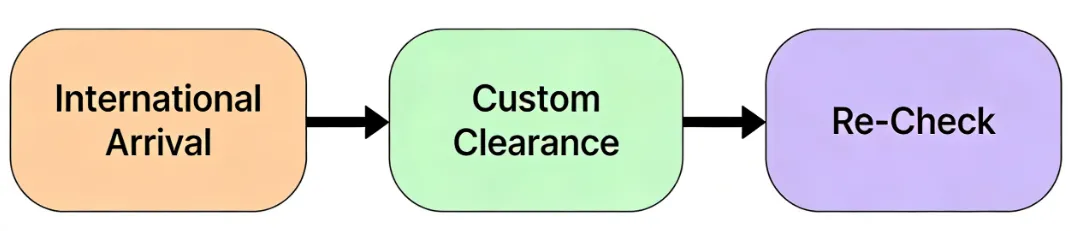
Customs Clearance & Re-Shipment: If your final destination requires a domestic connection (e.g., flying internationally into Shanghai and connecting to Chengdu), you must retrieve your pet at the first port (Shanghai), complete all import customs/quarantine procedures (4.2), and then re-check the pet as a domestic shipment for the onward flight. This is a crucial step that requires a layover long enough to complete the entire process.
4.1.2 List of Designated Quarantine Ports
For pets categorized under Mandatory Quarantine (Category II)—e.g., pets from Non-Designated Countries without a valid RATT report, or those with incomplete/invalid documentation—entry is restricted to the following ports which are officially equipped with isolation facilities (List is subject to change by GACC):
|
City/Region |
Port of Entry |
Type of Port |
|---|---|---|
|
Beijing |
Airport |
|
|
|
Beijing West Railway Station |
Railway |
|
Shanghai |
Airport |
|
|
|
Shanghai Hongqiao International Airport (SHA) |
Airport |
|
|
Shanghai Railway Station |
Railway |
|
|
Shanghai International Passenger Transport Center |
Cruise Terminal |
|
|
Wusongkou International Cruise Terminal |
Cruise Terminal |
|
Guangzhou |
Guangzhou Baiyun International Airport (CAN) |
Airport |
|
Urumqi/Xinjiang |
Urumqi Diwopu International Airport (URC) |
Airport |
|
|
Alashankou (Alataw Pass) |
Land Port |
4.2 The Inspection Process: Quarantine Exemption vs. Mandatory Quarantine
Upon presenting your pet and documentation to China Customs, they will determine the category:
-
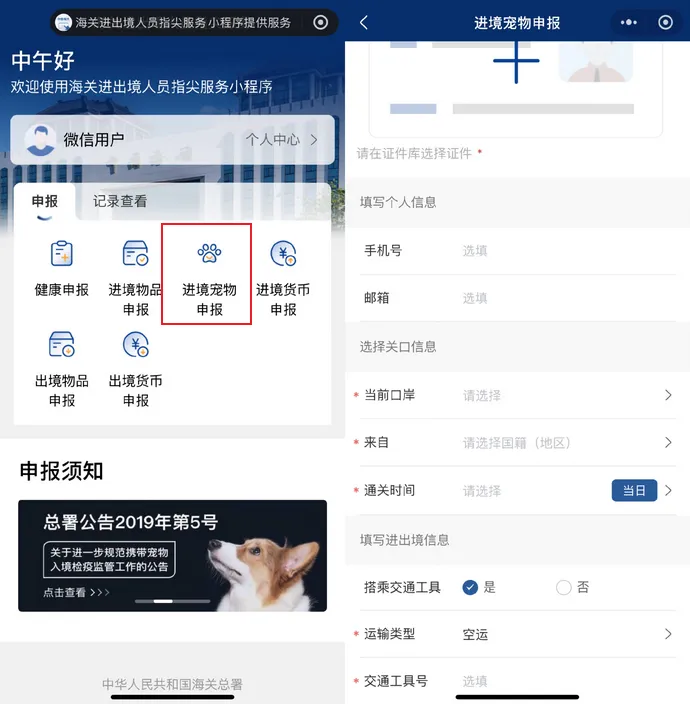
Category I (Quarantine Exemption Pathway): Pet is from a Designated Country OR has a valid RATT report. This pathway requires the owner to make a Customs declaration upon arrival, which involves filling out the entry pet information form. Customs officers will then perform a meticulous process: they will read the pet's microchip number on site, review all required certificates, and conduct a simple clinical inspection. If all checks are passed successfully, the pet is released immediately. (Scan Customs QR code and complete pet entry declaration in Customs Passenger Fingertip Service Wechat mini program.)
-
Category II (Mandatory Quarantine Pathway): Pet is NOT exempt from quarantine (i.e., missing valid RATT report or other required documents). (Requires up to 30 days of centralized quarantine.)
4.3 Deep Dive: Mandatory Quarantine Procedures (Category II)
If your pet is placed in Category II and you cannot provide valid RATT report, they face a non-negotiable quarantine period.
-
Quarantine Location and Duration: Typically 30 days at a designated Customs facility near the arrival airport.
-
Testing During Isolation: Pets will undergo various checks, including Rabies testing and screening for other infectious diseases or parasites.
-
Pet Care and Visitation: Pet care is managed by the facility staff, who provide basic feeding and maintenance. Owner visitation is typically highly restricted or not permitted. You must provide any special food or medication upon handover.
-
Release Procedures: Once the 30 days are complete and all tests are passed, you will receive a Clearance Certificate, pay any associated fees, and retrieve your pet.

5.1 Domestic Transfer in China
For domestic flights within China, pets are typically not allowed in the cabin (Service Dogs excepted). You must coordinate logistics for checked baggage or cargo with the specific domestic airline you are using.
5.2 Service Animals vs. Emotional Support Animals (ESAs)
-
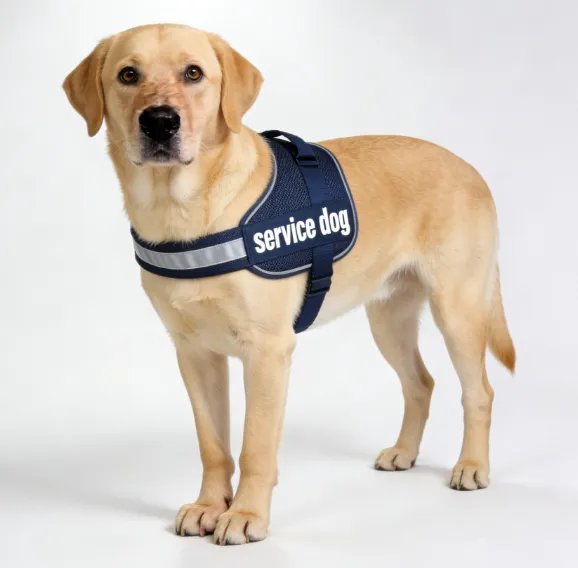
Service Dogs: Certified Service Dogs (including guide dogs, hearing dogs, and search and rescue dogs) are granted special status. If the dog enters China with a valid official export health certificate, vaccination certificate, microchip, and professional training certificate, it can be exempt from quarantine after passing the on-site inspection. If the dog is only unable to provide the vaccination certificate, the carrier may apply to have the dog vaccinated against rabies at a qualified institution upon arrival.
-
Emotional Support Animals (ESAs): China Customs does NOT grant special status to ESAs. They are treated as regular pets and must meet all standard import requirements, including the RATT and quarantine rules if they do not qualify for QE
5.3 Post-Entry: City-Specific Registration
-
Mandatory Registration: It is mandatory to register dogs (and sometimes cats) with the local Public Security Bureau (PSB) in the pet's final city of residence shortly after arrival.
-
Breed Restrictions and City Variations: This is critical. Major cities (e.g., Beijing, Shanghai, Guangzhou) maintain lists of banned or restricted dog breeds (often focusing on aggressive breeds, large size, or weight limits). Local policies dictate registration complexity, fees, and rules for high-risk dogs. Always check your destination city's specific PSB regulations before travel.
-
Annual license renewal is usually required.
-
Cost Expectation: Be prepared for significant costs. Relocation expenses typically include RATT fees and certificates fees (US$200-500), flight cargo fees (US$500-2,000+ depending on size/route), and potential mandatory quarantine fees (US$500-1,000 for 30 days, location dependent).
-
Official Information: For the most up-to-date regulations and specific port contact details, always consult the official website of the General Administration of Customs, P.R. China (GACC) or the local Customs office at your chosen port of entry (e.g., Shanghai Customs).
This section provides practical advice and answers to common last-minute questions to ensure a smooth journey.
7.1 Key Travel and Logistics Tips
-
Choose Direct Flights: Whenever possible, choose a direct flight to your first port of entry in China. Transiting through a third country adds significant paperwork complexity, risk, and stress on the animal.
-
Carry-on Documents: Always carry the original and a full set of photocopies of ALL pet documents (Health Certificate, Rabies Certificate, RATT report) in your carry-on luggage. Never pack them in checked baggage.
-
Kennel Preparation: Introduce your pet to the IATA-compliant travel kennel weeks in advance. Place familiar blankets or toys inside to reduce anxiety during the flight.
-
Familiarize with Airport Route: Know exactly where the Customs/Quarantine Inspection area is at your arrival airport and which path to take after retrieving your pet.
7.2 Frequently Asked Questions (FAQ)
-
Q: Can I travel with my pet if the 14-day health certificate window expires due to flight delays?
-
A: If a minor delay (1-2 days) occurs, immediately notify the Customs office at your destination port in China. If the delay is significant, you may need to obtain a new health certificate from the exporting country before departure, as China Customs strictly enforces the 14-day rule.
-
-
Q: Can the pet travel as Manifest Cargo without the owner?
-
A: Yes, pets can be shipped as manifest cargo. However, the owner/designated consignee must be present for the Customs clearance and inspection process upon arrival. The owner must arrive within a short time frame (typically 1-2 days) of the pet's arrival.
-
-
Q: What if the Customs official cannot read the microchip?
-
A: If the official microchip scanner fails to read the chip, the pet may be placed into temporary quarantine until the chip can be read, or the pet's identity can be verified by other means. Ensure the chip is readable before departure and carry the reader you used if possible.
-
- Q: How many pets can one person bring into China?
-
A: Generally, each passenger is allowed to import only one pet per entry into China.
-
Related guide: China Train Guide: High-Speed & Conventional Rail