Beijing, the sprawling capital of China, is a city of contrasts—ancient hutongs nestled amid futuristic skyscrapers, all connected by one of the world's most extensive public transportation networks. As a foreigner visiting in 2026, navigating this megacity might seem daunting at first, especially with language barriers and rapid urban changes.
Master Beijing's public transport in 2026! Learn how to use the Beijing Subway with foreign credit cards, hail DiDi taxis, and navigate the city like a local. In this guide, we'll cover everything from fares and apps to foreigner-specific hacks, drawing on the latest Beijing transportation updates for 2026. Let's dive in。
📌The Quick Verdict on Beijing Transit
-
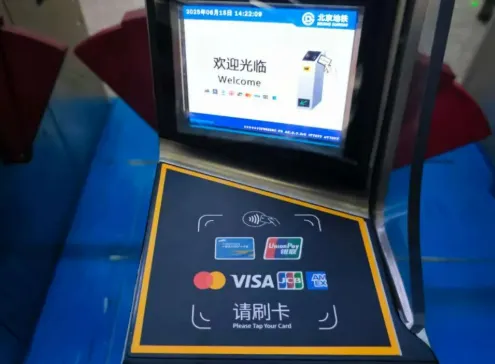
The Easiest Way to Pay: In 2026, Beijing is the first city to allow you to tap your physical foreign credit card (Visa, Mastercard, Amex, JCB, UnionPay) directly at the subway turnstile. No apps required!
-
The Best App for Cabs: Download DiDi (the Chinese Uber) and link your home credit card. The app has a full English interface and translates your messages to the driver automatically.
-
Navigating the City: Google Maps does not work accurately. Download Apple Maps (if you have an iPhone) or Amap (Gaode) for precise, real-time public transit routes and walking directions.
-
To the Great Wall: Take the High-Speed Train from Beijing North Station or the S2 Suburban train from Huoying Station for the fastest route to Badaling.
Understanding Beijing's Public Transportation Landscape in 2026
Beijing's transport system is a marvel of efficiency, handling millions of commuters daily. By 2026, expect continued growth: fixed-asset investments in transport are projected to exceed 3.6 trillion yuan in 2025, fueling smarter infrastructure like expanded rail lines and autonomous vehicle integrations. The subway remains the backbone, with buses offering surface-level coverage and DiDi providing on-demand flexibility.
| Transport Mode | Pros | Cons | Average Cost (CNY) | Best For |
|---|---|---|---|---|
| Subway | Fast, traffic-free, extensive coverage | Crowded during peaks, security checks | 3-10 per ride | Long distances, sightseeing hubs |
| DiDi | Convenient, door-to-door, English interface | Surge pricing, traffic delays | 20-50 for city rides | Late nights, with luggage |
| Buses | Cheap, scenic views, widespread routes | Slower, less English signage | 2-5 per ride | Short hops, local neighborhoods |
The Beijing Subway: World-Class and "Foreigner-First"
In 2026, the Beijing Subway has firmly established itself as a "Foreigner-First" system, specifically designed to eliminate the historical friction of navigating Chinese digital ecosystems. Beijing is now the first city in the world to support a universal "tap-and-go" system for all five major international card schemes across its entire rail network.
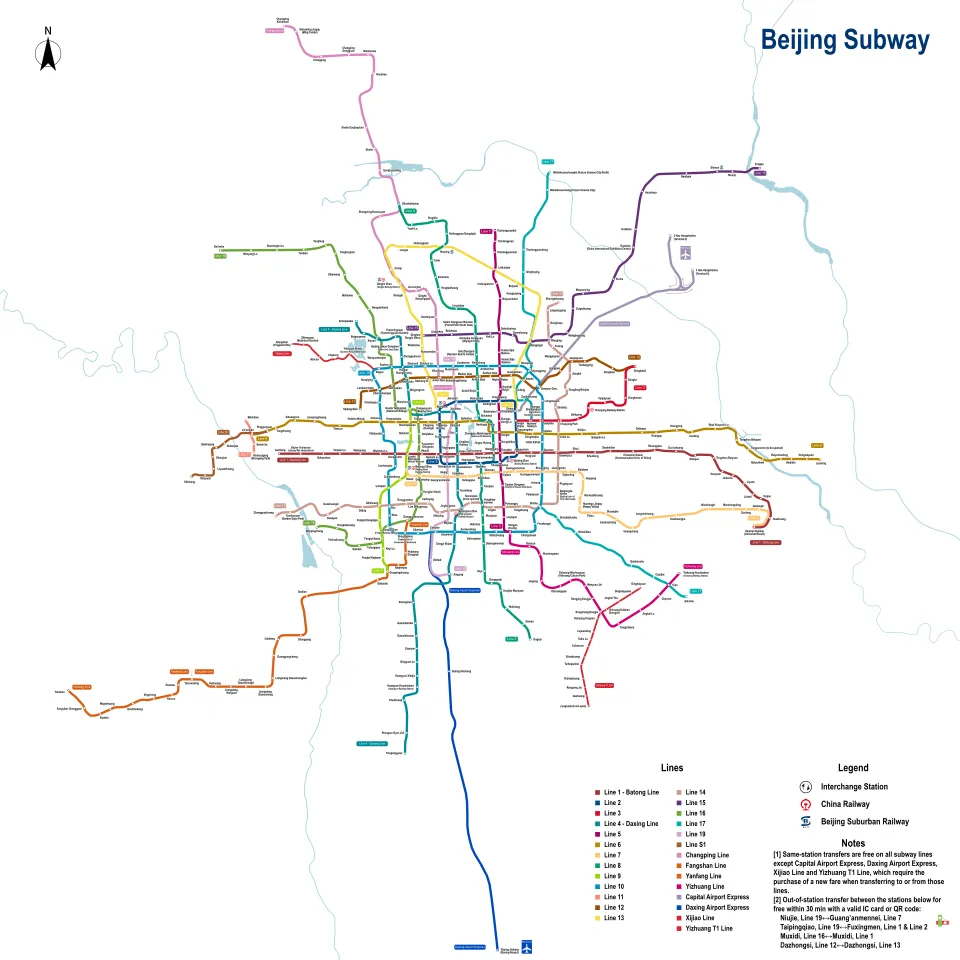
1. Universal "Tap-and-Go" Access
Gone are the days of needing a local phone number or a specific Chinese app just to pass the turnstile.
-
The Big Five: You can now tap your physical or digital (Apple/Google Wallet) Visa, Mastercard, American Express, JCB, or UnionPay card directly at the gate.
-
Seamless Fare Calculation: The system automatically calculates the distance-based fare and charges your card in real-time, matching the local rates.
-
Zero Registration: No pre-registration, no photo verification, and no "mini-apps" required—just tap and walk through.
-
💳 Game-Changer for Foreigners: Direct Credit Card Tapping As of late 2024, Beijing revolutionized its subway system for international visitors. You no longer need to download Alipay or WeChat just to buy a subway ticket! Simply take your foreign Visa, Mastercard, American Express, or JCB card (or use Apple Pay/Google Pay linked to those cards) and tap it directly on the turnstile reader. The system will automatically calculate the fare and charge your home currency. Note: Ensure your card has no foreign transaction fees!
2. The "Beijing Pass" (All-in-One City Card)
For travelers who prefer a dedicated physical card or want to avoid international transaction fees on every ride, the Beijing Pass is the new gold standard.
-
Availability: Specifically designed for overseas visitors, it can be purchased at Beijing Capital (PEK) and Daxing (PKX) airports, as well as major railway stations.
-
Multi-Modal: One card covers the Subway, city buses, taxis, and even the Suburban Railway (like the S2 line to the Great Wall).
-
Sightseeing Perks: The pass often includes integrated access or discounts for major attractions like the Forbidden City and the Temple of Heaven.
3. Multilingual Infrastructure
The subway has transitioned from "English signs" to "Multilingual service."
-
AI Translation Devices: Major stations (e.g., Tiananmen West, Universal Resort, and Dongzhimen) are equipped with dual-screen translation terminals that support English, Japanese, Korean, and several European languages, allowing you to speak to staff naturally.
-
English-First Digital Interfaces: All ticket vending machines now feature a high-fidelity English UI. If you need to buy a ticket for a companion using your international card, the process is now as simple as a few taps.
4. Navigation & "Smart" Wayfinding
-
Bilingual Audio: All 27+ lines now feature clear, consistent bilingual announcements (Mandarin and English).
-
High-Speed Express Lines: If you are coming from the airport, the Daxing Airport Express and Capital Airport Express act as "premium" gateways, featuring luggage racks and more spacious seating, with speeds reaching up to 160 km/h.
5. Operating Lines & Hours
-
The Core & Loop Lines
-
Line 1 & Batong Line (Red): The legendary East-West artery. It now operates as a single continuous line from Pingguoyuan in the west to the Universal Resort in the east, passing through Tiananmen and Wangfujing.
-
Line 2 (Dark Blue): The inner loop following the old city walls (Second Ring Road). It connects major rail hubs like Beijing Railway Station.
-
Line 10 (Light Blue): The outer loop (Third Ring Road). It is the busiest line in the system and connects the CBD (Guomao) with the high-tech hub of Haidian.
- Line 18 (New for 2026): A critical relief line for northern Beijing, running from Malianwa to Tiantongyuan East, easing the extreme pressure on Line 5 and Line 13.
-
-
Major North-South & East-West Trunks
-
Line 4 & Daxing Line (Teal): Links the Summer Palace in the north to the southern suburbs, passing through Beijing South Railway Station.
-
Line 6 (Brown): A high-capacity east-west line running parallel to Line 1. It is essential for reaching the Beijing Sub-Center (Tongzhou) and the trendy Nanluoguxiang area.
-
Line 17 (Turquoise): The "Tech Express." Now fully operational, it is a high-speed (100 km/h) automated line connecting the Future Science City in the north to Yizhuang in the south.
- Line 19 (Pink): A rapid north-south express line designed for long-distance commuters, featuring fewer stops and higher speeds to connect central Beijing with the southern residential zones.
-
-
The Airport Expresses
-
Capital Airport Express: Connects Beixinqiao/Dongzhimen directly to Terminals 2 and 3.
-
Daxing Airport Express: One of the fastest automated subways in the world (160 km/h), connecting Caoqiao (and the new Lize Business District extension) to the Daxing International Airport in just 20 minutes.
-
-
Special & Suburban Lines
-
Line 22 (Pinggu Line): The first "Regional Express" connecting central Beijing (Dongdaqiao) to Hebei Province (Yanjiao) and further east to Pinggu.
-
Line 11 (Winter Olympic Line): A shorter line serving the western Shougang Park area and the Big Air Shougang site.
-
S1 Line (Maglev): A medium-low speed maglev line serving the mountainous Mentougou district in the west.
- Xijiao Line: A scenic surface tram that takes you to the Fragrant Hills and the Botanical Gardens.
-
-
General Operating Hours
-
First Trains: Typically depart from terminal stations between 4:45 AM and 5:30 AM.
-
Last Trains: Typically depart between 10:30 PM and 11:30 PM.
-
Peak Frequency: During rush hours (7:00–9:00 AM and 5:00–7:00 PM), trains arrive every 2–3 minutes.
- Night Extensions: On Fridays, Saturdays, and major holidays, key lines (like Line 1, 2, and 4) often extend their service until 12:30 AM or later to accommodate nightlife and rail travelers.
-
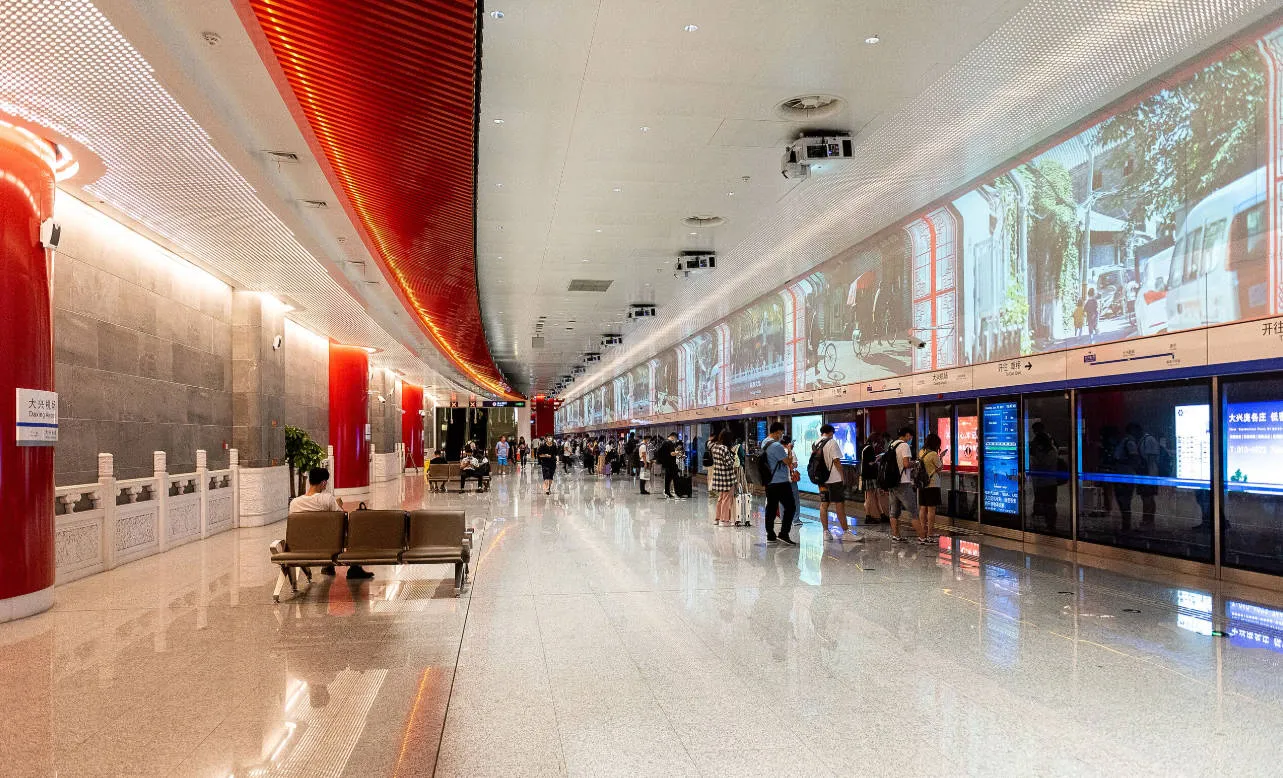
6. Tickets, Fares & Payment Methods
-
Single-ride fare
The Beijing Metro charges single-ride fare according to trip distance for all lines except the two airport express lines.
| Distance | Fare (CNY) | Notes |
| First 6 km | ¥3 | Base price for a single journey. |
| 6 km to 12 km | ¥4 | |
| 12 km to 22 km | ¥5 | |
| 22 km to 32 km | ¥6 | |
| Over 32 km | +¥2 for every additional 20 km. |
The Capital Airport Express has a fixed fare of ¥25 per ride.
The Daxing Airport Express is the only line to maintain class-based fares with ordinary class fare varying with distance from ¥10 to ¥35 and business class fare fixed at ¥50 per ride.
Same-station transfers are free on all subway lines except the two Airport Express lines, the Xijiao Line and the Yizhuang T1 Line, which require the purchase of a new fare when transferring to or from those lines.
-
Unlimited-rides fare
Since January 20, 2019, riders can purchase unlimited rides fare tickets using the Yitongxing (亿通行) App on smartphones, which generates a QR code with effective periods of one to seven days.
| Period | Price |
|---|---|
| 1 day | ¥20 |
| 2 days | ¥30 |
| 3 days | ¥40 |
| 5 days | ¥70 |
| 7 days | ¥90 |
-
Fare Collection and Payment Methods
-
Single-Ride Tickets
- These tickets take the form of an RFID-enabled flexible plastic card.
-
Passengers must insert the ticket or scan the card at the gate both before entering and exiting the station.
-
Single-ride tickets are reused by the system upon exit.
- Journey Time Limit: To prevent fraud, passengers are required to complete their journeys within four hours upon entering the subway. If the four-hour limit is exceeded, a surcharge of ¥3 is imposed.
-
-
-
Beijing Yikatong Card (Rechargeable Transport Card)
-
This is a reusable, stored-value card used by locals and tourists for the metro, buses, and even some taxis and convenience stores.
-
How to Get It: Purchase a physical card at manned ticket counters in subway stations. A refundable deposit (usually ¥20) is required, plus your initial top-up.
-
Usage: Tap when entering and exiting the subway. You can top up the card at ticket machines (most have an English option) or service counters.
- Tip: Some cards, such as the Beijing Pass or the Hutong Card (with the China T-Union logo), can be used on public transport in multiple cities across China.
-
-
Contactless Foreign Credit/Debit Cards (Tap-and-Go)
-
Ease of Use: This is one of the easiest options. Simply tap your card (or a device linked to it, like a phone or watch) on the contactless reader at the turnstile when entering and exiting.
-
Accepted Cards: Overseas-issued Visa, Mastercard, UnionPay, JCB, and American Express are accepted at all gates across the entire network.
- Note: The system automatically calculates the distance-based fare and charges your card.
-
-
Mobile Payment Apps (QR Code)
-
Alipay and WeChat Pay are widely used in China. After setting up your account (including linking an international credit card) and enabling the "Transport" feature for Beijing Metro, you can scan the generated QR code at the turnstile to enter and exit.
-
Download the "北京地铁" (Beijing Subway) official app. While some sections are in Chinese, the core functionality is simple.
You must link a local payment method (WeChat Pay or Alipay) or set up the payment function within the app itself.
-
-
-
Pro Tips for the Subway:
-
Avoid Rush Hours: 7:00 AM – 9:30 AM and 5:30 PM – 8:00 PM are incredibly crowded.
-
Security Checks: Every station requires a quick bag scan. Small pocket knives and spray cans (like large hairsprays) are often confiscated.
-
English Signage: Every station and transfer announcement is available in clear English.
-
The Ultimate Beijing Metro Guide for Tourists
Capital International (PEK) vs Daxing International (PKX)
DiDi: The Ultimate Ride-Hailing Experience
DiDi often called the "Uber of China." It is one of the world's largest mobility platforms, and for many travelers and locals in its operating regions, it has become the gold standard for convenience and affordability.

1. Global Footprint
While it dominates China (with over 90% market share), DiDi has expanded significantly. It now operates in over 15 countries, including:
-
Latin America: Brazil (as 99), Mexico, Chile, Colombia, and Argentina.
-
Asia-Pacific: Japan, Australia, and New Zealand.
-
Africa: Egypt and South Africa.
2. Diverse Service Levels
One of DiDi’s biggest strengths is its range of options. You aren't just limited to a "standard car":
-
DiDi Express: The budget-friendly, everyday choice.
-
DiDi Premier: High-end vehicles with professional drivers (often including perks like bottled water and phone chargers).
-
DiDi Luxe: The ultimate "red carpet" experience with luxury sedans (Mercedes, BMW) and suit-clad chauffeurs.
-
Express Pool: A shared option that significantly lowers costs for solo travelers.
-
Designated Driving: A unique service where a driver comes to your location to drive your car home for you (popular after a night out).
3. Features for a Smooth Experience
DiDi has invested heavily in making the app accessible, especially for international travelers:
-
Real-Time Translation: In the app’s chat, you can type in English, and the driver sees it in Mandarin (and vice versa). This solves the biggest hurdle for foreigners in China.
-
International Payment: The app supports major credit cards (Visa, Mastercard) and integrates with Apple Pay, Alipay, and WeChat Pay.
-
Safety Toolkit: Includes an SOS button, trip sharing with "trusted contacts," and mandatory driver background checks.
4. DiDi vs. Uber/Lyft: How does it compare?
| Feature | DiDi | Uber/Lyft |
| Pricing | Generally cheaper (especially in China and Latin America). | Often subject to higher surge pricing. |
| Availability | Instant pickups in major Chinese/Latin American cities. | Unmatched in the US and Europe. |
| Communication | Built-in auto-translation for 50+ languages. | Basic messaging, limited translation. |
| Services | Includes bikes, buses, and designated drivers. | Primarily cars and scooters. |
5. Setup for Foreigners
-
Download: Get the "DiDi: Ride Hailing in China" app (the global version works with international numbers).
-
Language: The app has a full English interface.
-
Payment: You can link your international Visa or Mastercard directly.
-
In-App Translation: You can message your driver in English; the app automatically translates your text to Chinese and vice versa.
6. Choosing Your Ride
-
Express: Affordable and fast.
-
Premier: Higher-end cars with drivers who often provide bottled water and chargers.
-
6-Seater: Perfect if you are traveling with a group or heavy luggage.
Public Buses: The Scenic and Budget Route
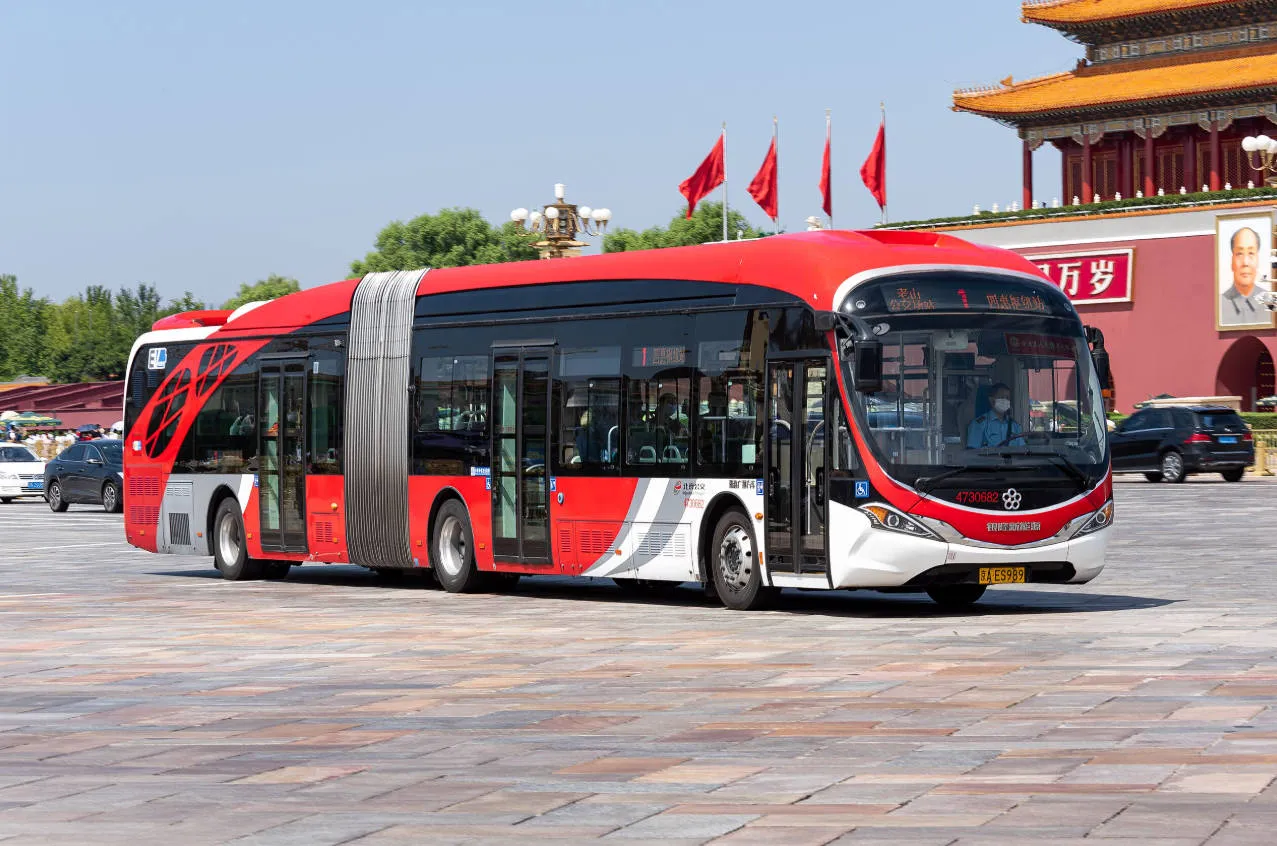
Exploring Beijing by public bus is one of the most rewarding ways to see the city's transformation from imperial capital to modern megacity. While the subway is faster, the bus network offers "ground-level" views that are impossible to see from underground.
1. The "Imperial Core" Classics (Budget & Scenic)
These regular public buses cost only ¥2 (or ¥1 with a travel card) and pass through the historical heart of the city.
-
Bus No. 5 (The Central Axis Route): Route: Follows the city's historic "Central Axis."
-
Highlights: You’ll see the Drum and Bell Towers, Jingshan Park, the Forbidden City (west wall), and Tian’anmen Square.
-
Why take it: It is widely considered the best "unofficial" sightseeing bus for seeing old Beijing hutongs and imperial landmarks for pennies.
-
-
Bus No. 1 (The Chang’an Avenue Route): Route: Known as "The First Bus in China," it traverses the massive East-West axis.
-
Highlights: Passes Tian’anmen Square, the National Centre for the Performing Arts (The "Egg"), and the shimmering skyscrapers of the CBD (Guomao).
-
Why take it: It offers a grand view of Beijing’s political and financial power.
-
2. Specialized Sightseeing Lines
If you want a more tourist-friendly experience with better views (often double-deckers), these specialized lines are excellent.
-
Urban Sightseeing Lines 1 & 2 (The "Dang-Dang" Buses):
-
Fare: ~¥15–20.
-
Style: Retro-style trolleys that mimic the look of 1920s Beijing buses.
-
Route: They loop around the Forbidden City, Qianmen, and Temple of Heaven.
-
-
Night Sightseeing Lines:
-
Fare: ~¥20–50.
-
Route: Departing from Qianmen, these buses run through the CBD and Sanlitun when the city is lit up. The "East Line" is particularly popular for seeing the neon lights of the business district.
-
3. The "Garden & Mountain" Route (Tram & Bus)
To escape the city center for lush landscapes, use the suburban lines.
-
Xijiao Line (Modern Tram):
-
Route: Starts at Bagou (Subway Line 10) and ends at Fragrant Hills.
-
Highlights: You’ll glide past the Summer Palace (West Gate) and the China National Botanical Garden.
-
Why take it: It uses large glass windows and feels more like a scenic train ride than a bus.
-
4. Practical Travel Tips for 2026
-
Payment: The easiest way to pay is using the Alipay or WeChat Pay "Transport Code." Simply scan the QR code when you get on (and sometimes when you get off, depending on the route).
-
Navigation: Use Apple Maps (which works well in English in China) or Amap (Gaode). These will show you real-time bus arrivals and the exact stop names in Pinyin.
-
Avoid Rush Hour: Beijing traffic is legendary. Try to ride between 10:00 AM and 4:00 PM to avoid being stuck in a "gridlock tour" or a crowded cabin.
5. Comparison of Popular Scenic Routes
| Route | Type | Price | Best For... |
| No. 5 | Public Bus | ¥2 | Ancient architecture & Hutongs |
| No. 1 | Public Bus | ¥2 | Modern skyline & Tian'anmen |
| Xijiao Line | Tram | ¥3–6 | Mountains, Gardens, & Nature |
| Dang-Dang | Sightseeing | ¥20 | Retro vibes & Forbidden City loop |
Integrating Transport Modes and Advanced Tips
You've mastered the basics of Beijing's subway, DiDi, and buses—now it's time to combine them for seamless, efficient travel across this massive city in 2026. Smart integration turns potential hassles into smooth adventures, saving time, money, and energy. Whether you're chaining a quick subway ride with a bus for scenic views or calling a DiDi to bridge the last mile, these strategies will make you navigate like a seasoned Beijing local.
The key? Apps that unify everything. Amap (Gaode Maps) and Baidu Maps are your best friends—they suggest multi-modal routes in real-time, including subway, bus, DiDi estimates, walking, and even bike-sharing.
Best Apps for Integrated Route Planning
| App | Strengths for Integration | English Support | Key Features |
|---|---|---|---|
| Amap (Gaode) | Excellent real-time transit, DiDi integration | Full | Multi-mode routes, traffic alerts, offline maps |
| Baidu Maps | Detailed bus/subway schedules, voice navigation | Good | AR walking directions, community updates |
| Beijing Public Transport Official | Accurate subway/bus times | Partial | QR payments, live arrivals |
| Apple/Google Maps | Familiar interface, but less accurate in China | Full | Basic integration, international cards |
Pro tip: Set Amap as your default—its algorithms factor in current traffic and suggest the fastest combo (e.g., subway + short DiDi).
Advanced Tips for Smooth Travels in 2026
Dealing with Traffic and Peak Times
Beijing's traffic can be intense—avoid road-based options during rush hours (7-9 AM, 5-8 PM). Stick to subway for reliability; buses get stuck, and DiDi surges (fares can double).
Weather and Seasonal Considerations
-
Summer (hot/rainy): Subway for air-conditioning; avoid bikes in downpours.
-
Winter (cold/pollution): DiDi for comfort; check AQI apps and wear masks if needed.
-
Major events (e.g., Chinese New Year, National Day): Expect crowds—book DiDi early or travel off-peak.
Alternatives and Last-Mile Options
-
Bike-Sharing: HelloBike (integrated in Alipay) or Meituan bikes—perfect for short hops in flat areas like hutongs. Scan QR, ride, park anywhere (CNY 1-3 per 30 min).
-
Walking: Many sights (e.g., Wangfujing to Forbidden City) are 20-30 min apart—healthy and free.
-
Electric Scooters/Taxis: Traditional taxis via DiDi for fixed fares.
Safety, Etiquette, and Emergencies
-
Safety: Share DiDi trips, use official apps only, hold bags tight in crowds.
-
Etiquette: Queue for boarding, offer seats to elderly/pregnant, no eating on subway.
-
Emergencies: Dial 110 (police), 120 (ambulance)—English operators available. Apps have SOS buttons.
-
Digital Essentials: Always carry a power bank; link international cards early to avoid payment glitches.
Frequently Asked Questions (FAQ)
Q1: Is public transportation in Beijing foreigner-friendly?
A: Yes. Subways and DiDi are very easy to use even without Chinese.
Q2: Is it safe to travel alone in Beijing?
A: Beijing is one of the safest major cities in the world.
Q3: Do drivers speak English?
A: Most do not, but apps provide built-in translation.
Q4: Do I need a Chinese phone number or ID to use public transport in Beijing?
A: No. In 2026, foreigners can use international phone numbers for DiDi registration and most apps.
Q5: Can I use DiDi without downloading the full app?
A: Absolutely. Access DiDi via WeChat or Alipay mini-programs (no separate download needed). The English interface works great for booking rides.
By mixing subway speed, bus scenery, and DiDi flexibility—with smart apps tying it all together—you'll conquer Beijing's vast layout effortlessly. These advanced tips ensure your 2026 trip is efficient, enjoyable, and stress-free. Experiment with routes, adapt to the day, and embrace the city's pulse. Safe and happy travels!😀