Quick Facts About the Shanghai Metro
-
Can I use a foreign credit card? Yes! The easiest way for tourists to ride is by linking a foreign Visa/Mastercard to the Alipay app or the official Metro Da Du Hui app to generate a scan-and-go QR code.
-
Is there an English app? Yes. Download MetroMan for English route planning, and use Alipay or Apple Maps for live navigation.
-
How much does it cost? Fares are distance-based, mostly ranging from ¥3 to ¥7 RMB (less than $1 USD) for trips within the city center.
-
Airport Connections: Metro Line 2 connects both Pudong (PVG) and Hongqiao (SHA) airports directly to downtown Shanghai.
The Shanghai Metro is not just a transportation system; it is the lifeblood of China's most cosmopolitan city and the largest rapid transit system in the world by route length. For any tourist, mastering the Metro is the key to unlocking the city, offering unparalleled convenience, speed, and affordability.
This comprehensive guide covers everything you need to know, from buying the right ticket to navigating the airport lines and using essential mobile apps, ensuring you move like a local.
🚄 Shanghai Metro: A Global Leader
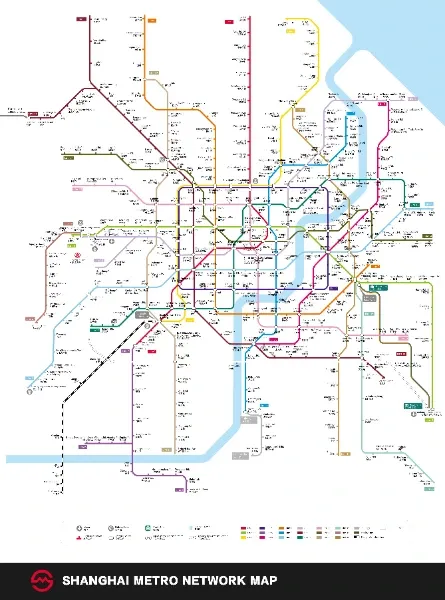
The Shanghai Metro is consistently ranked as the world's longest metro system by route length, making it a monumental achievement in urban transportation infrastructure.
This immense network features a System Length of over 831 km (approximately 516 miles) and includes more than 21 operational lines (such as the Pujiang Line, Jinshan Line, and the Maglev). With over 500 stations, the system provides unparalleled coverage across the city.
The metro system's history began when its first line, Line 1, opened on May 28, 1993. Since then, it has rapidly expanded to connect all major districts and suburbs, including the city's two main international airports: Pudong (PVG) and Hongqiao (SHA).
The operating hours for most Shanghai metro stations starts between 5:00 to 6:00 in the morning and ends between 22:30 to 23:00 CST. The current timetable is available on the Shanghai metro website.
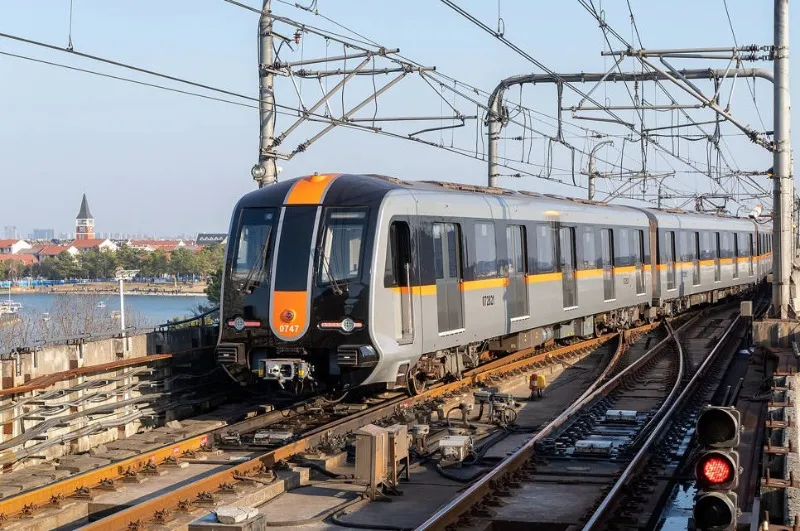
During peak hours, trains arrive every 2 to 3 minutes on major lines.
All signs, maps, and announcements are clearly displayed in both Mandarin Chinese and English, making navigation simple for international visitors.
I. Shanghai Metro Tickets, Fares & How to Pay
A. 💵Shanghai Metro Fares: Distance-Based
The Shanghai Metro uses a distance-based fare system, making it an extremely affordable way to travel.
-
Starting Fare: Fares start at ¥3 RMB (for trips under 6 km).
-
Increments: The price increases by ¥1 RMB for every additional 10 km traveled.
-
Typical Tourist Trip: Most trips within the central areas (like People's Square to Lujiazui) usually cost between ¥3 to ¥6 RMB.
-
Longest Trips: Even the longest trips to the far suburbs or airports rarely cost more than ¥9 to ¥15 RMB.
B. 💳How to Pay: The Best Options for Tourists
You have several convenient options, from digital wallets to physical cards and passes.
1. The Most Convenient: Digital Payments (Recommended)
Digital payments are the fastest and most highly recommended way to ride. You simply scan a QR code at the turnstile to enter and exit.
| Method | Details for Tourists |
| Metro Da Du Hui App | This is the official Shanghai Metro app. Crucially, it supports linking international cards. You can link your Mastercard, Visa, Discover, JCB, or Diners Club card to pay directly. |
| Alipay / WeChat Pay | If you have set up Alipay or WeChat Pay and linked a foreign bank card, you can often use the transit QR code service within these apps (or within the Metro Da Du Hui app linked to them). |
| Contactless Bank Card | Newer turnstiles on many lines now accept direct "Tap to Ride" using contactless international cards (Visa, Mastercard, etc.) or mobile wallets (Apple Pay/Google Pay). Look for the contactless logo on the gates. |
2. For Frequent Riders: Shanghai Public Transportation Card (Jiaotong Ka)
This is a versatile, rechargeable stored-value card that simplifies travel across the entire public transport system.
-
Purchase: Available at metro station service counters and some convenience stores.
-
Cost: Requires a ¥20 RMB refundable deposit plus your initial top-up amount.
-
Usage: Works on the Metro, buses, ferries, and Maglev train.
-
Benefit: Provides a ¥1 RMB transfer discount when switching between the Metro and a bus within 120 minutes. It also helps calculate complicated fares as a single journey for out-of-station transfers.
3. For Single Trips: Single Journey Ticket
This is the traditional method, ideal for a one-off ride.
-
Purchase: Buy from the automated Ticket Vending Machines (TVMs) available in every station. The TVMs have an English interface.
-
Fare: You must select your destination to calculate the distance-based fare.
-
Payment: Machines accept small cash denominations (¥1 coins, ¥5, ¥10 notes). Many service counters and some newer TVMs also accept international credit cards (Visa, Mastercard, etc.) for ticket purchases.
C. 🎫Tourist Passes
If you plan to ride the metro frequently over a few days, a pass offers great value and convenience.
| Pass Type | Price (RMB) | Coverage & Validity |
| 1-Day Pass | ¥18 | Unlimited metro rides for 24 hours from the first tap-in. |
| 3-Day Pass | ¥45 | Unlimited metro rides for 72 hours from the first tap-in. |
| Maglev + Metro Pass | ¥55 (Single-trip Maglev) or ¥85 (Round-trip Maglev) | Includes one or two Maglev rides + 24 hours of unlimited metro rides. |
Note: All tourist passes exclude the Maglev train, unless you purchase the specific Maglev + Metro Pass combo. Passes are generally bought at the Service Counters.
II. Essential Apps for Shanghai Metro Navigation
While the Metro Daduhui app handles payment, you need reliable mapping and routing to navigate over 20 lines. These apps provide real-time station info, transfer routes, maps, and service updates.
A. Google Maps
Google Maps is familiar and usually reliable for basic station routing, especially for the tourist hotspots. It is often the easiest starting point for international visitors.
B. Baidu Maps (百度地图) or Amap (高德地图)
These local Chinese mapping apps offer the most accurate and real-time information, including current congestion levels and exit details. If you are comfortable reading Chinese characters (or using in-app translations), these are superior for complex routing.
C. Shanghai Metro Official App
Dedicated third-party apps, often just called "Shanghai Metro," offer offline maps and excellent route planning by allowing you to tap two stations to instantly calculate the best route, time, and fare.
D. MetroMan Shanghai
A comprehensive, multi-lingual app for planning routes on the Shanghai subway and other cities' systems. It supports many languages, including English, making it highly valuable for visitors who cannot read the Chinese station names.
III. 6-Step Guide to Riding the Shanghai Metro
Step 1: 🔍 Find the Station & Check Your Route
-
Locate the Entrance: Look for the distinctive "M" logo or signs that say "Metro" or "Subway." Station entrances often have a corresponding number and line colors (e.g., Lujiazui Station: 陆家嘴 2).
- Plan Your Route: Use a dedicated app like MetroMan Shanghai or a map app (Google Maps, Amap) to determine the following:
-
The Line Number and Color you need (e.g., Line 2 - Light Green).
-
The Direction you need to travel (trains are labeled by their Terminal Station).
-
Where you need to Transfer (if necessary).
Step 2: 🛂 Pass the Security Check
-
Mandatory Screening: Security checks are mandatory at every Shanghai Metro station entrance.
-
Place Bags: Put all bags, backpacks, and large items through the X-ray machine conveyor belt.
-
Walk Through: Walk through the metal detector gate. The process is usually very fast and straightforward. They may occasionally ask you to sip from a drink bottle for verification.
Step 3: 🎟️ Pay Your Fare
Choose your payment method at the ticket area before the turnstiles:
| Method | Action |
| Digital QR Code (Recommended) | Use the Metro Da Du Hui app or Alipay/WeChat Pay to generate a transit QR code. |
| Single-Journey Ticket | Use the English interface on the Ticket Vending Machines (TVMs). Select your line, then your destination station, pay the fare, and collect your ticket. |
| Shanghai Public Transportation Card | Tap your rechargeable card on the reader. |
Step 4: ➡️ Enter the Turnstile
Enter: Scan your QR code or tap your card on the reader (the green light will flash). If using a single-journey ticket, insert the ticket into the slot, and it will pop up on the other side—take it, as you need it to exit!
Step 5: 🚉 Find Your Platform & Board the Train
-
Follow Signs: Look for the color-coded signs pointing to your specific Line Number and the Terminal Station in your direction of travel.
-
Wait Safely: Wait behind the yellow safety line on the platform. Screens will show the estimated arrival time for the next train.
-
Boarding Etiquette: When the train arrives, ALWAYS let passengers exit first before you step aboard.
-
Listen and Watch: On the train, announcements are made in Mandarin, English, and sometimes Shanghainese. The digital displays above the doors also show the next stop in both languages.
Step 6: 🚪 Exit the Station
-
Exit at Destination: When you arrive, follow signs that say "Exit" (出口 - Chū Kǒu).
-
Use the Turnstile:
-
QR Code/Card: Tap your QR code or card on the reader. The correct fare will be deducted, and the gate will open.
-
Single-Journey Ticket: Insert the ticket into the slot. The machine will keep the ticket, and the gate will open.
-
-
Crucial Tip: Check Your Exit Number! Shanghai stations have many numbered exits (e.g., Exit 1, 2, 3...). Before you go up the escalator to the street, check the exit information boards to find which exit number is closest to your hotel or attraction. Once you exit, you cannot re-enter without paying the fare again.
IV. Airport Connections: PVG & SHA Lines
Getting from the airport to downtown Shanghai is often a tourist's first Metro challenge. The system provides cost-effective and highly efficient solutions.
A. Pudong International Airport (PVG)
PVG is served by two major options: the Maglev and Metro Line 2.
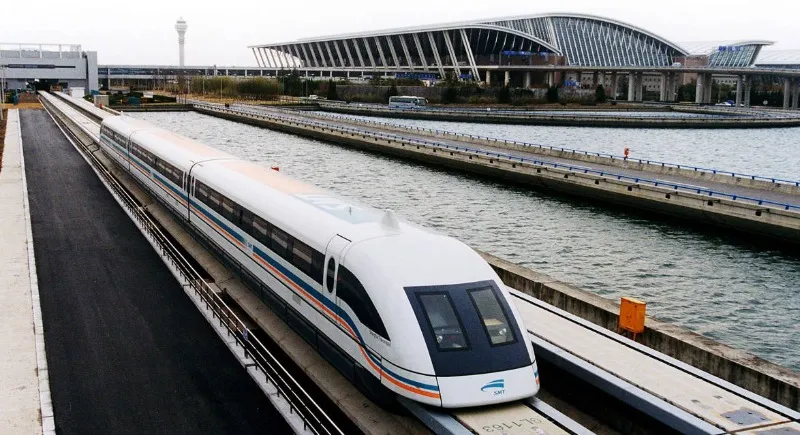
1. The Maglev Train (Magnetic Levitation)
-
Route: PVG to Longyang Road Station (Line 2, 7, 16).
-
Travel Time: A blazing 7 minutes and 20 seconds.
-
Cost: ¥50 (Single journey) or ¥80 (Round trip, valid for 7 days).
-
Pros: Experience the world’s fastest commercial train (up to 431 km/h).
-
Cons: Higher cost, and still requires a transfer to the Metro at Longyang Road to reach the central city.
2. Metro Line 2 (The Tourist Favorite)
-
Route: PVG to East Xujing, passing through key stops like Lujiazui (financial district), People's Square, and Jing'an Temple.
-
Travel Time: Approximately 60-90 minutes to People's Square.
-
Cost: Affordable (e.g., about ¥7 to People’s Square).
-
Pros: Direct, highly affordable, and requires only one ticket.
-
Note: During peak hours, some trains may terminate at Guanglan Road, requiring passengers to switch to another Line 2 train on the opposite platform to continue west. Check the train destination sign before boarding.
💡 The Verdict: Maglev vs. Metro Line 2
If you are on a tight budget or your hotel is directly on Line 2 (like near People's Square), just take Metro Line 2 all the way from the airport. It's cheaper and requires no transfers. However, if you are a train enthusiast or your hotel is near Longyang Road/Century Avenue, taking the Maglev is a thrilling bucket-list experience that shaves 30 minutes off your initial commute!
B. Hongqiao International Airport (SHA)
Hongqiao is closer to the city center and serves as both an airport and a high-speed rail hub.
1. Hongqiao Terminal 2 & Hongqiao Railway Station
-
Served by: Line 2 and Line 10.
-
Line 2: Connects directly to People’s Square and Pudong.
-
Line 10: Connects directly to the French Concession area, Xintiandi, and Yuyuan Garden.
-
Travel Time: Approximately 30-45 minutes to People's Square.
-
Recommendation: Line 10 often provides a more direct route to popular tourist hotels in the central area.
💡 Key Travel Tips:
-
Inter-Airport Transfer (PVG ↔ SHA): You can use Metro Line 2 or the new Airport Link Line for a direct rail connection between Hongqiao Airport Terminal 2 and Pudong Airport Terminal 1 & 2. The Airport Link Line is faster (approx. 40 minutes) but costs more than the Metro Line 2.
-
Time & Cost: Metro Line 2 is the most economical option, but it takes about 90-100 minutes for the full journey between the two airports.
-
Luggage: Be mindful of luggage on the Metro, especially during rush hours, as the cars can get very crowded.
V. The Guide to Shanghai Metro's Top Attractions
The following table lists the city's must-see spots and the fastest metro route to get there.
| Attraction | Metro Line & Station | Key Metro Line Color | Notes |
| The Bund (Waitan) | Line 2 or Line 10 to Nanjing East Road | Light Green/Light Blue | Use Exit 2 or 6, then walk east down Nanjing East Road (pedestrian street) for about 10-15 minutes. |
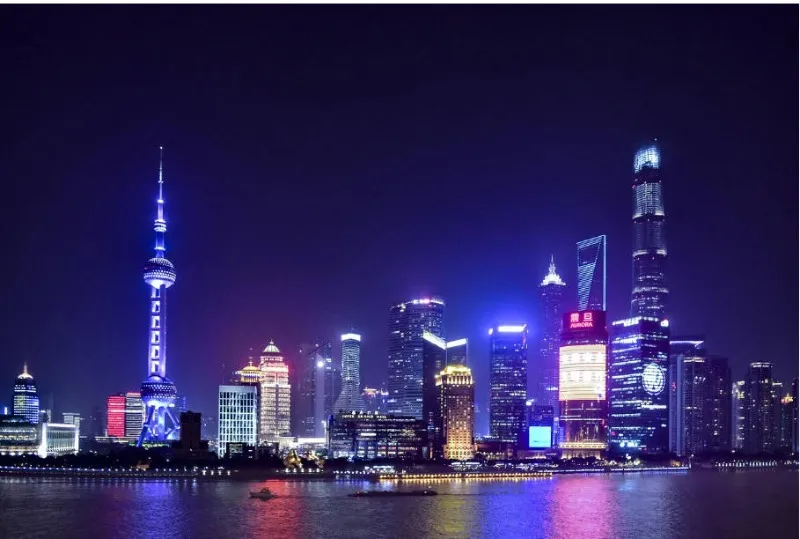
| Lujiazui Financial District (Shanghai Tower, Pearl Tower, World Financial Center) | Line 2 to Lujiazui | Light Green | The station exit is directly beneath the massive skyscrapers. This is the heart of Pudong. |
| People's Square (Shanghai Museum, Grand Theatre, People's Park) | Line 1, 2, or 8 to People's Square | Red/Light Green/Blue | A central interchange station with numerous exits connecting to all attractions. |
| Yuyuan Garden & Bazaar (Old City Temple) | Line 10 to Yuyuan Garden | Light Blue | The station exit leads you directly to the scenic area and traditional architecture. |
| Tianzifang (Arts & Crafts Alley) | Line 9 to Dapuqiao | Light Blue-Grey | Use Exit 1, and the entrance to the alley is immediately nearby. Great for boutique shopping and cafes. |
| Xintiandi (Dining & Nightlife) | Line 10 or Line 13 to Xintiandi | Light Blue/Pink | Known for its Shikumen (stone-gate) architecture with modern bars and restaurants. |
| Jing'an Temple | Line 2 or Line 7 to Jing'an Temple | Light Green/Dark Orange | Exit 1 is the most direct access to this iconic golden temple complex. |
| Shanghai Disneyland | Line 11 to Disneyland Park | Brown/Pink | This is the terminal station for the branch line. The walk to the park entrance is well-signed. |
| Hongqiao Railway Station (High-Speed Trains) | Line 2, 10, or 17 to Hongqiao Railway Station | Light Green/Light Blue/Brown | Connects to the main hub for bullet trains and Hongqiao Airport (SHA). |
VI. Navigating and Etiquette: Travel Tips
To ensure a smooth journey, keep these operational and etiquette tips in mind.
A. Operating Hours and Frequency
-
General Hours: Most lines operate from approximately 5:30 AM to 11:00 PM.
-
Frequency: During rush hours (7:00–9:30 AM and 4:30–7:30 PM), trains run every 3-5 minutes. Outside of peak times, trains run every 5-10 minutes.
-
Tip: If you need to travel after 11:00 PM, plan to use a taxi or ride-sharing service, as the Metro shuts down promptly.
B. Security and Safety (Mandatory Checks)
-
Compulsory Scanning: Every passenger, without exception, must put their bags through an X-ray scanner before entering the ticketing gates. This is a quick and routine security measure.
-
Safety: The Shanghai Metro is exceptionally safe, with platform doors and constant security staff presence.
C. Station Navigation
-
Bilingual Signage: All signs, announcements, and maps are clearly displayed in both Chinese and English, making navigation easy for international visitors.
-
Transfer Etiquette: Follow the blue signs (Line 2, 4, 10, etc.) to change lines. Look for signs that say "Transfer" or the line number you need.
D. Peak Hour Survival
The Shanghai Metro can be incredibly crowded during rush hours, especially on major lines like Line 1, Line 2, and Line 9.
-
Avoid travel: If possible, avoid making major transfers or commuting between 7:30 AM and 9:00 AM, and 5:00 PM and 7:00 PM.
-
Keep valuables close: As with any major city, be mindful of your belongings in crowded cars.
VII. Summary and Final Advice
The Shanghai Metro is your most valuable asset as a tourist. It is fast, cheap, and reaches virtually every major landmark.
|
Key Takeaway |
Action Item |
|---|---|
|
Payment |
|
|
Airport |
Line 2 is the best value from PVG; Line 10 is great for central hotels from SHA. |
|
Passes |
Buy a 3-Day Pass (¥45) if you are sightseeing heavily. |
|
Security |
Always be prepared to put your bags through the X-ray scanner. |
Enjoy your efficient travels through the magnificent city of Shanghai!
Frequently Asked Questions (FAQ)
Q: Is Shanghai Metro 24 hours?
A: No, the Shanghai Metro does not operate 24 hours.
Q: Can tourists use foreign credit cards for metro payments?
A: Yes, via Alipay TourPass.
Q: Are there English announcements on the metro?
A: Yes, all Shanghai Metro lines have Mandarin + English.
Q: Is the metro safe at night?
A: Yes, Shanghai is extremely safe, and stations are well-lit.
Q: Does Google Maps work in Shanghai?
A: Not very well. Use Baidu Maps or Apple Maps instead.
Q: Can tourists use foreign credit cards for metro payments?
A: Yes! You no longer need the old "TourPass." You can simply link your international Visa, Mastercard, Discover, or JCB directly to the standard Alipay or WeChat Pay apps. Once linked, use the "Transport" mini-program within Alipay to generate a Shanghai Metro QR code. Alternatively, you can use contactless bank cards directly at newer turnstiles.