🚨 EMERGENCY QUICK REFERENCE (CALL FREE FROM ANY PHONE)
-
Police (Crimes/Accidents): Dial 110
-
Ambulance (Medical): Dial 120
-
Fire (Fire/Rescue): Dial 119
-
Traffic Police (Accidents): Dial 122
-
Say "English Please" (Qǐng shuō Yīngyǔ) immediately when they answer.
Living, studying, or traveling in China is an exciting experience—but what if something goes wrong? Medical emergencies, theft, traffic accidents, or lost passports can happen to anyone. Knowing how to get help quickly can make all the difference.
This complete guide explains all essential emergency numbers in China for foreigners, what each number is for, how to communicate in an emergency even without Chinese skills, and what to do if you lose your passport, get injured, or face legal trouble.
Whether you are a tourist, student, expat, or digital nomad, this guide is designed to be your ultimate emergency survival handbook for China.
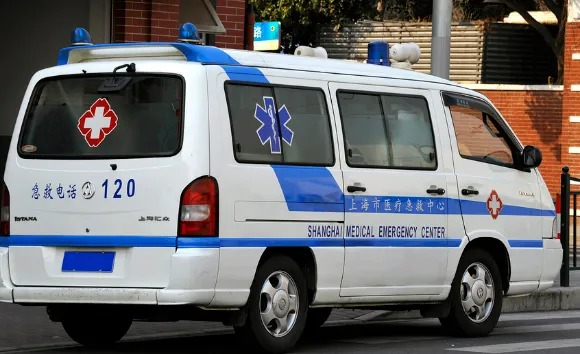
Before You Need Help: What Every Foreigner Should Know
-
✅ All emergency calls are free (even without phone credit).
-
✅ Emergency numbers work nationwide.
-
✅ In large cities (Beijing, Shanghai, Guangzhou, Shenzhen, Chengdu, Hangzhou), many operators can speak basic English.
-
✅ You can call emergency services from any Chinese SIM card.
-
⚠️ Some emergency numbers may not work on foreign roaming SIMs.
-
⚠️ English service is not guaranteed in rural areas.
What You Should Always Be Ready To Say (The Four Ws):
To ensure the fastest dispatch, provide this information clearly and concisely:
-
Location: (Where are you?)
-
Example: “I am at Beijing Sanlitun SOHO, Building 2, near the West Gate.”
-
-
Situation: (What happened?)
-
Example: “I was robbed.” / “There is a large fire in the kitchen.” / “Someone is having a severe seizure.”
-
-
Involvement: (How many people are involved?)
-
Example: “One victim,” or “About 10 cars in the pile-up.”
-
-
Injuries: (Is anyone hurt?)
-
Example: “One person is unconscious,” or “Two people are bleeding heavily.”
-
The "Essential Trifecta" represents the three primary, life-saving emergency services in mainland China. These are reserved for immediate threats to life, property, or security. All three hotlines are 24/7, year-round services.
110: Police and Public Security (The Law Enforcement Lifeline)
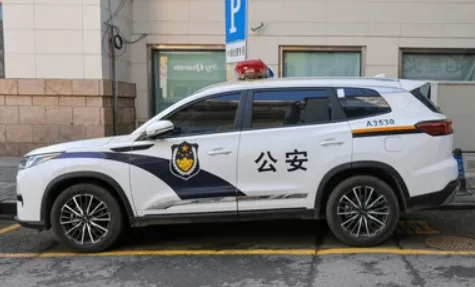
International Equivalent: US/Canada: 911; UK: 999; EU: 112
Use For: All crimes, security incidents, traffic accidents, disturbances, and immediate threats to life or property.
If you see/experience: Theft, assault, harassment, domestic violence, significant public disturbances, or require urgent police intervention.
What to do: State your location first. Clearly describe the incident (e.g., "A robbery just happened," "There is a car accident"). Stay safe and follow the operator's instructions while waiting for the patrol team.
Important for Foreigners:
-
Many big-city police dispatch centers support English (especially 110).
-
Even if the officer at the scene does not speak English, they will still assist you and can often call a translator.
-
You can go directly to any police station (派出所, Pàichūsuǒ) to report a crime or incident without an appointment.
119: Fire Department and Rescue (The Fire and Non-Medical Rescue Lifeline)
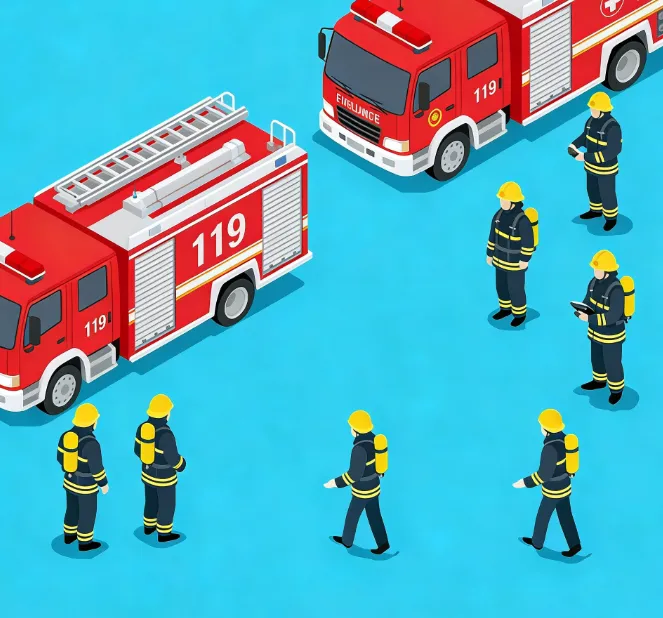
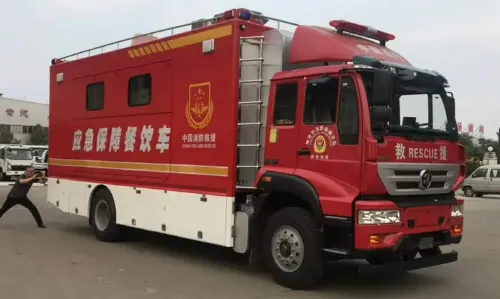
International Equivalent: US/Canada: 911; UK: 999; EU: 112
Use For: All types of fire, gas leaks, structural collapse, and non-medical rescue situations.
When You Need Help: When you see smoke or fire, smell gas, are trapped in an elevator, or witness a traffic accident where people are trapped in a vehicle.
What To Do: Immediately report the exact address and the type of emergency (e.g., "Building fire on the 5th floor"). Confirm if anyone is trapped inside and if it is safe for you to wait nearby.
Important for Foreigners:
-
Language Barrier: English support is less common for 119 than 110; focus on keeping your description of the emergency simple and clear.
-
Non-Fire Rescue: 119 also handles many technical rescues, such as freeing people stuck in elevators, minor industrial accidents, or even retrieving pets from dangerous situations.
-
Safety First: If it's a fire, evacuate the area immediately before calling.
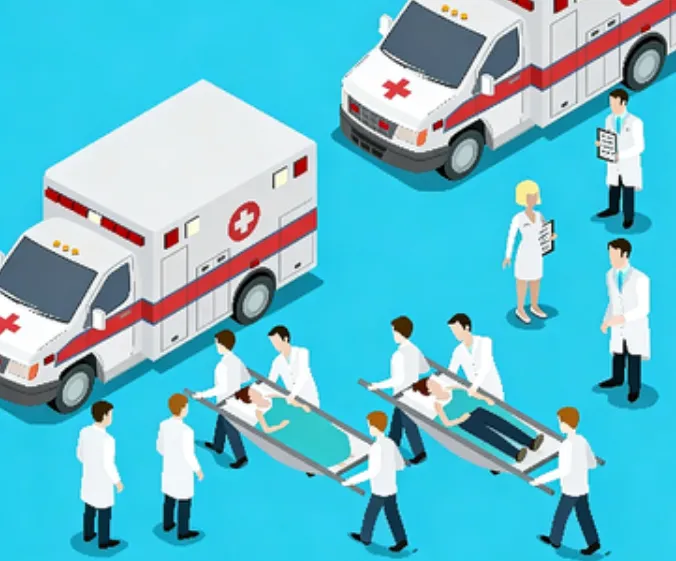
120: Ambulance and First Aid (The Medical Lifeline)
International Equivalent: US/Canada: 911; UK: 999; EU: 112
Use For: Serious injuries, acute illnesses, severe allergic reactions, or any medical situation requiring immediate hospital transport.
When Someone Is: Unconscious, bleeding heavily, having chest pains, difficulty breathing, or suffering a severe fracture.
What To Do: State the location and the victim's primary symptoms (e.g., "He is unconscious and bleeding from the head"). Do not hang up until the dispatcher releases you, as they may provide pre-arrival first aid instructions.
Important for Foreigners:
-
Hospital Destination: Ambulances typically transport patients to the nearest suitable public hospital, not necessarily a specific international clinic you might prefer.
-
Payment: Be prepared for payment at the hospital upon arrival. Have your passport, insurance details, and payment methods (cash/card/mobile pay) ready.
-
Document Readiness: Ensure your passport and any existing medical records are quickly accessible for the hospital intake process.
122: Specialized Traffic Police Hotline (Traffic Accident)
International Equivalent: Calling Highway Patrol or the non-emergency police line for accident reports (e.g., required for insurance).
Use For: Official traffic police intervention, scene management, accident investigation, and liability assessment (determining fault).
When Someone Is: Road traffic accidents involving vehicles, especially those causing injury, significant property damage, or whenever an official police report is mandatory for insurance or legal processes.
What To Do (Scene Protocol):
-
Ensure immediate safety (turn on hazard lights, set up a warning triangle).
-
If safe and possible, take photos of the scene and vehicle damage before moving anything.
-
Wait for the traffic police to arrive to complete the official documentation.
Important for Foreigners:
-
Official Report: The police report is crucial for international travel or vehicle insurance claims. Use 122 to ensure this official liability assessment is carried out.
-
Documentation: The official traffic accident report is the mandatory legal document required by insurance companies.
-
Priority: If serious injuries are involved, always call 120 (Ambulance) first, then call 122 for the police report.
How to Get a China Driver's License
⚠️ Legal Warning: Traffic Accidents & Driving Permits
If you are involved in an accident while driving a car or motorcycle, know that International Driving Permits (IDPs) are 100% invalid in China. If the traffic police (122) discover you are driving with an IDP rather than a Temporary Driving Permit or full Chinese license, you will be considered to be driving without a license, which carries severe penalties and voids your insurance.
Your Embassy/Consulate (The Highest-Level Support)
-
Key Action: Keep their direct 24/7 emergency number and address stored. Contact them immediately for guidance before signing any police or legal documents.
-
Contact Tip: Always verify the dedicated 24/7 Emergency Line before travel, as the regular office number is rarely monitored after hours.
24/7 Consular Emergency Hotline Quick Reference (Major Countries)
For U.S., UK, Canada, France, and German citizens, please use these 24/7 emergency numbers for consular assistance (after local emergency services 110/120/119 are called).
|
Country |
24/7 Emergency Hotline (From China) |
Important Note |
|---|---|---|
|
+(86)(10) 8531-4000 |
This number routes to the Duty Officer 24/7. |
|
|
+44 (0)20 7008 5000 |
This is the global FCDO line. Call and ask to be connected to the Consular Team for China. |
|
|
Canada |
+86 (10) 5139-4000 |
Follow the prompts to reach the emergency officer outside of business hours. |
|
Germany |
+86 (0)10 8532 9202 |
For emergencies outside of regular business hours only. |
|
France |
+86 (10) 85 32 80 80 |
Call the main number; it will redirect to the Duty Officer for citizens in distress. |
Consular Services: Scope and Limitations
What They CAN Do:
-
Provide guidance and support during major crises (e.g., natural disasters, civil unrest).
-
Issue emergency travel documents (e.g., if a passport is lost or stolen).
-
Visit you if you are detained or arrested to monitor your welfare.
-
Provide lists of local lawyers, doctors, and translators.
-
Advise you on the local legal process and your rights.
What They CANNOT Do:
-
They cannot replace police (Cannot interfere with domestic law enforcement operations).
-
They cannot help you avoid legal responsibility (Must respect local laws and legal process).
-
They cannot pay your fines or hospital bills (Consular services do not provide financial guarantees).
-
They cannot secure your release from jail (Their role is advisory and protective).
The 12308 Consular Hotline (Global Protection)
-
Use Case: Urgent consular protection for a Chinese national abroad, or major crises affecting foreign nationals within China (e.g., a large-scale evacuation or disaster).
-
Key Action: Call 12308 for crisis guidance. This is a 24/7 service. Note: While primarily for Chinese citizens, it is a resource during national-level emergencies.
-
Dialing Tip: If calling from a non-Chinese phone number (e.g., an international roaming SIM or when abroad), dial
+86-10-12308or+86-10-5991-3991(backup).
Tourist Police (Scams and Minor Disputes)
-
Use Case: Scams, minor disputes with vendors, conflicts over ticket pricing, or general concerns in heavily touristed areas.
-
Key Action: Look for dedicated Tourist Service Centers or ask local security personnel for the nearest Tourist Police office. They are often better equipped to mediate minor conflicts than 110.
-
Contact Tip: Tourist Police units are usually physical offices or specialized teams; they typically do not have a separate public hotline. If you cannot find their office, call 110 and state the issue occurred in a tourist area.
12367: National Immigration Service Hotline
This number is the official channel for immigration-related inquiries.
-
Use Case: Official consultation on all matters related to immigration, visas, residence permits, entry/exit procedures, and work permits for foreign nationals.
-
Key Action: Prepare your passport, visa, or residence permit number before calling to ensure accurate consultation services.
-
Contact Tip: Guaranteed English service is provided, making this a reliable channel for non-Chinese speakers to handle immigration affairs. Service hours are typically standard business hours (e.g., 9:00 AM to 5:00 PM local time).
These hotlines are your resource for daily life management, service complaints, and administrative guidance.
12345: Government Service Hotline
The 12345 hotline is the citizen service center, handling nearly all non-emergency public service issues.
-
Purpose & Scope:
-
Scope: Use this for public utility faults (broken water pipes, power outages), urban management, environmental complaints (noise), and non-emergency policy consultation.
-
Strategy: For any local non-emergency issue that involves a government department or public service, 12345 is the correct starting point.
-
-
English Service and Tracking Tip:
-
Operating Hours Note: While the response and handling of cases occur during business hours, the 12345 line typically operates 24 hours a day for accepting non-emergency complaints and issues.
-
Tier 1 Advantage: Cities like Shanghai, Shenzhen, and Beijing have highly developed English-language protocols for 12345. They will often transfer you directly to an English-speaking representative or an interpreter.
-
Tracking: You can usually obtain a case number and track the acceptance, dispatch, processing, and feedback of your complaint or inquiry.
-
-
Key Limitation: 12345 is an administrative transfer service. They cannot dispatch emergency services (call 110/120/119 for that), nor can they guarantee an immediate resolution. Case handling time is based on standard bureaucratic procedure.
12315: Consumer Complaints
-
When to Call: Reporting consumption disputes, product quality issues, false advertising, or service complaints against businesses.
-
Operating Hours Note: This service typically operates during standard business hours (e.g., Mon-Fri, 9:00 AM - 5:00 PM local time).
-
Key Limitation: 12315 is a mediation and enforcement channel. They cannot force a business to issue an immediate refund or compensation; their role is to investigate the dispute and facilitate a formal resolution, which may take time.
12328: Transportation Complaints
-
When to Call: This hotline, managed by the Ministry of Transport, handles disputes concerning all public transportation, including:
-
Taxis: Overcharging, rude service, refusal to take a fare.
-
Ride-hailing services (e.g., Didi): Safety concerns, platform disputes.
-
Long-distance bus services: Schedule issues, poor service.
-
-
Note: This serves as a formal complaint channel against transportation operators.
-
Operating Hours Note: This service typically operates during standard business hours for complaint processing.
-
Key Limitation: This is a formal complaint channel for administrative review. They cannot provide instant compensation or resolve on-the-spot disputes. Use this for documentation and formal investigation requests.
12301: National Tourism Service Hotline
-
When to Call: Tourism-related complaints (e.g., tour guides, ticket vendors), general travel information, and assistance while traveling.
-
Operating Hours Note: This service usually operates during standard business hours or extended tourism season hours, not 24/7.
-
Key Limitation: Similar to other complaint lines, 12301 provides information and mediates disputes with tourism operators. They cannot provide instant refunds or overrule booking policies.
12320: Health and Mental Wellness Hotline
-
When to Call: This is the national public health hotline managed by health commissions. Use it for:
-
General Health Consultations: Non-emergency medical advice or consultation.
-
Mental Health Referrals: Seeking local mental health support or psychological counseling resources.
-
Public Health Complaints: Reporting issues related to food safety, sanitation, or disease prevention protocols.
-
-
Service Note: This is an information and referral line, not an emergency medical service. For immediate threats, always call 120.
Knowing the correct order of operations in a crisis is vital for safety and effective intervention.
A. If You Are a Victim of Theft or Robbery (110 Focus)
-
Safety First: Immediately move away from the perpetrator and go to a safe, well-lit location. Your personal safety is the priority.
-
Call 110: Dial 110 immediately and clearly state your location and that you are the victim of theft or robbery.
-
Secure Evidence: If safe, do not touch the scene. Immediately use your phone to take photos or videos of the scene, any witnesses, or identifying features of the suspect(s).
-
Wait for Police: Do not leave the location until police arrive. They will issue a formal police report (essential for insurance claims or passport replacement).
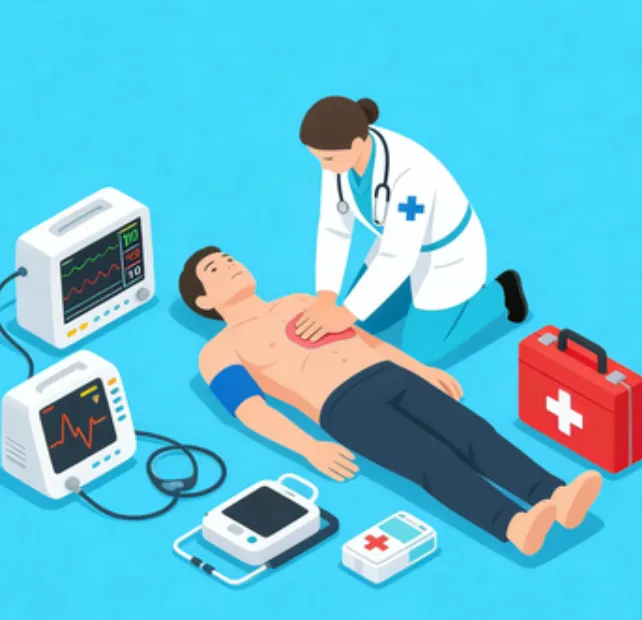
B. If Someone Needs Medical Help (120 Focus)
-
Call 120: Dial 120 and follow the location/situation protocol (as detailed in Chapter 1). State the patient's condition (e.g., unconscious, having chest pain, severe bleeding).
-
CPR/First Aid: If you are trained, provide immediate first aid (like firm pressure on a bleeding wound or starting CPR) while waiting for the ambulance.
-
Prepare Payment: Have cash, WeChat Pay, or Alipay ready. Payment for ambulance transport and initial hospital care is often required upfront.
-
Gather Info: Locate the patient's ID/passport, insurance details, and any medication list to take to the hospital staff.
C. If You Discover a Fire (119 Focus)
-
Sound Alarm: If safe, activate the nearest fire alarm (often a red pull station on the wall) and alert others in the immediate vicinity by shouting, "Fire!" (起火啦! Qǐ huǒ la!).
-
Evacuate: Get out immediately via the stairs. Do NOT use elevators. If possible, feel doors for heat before opening them. If smoke is present, stay low to the floor.
-
Call 119: Once you are safely outside, call 119. Report the exact building, floor, and what is burning.
-
Stay Out: Do not re-enter the building for any reason. Wait for the fire department to arrive and coordinate with building security.
D. If You Are Arrested (110 / Embassy Focus)
Being arrested or detained is a serious situation. Remain calm, cooperate with authorities, and immediately request consular access.
-
Stay Calm and Cooperate: Do not resist, argue, or attempt to flee. Cooperate with the police and follow their instructions. This is crucial for avoiding complications.
-
Confirm Your Identity: Provide your name, date of birth, and nationality, but do not offer additional information until you have spoken to an authorized representative.
-
Demand Consular Contact: State clearly, "I need to contact my embassy or consulate." (in Chinese: Wǒ xūyào liánxì wǒ de dàshǐguǎn/lǐngshìguǎn.). Chinese law generally mandates that authorities must notify your consulate upon request.
-
Request an Interpreter: If you are not fluent in Chinese, insist on a qualified interpreter being present for any questioning or signing of documents.
-
Do Not Sign Unseen Documents: Crucial: Never sign any document (including statements or transcripts) that you cannot read, do not fully understand, or that is not translated for you. Signing indicates acceptance of the contents.
-
Exercise the Right to Silence: In China, you have the right to refuse to answer questions other than those related to your identity. Politely state, "I prefer to wait for my lawyer and consular officer."
Overcoming the language barrier is the biggest challenge in a Chinese emergency. Prepare for it now.
A. Strategic Communication for Emergencies
-
Location is King (The Address Imperative):
-
The most critical piece of information you can provide is the Chinese street address (中文地址). Chinese dispatch systems rely on precise characters, not Pinyin or English names.
-
Actionable Tip: Always save your hotel, residence, and immediate destinations' Chinese addresses and Pinyin (or a clear photo of the building sign) on your phone.
-
-
Essential Chinese Survival Phrases:
-
This list contains 10 phrases that cover most immediate survival needs:
English Phrase
Pinyin
Chinese Characters
English, please.
Qǐng shuō Yīngyǔ
请说英语。
Help!
Jiùmìng!
救命!
I need the police.
Wǒ xūyào jǐngchá
我需要警察。
I need an ambulance.
Wǒ xūyào jiùhùchē
Wǒ xūyào jiùhùchē
My address is...
Wǒ de dìzhǐ shì...
我的地址是...
I am injured/hurt.
Wǒ shòushāng le
Wǒ shòushāng le
I have pain here.
Wǒ zhèlǐ téng
Wǒ zhèlǐ téng
I am lost.
Wǒ mílù le
Wǒ mílù le
I lost my passport.
Wǒ diū le hùzhào
Wǒ diū le hùzhào
Please call my embassy.
Qǐng dǎ gěi wǒ de dàshǐguǎn
请打给我的大使馆。
-
-
Essential Translation Apps & Offline Mode
-
Overcoming the language barrier on-site (with police, medical staff, or bystanders) requires reliable translation technology. It is absolutely critical to download the Chinese language pack for offline use BEFORE you need it. (Best Translation Apps for China)
App
Primary Use
Pro Tip for Emergencies
Google Translate
Real-time voice conversation, camera translation (text on signs, documents).
CRITICAL: Download the English-Chinese offline pack immediately.
Baidu Translate
Highly accurate for mainland Chinese phrases, good text-to-text.
Reliable local context and translation for official signs/documents.
WeChat (Built-in)
Quick translation of text messages and image text within the app.
Essential for understanding emergency notifications from local contacts.
Pleco
Dictionary/phrasebook for quick word look-up.
Use the Handwriting Input feature to show officials or medics unfamiliar characters.
-
Offline Readiness: Crucially, download Chinese offline language packs for your translation app. You may not have reliable data service during a crisis, or your data may be restricted due to local network issues.
-
B. The Preparedness Checklist (Preventative Measures)
-
The Emergency Info Card: Create a physical or digital card listing bilingual details: Full Name, Passport No., Blood Type, Known Allergies (in Chinese), your Embassy's 24-hour number, a trusted Local Contact, and your Chinese residence address. Keep it in your wallet.
-
Embassy Enrollment: Register your trip with your home country’s travel enrollment program (e.g., the U.S. Smart Traveler Enrollment Program—STEP).
-
Health Insurance: Purchase comprehensive travel insurance that explicitly includes coverage for Medical Evacuation and Repatriation.
-
Local Map Apps: Use local mapping applications like Gaode (Amap) or Baidu Maps over international GPS tools, as they provide the required accurate Chinese addressing data.
-
Local SIM Card: Having a reliable, local Chinese SIM card and a registered phone number is essential for emergency services to contact and track you.
Q1: Can I call emergency numbers without a Chinese SIM card?
Answer: Yes. All emergency numbers (110, 120, 119) can be dialed from a foreign mobile phone, even without an active SIM card or mobile plan, provided the phone has signal access to a local network.
Q2: Do Chinese emergency operators speak English?
Answer: It varies. In Tier 1 cities (Beijing, Shanghai, Guangzhou), there is a high likelihood of finding an English speaker or being transferred. In smaller or remote areas, assume the operator will only speak Chinese, making your prepared phrases and translation apps critical.
Q3: What if I only know my English address/hotel name?
Answer: State it clearly, but immediately try to find the Chinese characters. The operator may cross-reference the hotel name, but you should urgently ask a passerby to translate the address into Chinese characters (or show the hotel key card). Chinese dispatch relies heavily on the official character address.
Q4: Is the ambulance service free?
Answer: No. Ambulance services (120/999) are usually billed directly or to the hospital, and the fees are not covered by the government. Ensure you carry proof of insurance or enough cash/digital payment methods to cover the initial costs.
Q5: How do the police handle lost property versus active crime reports?
Answer: They differentiate heavily. Lost property (like a wallet left on a train) is logged and filed as a non-emergency administrative matter, often handled at a local police station. Active crime (like being robbed) is a 110 priority, requiring immediate dispatch. Do not use 110 for simple lost items.
Related guide: Common China Tourist Scams & How to Avoid Them