Which Port Should You Choose?
-
Fastest Overall: West Kowloon Station (Take the High-Speed Rail from Shenzhen North/Futian straight into downtown HK).
-
Best for HK Airport: Shekou Ferry Terminal (Direct ferry to the airport SkyPier) or Shenzhen Bay (Cross-border buses).
-
Late at Night (After Midnight): You MUST use Huanggang Port (The only 24-hour crossing).
-
Easiest Subway Transfer: Luohu Port or Futian Port (Both connect directly to the HK MTR East Rail Line).
For first-time travelers between Shenzhen (Mainland China) and Hong Kong (Special Administrative Region), the physical boundary can be confusing. Despite their close proximity and shared sovereignty, Hong Kong maintains its own separate legal, economic, and immigration control system under the "One Country, Two Systems" principle established in 1997.
This means that whether you are traveling for business, tourism, or family visits, you must go through formal immigration and customs procedures—locally known as “guò guān” (crossing the border)—to move between the two territories. This 2025 guide aims to make this Shenzhen-Hong Kong border crossing process, which can sometimes seem daunting, a smooth and efficient part of your Greater Bay Area journey.
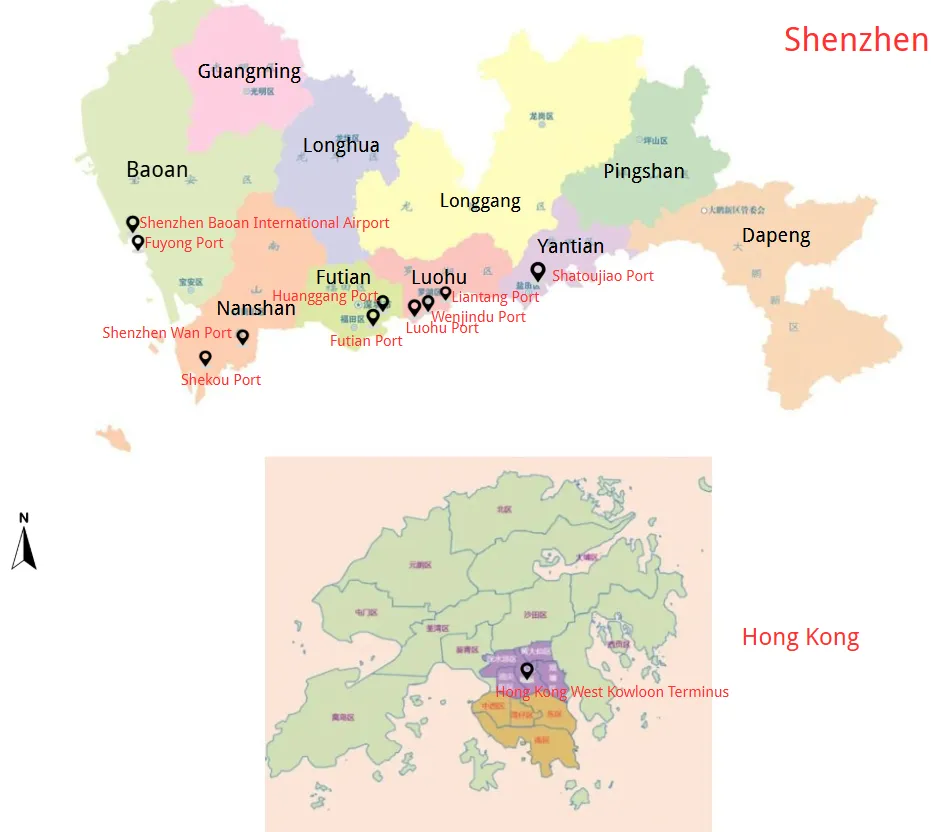
Choosing the right port for your Shenzhen to Hong Kong travel significantly impacts your commute time, cost, and ultimate destination within Hong Kong. Shenzhen has 16 Class 1 checkpoints approved by the State Council to open to the outside world. Among them are seven highway checkpoints, including Luohu, Wenjindu, Huanggang, Shatoujiao, Shenzhenwan, Futian, and Liantang checkpoints; two railway checkpoints —West Kowloon Station Port of Guangzhou-Shenzhen-Hong Kong Express Rail Link and Shenzhen Raiway Port; six sea ports, including Yantian Port, Daya Bay, Shekou, Chiwan, Mawan, and Dachan Bay; and one air checkpoint — Shenzhen Bao’an International Airport. Ports are categorized by their primary mode of transport: rail, road, or sea. Although there are 16 checkpoints in total, several of them are mainly for cargo traffic. Below, we’ll focus on the ones that are relevant to travelers.
|
Port Name (English / Pinyin) |
Chinese Name |
Transport Mode |
Operating Hours |
Clearance Style |
|---|---|---|---|---|
|
Luohu (Luohu Kouan) |
罗湖口岸 |
Metro/MTR/Foot |
06:30 – 24:00 |
Two-Stop |
|
Futian (Futian Kouan) |
福田口岸 |
Metro/MTR/Foot |
06:30 – 22:30 |
Two-Stop |
|
West Kowloon Station |
香港西九龙站 |
High-Speed Rail |
06:00 – 24:00 (HSR Schedule Dependent) |
One-Stop (Co-location) |
|
Shenzhen Bay (Shenzhenwan Kouan) |
深圳湾口岸 |
Road/Bus/Car |
06:30 – 23:30 |
One-Stop (Co-location) |
|
Huanggang (Huanggang Kouan) |
皇岗口岸 |
Road/Bus/Car |
24 Hours |
Two-Stop (Shuttle Bus) |
|
Wenjindu (Wenjindu Kouan) |
文锦渡口岸 |
Road/Car |
07:00 – 22:00 |
Two-Stop |
|
Shatoujiao (Shatoujiao Kouan) |
沙头角口岸 |
Road/Car |
07:00 – 22:00 |
Two-Stop |
|
Liantang (Liantang Kouan) |
莲塘口岸 |
Road/Foot/Bus |
07:00 – 22:00 |
One-Stop (Co-location) |
|
Shekou Ferry Terminal |
蛇口邮轮中心 |
Sea (Ferry) |
Ferry Schedule Dependent |
One-Stop (at Sea) |
⚠️ Important Note on Road Ports (Car/Vehicle Access)
The "Road/Bus/Car" designation applies to Licensed Cross-Boundary Vehicles only. Travelers cannot drive personal, single-plate (mainland or Hong Kong) cars across the border.
-
Eligibility: To drive a private vehicle across the border, the vehicle must hold a special Dual-Plate License (e.g., "粤Z" or "FV" plates), which requires high regulatory approval (e.g., significant investment in Guangdong or being a Hong Kong resident).
-
Traveler Access: International travelers typically use the road ports via:
-
Cross-Border Coaches/Shuttle Buses (Most common and accessible).
-
Cross-Border Taxis or Hired Cars (Which possess the required dual plates). (China Ride-Hailing & Taxi Guide)
-
Key Concept: One-Stop vs. Two-Stop Clearance Modes
This is the most crucial distinction affecting your crossing time and efficiency when moving between Shenzhen and Hong Kong.
-
Two-Stop Clearance (e.g., Luohu, Futian): You must first complete exit procedures at the Mainland Chinese building, then physically cross the border, and finally complete entry procedures at the Hong Kong building.
-
One-Stop Clearance (Co-location Clearance) (e.g., Shenzhen Bay, West Kowloon, Liantang): Both Mainland Chinese and Hong Kong immigration and customs procedures are completed within the same building, often at adjacent counters. This is generally the fastest border crossing method as it eliminates the need to travel between two separate inspection halls.
⚠️ Crucial Difference: Shenzhen VOA vs. 144-Hour Transit Do not confuse these two policies!
-
The 5-Day Shenzhen VOA is bought at the border (like Luohu or Huanggang) without needing onward flights. However, it is only available to specific nationalities and strictly restricts you to the Shenzhen city limits.
-
The 144-Hour Visa-Free Transit requires you to arrive in Guangdong via a flight/ship/train from Country A, and hold a pre-booked ticket departing to Country C. You generally cannot just walk across the Luohu border from Hong Kong and ask for the 144-hour transit unless you have a qualifying onward international flight departing from Mainland China.
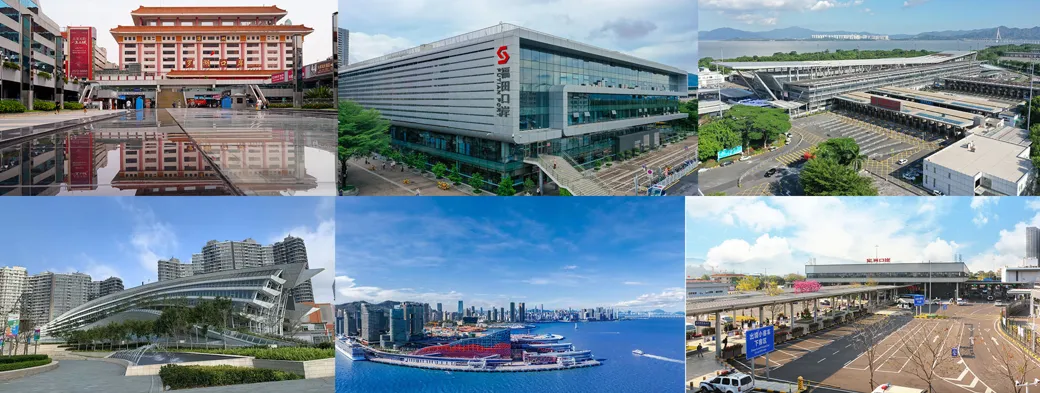
For most international visitors, the choice typically focuses on the following six strategically important ports. All Estimated Times of Arrival (ETA) exclude travel time to the port itself but include immigration clearance time.
1. Luohu Port (罗湖口岸 / Lo Wu) - The Classic Rail Gateway
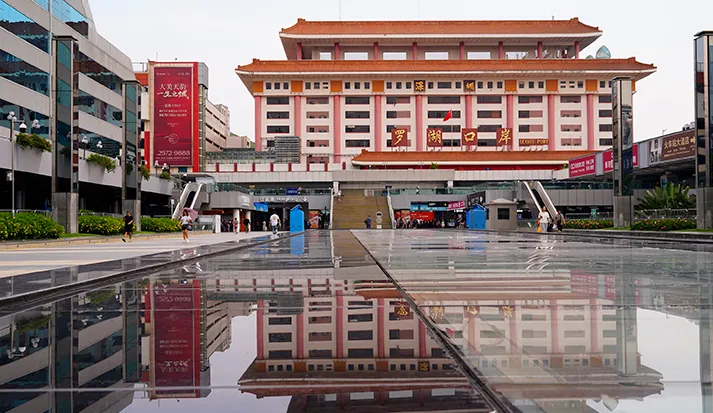
Luohu Port is located on the southern side of the Luohu Commercial City in Luohu District, Shenzhen, and is separated from Hong Kong’s New Territories by a river. Luohu Port adopted fingerprint identification technology, and self-service inspection channels were put into service for passengers. Up to date, there are 190 inspection channels in this checkpoint, including 115 self-service channels and 75 manual channels. Therefore, passengers can complete self-service inspections within 2 to 5 seconds, ensuring that they queue for border crossing no more than 30 minutes.
-
Transport Mode: Metro/MTR/Foot.
-
Operating Hours: 06:30 – 24:00.
-
Clearance Style: Two-Stop Clearance.
-
Shenzhen/HK Connection: * Shenzhen side: Metro Line 1 (Luohu Station) or Line 9 (Renmin South Station). The closest entrance is Exit A of Luohu Station (with escalator) on Line 1.
-
HK side: After clearance, you directly enter the Lo Wu MTR Station, connecting to the MTR East Rail Line (EAL).
-
-
Clearance Procedure (Two-Stop):
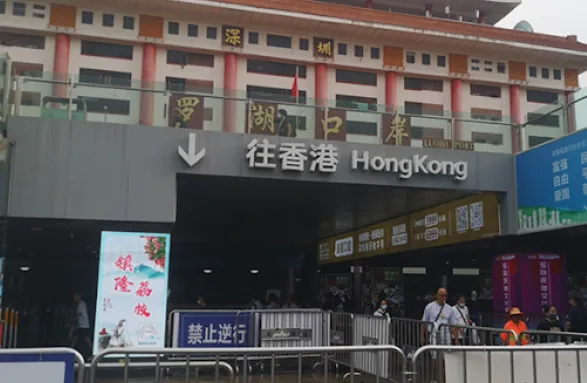 Image from Hkong.hk, Copyright by original author
-
Shenzhen Side (Luohu Port): Follow "To Hong Kong" Sign. Complete Mainland China Exit procedures (Exit China).
-
Walk: Walk across the connecting bridge over the Shenzhen River.
-
Hong Kong Side (Lo Wu): Choose the "foreigners" or "visitors" lane. Complete Hong Kong Entry procedures (Enter HK).
-
Completion: Proceed into the Hong Kong MTR station to board the train.
-
-
Typical Cost: MTR Fare: HKD 55-70 (to core city area).
-
Best For: Travelers residing in Eastern Shenzhen, first-time visitors, and those with bulky luggage (due to transit convenience).
-
⚠️ Peak Time Warning: As the busiest rail/foot crossing, waiting times can easily exceed 90 minutes on weekend mornings or during public holidays.
-
End-to-End Travel Time & Routes (Total Time from Port to Destination):
-
→ Central (中环): ~70-80 mins (MTR EAL to Admiralty → Transfer).
-
→ Tsim Sha Tsui (尖沙咀): ~60-70 mins (MTR EAL to Hung Hom → MTR/Bus).
-
→ Mong Kok (旺角): ~50 mins (MTR EAL to Mong Kok East → Walk/MTR).
-
→ HK Airport / Tung Chung: ~110-120 mins (MTR EAL → Kowloon Tong → MTR Tung Chung Line).
-
2. Futian Port (福田口岸 / Lok Ma Chau Spur Line) - Efficient Rail Link
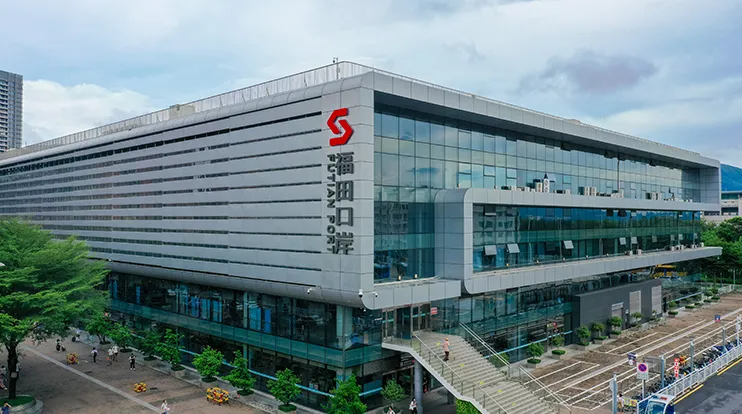
Futian Port serves as a land port for passenger entry and exit, situated on Yuheng Road, Futian District (on the eastern side of the Futian Free Trade Zone). The outbound and inbound halls are separately arranged on different floors of the building with 146 clearance channels — 78 for outbound passengers and 68 for inbound passengers, with designed passenger clearance capacity up to 250,000 times per day. A pedestrian bridge project, connecting the Joint Inspection Building at Futian Port with Hong Kong’s Lok Ma Chau Control Point on the Guangzhou-Kowloon Railway, serves as a key hub linking Shenzhen Metro Line 4 with Hong Kong MTR’s East Rail Line. This bridge is 240 meters long, with 116 meters on the Shenzhen side and 124 meters on the Hong Kong side, and 16.5 meters wide. It has two levels with one-way traffic for each, and is equipped with moving walkways for passengers traveling between Shenzhen and Hong Kong by taking Shenzhen Metro Line 4 and Hong Kong MTR’s East Rail Line for their transit.
-
Transport Mode: Metro/MTR/Foot.
-
Operating Hours: 06:30 – 22:30.
-
Clearance Style: Two-Stop Clearance.
-
Shenzhen/HK Connection: * Shenzhen side: Metro Lines 4 and 10 (Futian Port Station), with Exits A, B, and C all leading directly to the port building.
-
HK side: After clearance, you directly enter the Lok Ma Chau MTR Station, connecting to the MTR East Rail Line (EAL).
-
-
Clearance Procedure (Two-Stop):
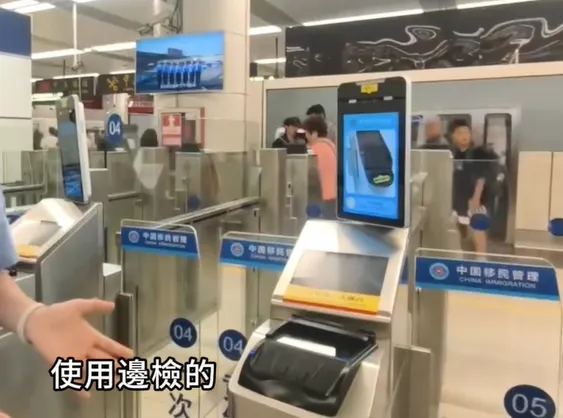 Image from wenweipo, Copyright by original author
-
Shenzhen Side (Futian Port): Follow "To Hong Kong" Sign. Complete Mainland China Exit procedures (Exit China).
-
Walk: Walk across the connecting bridge over the Shenzhen River.
-
Hong Kong Side (Lok Ma Chau): Choose the "foreigners" or "visitors" lane. Complete Hong Kong Entry procedures (Enter HK).
-
Completion: Proceed into the Hong Kong MTR station to board the train.
-
-
Typical Cost: MTR Fare: HKD 50-65 (to core city area).
-
Best For: Business travelers, commuters, and those seeking a slightly faster MTR connection than Luohu.
-
⚠️ Peak Time Warning: Due to its proximity to the Futian CBD, this port is often congested during morning rush hour (8-10 am) on weekdays and throughout the weekend.
-
End-to-End Travel Time & Routes (Total Time from Port to Destination):
-
→ Central (中环): ~65-75 mins (MTR EAL to Admiralty → Transfer).
-
→ Tsim Sha Tsui (尖沙咀): ~55-65 mins (MTR EAL to Hung Hom → MTR/Bus).
-
→ Mong Kok (旺角): ~45 mins (MTR EAL to Mong Kok East → Walk/MTR).
-
→ HK Airport / Tung Chung: ~100-110 mins (MTR EAL → Kowloon Tong → MTR Tung Chung Line).
-
3. Shenzhen Bay Port (深圳湾口岸) - The Road One-Stop Model
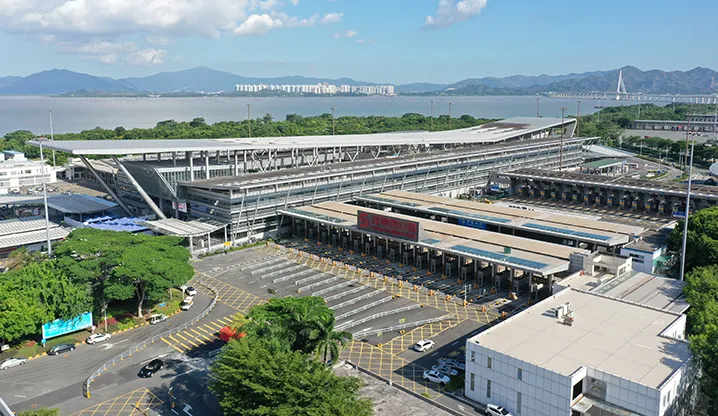
Shenzhenwan Port, currently the largest comprehensive passenger and cargo highway checkpoint in Asia, is located at Dongjiaotou, Shekou in Shenzhen. It consists of the checkpoint area, Shenzhenwan Bridge, and the connecting highways. And it is connected with Aokanshi in Hong Kong through Shenzhenwan Bridge. Its designed capacity of clearance is 60,000 times for passengers and 58,700 times for vehicles per day. Inside the passenger inspection building of this Checkpoint, 62 exit channels and 55 entry channels are in function.
-
Transport Mode: Road/Bus/Car.
-
Operating Hours: 06:30 – 24:00.
-
Clearance Style: One-Stop Clearance (Co-location Clearance) (Both China and HK immigration processed in the same building).
-
Shenzhen/HK Connection: Requires a bus/taxi transfer from the nearest Metro station (e.g., Line 9 Shenzhen Bay Park Station) to the port building; the Hong Kong side offers direct cross-border coaches or local buses (e.g., B2, B3X).
-
Clearance Procedure (One-Stop):
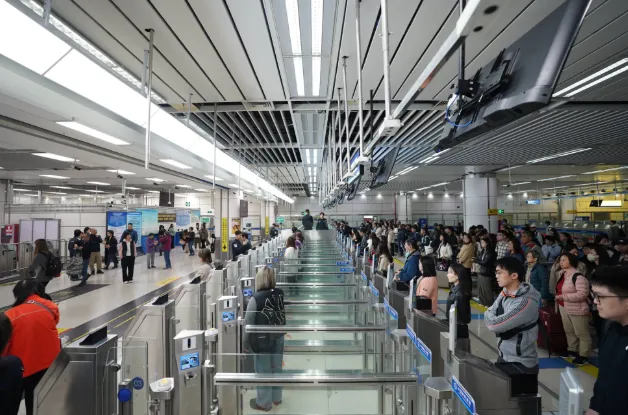 Image from sohu, Copyright by original author
-
Enter Building: Arrive at the port building (located on the Shenzhen side).
-
Dual Inspection: On the same floor, sequentially complete Mainland China Exit procedures (Exit China) and Hong Kong Entry procedures (Enter HK).
-
Completion: Exit the building and transfer to a cross-border coach or taxi to enter Hong Kong.
-
-
Typical Cost: Cross-Border Coach: HKD 50-150 (to core city area, one-way). Check Shenzhen wan port Hong Kong cross border bus timetable
-
Best For: Travelers with heavy luggage, direct airport transfers, and families preferring minimal walking.
-
⚠️ Peak Time Warning: Despite its fast One-Stop clearance, heavy traffic from cross-border coaches and private cars, coupled with high passenger volume, can lead to long queues to simply enter the building on weekends and holidays.
-
End-to-End Travel Time & Routes (Total Time from Port to Destination):
-
→ Central (中环): ~70-90 mins (Direct Cross-Border Coach, Traffic Dependent).
-
→Tsim Sha Tsui (尖沙咀): ~60-80 mins (Direct Cross-Border Coach, Traffic Dependent).
-
→ Mong Kok (旺角): ~60-80 mins (Direct Cross-Border Coach, Traffic Dependent).
-
→ HK Airport / Tung Chung: ~70-90 mins (Bus B3X/E33 → Airport/Tung Chung. Best road-based option for Airport Transfer).
-
4. West Kowloon Station (香港西九龙站) - The High-Speed Rail King
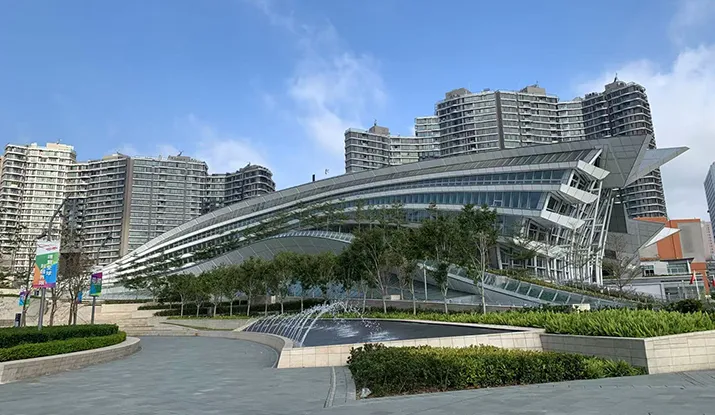
West Kowloon Station Port of Guangzhou-Shenzhen-Hong Kong Express Rail Link, located within the Hong Kong SAR, is an international railway passenger checkpoint that operates year-round. West Kowloon station includes the Hong Kong Port Area and the Mainland Port Area, where entry and exit inspections are carried out under the “two inspections at one place” mode. Inspections are conducted separately by Hong Kong and China Mainland authorities in accordance with their respective laws to oversee the clearance process. The first underground floor serves as the ticketing hall, the second underground floor for passenger arrival, the third underground floor for passenger departure, and the fourth underground floor as the train platforms.
-
Transport Mode: High-Speed Rail (HSR).
-
Operating Hours: 06:00 – 23:30 (HSR schedule dependent).
-
Clearance Style: Co-location Clearance (“two inspections at one place". All procedures completed within the HK station).
-
Shenzhen/HK Connection: Trains depart from Futian HSR Station or Shenzhen North HSR Station (requires ticket purchase, CNY 68-80); the Hong Kong side is in Kowloon, connecting to the MTR Austin Station (Tuen Ma Line) and Kowloon Station (Airport Express).
-
Clearance Procedure (One-Stop):
-
Arrive in HK: Travel by HSR to Hong Kong West Kowloon Station.
-
Dual Inspection: Within the same restricted zone of the West Kowloon Station, first complete Mainland China Exit procedures (Exit China), immediately followed by Hong Kong Entry procedures (Enter HK).
-
Completion: Exit the inspection area and proceed to the Hong Kong MTR/Taxi area.
-
-
Typical Cost: HSR Ticket: CNY 68-80 (from Shenzhen North/Futian).
-
Best For: Maximum speed, and travelers connecting from other major Chinese cities. Requires pre-booking HSR tickets.
-
⚠️ Peak Time Warning: While the clearance itself is highly efficient, security checks and immigration queues can still form during peak HSR arrival and departure times (early morning, mid-afternoon, and evenings).
-
End-to-End Travel Time & Routes (Total Time from HSR Arrival to Destination):
-
→ Central (中环): ~25-30 mins (MTR Tung Chung Line → Hong Kong Station).
-
→ Tsim Sha Tsui (尖沙咀): ~15-20 mins (Short taxi or MTR transfer).
-
→ Mong Kok (旺角): ~25 mins (MTR Austin → MTR Mong Kok).
-
→ HK Airport / Tung Chung: ~30-40 mins (Direct Airport Express from Kowloon Station. Fastest Overall Option).
-
5. Huanggang Port (皇岗口岸) - The 24-Hour Lifeline
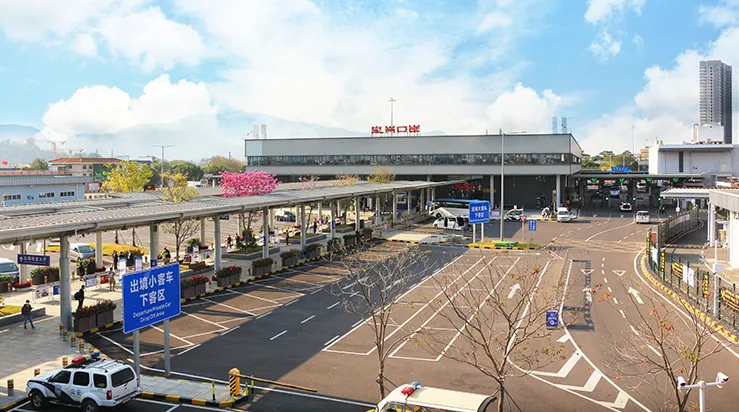
Huanggang Port, a vital connection between Shenzhen and the Hong Kong SAR, situated in the southern part of Shenzhen. It is the comprehensive 24-hour passenger and cargo checkpoint in Shenzhen. Its first floor serves as the inspection hall for inbound and outbound passengers, while the mezzanine and second floor are allocated for service rooms. And there are 40 inspection channels for passengers and 8 channels for motor coaches.
-
Transport Mode: Road/Bus/Car.
-
Operating Hours: 24 Hours.
-
Clearance Style: Two-Stop Clearance, requiring a Shuttle Bus between the two territory inspection buildings.
-
Shenzhen/HK Connection: * Shenzhen Side: Metro Line 7 (Huanggang Port Station), with Exits F and G providing the fastest access to the clearance area of the new Huanggang Port building.
-
HK side: After clearance, take the Shuttle Bus to Lok Ma Chau → Transfer to a cross-border coach or taxi to Hong Kong urban areas.
-
-
Clearance Procedure (Two-Stop + Shuttle):
-
Shenzhen Side (Huanggang Port): Complete Mainland China Exit procedures (Exit China).
-
Transfer Bus: Board the port's Shuttle Bus (approx. 5-10 minutes) to cross the border.
-
Hong Kong Side (Lok Ma Chau): Complete Hong Kong Entry procedures (Enter HK).
-
Completion: Transfer to other transportation options.
-
-
Typical Cost: Shuttle Bus + Coach/Bus: HKD 60-120 (to core city area). Check Huanggang to Hong Kong cross border bus timetable
-
Best For: Travelers who need a 24-hour border crossing late at night (00:00–06:30) when all other ports are closed.
-
⚠️ Peak Time Warning: While clearance is relatively quick between midnight and 4 am, daytime peak hours, especially on weekends, can involve long total waiting times due to the necessity of taking the shuttle bus between clearance buildings.
-
End-to-End Travel Time & Routes (Total Time from Port to Destination):
-
→ Central (中环): ~80-100 mins (Shuttle → Coach/Bus → MTR/Destination).
-
→ Tsim Sha Tsui (尖沙咀): ~75-90 mins (Shuttle → Coach/Bus).
-
→ Mong Kok (旺角): ~70-85 mins (Shuttle → Coach/Bus).
-
→ HK Airport / Tung Chung: ~100-120 mins (Shuttle → Bus/Coach to N.T. → Airport Bus).
-
6. Liantang Port (莲塘口岸) - The Eastern One-Stop Model
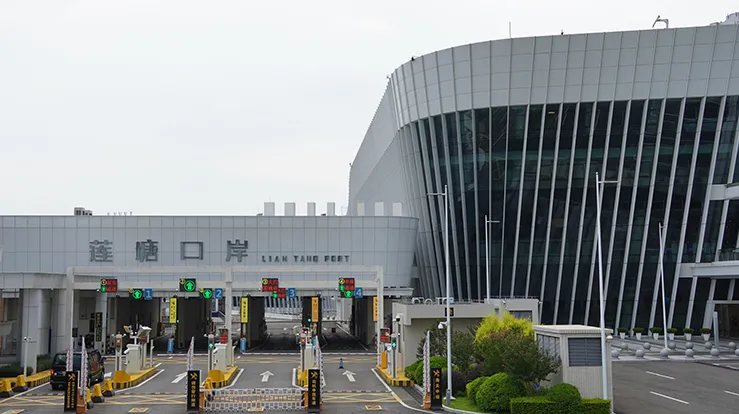
Liantang Road Checkpoint is located in Liantang Subdistrict, Luohu District, Shenzhen, Guangdong Province. It borders Luosha Road to the north and extends south to the Shenzhen River. Liantang Port operates under a “two inspections at two places” model, with direct access for both passengers and vehicles, and a “one-stop” clearance system for vehicles. Its designed capacity of clearance is 30,000 times for passenger and 18,000 times for vehicle per day. So far, its peak passenger traffic has exceeded 100,000 times and the daily average passenger flow reaches 65,000 times.
-
Transport Mode: Road/Foot/Bus.
-
Operating Hours: 07:00 – 22:00.
-
Clearance Style: One-Stop Clearance (Co-location Clearance) (Both China and HK immigration processed in the same building).
-
Shenzhen/HK Connection: * Shenzhen Side: Metro Lines 2 and 8 (Liantang Port Station), with Exits A and C leading directly to the port building.
-
HK side: Offers direct cross-border coaches and local buses (e.g., B7, B8 to Sheung Shui MTR Station).
-
-
Clearance Procedure (One-Stop):
-
Enter Building: Arrive at the port building (located on the Shenzhen side).
-
Dual Inspection: On the same floor, sequentially complete Mainland China Exit procedures (Exit China) and Hong Kong Entry procedures (Enter HK).
-
Completion: Exit the building and transfer to a bus or taxi to enter Hong Kong.
-
-
Typical Cost: Local Bus + MTR: HKD 50-70 (to core city area). Check Liantang to Hong Kong cross border coach timetable
-
Best For: Residents of Eastern Shenzhen (Luohu, Yantian) and travelers heading to Hong Kong's New Territories East.
-
⚠️ Peak Time Warning: As a newer port, it generally handles crowds better, but concentrated passenger flow during major holidays can still result in long clearance queues within the single co-location building.
-
End-to-End Travel Time & Routes (Total Time from Port to Destination):
-
→ Central (中环): ~80-100 mins (Bus B7/B8 → MTR → Transfer).
-
→ Tsim Sha Tsui (尖沙咀): ~70-90 mins (Bus B7/B8 → MTR → Transfer).
-
→ Mong Kok (旺角): ~70-85 mins (Bus B7/B8 → MTR → Transfer).
-
→ HK Airport / Tung Chung: ~120-140 mins (Bus B7/B8 → MTR → Airport Express).
-
7. Shekou Ferry Terminal (蛇口邮轮中心) - The Sea Route
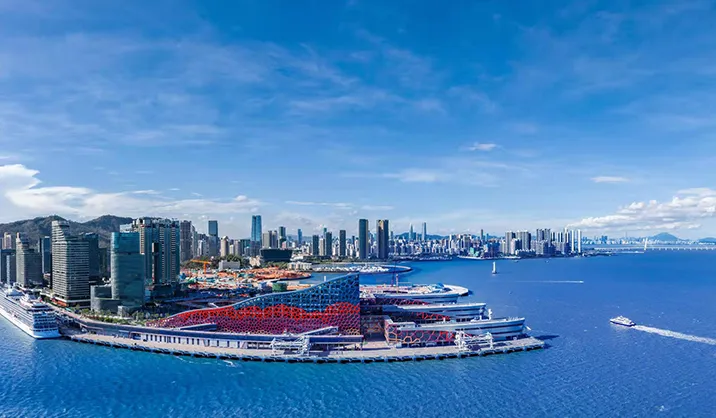
Shekou Port is situated on the eastern shore of the Pearl River Estuary, at the southern tip of the Nantou Peninsula in the western part of Shenzhen. It lies to the east of Shenzhen Bay, with Hong Kong directly across the sea to the south. To the west, it is in close proximity to Zhuhai, Macao, and Shenzhen Bao’an International Airport. To the north, it connects with the inland areas of Nanshan District.
-
Transport Mode: Sea (Ferry).
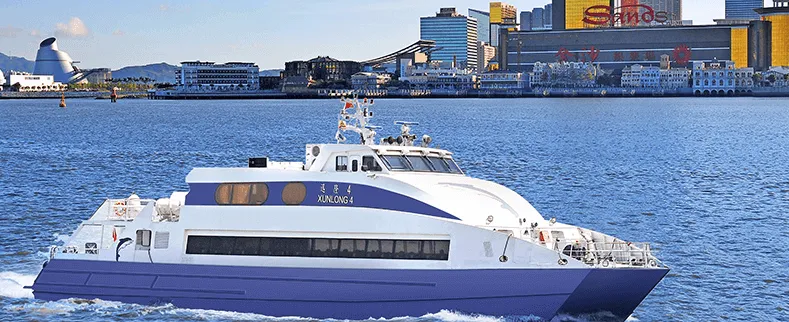 Image from Shekou cruise homeport, Copyright by original author
 -
Operating Hours: Shekou Cruise Homeport: 07:00-22:30. Ferry Schedule Dependent (Check schedules online).
-
Clearance Style: One-Stop Clearance (Completed inside the terminal).
-
Shenzhen/HK Connection: * Shenzhen Side: Metro Line 2 (Cruise Center Station), using Exit C to reach the terminal building.
-
HK side: Ferries can reach Hong Kong International Airport (SkyPier), Sheung Wan (Hong Kong Island), and Macau.
-
-
Clearance Procedure (One-Stop - Ferry):
-
Enter Building: Handle ticket purchase and boarding procedures at Shekou Cruise Center.
-
Dual Inspection: Before boarding, sequentially complete Mainland China Exit procedures (Exit China) and Hong Kong Entry procedures (Enter HK).
-
Completion: Board the ferry to Hong Kong/Macau. If heading to HK Airport, check-in procedures can often be completed directly here.
-
-
Typical Cost:
-
Shekou to Hong Kong Island (Sheung Wan): RMB 60 (Standard) or RMB 150 (First Class).
-
Shekou to Hong Kong International Airport (HKIA): RMB 280 (Standard) - RMB 380 (First Class).
-
-
Ferry Service Details and Example Schedule (Subject to Change):
-
Route to Hong Kong Island (Sheung Wan):
-
Example Departures: 07:30 (Arrival 08:20), 10:15 (Arrival 11:05), 16:45 (Arrival 17:35), 19:15 (Arrival 20:05). (Travel time is approximately 50 minutes).
-
-
Route to HKIA SkyPier:
-
Example Departures (Shekou to HKIA SkyPier): 07:15, 08:45, 10:00, 11:00, 12:00, 13:00, 14:00, 15:00, 16:00, 17:00, 18:00, 19:00, 20:00, 20:30, 21:30. (Travel time is approximately 50 minutes).
-
-
-
Best For: Travelers with direct flight transfers to HKIA, or those heading directly to Hong Kong Island (Central/Sheung Wan).
-
⚠️ Peak Time Warning: Clearance is fast, but total travel time is dictated by ferry schedules. Tickets may sell out near major holidays or busy travel seasons.
-
End-to-End Travel Time & Routes (Total Time from Port to Destination):
-
→ Central (中环): ~60 mins (Ferry to Sheung Wan → MTR to Central).
-
→ Tsim Sha Tsui (尖沙咀): ~70-80 mins (Ferry to Sheung Wan → MTR to TST).
-
→Mong Kok (旺角): ~75-85 mins (Ferry to Sheung Wan → MTR to Mong Kok).
-
→HK Airport / Tung Chung: ~30 mins (Direct to HKIA SkyPier, plus required check-in time).
-
Strategic Port Recommendations: By Scenario
|
Scenario |
Best Port Recommendation |
Rationale |
|---|---|---|
|
Staying near Shenzhen Airport (SZX) / Bao'an |
Shenzhen Bay Port |
Closest road access, fast One-Stop Clearance,and direct bus options. |
|
Staying in Futian/Central Shenzhen |
Futian Port |
Direct MTR access, highly efficient MTR connection to Hong Kong core areas. |
|
Heavy or Bulky Luggage |
Shenzhen Bay Port |
One-Stop Clearance and direct cross-border coach service minimize walking and carrying. |
|
First-Time Visitor / Fear of Getting Lost |
Luohu Port |
Direct, seamless connection to the MTR East Rail Line—the simplest, most traditional way into HK's public transport network. |
|
Value Speed Above All Else |
West Kowloon Station |
Only 14 minutes from Futian (requires booked ticket). Fastest to Central/Airport via Co-location Clearance. |
|
Need a 24-Hour Crossing |
Huanggang Port |
The only port operating 24 Hours. |
|
Staying in Eastern Shenzhen (Luohu/Yantian) |
Liantang Port |
Newest port in the East, offering One-Stop Clearance for faster processing in a modern facility. |
The following url describes control points covering air, land and sea travel, provides relevant details on their use, and lists opening hours.
The following steps mainly apply to the common Two-Stop ports (Luohu, Futian) but the core sequence applies to all ports.
Step 1: Arrive at the Shenzhen Port and Preparation
-
Locate: Follow signs for "Exit Inspection" , "To Hong Kong" or “Exit” (离境 / Chu Jing) of the Mainland China clearance hall.
-
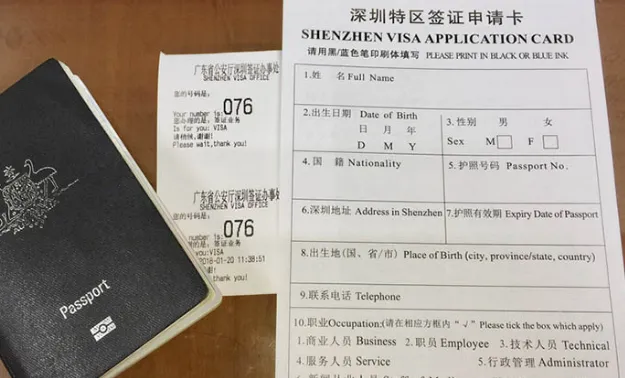
Visa on Arrival (If Needed): If you need to apply for the 5-day Shenzhen Visa on Arrival (VOA), complete this process before approaching the main immigration counters (usually located near the entrance/ground floor).
-
Queue: Line up in the designated lane for "Foreign Passport Holders."
Step 2: Exit Mainland China
-
Immigration: Present your passport, visa (if applicable), and any necessary forms to the Mainland Chinese Immigration Officer.
-
Customs: Proceed through the Mainland Chinese Customs area (use the "Green Channel" if you have nothing to declare).
Step 3: Traverse the Buffer Zone
-
Rail/Foot Ports (Luohu, Futian): Walk across the covered bridge or tunnel, typically over the Shenzhen River.
-
Road Ports (Huanggang): Board the designated cross-border shuttle bus to cross the boundary bridge.
-
One-Stop Ports (Shenzhen Bay, West Kowloon): Simply walk from the China clearance hall to the Hong Kong clearance hall within the same building, completing both inspections sequentially.
Step 4: Enter the Hong Kong Special Administrative Region (HKSAR)
-
Immigration: Present your passport to the Hong Kong Immigration Officer. You will receive a Landing Slip indicating your permitted stay duration; keep this slip securely with your passport.
-
Customs: Proceed through the Hong Kong Customs area.
Step 5: Welcome to Hong Kong!
-
You are now officially admitted to Hong Kong. Purchase an Octopus Card or MTR ticket immediately if you haven't already done so.
China Tourist Visa (L-Visa) Guide
A successful cross-border journey starts with preparation. Ensure your passport is valid for at least six months and verify your visa status for travel to and from both territories.
A. Entering Mainland China (Shenzhen) Visa Options
Most foreign passport holders require a valid Chinese visa (L or M Visa). However, the Shenzhen border offers two key options:
-
Standard L or M Visa: The most reliable option, applied for in advance at a Chinese Embassy or Consulate.
-
⭐ Shenzhen SEZ Visa on Arrival (VOA) - Limited Eligibility. Do not rely on VoA for standard travel planning.
-
Definition: This is a special, single-entry short-term visa for citizens of specific countries only, typically permitting a stay of only 5 days (120 hours) within the Shenzhen Special Economic Zone (SEZ). It is ideal for short, spontaneous trips from Hong Kong.
-
Eligibility: Only applicable to citizens of a limited list of specific countries (commonly including citizens of the US, Canada, UK, Australia, New Zealand, and most European countries). Not all nationalities are eligible.
-
Application Locations: The Visa Office at designated ports of entry, including Luohu, Huanggang, Futian, and Shenzhen Bay (must be processed before border inspection).
-
Procedure: Locate the Visa Office at the port → Complete the application form → Pay the fee (typically ranging from CNY 168-300) → Receive the visa sticker.
-
Important Note: It is mandatory to consult with the Chinese embassy/consulate or the port authority before departure to confirm your nationality's eligibility.** If your nationality is not on the eligible list, you will need to obtain a Chinese visa in advance.
-
B. Entering the Hong Kong Special Administrative Region (HKSAR)
Hong Kong maintains a highly liberal visa policy. Citizens from over 170 countries can enter Hong Kong visa-free for periods ranging from 7 to 180 days. Upon successful clearance, the Immigration Officer will issue a Landing Slip indicating your permitted stay duration; keep this slip securely with your passport.
C. Cross-Border Visa Clarifications and Special Policies (Latest Updates)
The following policies are critical for international travelers planning itineraries involving Mainland China, Hong Kong, and a third country/region.
1. 24-Hour Visa-Free Transit (TWOV)
-
Purpose: This policy allows citizens of most countries to transit through Mainland Chinese airports, seaports, or land ports for up to 24 hours without a visa, provided they hold a confirmed ticket to a third country or region (including Hong Kong or Macau).
-
Route Shenzhen → Hong Kong → Third Country/Region: Permitted. If entering Mainland China via a land port like West Kowloon (HSR) and immediately heading to Hong Kong/Macau, this option can sometimes be utilized, but the 240-hour policy (below) is usually more appropriate for Shenzhen area visits.
-
Key Benefit: It applies to virtually all nationalities and is helpful for short layovers, though it may restrict travel beyond the immediate airport/port vicinity depending on the entry point.
2. 240-Hour Visa-Free Transit for 55 Countries
- These policies allow citizens of over 55 countries to transit through China without a pre-arranged visa. The basic requirement for all exemptions is a confirmed onward ticket (air, train, or ship) to a third country or region.
240-hour visa-free transit list:
Europe (40 countries): Austria, Belgium, Czech Republic, Denmark, Estonia, Finland, France, Germany, Greece, Hungary, Iceland, Italy, Latvia, Lithuania, Luxembourg, Malta, Netherlands, Poland, Portugal, Slovakia, Slovenia, Spain, Sweden, Switzerland, Monaco, Russia, United Kingdom, Ireland, Cyprus, Bulgaria, Romania, Ukraine, Serbia, Croatia, Bosnia and Herzegovina, Montenegro, North Macedonia, Albania, Belarus, Norway
North America (2 countries): United States, Canada
South America (4 countries): Brazil, Mexico, Argentina, Chile
Oceania (2 countries): Australia, New Zealand
Asia (7 countries): South Korea, Japan, Singapore, Brunei, United Arab Emirates, Qatar, Indonesia
3. Shenzhen 5-Year Multiple Entry Visas (M, F, Q2, S2 Visas)
-
Target Group: This policy mainly targets non-Chinese permanent residents or long-term residents of Hong Kong and Macau to facilitate their frequent travel to the Mainland for business (M), exchanges (F), or family visits (Q2/S2).
-
Latest Policy: Eligible applicants can be granted a multiple-entry visa valid for up to five years, with each stay lasting up to 180 days.
-
Simplified Application: Non-Chinese residents applying for these visas in Hong Kong may benefit from simplified procedures.
4. Unilateral Visa Exemption Policy & Recent Additions
-
Definition: China has implemented a unilateral visa exemption policy for citizens of specific countries, allowing them to enter Mainland China visa-free for tourism, business, visiting friends/family, or transit for a period of up to 15 or 30 days (depending on the most recent updates).
-
Eligible Countries: This list frequently changes but typically includes highly developed nations. Recent additions often include countries like France, Germany, Italy, Netherlands, Spain, Malaysia, Switzerland, Ireland, Hungary, Austria, Belgium, and Luxembourg.
-
Relevance to Shenzhen: If your nationality is on this list, you can enter Shenzhen directly from Hong Kong for a short stay without needing a Shenzhen VOA or a pre-arranged Chinese visa, making the border crossing significantly easier. Always confirm your nationality's status with official Chinese sources before departure.
D. Expedited Clearance with e-Channels (Self-Service Kiosks)
For eligible frequent travelers, using the electronic channels (e-Channels or self-service kiosks) can significantly cut down on clearance time.
1. Hong Kong e-Channel (For Foreign Visitors)
-
Who Can Use: Registered non-resident foreign passport holders (must have visited HK at least three times in the last 12 months).
-
How to Register: Registration is free and can be done at the Immigration Tower (Wan Chai, HK) or at registration offices within major border control points, including Lo Wu, Futian, and Shenzhen Bay.
2. Mainland China Self-Service Inspection Channel (Fast Track)
-
Who Can Use (Highly Restricted for Foreigners): Holders of the PRC Foreign Permanent Resident ID Card (Green Card) or certain long-term residence permits who have registered their biometrics.
-
Advice: Standard tourist visa (L-visa) or Shenzhen VOA holders cannot use Mainland China's self-service e-Channels. You must proceed to the manual counters.
This section addresses common traveler concerns and provides guidance for specific trip objectives.
A. Frequently Asked Questions (FAQs)
|
Question |
Answer |
|---|---|
|
Q: Do I need to buy an Octopus Card before crossing? |
A: Highly recommended. You can purchase one immediately after clearing Hong Kong immigration at the MTR stations at rail ports (Luohu, Futian) or near bus stations at road ports. |
|
Q: Can I use Chinese Yuan (CNY) in Hong Kong? |
A: No. Hong Kong primarily uses the Hong Kong Dollar (HKD). All MTR fares and local transport require HKD or an Octopus Card. |
|
Q: What is the fastest way to get to Hong Kong International Airport (HKIA)? |
A: West Kowloon HSR Station (transfer to Airport Express) or Shekou Ferry Terminal (direct to SkyPier). Shenzhen Bay Port is the fastest road-based option. |
|
Q: How long does the actual clearance take? |
A: During off-peak hours, expect an average of 15-30 minutes (for One-Stop Ports) to 30-45 minutes (for Two-Stop Ports). During peak periods, it can easily exceed 60-90 minutes. Always check real-time waiting times. |
|
Q: Which port is best for late-night crossing? |
A: Huanggang Port is the only one that operates 24 Hours. |
|
Q: Can I cross the border on foot? |
A: Yes, at Luohu and Futian ports. At other ports (like Shenzhen Bay, Liantang, or Huanggang), you must take a designated vehicle or use the dedicated pedestrian bridge/tunnel where applicable. |
B. Practical Tips and Clearance Advice for the Shenzhen-HK Journey
-
Peak Hours: Avoid crossing during major public holidays, weekend mornings (Southbound to HK), and Sunday afternoons/evenings (Northbound to Shenzhen). Try to cross between 10:00 and 14:00 on weekdays for the most efficient Shenzhen-Hong Kong border crossing.
-
Currency & Cards: You must use HKD on the Hong Kong side. Acquire an Octopus Card upon arrival; it is essential for seamless transport and retail payments.
-
Power Banks and Batteries: For safety, power banks and lithium batteries must be carried in your hand luggage. Be aware of restrictions (usually 100Wh) when taking the High-Speed Rail (HSR) or ferry.
-
Connectivity: Be prepared for your mobile service to switch networks. Ensure you have purchased a mobile data/roaming package or acquire a local HK SIM card at the MTR station or convenience stores. Buying an HK data SIM or eSIM upon arrival is strongly recommended for foreign Mainland SIM users due to high roaming costs.
-
Pinyin Guidance: When taking a taxi in Shenzhen or asking for directions from locals, always use Pinyin/Chinese names (e.g., Luohu Kouan) as they are often more familiar than English names.