The Busy Parent's Survival Checklist
-
Strollers: Bring a lightweight, quick-folding travel stroller. You must fold it to pass through mandatory X-ray security at all subway and train stations.
-
Train Tickets: High-Speed Rail (HSR) tickets are now primarily based on age. Kids under 6 ride free (sharing a seat), and ages 6-14 get a discounted child fare. You must use their passport to book!
-
Baby Food & Water: Boiling hot water is available everywhere (airports, stations, malls) for formula. Bring your own baby food pouches, as Western brands are hard to find outside major cities.
-
Payments: China is cashless. Link your foreign Visa/Mastercard to Alipay or WeChat Pay before you leave home so you can easily pay for ride-hailing and food.
Planning a trip to China with your children can feel daunting, but rest assured, it is a rewarding and surprisingly convenient experience. While the culture and language may be new, China offers a safe environment, world-class infrastructure, and a genuinely warm welcome to families. The country's rapid modernization and reliance on digital services, from high-speed trains to mobile payments, ensure remarkable efficiency for travelers. This guide is designed to dismantle your worries, offering practical advice on everything from securing a rail ticket to navigating a city, ensuring your journey is seamless and stress-free. With a little preparation regarding logistics and digital tools, you're set for an incredible family adventure across the Middle Kingdom.
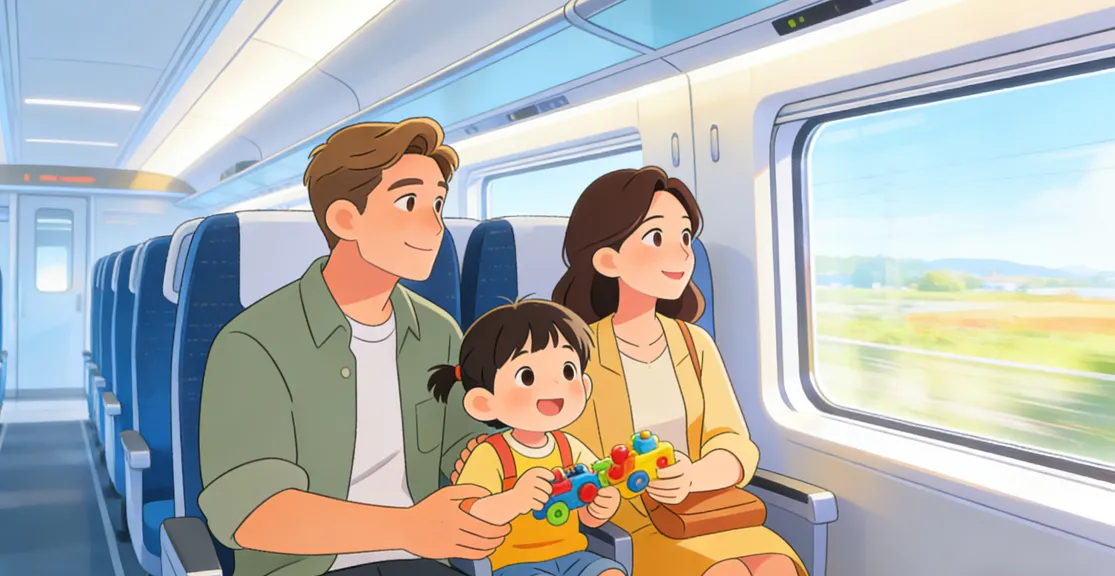
1. Understanding the Environment: Culture & Logistics Prep
To manage your expectations and ensure smooth transitions, be aware of two key realities of traveling in China: crowds and rigorous security.
1.1 Crowds, Queues, and Personal Space
Be prepared for a high volume of people, particularly in major transport hubs, during national holidays, and at popular tourist sites. While the Chinese are generally polite, personal space in crowded situations is minimal. When navigating these dense areas, you may find a compact carrier or backpack for toddlers is much easier to manage than a large stroller. When queuing for tickets or boarding, maintain a polite but firm presence in line. You will often find locals are quick to accommodate families with children, offering help or making space once they realize they are maneuvering with kids.
1.2 Strict Security Checks are Universal
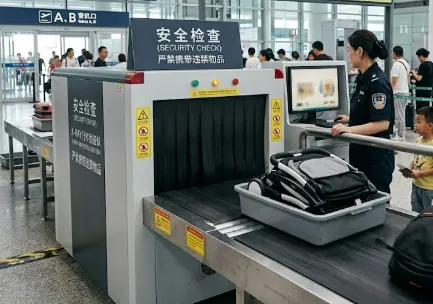
Security is rigorous and mandatory across the country, a policy intended for public safety. You must be prepared for comprehensive security checks at all subway entrances, airports, and High-Speed Rail (HSR) stations. This process is routine and non-negotiable:
-
X-Ray Mandate: Every item, including diaper bags, small backpacks, and even empty stroller baskets, must pass through the X-ray machine.
-
Stroller Procedure: You will need to quickly fold or partially disassemble your stroller so it can fit through the scanner opening. Practicing a quick fold-and-unfold routine beforehand is highly recommended.
-
Liquids: Security staff may open or perform quick sniff tests on water bottles, milk cartons, and juices. This is standard procedure.
1.3 Utilizing Priority Access (The Green Channel)
Fortunately, pregnant women and families traveling with young children are frequently granted priority access, known informally as the "Green Channel" (绿色通道, Lǜsè Tōngdào). Don't hesitate to proactively ask staff at transport hubs (airports, HSR stations) or major attractions if a priority queue is available for families; utilizing this can significantly cut down on wait times during busy periods.
2. Seamless Transport: HSR Tickets, Flights, and Managing Baby Gear
This section covers everything you need to know about navigating China’s robust transportation network, from ticket rules to managing baby gear.
2.1 Mastering Transport Tickets (Air, HSR, Subway)
2.1.1 Air Travel Ticket Rules (Infant vs. Child)
-
Infant (Under 2 years): Usually 10% of adult fare (domestic flights), flies on a lap ticket. If you require a separate seat (for a car seat), you must purchase a child ticket.
-
Child (2–12 years): Requires a separate seat, typically 50–75% of the full-priced adult fare, depending on the airline.
-
Identification: Passport required for all passengers, including infants, for ticket purchase and check-in.
2.1.2 High-Speed Rail (HSR) & Subway Rules (Age and Height)
HSR ticket rules are strictly based on age and height, and real-name registration is mandatory.
-
Infants/Toddlers (Under 6 years OR under 1.2m height): Each ticketed adult passenger may bring one child under the age of 6 years old who does not occupy a separate seat for free. If there are more than one child, a child discount ticket must be purchased for the additional children. You must register their name and passport number when booking.
-
Children (6–14 years OR 1.2m to 1.5m height): Qualify for a discounted child ticket (Child Fare).
-
Older Children (Over 14 years OR over 1.5m height): Must purchase a full-fare adult ticket.
-
Detailed HSR Child Discount Pricing (Train Classes)
-
Conventional Speed Passenger Trains (T/Z/K): Child concession tickets are calculated as 50% of the corresponding passenger ticket and surcharge published fare. If a child traveling for free or holding a child concession ticket uses a sleeper berth alone, they must purchase a full-fare sleeper ticket, plus half the air-conditioning ticket price (if applicable).
-
Electric Multiple Unit (EMU) Trains (动车组列车):
-
Second Class, First Class, Multi-purpose Class (二等座, 一等座, 多功能座): Child tickets are 50% of the full execution fare for the corresponding seat class.
-
Special Class, Premium First Class, Business Class (特等座, 优选一等座, 商务座): Child tickets are 80% of the full execution fare for the corresponding seat class.
-
EMU Sleeper (动车组卧铺): Child tickets are 70% of the full execution fare for the corresponding sleeper class. (a comfortable, enclosed sleeper compartment often used for overnight travel).
-
-
Subway/City Transit: Most cities follow a height-based policy (usually 1.2 or 1.3 meters) for children to ride for free. Single-journey tickets are increasingly being replaced by digital payment apps (WeChat/Alipay transit codes).
💡 Crucial Update: Age vs. Height for Tickets
In recent years, China has officially shifted its national railway policy from a strict height-based system to an age-based system (provided you have valid ID, like a passport). This is great news for foreign families with taller children! Remember:
-
Trains (HSR): Primarily rely on Age (Under 6 free, 6-14 discounted).
-
Subways & Tourist Sites: Many local metros and historic sites (like the Great Wall) still rely on Height (usually under 1.2m or 1.3m is free). Always carry your child's passport to argue for age-based entry if they are tall for their age!
2.1.3 HSR Ticketing and Passport Check
Essential HSR Booking Tip:
-
Booking Platforms: International travelers are strongly recommended to book via the official 12306 app (Chinese or English version) or major trusted third-party platforms like Trip.com (Ctrip).
-
Passport ID: Your child's passport is their ticket. You must use the exact name and passport number when booking.
-
Check-in: At the HSR station, you and your children must use the manual check-in counter (人工检票口) for ID verification against your booking, as foreign passports cannot use the automated gates.
2.2 Inter-City Travel Logistics
-
Top Family-Friendly City Recommendations: When planning your itinerary, prioritize cities with high family-friendly infrastructure: Beijing (historical treasures like the Forbidden City and Great Wall, strong public transit, world-class museums), Shanghai (excellent transport, international amenities, Disneyland, Science Museum), Chengdu (relaxed pace, accessible Giant Panda Research Base), Guangzhou (transport hub, rich food culture), and Sanya (beach resorts, low-key activities).
-
HSR Station Transfer Tips: HSR stations are massive. Arrive at least 45–60 minutes before departure. You must pass through two ticket/ID checks. Unlike Western trains, there is no luggage check-in; you handle all your bags, so pack light or consider using wheeled luggage that fits easily through scanner belts. Note: Adult Passengers are generally limited to 20kg of free luggage, with dimensions not exceeding 130cm (length + width + height); Children Passengers are generally limited to 10kg of free luggage.
2.3 Mastering Ride-Hailing (Didi/Taxi)
-
App Integration: Once you've successfully linked your card to Alipay or WeChat (Section 9.2), you can seamlessly use the built-in Didi Mini Program or the dedicated Didi app (Chinese Uber).
-
Destination Entry: Crucially, always input your destination using Chinese characters (Simplified), not English addresses. Use a translation app or ask your hotel staff to copy and paste the Chinese address to ensure accuracy for the driver.
-
Payment: Payment is automatic via the linked card, making cash unnecessary.
2.4 Baby Gear Handling (Car Seats and Strollers)
-
Air Travel Logistics & Specific Carrier Policies: While general rules apply, major Chinese airlines have specific, mandatory rules for infant/child equipment. For children traveling on a lap ticket (infant under 2 years), one stroller is typically carried free.
|
Airline |
Item Allowance (for Lap Infants) |
Notes on Strollers & Car Seats |
|
Air China (CA) |
One fully collapsible stroller OR car seat checked free of charge. |
If both are brought, one must be checked as part of the adult's free luggage allowance or charged. Small, fully collapsible strollers may be gate-checked. |
|
China Eastern (MU) |
One carry-on item (stroller or car seat) is permitted, checked for free. |
Any item that exceeds standard carry-on weight/size limits will be checked as cargo and may incur fees if checked baggage allowance is already used up. |
|
China Southern (CZ) |
One car seat and/or one stroller is carried free. |
CZ allows both items (car seat and stroller) free of charge for infants. Car seats must be approved for aircraft use if used in the cabin (requires purchasing a seat). |
-
General Cabin Rule: For all airlines, any car seat used onboard requires the purchase of a full-fare seat for the child (regardless of age) and must be approved for aircraft use (CARES harness is an alternative). Small, lightweight umbrella strollers are often permitted for gate-check, delivered back at the jet bridge upon arrival.
-
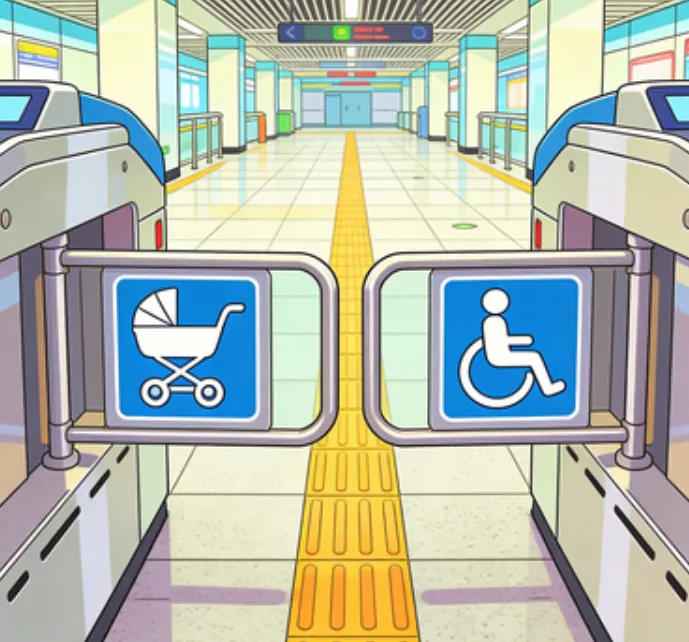
HSR & Subway Handling: Strollers are permitted on HSR; the best storage spots are the luggage racks or the small open spaces located between carriages, but they must be folded. For subways, seek help from staff to open the wide accessible gates (无障碍闸机) to avoid damaging your stroller in the standard turnstiles.
-
Car Seat Challenge & Solutions: Warning: Standard taxis and most ride-hailing services (e.g., Didi) generally do not provide or require car seats. If vehicle safety is a high priority, you must plan ahead: consider bringing a lightweight, portable restraint system (like a travel vest or foldable booster) or utilizing specialized international car rental agencies that offer verified safety seats (which must be reserved well in advance).
3. Family Accommodation: Securing Cribs, Nursing Rooms, and Hot Water Access
Ensuring comfort and access to essential family services will significantly improve your travel experience.
3.1 Family-Friendly Accommodation
-
Cots and Cribs: International chain hotels (Marriott, Hilton, etc.) are the most reliable option for cribs/cots. However, availability is limited, and you must not only request one during booking but also call the hotel directly several days before arrival to confirm the physical item is reserved for your room.
-
Extra Bed/Breakfast Policy: Be prepared for hotels to charge for extra beds and children's breakfast based strictly on their height (usually 1.2m or 1.4m), not just their age. This rule is firm across most domestic and international brands in China.
3.2 Essential Family Amenities
-
Availability of Nursing Rooms (母婴室): These dedicated rooms have become a standard feature in modern Chinese infrastructure. Look for the signs marked as 母婴室 (Mǔyīngshì) in all major airports, HSR stations, large shopping malls, and popular modern attractions. Facilities typically include a diaper changing station and a private area for nursing.
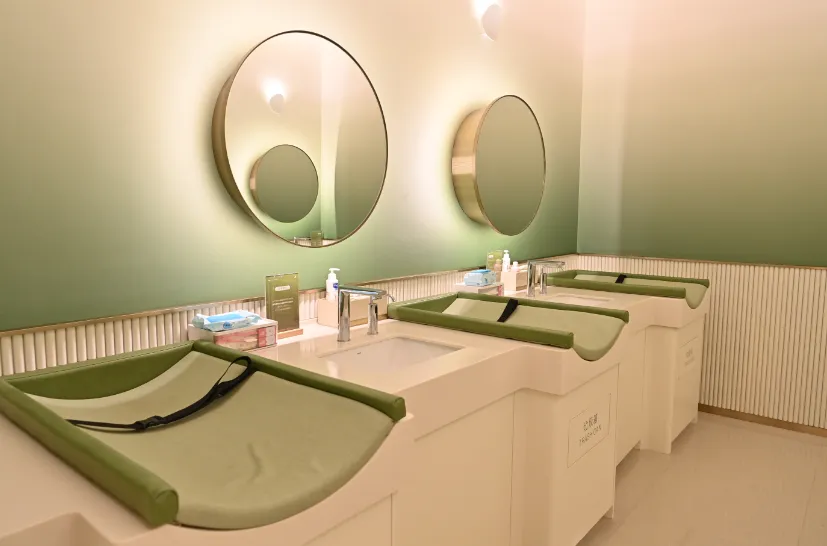 Image from nursing room in Shanghai shopping mall shpt.gov.cn, Copyright by original author
 -
Hot Water is Everywhere! (热水, Rèshuǐ): One of China's greatest conveniences for parents. Access to boiling hot water is universal due to the culture of drinking hot water. Hot water dispensers are readily available in public facilities, convenience stores, and hotel lobbies, making formula preparation quick and safe. Many travelers carry a small thermos flask to keep hot water handy throughout the day.
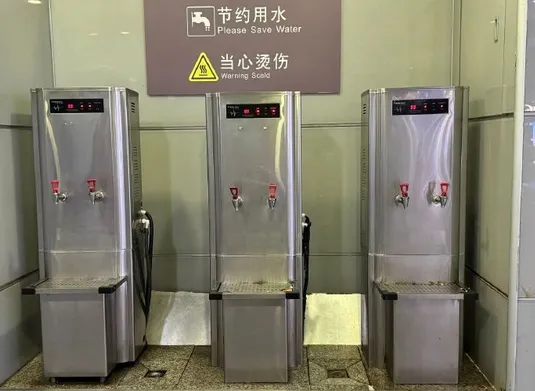 Image from 成都东站游佳服务岗, Copyright by original author
4. Dining and Dietary Needs: Safety, Allergies & Options
Food is central to the Chinese experience, but safety and allergies require careful planning, especially with young children.
4.1 Infant and Toddler Feeding
-
Formula and Water: As noted in Section 3, ubiquitous access to boiling hot water makes formula preparation easy. Always use bottled or purified water for formula, not tap water.
-
Baby Food (Pouches & Jars): While international brands are available in large cities, selection can be limited and expensive. It is highly recommended to bring a sufficient supply of your child's preferred pouches and jars. For fresh food, steamed rice (mǐ fàn, 米饭) and simple steamed vegetables are widely available and safe.
-
Finding Simple Meals: When ordering from local restaurants, stick to simple, low-spice options like plain noodles (sù miàn, 素面), plain steamed eggs (zhēng dàn, 蒸蛋), or congee/rice porridge (zhōu, 粥).
4.2 Communicating Allergies
Allergies are often not well understood, and cross-contamination is common, making communication critical. Do not rely solely on verbal translation.
-
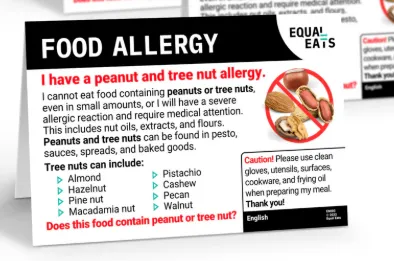
The Allergy Card (MANDATORY): Before your trip, prepare printed cards in simplified Chinese clearly stating your child's allergy, the severity (e.g., "life-threatening"), and a request for the kitchen to confirm the dish is safe.
-
Example Phrase: "My child is severely allergic to PEANUTS (我对花生严重过敏). This dish must contain absolutely none of this ingredient. Is this safe?"
-
Common Allergens to Confirm: Peanuts (花生, huāshēng), Tree Nuts (坚果, jiānguǒ), Dairy (牛奶, niúnǎi), Shellfish (贝类, bèilèi).
-
Soy/Gluten: Soy is in nearly everything (sauces, oil, tofu), and finding truly gluten-free (wú fū zhì, 无麸质) options is extremely difficult outside of international hotels. Exercise extreme caution.
4.3 Child-Friendly Dining Options
-
International Restaurants: In Tier 1 cities (Shanghai, Beijing, Guangzhou), international malls host recognizable Western chains (pizza, burgers, etc.) that generally adhere to higher sanitation and clear ingredient standards.
-
Hotels: High-end hotel restaurants and buffets are the safest bet for reliable, non-spicy, and safe food preparation.
-
Convenience Stores: Stores like Family Mart or 7-Eleven offer quick, simple, and individually packaged options like hard-boiled eggs, milk, and basic bread products for emergency snacks.
5. Health & Safety: Medical Care & First Aid
While China is safe, knowing your medical options provides peace of mind.
-
Hospital Options: For minor issues, look for Private/International Clinics which offer fluent English-speaking staff and Western standards, though they are expensive. For more serious concerns, seek the International Department of major Public Hospitals. The International Department typically offers better service and English translation than the main clinic, though processes (like registration and payment) can still be lengthy.
-
Common Medication Translation: Bring your own trusted children's medication supply. It helps to have the Chinese name ready: Paracetamol / Acetaminophen is 对乙酰氨基酚, and Ibuprofen is 布洛芬.
-
Insurance: We strongly recommend purchasing comprehensive international travel insurance that specifically covers emergency medical treatment, doctor visits, and, critically, medical evacuation.
6. Sightseeing & Access
6.1 General Ticketing and Reservation
-
General Policy: Most attractions follow the standard age/height dual standard (e.g., under 6 or 1.2m free).
-
Reservation Requirements: Warning: Due to crowd control, advance, real-name online reservation is mandatory for all visitors—including children eligible for free entry—at high-demand sites like the Forbidden City, the Shangha i Museum, and the Terracotta Army. Without a reservation, you will be turned away.
6.2 Top Attractions & Child Ticket Policies
Ticket policies vary significantly between historical sites (which use height/student ID) and modern theme parks (which often use age/height combination). Always bring your child's passport to verify age/status.
|
Attraction |
Type |
Free Entry Policy |
Discounted Child Ticket Policy |
|
Forbidden City (故宫, Beijing) |
Historical/Cultural |
Children under 6 years old OR 1.2m (Must reserve a free ticket online). |
Children/Students aged 6–18 years (Requires valid student ID or passport). |
|
Great Wall (长城, e.g., Badaling) |
Historical/Scenic |
Children under 1.2m tall. |
Children 1.2m to 1.5m tall OR Students aged 6–18. |
|
Summer Palace (颐和园, Beijing) |
Imperial Garden |
Children under 1.2m tall. |
Children 1.2m to 1.5m tall OR Students aged 6–18. |
|
Shanghai Disneyland |
Theme Park |
Children under 3 years old OR 1.0m tall. |
Children aged 3–11 years OR between 1.0m and 1.4m tall. |
|
Chimelong Resorts (Guangzhou/Zhuhai) |
Theme Park/Zoo |
Children under 1.0m tall. |
Children between 1.0m and 1.5m tall. |
|
Universal Beijing Resort |
Theme Park |
Children under 3 years old OR under 1.0m tall. |
Children aged 3–11 years OR between 1.0m and 1.4m tall. |
6.3 Stroller Rentals and Priority Access
-
Stroller Rentals at Attractions: Large-scale venues like major theme parks, large zoos, and modern museums often provide basic strollers for rent at the service center. These are usually simple, non-reclining pushchairs, not full travel systems, and supplies can run out quickly during busy hours.
-
Priority Access Tip: Never forget to inquire about the "Green Channel" (绿色通道) at the main entrance of major attractions for priority access for families with young children or pregnant travelers. This can save you hours of queuing.
7. Sample Itineraries for Different Age Groups (0 to 12 Years)
To help you plan your trip, here are recommended travel styles and activities based on your child's developmental stage.
7.1 Infants (0–2 Years): The Pace of Relaxation
The primary focus for this age group is comfort, safety, and easy access to high-quality amenities (nursing rooms, changing stations, elevators). Avoid demanding long hikes or overly crowded days.
-
Recommended Cities: Shanghai, Chengdu, Sanya. These cities have superior modern infrastructure, high-end shopping malls (ideal for baby amenities), and accessible parks.
-
Activities:
-
Urban Strolling: Explore large, modern parks (like Century Park in Shanghai or People's Park in Chengdu).
-
Cultural Dips: Visit well-maintained, accessible museums (e.g., Shanghai Museum) during off-peak hours (Tuesdays/Wednesdays).
-
Relaxation: A beach resort stay in Sanya offers guaranteed amenities and a slow pace.
-
7.2 Toddlers (3–6 Years): Adventure and Discovery
This age group thrives on engaging, visually stimulating activities and variety, but requires flexibility due to shorter attention spans and mandatory nap times.
-
Recommended Activities:
-
Theme Parks: Dedicate two days to major parks like Shanghai Disneyland or Universal Beijing Resort, focusing on the children's areas and parades. Review height restrictions in advance (see Section 6).
-
Nature & Animals: Visit the Chengdu Giant Panda Research Base (成都大熊猫繁育研究基地). Pandas are universally loved by toddlers, and the base is stroller-accessible (though crowded) and offers an engaging, limited-time activity suitable for shorter attention spans. Visit early in the morning when pandas are more active!
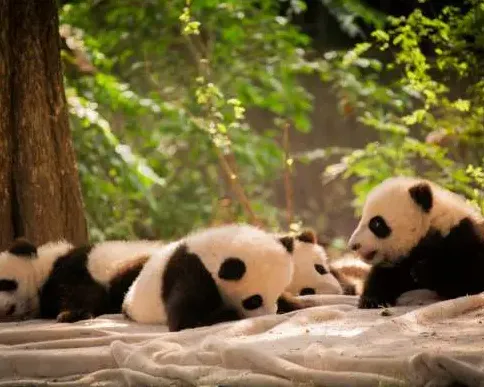 Image from KKDAY, Copyright by original author
 -
Zoo & Aquarium: Guangzhou Chimelong offers a world-class combination of zoo, safari, and amusement park rides suitable for this age.
-
Soft Play/Science: Visit major science and technology museums with dedicated interactive children's exhibits. These venues are typically spacious and air-conditioned.
-
7.3 Older Kids (7–12 Years): History, Culture, and Challenge
This age group seeks engagement, challenges, and opportunities to connect with history and culture in a tangible way.
-
Recommended Cities: Beijing, Xi'an, Suzhou. These cities offer deep historical context and interactive learning opportunities.
-
Activities:
-
Historic Exploration: Visit the Forbidden City and the Terracotta Warriors (Xi'an), providing context and maps beforehand to turn the visit into a 'treasure hunt' or history challenge.
-
Physical Challenge: Hike a manageable section of the Great Wall (e.g., Mutianyu), using the experience as a physical accomplishment and a history lesson.
-
Hands-on Learning: Attend a specialized cultural workshop (e.g., Chinese calligraphy or dumpling making) offered by local tour companies or hotels.
-
High-Tech: Explore modern architecture and technology centers, such as the Shanghai Tower or Shenzhen's tech hubs, to contrast ancient and modern China.
-
8. Final Toolkit: Packing, Tech & Talk
8.1 Packing & Preparation Tips
-
Must-Bring Items: Specialized formula, specific prescription medicine (with a clear doctor’s note), and a high-quality, compact travel carrier or stroller.
-
Easy-to-Buy in China: Diapers, wipes, and common baby food brands are widely available. Remember China’s e-commerce is unparalleled—you can use apps (with hotel assistance) to have almost anything delivered to your accommodation within a matter of hours.
-
Bathroom Tips for Families: Always carry your own pocket tissues and hand sanitizer. Public restrooms rarely supply paper. Seek out Western-style toilets in shopping malls, international hotels, and modern train stations. Remember that paper must be disposed of in the waste bin next to the toilet.
8.2 Staying Connected & Digital Payment Mastery
-
Connectivity Choice: For reliable, fast mobile internet (essential for maps and payments), consider purchasing a local data-only SIM card or using an international roaming eSIM service before arrival.
-
VPN is Essential: (Must Install Beforehand): You must install and configure a working VPN before you arrive in China to access Google, Western social media, and other restricted sites. Do not wait until you arrive, as downloading the necessary software may be blocked.
-
Mobile Payment is Mandatory: China is largely cashless. You need to link your international credit card to Alipay or WeChat Pay upon arrival. This is not optional; even street vendors, public transport, and small shops rely exclusively on these two methods.
-
Cash as Backup: While digital payment dominates, carrying a small amount of local currency (小额现金, Xiǎo'é Xiànjīn) is recommended for small local markets or transportation in remote areas.
8.2.1 Step-by-Step Guide to Linking International Cards
-
Download: Download the Alipay app or WeChat app before you leave home.
-
Registration: Register your account using your international phone number.
-
Authentication: Complete real-name authentication by submitting a photo of your passport.
-
Linking (Crucial Step): Navigate to the Wallet/Money section in the app.
-
Alipay: Look for "Bank Cards" (银行卡) or, for short visits, the "TourPass" or "International Card" option if available.
-
WeChat Pay: Go to "Wallet" (钱包) > "Cards" (银行卡).
-
Usage: When paying, international cards generally support transactions up to a certain limit (often $500 USD per transaction). You must pay by having the vendor scan your code or by you scanning the vendor's QR code.
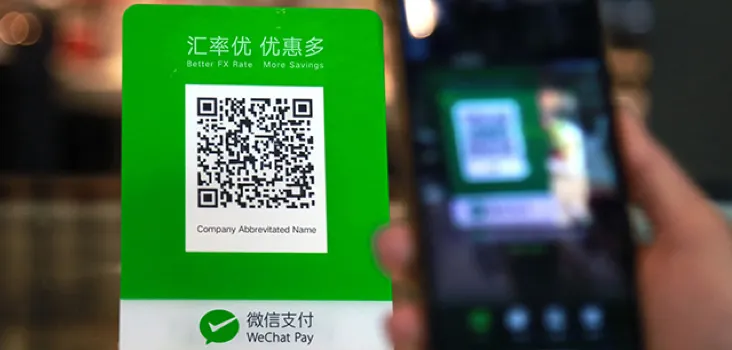 Image from Wechat, Copyright by original author
8.3 Language Toolkit
-
Language Toolkit: Use translation apps (with pre-downloaded language packs) and visual aids to communicate.
Key Phrases for Family Needs
|
English |
Pinyin |
Chinese Characters |
Context |
|
Can you help me? |
Nǐ néng bāngzhù wǒ ma? |
你能帮助我吗? |
General request for assistance. |
|
Where is the baby room? |
Mǔyīngshì zài nǎlǐ? |
母婴室在哪里? |
To find the nursing room/changing station. |
|
My child is sick. |
Wǒ de háizi shēngbìng le. |
我的孩子生病了。 |
Medical emergency. |
|
Do you have hot water? |
Yǒu rèshuǐ ma? |
有热水吗? |
Essential for formula preparation. |