📌 The Quick Verdict on Guangzhou Metro
-
Easiest Payment: Just tap your foreign Visa, Mastercard, Amex, or JCB contactless credit card directly at the fare gates! No local apps needed.
-
To the Airport: Take Line 3 (Orange) directly to Guangzhou Baiyun International Airport (Terminal 1 or 2).
-
To the Canton Fair: Take Line 8 (Teal) and get off at Pazhou Station or Xingangdong Station.
-
Language: All ticket machines, signs, and station announcements are in clear English.
Guangzhou, one of China's most dynamic cities, boasts a world-class metro system that's efficient, affordable, and surprisingly foreigner-friendly. As of 2025, the Guangzhou Metro spans over 768 kilometers with 19 lines and 317 stations, making it one of the largest subway networks globally. For 2026, expect further expansions, such as the completion of Line 13's Phase 2 extension to Chaoyang, enhancing connectivity in districts like Huangpu and Tianhe. Whether you're a first-time visitor exploring historic sites like the Chen Clan Academy or a business traveler heading to the Canton Fair, mastering the metro will save you time and money. This guide covers everything from operating hours and tickets to practical tips tailored for international visitors in 2026.
Overview of the Guangzhou Metro System
The Guangzhou Metro, operated by Guangzhou Metro Corporation, has grown rapidly since its inception in 1997. By late 2025, it includes 19 main lines plus three tram lines (Haizhu Line 1, Huangpu Line 1, and Huangpu Line 2), serving the urban core and extending to suburbs like Foshan via the GuangFo Line. The system is clean, air-conditioned, and equipped with English signage, bilingual announcements, and intuitive maps at every station—perfect for non-Chinese speakers.
Key highlights:
-
Total Length: Approximately 768.4 km (with more additions planned for 2026, potentially pushing it beyond 800 km).
-
Stations: 317, including major hubs like Guangzhou Railway Station, South Railway Station, and Baiyun International Airport.
- Daily Ridership: Over 10 million passengers, reflecting its role as the city's transportation backbone.
-
Accessibility: Elevators and escalators in most stations; wheelchairs available upon request.
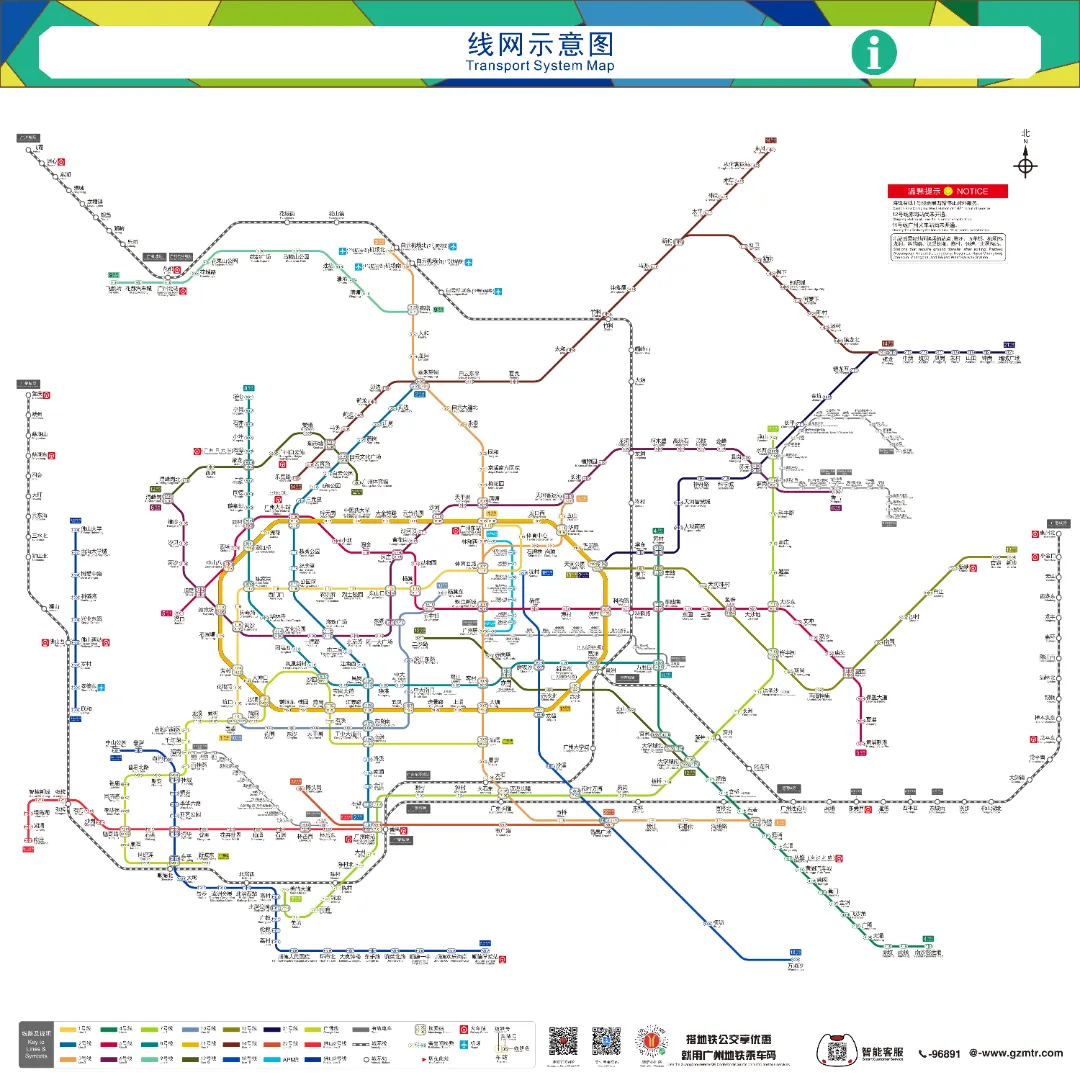
For a visual overview, here's the latest Guangzhou Metro map to help you plan your routes:
Lines in Operation & Operating Times
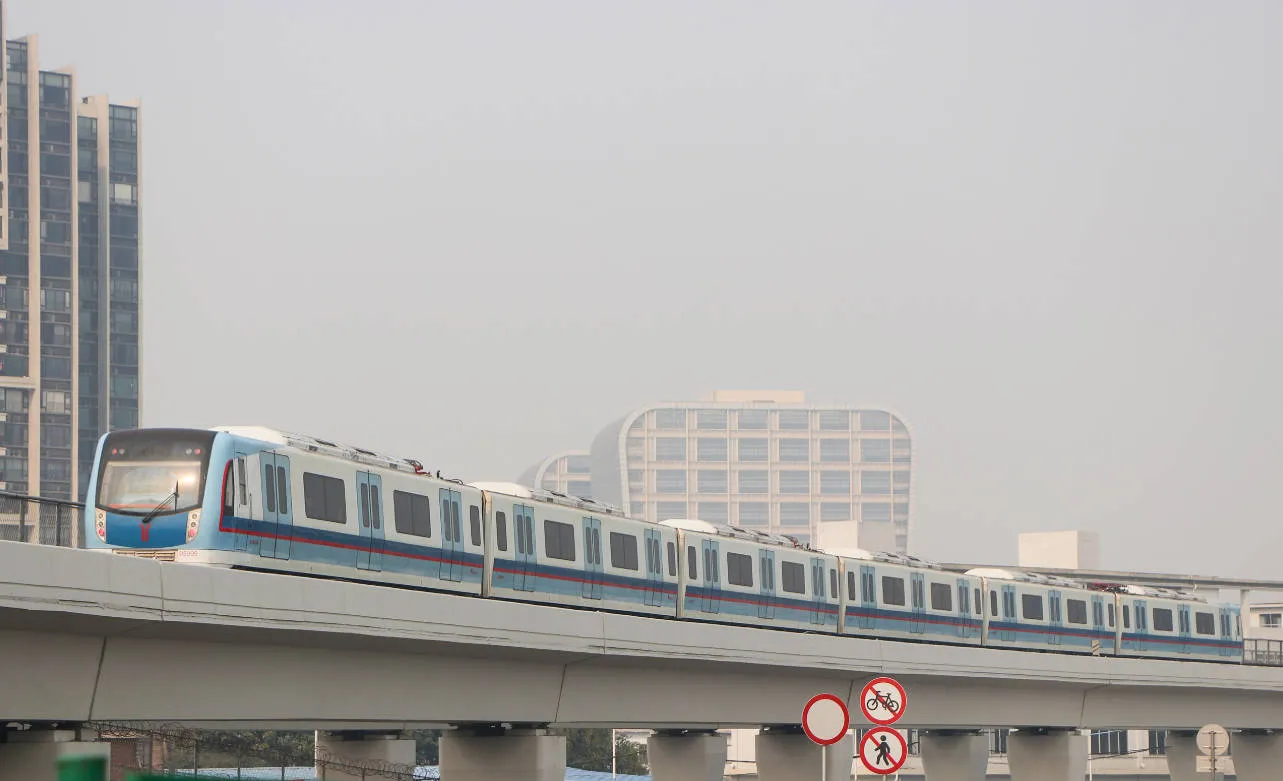
The Guangzhou Metro is one of the busiest and most extensive metro systems in the world. The standard operating hours for most lines are approximately 18 hours a day. Understanding when the trains run is crucial for planning your daily itinerary. The Guangzhou Metro is known for its predictable and extensive operating schedule.
General Hours
In general, metro services run from approximately 6:00 AM to 11:30 PM daily across most lines.
-
First Train: Typically around 6:00 AM.
-
Last Train: Typically leaves the terminal station around 11:00 PM to 11:30 PM.
Operating Lines
| Line Number / Name | Route (Terminal Stations) | Type / Notes |
| Line 1 | East Railway Station ↔ Xilang | |
| Line 2 | Jiahewanggang ↔ South Railway Station | |
| Line 3 | Airport North ↔ West Tiyu Road | Includes a branch: Tianhe Coach Terminal ↔ Panyu Square |
| Line 4 | Huangcun ↔ Nansha Passenger Port | |
| Line 5 | Jiaokou ↔ Huangpu New Port | |
| Line 6 | Xunfenggang ↔ Xiangxue | |
| Line 7 | Meidi Avenue ↔ Yanshan | |
| Line 8 | Jiaoxin ↔ Wanshengwei | |
| Line 9 | Fei'eling ↔ Gaozeng | |
| Line 10 | Yangqi East ↔ Xilang | |
| Line 11 | Loop Line(Railway Station ↔ Pazhou ↔ Railway Station) | |
| Line 12 | Xunfenggang ↔ Guangzhou Gymnasium | |
| Line 13 | Tianhe Park ↔ Xinsha | |
| Line 14 | Main Line: Lejia Road ↔ Dongfeng; Branch Line: Xinhe ↔ Zhenlong | |
| Line 18 | Guangzhou East Railway Station ↔ Wanqingsha | |
| Line 21 | Tianhe Park ↔ Zengcheng Square | |
| Line 22 | Chengtougang ↔ Panyu Square | |
| Guangzhou-Foshan Line | Lijiao ↔ Xincheng East | Intercity line (Guangfo Line) |
| APM Line | Linhe West ↔ Canton Tower | Automated People Mover |
| THZ1 | Canton Tower ↔ Wanshengwei | Haizhu Tram |
| THP1 & THP2 | Xiangxue ↔ Xinfeng Road / Kaiyuan Road East | Huangpu Trams |
Important Notes:
-
Exact Times Vary: The exact first and last train times depend on the specific line, the station, and the direction of travel. Some major lines (like Line 2 or Line 3) may run slightly later than others.
-
Holiday Extensions: Operating hours are frequently extended (sometimes until 1:00 AM or later) during major holidays (e.g., Spring Festival, National Day), special events, and Fridays/Saturdays on certain lines.
- Specific Schedule: For the most accurate schedule for a specific station, it is best to check the official Guangzhou Metro app or station signage.
Frequency
The frequency is excellent, especially compared to many international systems.
-
Peak Hours (Weekdays: 7:30 AM–9:30 AM & 5:00 PM–7:30 PM): Trains run frequently, often with headways as short as 2 to 3 minutes on major lines (like Line 3 and Line 2).
-
Off-Peak Hours and Weekends: Headways are slightly longer, usually ranging from 5 to 8 minutes.
Future-Proofing (2026 Focus)
Guangzhou continues to expand its network rapidly. By 2026, several new lines or extensions are expected to be operational, making the system even more efficient. However, the core operation principles (hours, ticketing) are stable.
Mastering Metro Fares and Tickets
As a foreigner, you have several convenient options for paying your fare, ranging from old-school tokens to advanced digital payments.
Fare Structure: Distance-Based
The Guangzhou Metro uses a distance-based fare system, meaning the cost of your journey depends on how many kilometers you travel.
|
Distance Traveled |
Fare (Approx. RMB) |
|---|---|
|
Up to 4 km |
¥2 |
|
4 - 12 km |
¥3 |
|
12 - 24 km |
¥4 |
|
Over 24 km |
Additional ¥1 for every 8 km |
Important Notes:
-
Maximum Fare: The cost of a single trip is generally capped around ¥14.
-
APM Line: The Automated People Mover (APM) line has a flat fare of ¥2.
Payment Methods: Top Options
The Guangzhou Metro offers several flexible payment options suitable for tourists and long-term residents.
| Payment Type | Ideal For | How It Works |
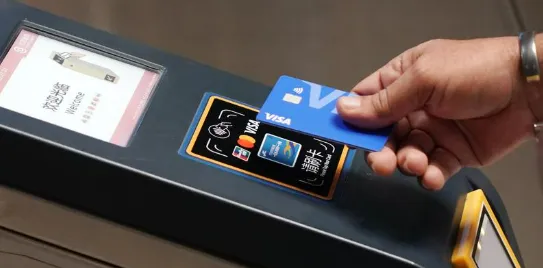
| 1. International Contactless Cards | BEST for Tourists. Quickest and requires no app setup. | Tap and Go: Use your overseas-issued Visa, Mastercard, American Express, or JCB card (must be contactless-enabled). Tap the card or phone (via Apple Pay/Google Pay linked to these cards) on the designated fare gates marked with international card logos. |
| 2. Mobile Payment (QR Code) | Tourists/Visitors who prefer a phone app. | Scan to Ride: Activate the "Guangzhou Metro Ride Code" or "Transport" mini-program within Alipay or WeChat Pay. Link your international credit/debit card to the app beforehand. Generate the QR code and scan it at the turnstile gate to enter and exit. The fare is automatically deducted. |
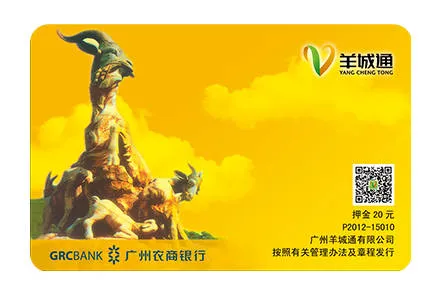
| 3. Yang Cheng Tong (羊城通) Card | Frequent/Long-term Visitors (or those without international contactless cards). | Tap and Recharge: This is the city's rechargeable transit smart card (similar to London's Oyster or HK's Octopus). Purchase the physical card at metro stations or convenience stores (like 7-Eleven). Tap to enter and exit. Offers discounts after a certain number of rides per month. |
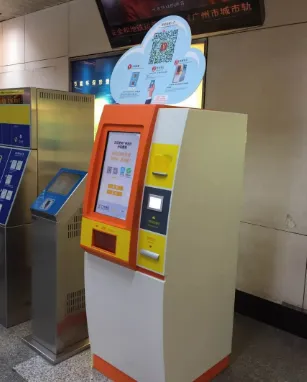
| 4. Single-Journey Ticket (Token) | Infrequent Users/Cash Only. | Token Purchase: Buy a small plastic token from the Ticket Vending Machines (TVMs) or the service counter. You must select your destination and pay the exact fare. Tap the token to enter and insert it into the slot to exit. TVMs usually accept cash (small notes) and local mobile payments. |
Key Advantages for Tourists
-
Easy International Card Use: The recent rollout of support for major international contactless card networks (Visa, Mastercard, Amex, JCB) makes paying as simple as tapping your bank card or mobile wallet at the gate, eliminating the need to buy tickets or set up a local payment app. Look for the international card logos on the turnstiles.
-
Mobile QR Codes are Seamless: If you already have Alipay or WeChat Pay set up with your international card, using the "Transport" tab is a highly recommended and fast method for traveling, not just on the metro but also on buses.
Pro Tip
For the absolute easiest experience, try using your contactless international card directly at the gate first. If you plan to be in Guangzhou for more than a few days, setting up the Alipay/WeChat QR code is an excellent backup that works system-wide and beyond.
Discounts and Special Cards
| User Group | Benefit | Card Type |
| Children | Free Ride | Generally for children under 1.2 meters in height. |
| Frequent Users | Monthly Discounts | The Yang Cheng Tong Card offers a fare discount (e.g., 20% off) after a certain monthly expenditure (typically CNY 80 or more). |
| Seniors/Students | Significant Discounts | Special priority cards are available for eligible residents (usually seniors aged 60+ and students), offering 50% off or free rides. |
Essential Travel Tips for Foreigners
A few key points will ensure your journey is smooth and stress-free.
Signage and Language
Rest assured, the system is highly accessible to English speakers.
-
Dual Language: All station names, directional signs, and line maps are displayed in both Chinese characters (Hanzi) and Pinyin/English.
-
Announcements: On the trains, announcements are typically made in three languages: Mandarin Chinese, Cantonese, and English.
Security Checks
Security is mandatory. You must put all bags and belongings through an X-ray scanner before reaching the ticket barrier. You will also walk through a metal detector. This is standard procedure in all major Chinese metro systems. Be patient, as lines can form during rush hour.
Etiquette and Rules
Adhering to local rules makes for a better travel experience for everyone.
-
No Eating or Drinking: It is strictly prohibited to consume food or beverages (including water) while inside the ticketed area (platforms and trains).
-
Escalators: Stand on the right side if you are not walking, allowing others to pass on the left.
-
Priority Seating: Always offer your seat to the elderly, pregnant individuals, or those with young children.
Navigating the System
The system is logically color-coded and numbered.
-
Line Identification: Each line has a number (e.g., Line 3) and a distinct color (e.g., Orange). When looking at maps or signs, follow the color and number combination.
-
Transfers: Look for the dedicated transfer signs, often marked with the characters 换乘 (Huanchéng). Follow the signs for the corresponding line number and color.
Avoid Rush Hour
-
Travel Outside Peak Times: If your itinerary allows, plan to start your journey before 7:00 AM or after 9:30 AM in the morning, and before 5:00 PM or after 7:30 PM in the evening.
-
Allow Extra Time: Even with frequent train service, you may encounter queues for security checks, ticket gates, and platforms, especially at interchange stations. Budget an extra 10–15 minutes for your journey.
-
Expect Crowd Control: At severely crowded stations, staff may implement flow control (限流 - xiàn liú), limiting the number of people allowed onto the platforms or into the station entrance at one time. This means you may have to wait in a queue outside the station gate.
Key Tourist Lines and Hubs
The Guangzhou Metro efficiently links nearly all of the city's major historical sites, modern landmarks, and shopping districts.
The Core Tourist Lines (Lines 1 & 3)
These two lines are the most important for accessing the majority of Guangzhou's top attractions and transport hubs.
| Line | Key Tourist Stops | Highlights & Connections |
| Line 1 (Yellow) | Chen Clan Academy | Cultural: Direct access to the beautiful Chen Clan Ancestral Hall (folk art and architecture). |
| Gongyuanqian | Old Town: Gateway to Beijing Road Pedestrian Street (historic shopping street) and Haizhu Square (near the Pearl River and Stone Cathedral). Transfer: Line 2. | |
| Huangsha | History/Scenery: Walk to Shamian Island (European-style colonial architecture) and the Huangsha Seafood Market. Transfer: Line 6. | |
| Line 3 (Orange) | Airport North/South | Airport Link: Essential for travel to and from Guangzhou Baiyun International Airport (CAN). |
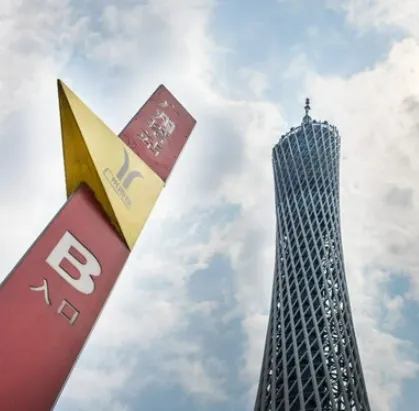
| Canton Tower | Landmark: Direct access to the iconic Canton Tower. Transfer: APM Line, Haizhu Tram (THZ1). | |
| Zhujiang New Town | Modern CBD: Access to Guangdong Museum, Guangzhou Opera House, and Flower City Square (best viewing spot for the modern skyline). Transfer: Line 5, APM Line. | |
| Hanxi Changlong | Entertainment: Connects to the Chimelong Tourist Resort (Safari Park, Paradise, Circus) via a free shuttle bus from the station exit. Transfer: Line 7. |
Major Transfer Hubs
These stations are crucial for moving efficiently between the different districts of Guangzhou:
| Station | Connecting Lines | Significance |
| Tiyu Xilu (体育西路) | Line 1 ↔ Line 3 | Central Hub: The busiest transfer station in the entire network. Located beneath a major shopping district (Tianhe CBD). Expect extreme crowds during rush hour. |
| Zhujiang New Town (珠江新城) | Line 3 ↔ Line 5 ↔ APM | CBD Gateway: The key entry point for the modern Tianhe and Haizhu attractions (Museums, Opera House, Canton Tower). |
| Gongyuanqian (公园前) | Line 1 ↔ Line 2 | Old Town Hub: Excellent for exploring the historic Yuexiu District and accessing traditional commercial streets. |
| Guangzhou South Railway Station (广州南站) | Line 2 ↔ Line 7 ↔ Line 22 | Intercity Travel: The central hub for all high-speed rail (HSR) connections to Shenzhen, Hong Kong, and other major Chinese cities. |
Other Useful Lines
| Line | Key Tourist Stops | Notes |
| APM Line (Green) | Linhe West ↔ Canton Tower | Central Business Shuttle: A short, driverless line perfect for touring the modern CBD and Pearl River waterfront areas between the central tower and Zhujiang New Town. |
| Line 6 (Purple) | Beijing Road / Huangsha | Provides additional access to the historic core and connects to Line 1. |
| Guangfo Line (Light Yellow) | Lijiao ↔ Xincheng East | Intercity: Essential for travelers planning a day trip to the neighboring city of Foshan. |
💼 Special Note: Getting to the Canton Fair (Canton Fair Complex) If you are visiting for the famous Canton Fair (China Import and Export Fair), the metro is by far the fastest way to beat the notorious traffic. You need to take Line 8 (Teal).
-
For Area A: Get off at Xingangdong Station (Exit A).
-
For Area B & C: Get off at Pazhou Station (Exit A or B).
-
Expect heavy flow control and security checks at these stations during the fair weeks (April/May and October/November).
The Guangzhou Metro is a testament to the city's modern infrastructure—it's fast, clean, safe, and intuitive. By utilizing a Yang Cheng Tong card or the digital QR payment, knowing the basic operating hours, and observing simple etiquette, you’ll find navigating Guangzhou an absolute breeze. Enjoy the ride and explore everything this dynamic city has to offer!
Frequently Asked Questions (FAQ)
Q: Can I use cash to buy tickets?
A: Yes, kiosks accept ¥5, ¥10, and ¥1 coins. Service counters accept larger notes.
Q: What if I get lost or need help?
A: Look for staff in red uniforms or visit the station service center. Most staff speak basic English.
Q: Is the metro accessible for wheelchair users?
A: Most stations have elevators and tactile paving. Check the official app for accessibility details.
Q: Can I bring food or drinks?
A: Eating and drinking are prohibited in paid areas. Sealed beverages are fine.
Q: Is it safe at night?
A: Very safe; stations are well-lit with visible staff and cameras.
Related guide: Shanghai Metro Guide