The 3 Rules to Stay Un-Scammed in China
-
Ignore Friendly Strangers in Tourist Hotspots: If a local approaches you in fluent English at the Forbidden City or The Bund inviting you to a "tea ceremony" or "art show," say no and walk away.
-
Go Cashless: Link your foreign credit card to Alipay or WeChat Pay. Paying digitally completely eliminates the risk of counterfeit money and fake change scams.
-
Never Hail Taxis on the Street: Use the DiDi ride-hailing app (in English) to guarantee a fixed price and a verified driver, avoiding rigged meters and "black cabs."
China is a country of breathtaking scale and profound history, offering travelers everything from the futuristic skyline of Shanghai to the ancient majesty of the Great Wall. While China is generally considered a very safe place in terms of violent crime, travelers must be aware of petty scams and common traps designed to exploit unfamiliar tourists.
The goal of this guide is not to breed suspicion, but to arm you with the knowledge needed to distinguish genuine help from exploitation. By understanding the common tactics, you can navigate China's major cities and tourist sites confidently, ensuring your trip remains focused on incredible experiences, not frustrating losses.
Golden Rules That Stop 90% of Problems (Read This First)
-
Always use ride-hailing apps: Didi (Chinese Uber) or the international version of Alipay’s map mini-program. Never hail a taxi on the street in Beijing or Shanghai if you can avoid it.
-
Never follow “friendly strangers” anywhere, no matter how good their English is.
-
If someone approaches you speaking perfect English in a tourist area, assume it’s a scam until proven otherwise.
-
Pay with WeChat or Alipay whenever possible — less cash, fewer fake-change tricks.
-
Book tickets online in advance (Trip.com, Ctrip, or official WeChat mini-programs).
The 12 Most Common Tourist Scams in China
1. Fake Taxis & Illegal “Black Cabs”
Location: Beijing Capital Airport (PEK), Beijing Railway Station, Shanghai Hongqiao/Pudong, Guangzhou Baiyun.
The primary risks of using unlicensed taxis are:
-
Overcharging/Scams: This is the most common issue. Drivers often refuse to use the meter and demand exorbitant, negotiated flat fees, sometimes double or triple the standard price. Some may also try the counterfeit money swap scam where they claim your real bill is fake and swap it for a fake one they have hidden.
-
Safety Concerns: Unlicensed vehicles may lack proper insurance, are not subject to the same regulatory checks, and drivers' identities are not officially recorded. While serious crime is relatively rare, the lack of accountability makes them a less secure option.
-
Rigged Meters: Some fake taxis use meters that are altered to run much faster than they should, inflating the fare.
-
Refusal to Accept Apps/Digital Payment: They often insist on cash, which is usually part of the scam/overcharging strategy.
How to avoid:
-
Use Ride-Hailing Apps: The best method is to use DiDi (China's Uber equivalent). You can register with a foreign phone number and link an international credit card. The price is fixed, tracked, and transparent. (How to Use DiDi)
-
Go Official: Only board taxis from official ranks, clearly marked lines, or by flagging down a vehicle already in motion.
-
Have Destination Ready: Always have your destination written in Chinese characters or saved in your phone to avoid confusion or claims of misunderstandings.

2. The Infamous Tea House Scam
The "Tea House Scam," also known as the "Tea Ceremony Scam" or "Bar Scam," is a highly effective con because it leverages the tourist's desire for an authentic cultural experience and their eagerness to meet friendly locals.
Location: Wangfujing (Beijing), East Nanjing Road (Shanghai), People’s Square.
The scam is generally executed by a pair of scammers or a small organized group, often with two main roles: the Lurer and the Venue Owner/Server:
-
The Friendly Approach (The Lure)
-
Setting: The scammer(s), often young women, approach tourists in high-traffic tourist areas (e.g., Tiananmen Square, the Forbidden City entrance, The Bund, Nanjing East Road).
-
The Hook: They start a casual conversation, often speaking excellent English, and claim to be university students, art students, or visitors from out of town who want to practice their English or share their culture. They may first ask you to take a photo of them.
- The Invitation: After a few minutes of friendly chatting, they suggest going to a nearby place for a "traditional cultural experience"—either a tea ceremony, an art gallery, or a quiet bar (this is a common variation of the scam).
-
-
The Venue (The Setup)
-
You are led down a quiet side street or up a nondescript staircase to a small, unlisted, or poorly-marked venue that has no obvious signage, is empty of other customers, and is clearly set up only for this con.
-
Once inside, they begin the "ceremony." Tea is poured, sometimes multiple different types, and they engage you in pleasant conversation. No menu with prices is presented or shown.
- The Invitation: After a few minutes of friendly chatting, they suggest going to a nearby place for a "traditional cultural experience"—either a tea ceremony, an art gallery, or a quiet bar (this is a common variation of the scam).
-
-
The Extortion (The Bill)
-
The "friends" or students may suddenly excuse themselves, saying they have to rush off to class or an appointment.
-
Immediately after they leave, a member of the staff (the Venue Owner/Server) presents you with an astronomical bill—often hundreds or even thousands of RMB (sometimes equivalent to hundreds of USD) for a few cups of tea or low-quality drinks.
-
When you protest, they will be evasive, refuse to show a menu, and use intimidation (often by having large, silent men suddenly appear or blocking the exit) to pressure you into paying. They rely on the tourist's awkwardness, confusion, and fear of causing a scene or attracting police attention.
-
How to Spot and Avoid the Scam: The best defense against this scam is a healthy dose of skepticism in high-tourist areas.
| Warning Sign | Action to Take |
| Random Approach in Tourist Hotspot | The biggest red flag. If a very friendly stranger, especially one who speaks excellent English, approaches you to start a conversation in a major tourist area (The Bund, Tiananmen Square, Nanjing Road), politely decline the conversation and keep walking. |
| Invitation to a Specific Place | NEVER let a stranger you just met choose the venue. If they insist on going to a very specific, unlisted tea house, bar, or gallery, it is almost certainly a scam. |
| No Visible Prices | If you do go somewhere with a stranger, demand to see a menu with clearly marked prices in advance. If they refuse or stall, excuse yourself immediately and leave. |
| Claiming to be a "Student" | This is the most common cover story. While genuine friendly locals exist, this is the prime tactic used by the Lurer. |
| The Venue is Empty/Hidden | Legitimate, popular tea houses in major cities will be busy, listed on apps, and have clear signage. A quiet, empty room up a flight of stairs is a major indicator of a scam operation. |

3. Art Student / Calligraphy Gallery Scam
The Art Student/Calligraphy Gallery Scam is closely related to the Tea House Scam, using the exact same playbook but substituting a high bill for tea with pressure to buy wildly overpriced art.
This scam is particularly common in major tourist areas like Beijing's Wangfujing Street and areas around Shanghai's People's Park or Nanjing Road.
How the Calligraphy/Art Gallery Scam Works: The goal of this con is not to charge you for hospitality, but to use high-pressure tactics and a sympathetic story to get you to purchase low-value, mass-produced "original" artworks for astronomical prices.
-
The Lure: The "Struggling Artist"
-
The Approach: A well-dressed, often young and friendly person (sometimes two people) approaches you in a crowded tourist area, speaking excellent English.
-
The Story: They introduce themselves as Art Students, Calligraphy Teachers, or struggling Young Artists visiting from a nearby university. They may say they are working on a project, or that they are trying to raise money for tuition or art supplies.
- The Invitation: They invite you to a nearby, small, private "gallery," "studio," or "exhibition" to view their work, which they promise is free. They play on the tourist's curiosity about Chinese culture and art, and their desire to help a friendly, hard-working local.
-
-
The Setup: The Private Studio
-
You are led to a quiet, unmarked office building or a room up a set of stairs, typically in an area that is not a recognized art market.
-
The scammer may perform a quick demonstration, such as writing your name or a lucky phrase in calligraphy on a small piece of paper (a minor, guilt-inducing gift).
- They then show you paintings or scrolls, usually generic subjects like mountains, flowers, or a common piece of Chinese folklore (like the "Three Friends of Winter"). They lay on a hard-sell about the value of the art, the time it took, and how their unique brushwork makes it a valuable investment.
-
-
The Pressure: The Price Tag
-
The price is then revealed. They will quote figures that are hundreds or even thousands of RMB (sometimes hundreds of USD) for what is actually a cheap print or a quickly mass-produced painting worth very little.
-
The Guilt Trip: If you hesitate, they deploy heavy guilt and pressure. They emphasize their poverty, their dedication as an artist, or how they were so happy to share their culture with you, making your refusal feel like a personal rejection.
- The Lie: They often claim the work has deep cultural significance that simply isn't true, or they outright lie about the meaning of the characters or symbols in the painting. They may even give you a worthless "certificate of authenticity."
-
How the Avoid the Art Scam: As with the Tea Scam, the key is to avoid walking into the trap in the first place.
-
Rule #1: The Unsolicited Approach is a Scam. Anyone—student, teacher, or local—who approaches you first in a major tourist area and invites you to a private shop, gallery, or tea house is almost certainly a scammer. Politely but firmly say "No, thank you" and keep walking.
-
Trust Your Location: Legitimate art is bought in recognized, official galleries, large markets, or auction houses—not in a hidden office up a side street. If a place has no clear, well-lit street signage and is empty of other customers, leave.
-
Price Awareness: An "original" piece of calligraphy or painting purchased from a street artist might cost RMB ¥20–50. If you are quoted RMB ¥500 or more, you are being massively ripped off for a piece of junk.
-
Don't Feel Guilty: Remember, these are professional con artists, not struggling students. They are trained to make you feel uncomfortable. If you realize it's a scam, just walk out. Do not allow them to physically block your exit, and if they try to intimidate you, raise your voice and threaten to call the police (Dial 110).

4. The Fake Monk/Nun Begging Scam
That is another important scam to be aware of, and it occurs not just in China but is often operated by Chinese-based syndicates in major cities around the world (like New York City, London, and Sydney).
The Fake Monk/Nun Begging Scam exploits the charitable instincts of tourists and relies on a lack of knowledge about genuine Buddhist and Taoist monastic traditions.
How the Fake Monk Scam Works: This scam is usually a quick, aggressive interaction that leaves the tourist feeling pressured or confused.
-
The Approach: The "Blessing"
-
The Imposter: An individual dressed in monastic robes (often saffron or grey/brown) will approach tourists in busy areas like train stations, public squares, major shopping districts, or outside large temples. They may have a shaved head and carry a begging bowl or a small, worn pouch.
-
The Bait: The imposter will approach you and quickly try to give you something—a small, cheap medallion, a card, or a beaded bracelet (mala). They often insist it is a "free gift" or a "blessing" for good luck or protection, sometimes quickly touching your hand or wrist to put the item on you.
- The Donation List: Immediately after giving the item, they pull out a notebook or ledger showing a list of names and large donation amounts (e.g., ¥100, ¥200, or more), implying you should contribute a similar amount.
-
-
The Pressure: The "Payment"
-
The Demand: When you hesitate, they insist the item was not entirely free and demand a "donation" for the "temple" or "charity."
-
Aggressive Tactics: If you try to give the item back, they often become pushy, refuse to take the item back (claiming the blessing is now attached to you), or even loudly shame you for accepting the gift but refusing to contribute. They are relying on your discomfort and the public nature of the interaction to pressure you into paying to make them leave.
- The Lie: The money collected goes straight into the scammer's pocket or the organized group running the con. They are not affiliated with any legitimate temple or religious site.
-
How the Avoid a Fake Monk or Nun: Genuine Buddhist and Taoist monastics adhere to very strict rules regarding money and begging. The moment they break these rules, they are likely an imposter.
| Feature | Genuine Monk/Nun | Fake Monk/Nun (Scammer) |
| Accepting Money | Traditional Monks MUST NOT touch or ask for money. They may accept offerings left in an official temple donation box or accepted by a lay attendant, but they do not actively beg for cash on the street. | Actively and aggressively ask for cash donations, often demanding specific large amounts. |
| Beggars' Rounds | Monastics beg for food (alms) to sustain themselves, not money. This is usually done very quietly and early in the morning. | Beg for money and often focus on high-traffic tourist areas later in the day. |
| Giving Gifts | Monastics do not approach strangers to hand out talismans, jewelry, or blessings in exchange for cash. | Pressures tourists to accept a cheap item (bracelet/medallion) as a pretext for a donation demand. |
| Conduct | Are typically serene, quiet, and retreat if you show no interest. | Become aggressive, loud, or follow you if you try to refuse the "donation." |
| Location | Are found inside their officially registered temple, or sometimes quietly on alms rounds in nearby neighborhoods. | Found in central, high-tourist areas far away from their supposed temple. |

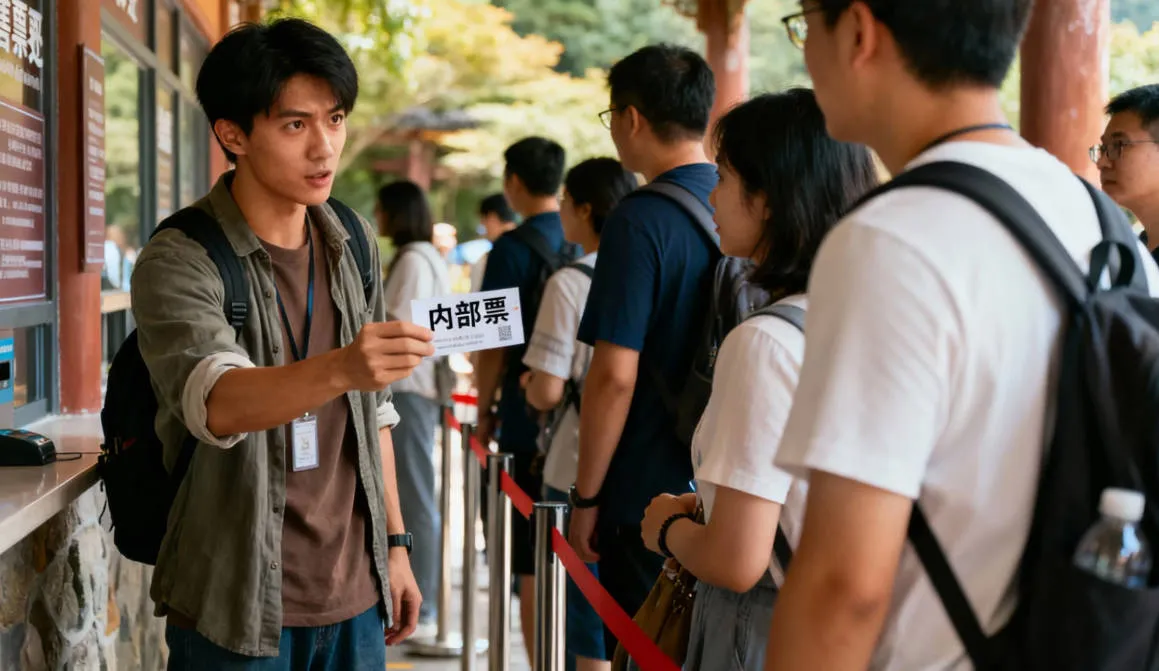
5. Fake Ticket Offices & Overpriced Tours
That is a critically important area of caution, especially around major transportation hubs and iconic tourist sites. Scams involving Fake Ticket Offices (for trains, planes, or attractions) and Overpriced Tours (often called "shopping tours") are common ways tourists are taken advantage of.
Fake Ticket Offices and Unauthorized Agencies:
-
Deceptive Appearance: Scammers set up small, unofficial storefronts or street kiosks that look official, often using names, logos, and colors similar to the official China Railway (Zhōngguó Tiělù - 中国铁路) or major airlines. (China Train Guide)
-
The Overcharge: They charge exorbitant service fees (sometimes double or triple the actual price) for tickets.
-
The Fake Ticket: In the worst cases, they sell outright fake tickets or reservations, meaning you arrive at the station and are turned away. They may also buy cheap tickets to a secondary, less desirable attraction and pass it off as the real thing (e.g., a fake/minor section of the Great Wall).
-
The Misdirection: Around train stations, unauthorized people may hang around the entrance and try to intercept you, claiming the main counter is closed, sold out, or only accepts cash, then leading you to their "friend's" office.
How to Buy Official Tickets:
| Service | Official Booking Method (Highly Recommended) |
| Train (China Railway) | 12306 Official Website/App: The only official booking platform for all Chinese trains. The app has an English version, but foreign passports may require initial verification at a station counter. Your passport is your ticket—you use it to enter the station and board the train. |
| Train (Alternative) | Reputable Third-Party Platforms: Trip.com or Klook are widely used, reliable options for foreigners. They charge a small service fee but provide excellent English support and reliable booking connected to the official system. |
| Flights | Official airline websites (e.g., Air China, China Eastern), Trip.com, or other established international travel booking sites (e.g., Expedia, etc.). |
| Attractions/Sites | Official WeChat/Alipay Mini-Programs: Many major sites now require passport pre-registration and ticket booking through their official channels on these apps. Alternatively, book through your hotel concierge or a reliable tour operator. |
Overpriced/Fake Tours and "Shopping Tours":
This is common around famous attractions like the Great Wall (Beijing), the Terracotta Warriors (Xi'an), and at major city transport hubs.
-
The False Promise: Unofficial tour operators or people acting as guides promise an unbelievably cheap tour package, often including transport and entrance fees. They may even claim to be "government-subsidized."
-
The Reality (Shopping Hell): The "tour" turns out to be primarily a series of stops at high-commission shops (tea, silk, jade, Chinese medicine clinics) where you are pressured relentlessly to buy overpriced goods. The actual sightseeing time is minimal, rushed, or they take you to a fake or inferior attraction.
-
The Fake Bus/Guide: In Beijing, for example, they may direct tourists away from the official public buses heading to the Great Wall and onto their own private, overpriced, and often slow bus that stops at shops.
How to Book an Authentic Tour:
-
Book a "No Shopping" Tour: Look for tours that specifically market themselves as "No Shopping" or "Pure Sightseeing". Reputable companies know this is a major concern for foreign travelers and will explicitly guarantee that you will not be taken to commission-based shops.
-
Use Reputable Agencies: Use international tour operators (like Intrepid, G Adventures, or Abercrombie & Kent) or highly-rated, well-established local Chinese agencies that have robust online reviews on sites like TripAdvisor, Klook, or Viator.
-
Get Hotel Advice: Your hotel concierge or an international 5-star hotel desk is usually a reliable source for recommending legitimate, high-quality tour operators.
-
DIY (Do It Yourself): For most major sites, the best way to avoid a scam is to take official public transport (train, metro, or designated tourist bus lines) and purchase your entrance tickets directly from the attraction's official gate or app.
The best defense is to do your research ahead of time on the exact location of the official transport (bus number, train platform, and ticket office) and to use well-known, international booking platforms for your tickets and tours.
6. Counterfeit Currency/Fake Change
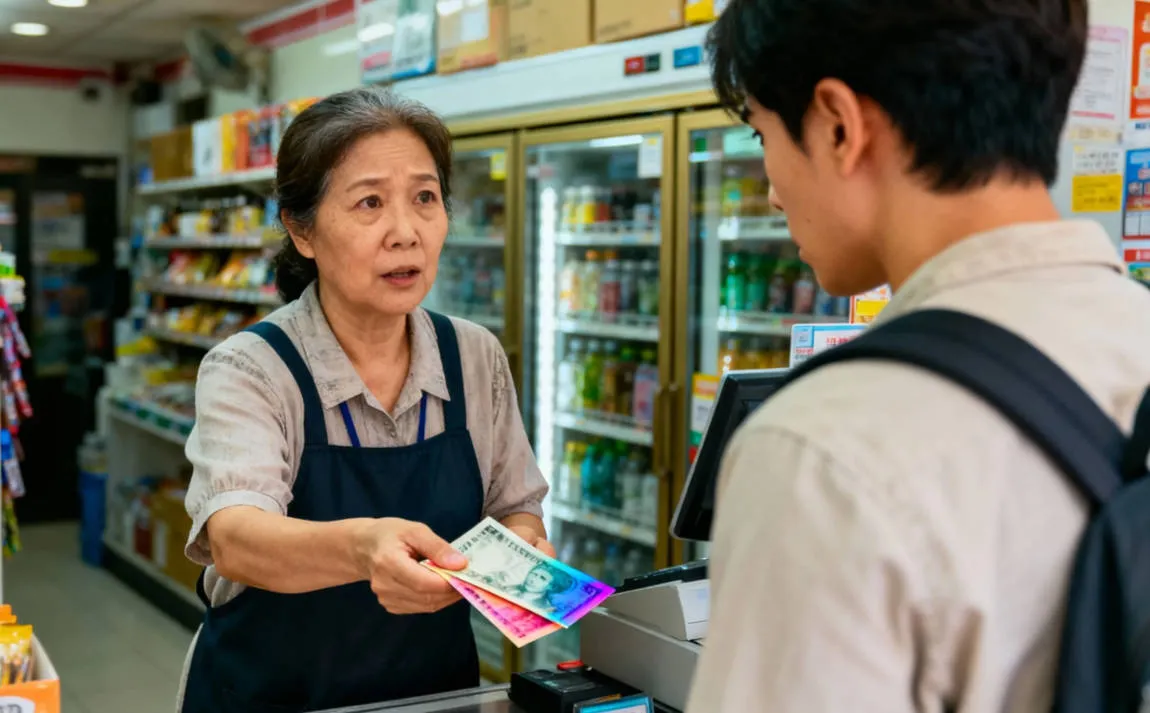
The issue of Counterfeit Currency (Fake Change) is a widely reported concern for travelers using cash in China, especially since most locals rely almost entirely on digital payments (WeChat Pay and Alipay). (Alipay vs WeChat Pay in China)
This scam can happen anywhere cash is still heavily used, such as with unofficial vendors, in smaller taxis, or at markets. The highest denominations (¥50 and ¥100 notes) are the most frequently targeted.
The Two Main Counterfeit Scams:
-
The "Fake Note Swap" Scam (Most Common): This scam often involves taxi drivers or street vendors.
-
The Set-up: You hand over a large, genuine note (e.g., a ¥100 bill) for a small purchase.
-
The Swap: The vendor/driver quickly swaps your genuine bill for a pre-hidden, high-quality counterfeit note of the same value.
- The Claim: They then inspect the fake note, hand it back to you, and loudly claim your note is a fake. They insist you give them a different bill, thereby tricking you into taking the counterfeit note while they keep your real one.
-
-
The "Fake Change" Scam: This involves receiving a counterfeit bill as part of your change.
-
The Set-up: You make a purchase with a legitimate large note.
-
The Payback: The vendor knowingly includes one or more low-denomination counterfeit notes (like ¥5 or ¥10) in your change, assuming you won't check small bills closely.
-
How to Identify Counterfeit Chinese Yuan (RMB): The Chinese government has implemented high-tech security features, which are your best defense. The easiest checks rely on Touch, Sight, and Sound.
| Feature | Genuine Note (RMB) | Counterfeit Note (RMB) |
| Texture (Touch) | Printed on high-quality, durable fiber-based paper. Feels crisp and rough. | Often feels smoother, slick, or waxy, like standard printing paper. |
| Intaglio/Raised Printing (Touch) | Run your finger over the collar of Chairman Mao's portrait, the large denomination number, and the bank name. It should feel slightly raised and rough to the touch. | Feels completely flat and smooth. |
| Watermark (Sight) | Hold the note up to a light. A clear and distinct portrait of Chairman Mao (and the denomination numeral) should appear in the white space. | The image is usually blurry, dull, or simply printed on the paper, not embedded. |
| Color-Shifting Ink (Sight) | On ¥50 and ¥100 notes, the large denomination numeral (e.g., "100") is printed with ink that changes color when tilted (e.g., gold to green). | The color usually remains the same, or the shift is poor and barely noticeable. |
| Security Thread (Sight) | Notes ¥10 and higher have a metallic or color-shifting thread embedded that runs vertically through the paper, visible when held up to the light. | Often missing, poorly replicated, or simply a faint painted line. |
| Sound | The paper is designed to make a clear, distinct "cracking" sound when ruffled or snapped. | The sound is often dull, muffled, or soft. |
How to Avoid the Money Scam:
-
Use Digital Payment: This is the single best way to avoid all currency scams. Use WeChat Pay or Alipay for nearly all transactions. In many cities, you can use these apps even at small stalls, and they eliminate the need for physical cash entirely.
-
Break Large Bills at Banks: Only get ¥100 notes from reputable sources, like large bank ATMs or major bank counters. Try to break your ¥100 bills into smaller denominations (¥10 and ¥20) at a secure location, like your hotel or a reputable, large chain store (like a supermarket).
-
Always Check ¥50 and ¥100 Notes: Be vigilant when receiving these large notes as change. Use the touch test immediately.
-
Keep Eyes on the Money: When paying, watch your bill until it is deposited into the merchant's till. If they hand it back claiming it's fake, insist that they call the police or a supervisor—this usually stops the scammer immediately.
-
Use Exact Change: Where possible, especially with taxis or street vendors, use exact or small change to eliminate the chance of receiving a fake note back.
7. The Overpriced Souvenir/Antique Scam
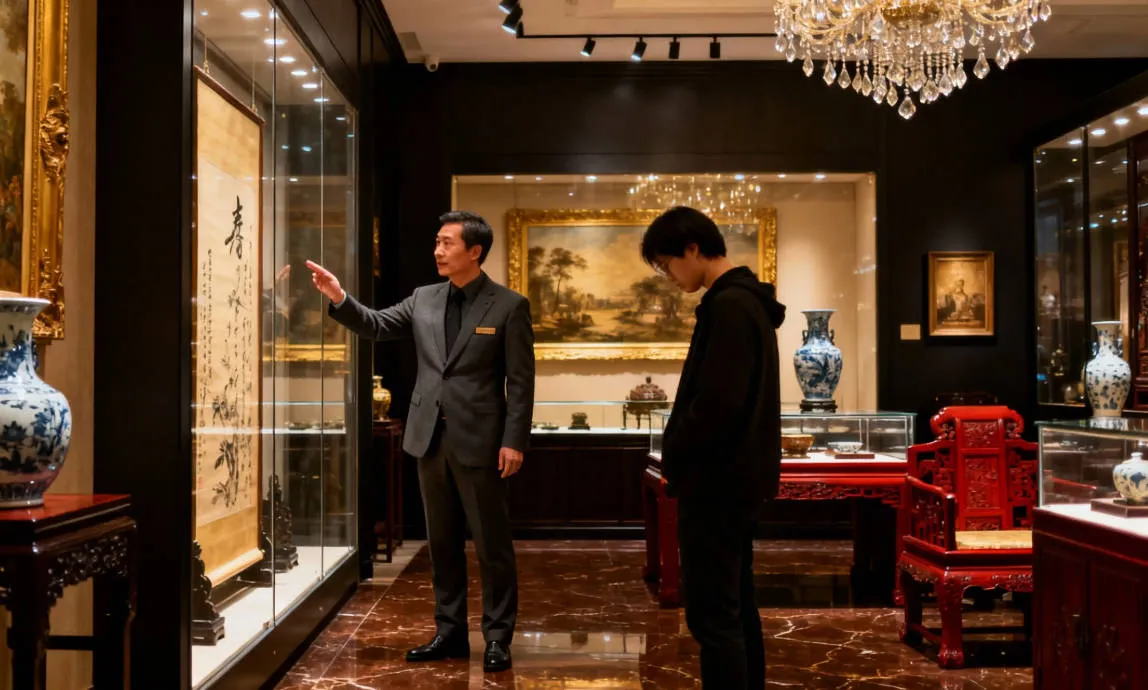
That is a classic tourist trap and a high-risk area for financial loss in China. The Overpriced Souvenir/Antique Scam is extremely prevalent, especially in major tourist cities like Beijing, Shanghai, and Xi'an.
It comes in two main forms: the straightforward massive overcharge in tourist shops, and the more elaborate "Antique Discovery" con.
The "Antique Discovery" Con: This scam targets people who dream of finding a hidden treasure. It's often set up near temples, antique markets, or traditional streets like Beijing's Liulichang.
-
The Setup: The "Rare Find"
-
The Scenario: A polite, unassuming person (often an older gentleman or a "local") approaches you in a market or on a side street. They may pretend to stumble or drop an item, or they might engage you in conversation about a small piece they are holding.
-
The Story: They claim to have accidentally found, inherited, or been given this item—a piece of jade, a small porcelain vase, or an old coin—and explain that they are not a vendor but urgently need money for a relative's medical bill, a train ticket, or a simple hardship.
- The Appraisal: They may show you a receipt or a crude "appraisal" claiming the item is worth thousands, but they are willing to sell it to you right now for a deeply discounted price (e.g., selling a supposed ¥50,000 jade pendant for ¥5,000).
-
-
The Reality: A Worthless Fake
-
The item is always a cheap, mass-produced fake worth less than ¥100 (or sometimes almost nothing). The story of the hardship is entirely fabricated, and the "finder" is an actor working in collusion with the antique shops nearby.
-
The Psychological Trap: They pressure you with urgency and the idea of a massive profit/discovery. When you buy it, you are simply paying a highly inflated price for a souvenir, not an antique.
-
The Overpriced Souvenir Shop Trap: This is less elaborate but happens frequently, especially on organized tours or near attraction exits.
-
Commission Stops: Many "cheap" tours include mandatory stops at factories or showrooms (silk, jade, pearls, tea, traditional Chinese medicine). The tour guide receives a high commission for every sale, which is factored into the astronomical price of the item.
-
The "Lottery" Scam: You are given a scratch card or ticket upon entering a shop. You "win" a coupon or discount for a high-value item (like a piece of jade jewelry), forcing you to spend money to utilize the coupon's value. The item is still massively overpriced junk.
-
The Price Differentiation: Vendors in high-traffic tourist areas practice "foreigner pricing," meaning they automatically quote you a price that is 3 to 10 times higher than the actual market value.
How to Protect Yourself and Buy Smart:
-
Do NOT Buy "Antiques"
-
Assume everything is a fake. China has a massive, highly skilled industry dedicated to producing convincing forgeries of antiques. It is impossible for anyone without decades of specialized, hands-on experience to tell a real antique from a modern copy, and even experts are often fooled.
-
Legal Restrictions: It is illegal to export genuine, culturally significant antiques (those made before 1795) out of China without proper documentation, which you will not have if you bought it from a street vendor.
-
-
Bargain Hard (For Souvenirs)
-
Start Low: If you are buying a souvenir in a market (e.g., magnets, cheap silk scarves, small carvings), start your bargaining at 20-30% of the initial quoted price.
-
Be Ready to Walk Away: The moment you walk away, the vendor will often call you back and agree to a much lower, more reasonable price. If they don't, another stall nearby will be selling the exact same item.
- Use Digital Payments: If you use WeChat Pay or Alipay, the vendor has to enter the price, which makes it harder to overcharge you than if you are fumbling with cash.
-
-
Avoid Commission Traps
-
If a tour bus stops at a location that is not a famous landmark but a factory, clinic, or showroom, do not buy anything. It is a commission stop, and you are paying the commission.
-
If you genuinely want to buy silk, tea, or jade, do so at a large, reputable department store or a well-known chain retailer with fixed prices and proper receipts.
-
8. QR Code & Fake Payment Scams
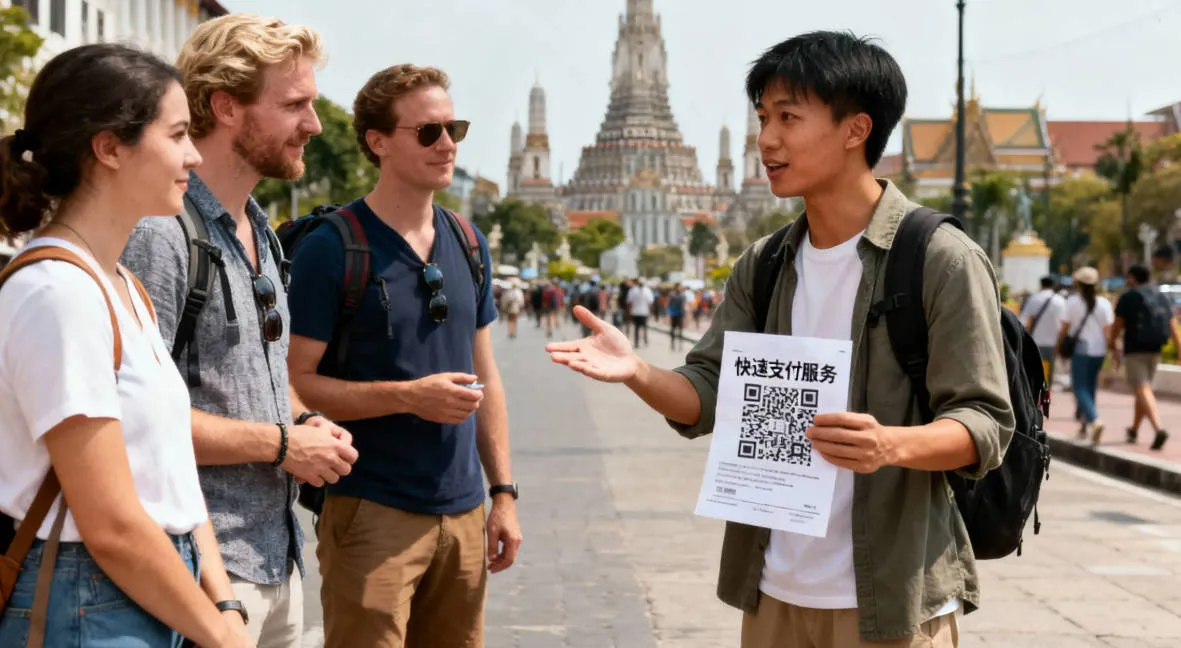
Since China is a highly digital and near-cashless society, the rise of WeChat Pay and Alipay has unfortunately created new vulnerabilities for scams, especially around QR codes.
These scams can happen via physical QR codes in the street, or through online phishing attempts.
Physical QR Code Scams: These scams involve tampering with the physical QR codes used by legitimate vendors.
-
The Fake Sticker/QR Code Swap: This is the most common physical scam, often targeting small vendors, shared bikes, or parking meters.
-
The Scam: Scammers print their own QR code sticker and place it directly over the legitimate vendor's code. This is easy to do, particularly on static codes (the kind that don't change).
-
The Result: When you scan the code to pay for your noodles, taxi, or souvenir, the money is instantly transferred to the scammer's personal account instead of the vendor's.
- How to Spot It: Check the code closely. Does it look like a sticker has been pasted over the original? Does the printed quality look poor or flimsy?
-
-
The Phishing/Malware Code: This scam is less about payment theft and more about data theft.
-
The Scam: A malicious QR code is placed in a public area (e.g., on a fake advertisement or an unsolicited email). When scanned, it does not prompt a payment, but instead directs you to a phishing website (designed to look like a bank login or a government form) or forces your phone to download malware that can track your keystrokes and steal your passwords.
-
The Risk: This compromises sensitive information like your bank details, which are often linked to your digital wallet apps.
-
Digital/Social Engineering Scams: These scams often occur after you've started using your payment apps, relying on trust and urgency.
-
The Scam: You receive an unsolicited phone call, often from a number with an international dialing code (like Singapore or Hong Kong), from someone claiming to be an Alipay or WeChat Pay representative.
-
The Lie: They tell you your account has been flagged for "suspicious activity," an "unpaid subscription," or is about to be suspended due to an "upgrade failure."
-
The Solution: To "fix" the issue, they pressure you into providing your login credentials, payment password, or even transferring money to a provided account or QR code for "verification" or "cancellation." This is purely a social engineering attack to get you to willingly hand over access or funds. Real platform staff will NEVER call and ask for your password or a verification transfer.
The Shared QR Code (Person-to-Person Scam): This involves manipulation during an in-person transaction.
-
The Scam: A vendor or private seller (e.g., in a used goods market) asks you to scan their personal QR code for payment. You scan it, enter the amount, and show the "Payment Successful" screen.
-
The Trick: As you turn away, they quickly claim the payment did not go through (often with a prepared excuse about a slow network) and insist you pay again. They might also claim you scanned the wrong code. If you pay a second time, they've successfully tricked you out of the first payment.
Best Security Practices for Digital Payments
Using digital payment apps is still the safest and most convenient way to transact in China, provided you follow these rules:
-
Use Dynamic Codes: For high-value transactions or in official stores, ask the merchant to scan your unique, dynamic payment QR code (the one that changes every minute). This code is highly secure, as it is generated in real-time by the app.
-
Verify the Recipient: When you scan a vendor's static QR code, your payment app (Alipay/WeChat) will display the recipient's name (usually in Chinese). If the name is a generic-sounding personal name (e.g., "Mr. Li") for a large shop, or if the name doesn't match the business, be suspicious.
-
Check for Tampering: Before scanning any physical, static QR code (especially on a small vendor's stall), run your finger over it to ensure it's not a sticker placed over the original.
-
Confirm the Amount (Crucial): Before hitting the "Pay" button after scanning a code, DOUBLE-CHECK the amount and the recipient's name displayed on your screen.
-
Ignore Unsolicited Calls/Messages: Never provide passwords, PINs, or transfer money to anyone who calls or messages you claiming to be from Alipay or WeChat. Hang up and contact the official support channel through the app directly if you have concerns.
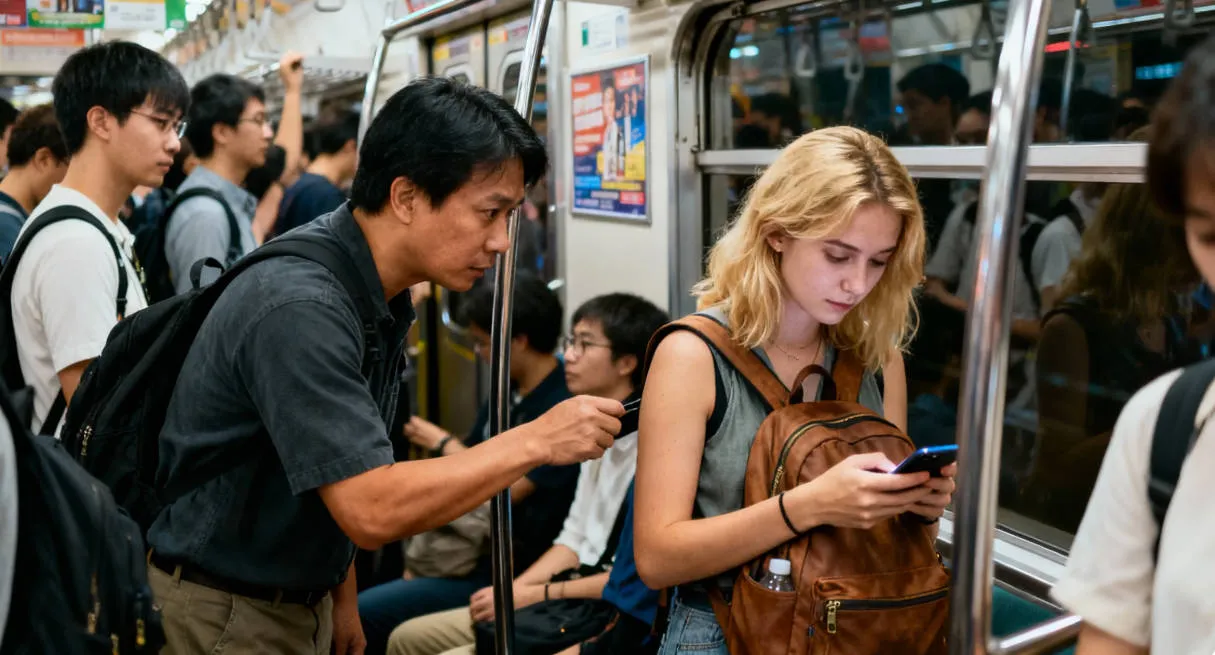
9. Pickpockets and Distraction Thieves
While China is generally considered safe, pickpocketing and distraction theft are forms of petty crime that travelers, particularly in crowded areas, should be aware of. Thieves often work in teams to target the distracted or visibly affluent.
Common Pickpocket and Distraction Tactics: Distraction is the key element in most theft in crowded areas. Be wary of any unexpected physical contact or commotion.
-
The "Squeeze" in Crowds: Thieves will use the natural crowding on public transit (buses, subways, train stations) or in queues as cover to reach into outer pockets or bags while pretending to push through.
-
The Spill/Bumping: One person "accidentally" bumps into you or spills a drink/something messy on you. While you are distracted, apologize, or cleaning up, their accomplice quickly snatches an item from an unguarded pocket or open bag.
-
The Map/Newspaper Cover: A thief approaches, often feigning confusion, and shoves a large map, newspaper, or even a clipboard petition in your face. This completely blocks your line of sight while their partner reaches under the cover to steal your valuables.
-
The Luggage Rack Thief (on Trains): Someone will place their bag near yours on a luggage rack and, under the guise of retrieving their own items, they will stealthily take valuables from your luggage.
-
The ATM Swarm: When you are withdrawing cash, a group of people (sometimes children or aggressive beggars) will surround you or put a piece of paper over the screen. While you are distracted, another person may press the button for the maximum withdrawal and quickly grab the cash.
High-Risk Areas: Pickpockets and thieves look for two things: crowds and distracted tourists. Exercise increased caution in the following locations:
-
Public Transportation: Crowded buses, subways, and especially train stations and overnight sleeper trains.
-
Major Tourist Attractions: Places like Tiananmen Square and the Forbidden City in Beijing, The Bund and Nanjing Road in Shanghai, and popular spots in Xi'an and Guangzhou.
-
Shopping Districts: Busy markets, retail areas, and popular pedestrian streets where people are focused on shopping.
-
Nightlife Areas: Crowded bars and clubs, especially late at night in major cities.
-
During Peak Seasons: Incidents reportedly increase during major holidays like Chinese New Year (Spring Festival) when transportation hubs are extremely crowded.
Essential Prevention Tips: The best defense is vigilance and secure storage of your valuables.
| Tip Category | Action to Take |
| Cash & Cards | Use Digital Payments: China is highly digital; utilize mobile payments (like WeChat Pay or Alipay) to minimize the cash you carry. |
| Secure Valuables: Keep your wallet, phone, and passport in a front pocket, an inner zipped jacket pocket, or a cross-body bag worn on your chest with a hand on it. | |
| Use a Money Belt: For your passport, large sums of cash, and extra credit cards, a money belt worn under your clothes is highly effective. | |
| Bags & Luggage | Wear Backpacks in Front: In crowded spaces like the subway, move your backpack to your chest. |
| Do Not Leave Bags Unattended: Never place your bag on the back of a chair or on a table in a restaurant. Keep it on your lap or looped around your arm or leg. | |
| Secure Luggage on Trains: On overnight trains, clip or fasten your bag to the rack or yourself, and keep valuables under your seat or under your pillow. | |
| Situational Awareness | Be Present: Avoid being overly distracted by your phone or map in a crowded public space. |
| Decline Unsolicited Help/Surveys: Be immediately suspicious of strangers approaching you on the street to ask for directions, sign a petition, or offer to take your photo. They are often working in teams. | |
| Passport: | Carry a Copy: You are generally required to carry your passport, so keep the original in your most secure spot (like a money belt) and carry a photocopy for simpler needs. |
10. Common Menu & Pricing Scams
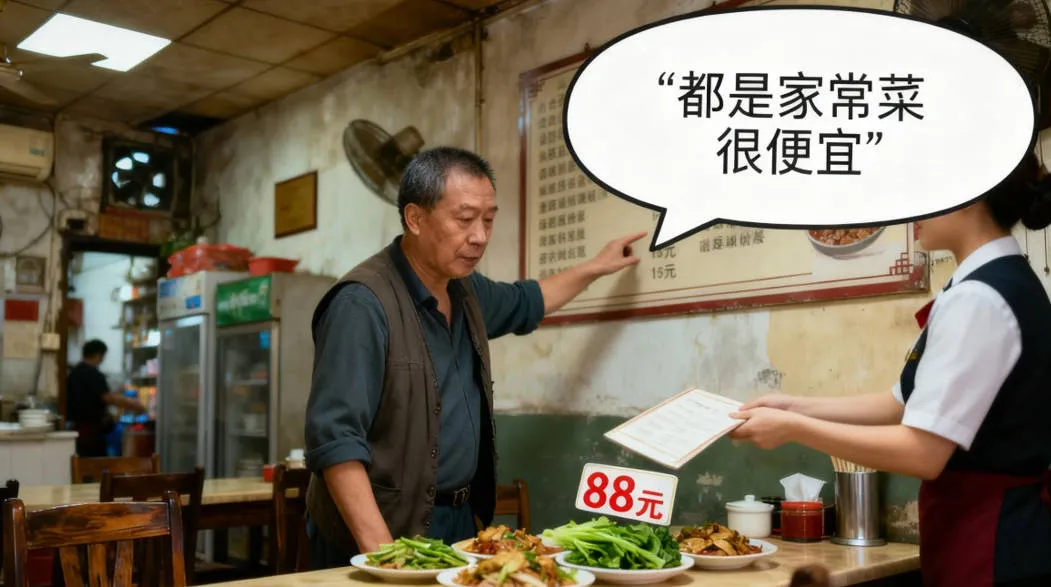
These are more focused on the restaurant itself trying to overcharge customers who can't read the menu or are easily confused.
-
The "Market Price" Trap (时价, shí jià)
-
The Trap: This applies mostly to fresh seafood and specialty items. The menu may list a dish with no price, but instead the characters 时价 (shí jià), meaning "market price."
-
The Overcharge: If you don't confirm the price before ordering, you may find yourself charged an inflated, non-negotiable price on the final bill.
- How to Avoid: Always ask the price (多少钱, duōshǎo qián?) for any item listed as "market price" or without a price. You can also use your phone to calculate the price per 500g (斤, jīn), as prices are often listed this way.
-
-
The Unrequested Extras
-
The Trap: In some less reputable restaurants, you may find small charges added to your bill for items you assumed were free or that you didn't explicitly request.
-
Common Charges:
-
Napkins/Tissues (纸巾, zhǐjīn)
-
Tea (茶, chá) or Wet Towels (湿巾, shījīn)
-
Condiment bowls/Saucery (酱料, jiàngliào)
-
- How to Avoid: Be aware that small items like these often carry a small fee (typically 1–3 RMB). If you don't want them, politely decline them when they are offered or removed them from your table right away. Always check your bill (买单, mǎidān) before paying.
-
-
The "Two Menus" Scam
-
The Trap: The waiter may provide you with a special English or 'foreigner' menu that features significantly inflated prices compared to the local Chinese menu.
- How to Avoid: If you can, scan a picture of the menu or point to the same item on the Chinese menu (if visible at the entrance or counter). If the price difference is substantial, politely challenge it, or simply choose another, more transparent establishment.
-
General Protection Strategy:
-
Use Digital/Reputable Places: Stick to restaurants with good ratings on apps like Dianping (大众点评, Dàzhòng Diǎnpíng) or those crowded with locals.
-
Digital Payment is Key: Use WeChat Pay or Alipay. You will get an itemized, digital bill and a transaction record, which makes contesting an overcharge easier.
-
Confirm the Order: Before the waiter walks away, confirm the name and price of the dish: "Zhège, XX kuài ma?" (这个, XX块吗? - "This one, is it XX dollars?")
-
Take Pictures: If you are skeptical, take a picture of the menu page showing the prices you agreed to before you start eating.
11. Great Wall “Secret Route” or “Free Hiking” Scam
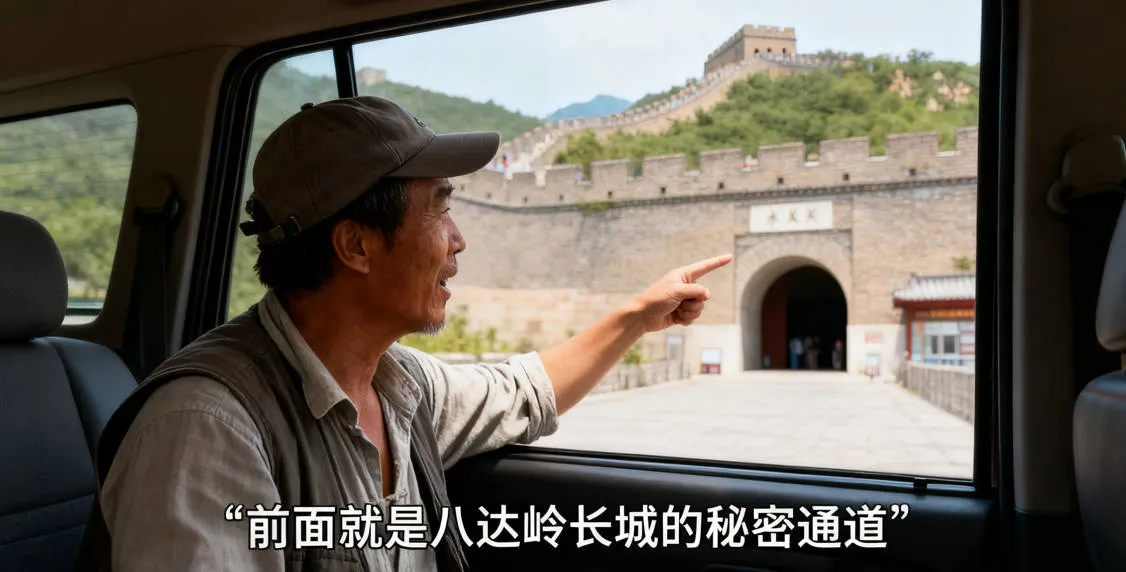
Great Wall scams are some of the most common and disruptive traps for visitors arriving in Beijing. The "Secret Route" or "Free Hiking" scam is essentially a bait-and-switch operation that starts with transportation and ends with visitors being pressured to overpay for a sub-par experience.
The Great Wall Transportation Scam (The Bait-and-Switch): The official, regulated buses (especially the ones to Mutianyu and Badaling) leave from specific, well-known stations in Beijing. Scammers target travelers at or near these legitimate transport hubs.
How the Scam Works:
-
The Approach: You are approached at or near the official bus/train station (e.g., Dongzhimen, Deshengmen) by someone who appears to be an official representative, sometimes even wearing a fake uniform or badge, or standing next to a bus labeled with the Great Wall name (like Badaling).
-
The Lie: They tell you one of the following:
-
"The official bus/cable car/section is closed/sold out/broken."
-
"Our bus is faster/express/cheaper."
-
"We are going to a secret, less-crowded section with a better view."
-
-
The Detour: You pay a small fee (which seems normal) and board the bus. An hour or two into the ride, the "official" guide or driver changes the story.
-
They might stop at a remote location, sometimes an hour or more away from the actual Great Wall section you wanted.
-
They demand a significantly higher, unnegotiable fee for the rest of the ride or for "exclusive access" to the wall.
-
They force you to make a mandatory, time-consuming stop at a highly commercialized and overpriced factory store (jade, silk, or "traditional Chinese medicine") where they receive a commission.
-
-
The Result: You arrive late at a sub-par, possibly unmaintained, or even fake Great Wall section and have wasted hours (and money) on unwanted shopping and transportation fees. You may also be left stranded with limited return transportation options.
The "Wild" or "Free Hiking" Lure: While sections like Jiankou are genuinely "wild" and offer a challenging, authentic, and beautiful hike, the "free hiking" offer is usually a ploy.
-
The Trap: Scammers often advertise the unmaintained (wild) sections as "free hiking" to avoid the official entrance fees of the restored sections (like Mutianyu or Jinshanling).
-
The Reality: Wild sections are often remote and the local villagers and landowners control the access points. To access the wall, you are often required to pay "land access fees," "parking fees," or "guiding fees" to locals who operate these informal, unregulated entrances. The total cost can end up being just as high, if not higher, than the official, well-managed sections, and your safety is not guaranteed.
How to Plan a Safe and Legitimate Great Wall Trip: Your best defense is to stick to official, published transportation and well-known sections.
-
Choose a Reputable Section, The most reliable and popular sections near Beijing are:
| Section Name | Best For | Crowds | Key Feature |
| Mutianyu (慕田峪) | Families, great views, toboggan ride. | Medium (Less than Badaling). | Excellent restoration, beautiful scenery, easy access. |
| Jinshanling (金山岭) | Serious hikers, photographers. | Low/Medium. | Stunning, remote section with a mix of restored and wild areas. |
| Badaling (八达岭) | Closest to Beijing, easiest access. | High (Often very crowded). | Heavily restored, most accessible by public transport. |
-
Book Official Transportation or Private Car: Do NOT trust anyone who approaches you on the street or in a station.
-
Official Tourist Bus: Check the official Beijing Bus route website or ask your hotel concierge for the exact line number and official departure point (e.g., the official tourist line for Mutianyu).
-
Private Car/Didi: Hire a licensed driver or use the Didi (China's version of Uber/Lyft) app. This is the most secure and direct option. Confirm the final price with the driver before you leave.
-
Official Tour Company: Book a reputable, established tour company (your hotel can recommend one) that explicitly lists the sections visited and does not include "mandatory shopping stops."
-
-
Verify the Price
-
Ticket Price: All legitimate sections have clearly posted, fixed entrance fees (usually around 40-60 RMB).
-
Cable Car/Toboggan: These are separate and often cost extra (around 100-140 RMB round trip). These prices should also be clearly posted at the base area.
-
12. The “Temple of Heaven / Forbidden City is Closed Today” Scam
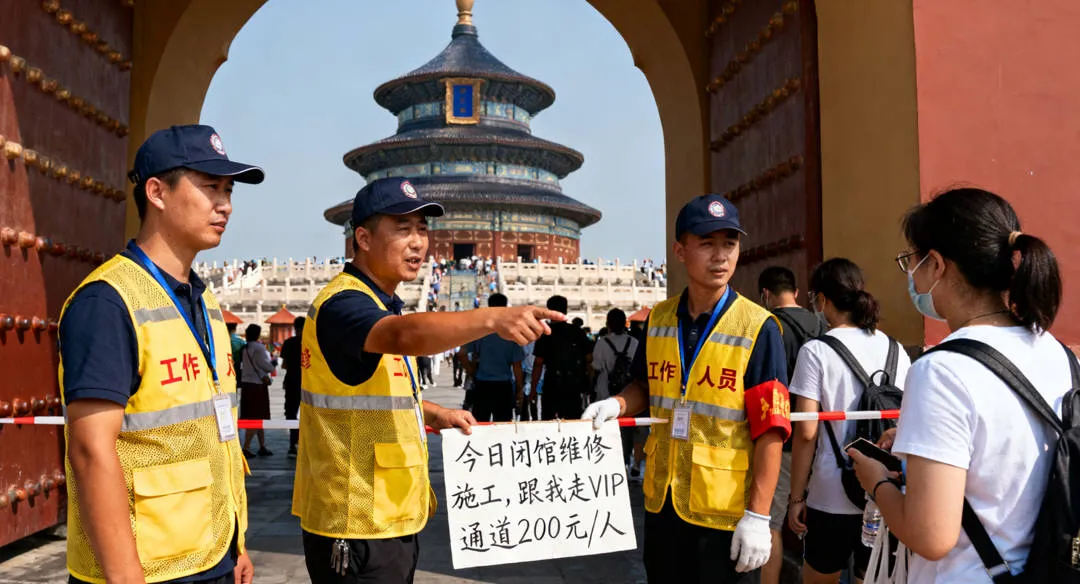
The "Closed Today" scam takes advantage of travelers who are either unaware of the official ticketing procedures or who failed to secure a ticket in advance.
The "Closed Today" Scam Mechanism:
The Forbidden City (Palace Museum) and Temple of Heaven have very strict visitor limits and mandatory real-name online ticketing policies. This creates a perfect opportunity for scammers to step in.
How the Scam Works:
-
The Target: You arrive at the entrance area (especially near the Meridian Gate of the Forbidden City or the main gates of the Temple of Heaven).
-
The Setup: A person approaches you—often speaking surprisingly good English—claiming to be a local guide, a travel agent, or sometimes just a helpful resident.
-
The Lie: They tell you that the attraction is closed for the day, that all tickets are sold out (which might be true for the Forbidden City), or that the official ticket office is not open for foreigners.
-
The Switch: They offer a "solution":
-
The Overpriced Tour: They insist the only way to get in is by buying a spot on their "exclusive, private tour" for an exorbitant fee. This tour might include a ticket, but the price is hugely marked up (sometimes 5-10 times the official price).
-
The Detour/Tea Scam: They suggest that since the main attraction is closed, they can take you to an "even better" or "secret" nearby place—which inevitably leads to the infamous Tea House Scam or the Art Gallery Scam (where you are pressured to buy overpriced goods or pay an outrageous bill).
- The Fake Ticket: They sell you a paper ticket claiming it's a valid ticket, which turns out to be worthless when you try to scan it at the gate.
-
Essential Protection Strategy: The only way to completely defeat this scam is to book your tickets properly in advance and ignore unsolicited advice near the entrance.
-
Forbidden City (Palace Museum) Rules
-
Book 1-7 Days in Advance: All tickets must be bought online. The ticket is tied to your passport.
-
Official Channels Only: Use the official website or a trusted third-party platform that is authorized for international bookings (e.g., Trip.com, Klook).
-
The Entry Process: You do not need a paper ticket. You simply go to the main entrance (Meridian Gate) and scan your passport at the turnstile for entry.
-
Closed Day: It is closed every Monday. Plan accordingly.
-
-
Temple of Heaven Rules
-
Book Online: While sometimes less strict than the Forbidden City, it is highly recommended to book your entry ticket online via the official WeChat Mini Program or trusted third-party sites.
-
Opening Times: It is rarely closed unexpectedly. Check the official opening hours online the day before your visit.
-
-
General Rules for All Sites
-
Confirm Official Status: Check the official website for closing days/times before you leave your hotel. If a stranger tells you something is closed, you already have the correct information.
-
Ignore Touts: Do not engage with anyone who approaches you around the ticket lines, main gates, or subway exits near tourist attractions. Simply say "Bú yào" (不要 - "I don't want it") and walk away.
- Use Passport: Your passport is your ticket. If someone tries to sell you a physical ticket, be extremely suspicious.
-
If you arrive at the Forbidden City without a pre-booked ticket and it is sold out, do not pay a tout. Instead, go to a nearby attraction like Jingshan Park (directly behind the Forbidden City) for an incredible view over the palace, or visit the National Museum of China nearby.
City-Specific Hotspots (2026)
Here are the specific, city-by-city hotspots and the most prevalent scams you should be aware of in Beijing, Shanghai, Guangzhou, and Xi'an in 2026:
🏙️ Beijing Hotspots & Scams
Beijing has extensive surveillance, but the high volume of tourists at historical sites creates prime environments for distraction theft.
| Hotspot/Location | Type of Crime | Specific Tactic/Area |
| Tourist Sites | Scams (High Risk) | Near the Forbidden City/Tiananmen Square, scammers use the "Closed Today" or "Sold Out" lie to push you toward expensive fake tours or the Tea House/Art Gallery Scam. |
| Subway/Buses | Pickpocketing (High Risk) | The most crowded lines, especially Line 1 (East-West) and around major transport hubs like Beijing South Railway Station and Dongzhimen. Thieves work in teams during rush hour. |
| Wangfujing Street | Distraction Theft | Crowded pedestrian shopping area. Be wary of unexpected bumps or people stopping suddenly in front of you. |
| Great Wall (Transport) | Transportation Scam | Outside official bus stations (like Deshengmen), drivers lure you onto non-official buses with false promises, then demand high fees or force commercial stops. |
🌃 Shanghai Hotspots & Scams
Recent reports show Shanghai is a rising concern for tourist-targeted petty crime. Thieves take advantage of the density and the highly-focused atmosphere around the city's modern marvels.
| Hotspot/Location | Type of Crime | Specific Tactic/Area |
| Nanjing Road East | Distraction Theft & Pickpocketing (Very High Risk) | The densely packed crowds along this famous pedestrian street (especially near People's Square) are ideal for the "squeeze" and "bump" tactics. |
| The Bund | Tea House/Bar Scam (High Risk) | Often near the waterfront, friendly English-speaking locals invite you for a drink at a secluded, overpriced venue with inflated prices. |
| Yuyuan Garden Area | Fake Goods/Counterfeit Money | Crowded, labyrinthine market area. Be highly skeptical of quality and confirm the change you receive (RMB 100 notes are often swapped for fakes). |
| Metro Line 2 (The Line to Pudong) | Pickpocketing | This line connects the two major railway stations, the main commercial districts, and Pudong Airport, making it a target for travelers with luggage. |
| Nightlife (Former French Concession) | Theft | Clubs and bars (like on Ju Le Road or Mao Ming Road) are areas where phones or wallets can be lifted from unattended tables, or where you might be targeted outside late at night. |
🛍️ Guangzhou Hotspots & Scams
As a major trading and transportation hub, Guangzhou sees high traffic, particularly around its markets and stations.
| Hotspot/Location | Type of Crime | Specific Tactic/Area |
| Canton Fair/Shopping Hubs | Pickpocketing & Bag Snatching (High Risk) | Areas with major trade and shipping (like the Canton Fair complex and surrounding commercial streets). Thieves target those carrying bags of goods or looking visibly distracted. |
| Guangzhou Railway Station | Pickpocketing (Very High Risk) | Like all major train stations, the ticket halls, waiting areas, and boarding platforms are highly compressed, chaotic environments that thieves exploit. |
| Public Transport | Petty Theft | Crowded buses and the metro, particularly around transfer points. Keep backpacks on your chest. |
| Currency Scams | Fake Money | Be vigilant when receiving change from taxi drivers or small vendors. Always check the legitimacy of large RMB notes. |
🗿 Xi'an Hotspots & Scams
Xi'an's scams often revolve around the Terracotta Warriors, where unauthorized guides and transport touts run interference.
| Hotspot/Location | Type of Crime | Specific Tactic/Area |
| Xi'an Railway Station | Black Taxis/Illegal Transport (High Risk) | Touts pose as official drivers or guides to shuttle tourists to the Terracotta Warriors, severely overcharging or forcing stops at commission-based stores. |
| Terracotta Warriors Entrance | Illegal Guides & Fake Tours | Uncertified guides approach offering free or cheap services, leading to mandatory and high-pressure shopping stops for poor-quality goods. |
| Bell Tower/Muslim Quarter | Pickpocketing | The underground tunnels at the Bell Tower and the highly congested market streets of the Muslim Quarter are high-density areas perfect for distraction theft. |
Summary Takeaway:
The most common crime theme across all major cities remains the distraction scam (tea house, fake tour, bump-and-spill) and pickpocketing in transport hubs and crowded tourist/shopping areas.
What to Do If You’re Scammed
Even with the best preparation, you might find yourself in a scam situation. Staying calm and acting strategically is your most powerful tool. Here’s exactly what to do, step by step, to protect yourself and potentially resolve the situation.
🛑 Phase 1: Immediate Action and Safety. Your first priority is to stop the immediate financial loss and ensure your personal safety.
-
Stop Payment: If the scam involves a charge (like the Tea House or inflated restaurant bill), refuse to pay the exorbitant amount. Stay calm and firmly state, "Wǒ jùjué zhīfù zhège jiàqian" (我拒绝支付这个价钱 - "I refuse to pay this price").
-
If the situation becomes physically aggressive or threatening, prioritize safety and leave. If you can escape without paying, do so.
-
-
Call the Police (If Safety is at Risk): For theft, assault, or if you feel you are being held against your will to pay an inflated bill, call the police immediately.
-
Police (Emergency): 110 (Nationwide)
-
Tip: If the operator does not speak English, say "Wǒ xūyào jǐngchá" (我需要警察 - "I need police") and try to pass the phone to someone nearby (e.g., hotel staff, a friendly local) to translate your location and problem.
-
-
Collect Evidence: Before leaving the scene, take photos or video of:
-
The establishment's name and address.
-
The menu showing the prices you were charged (especially if they look different from others).
-
The license plate of the taxi/bus (if applicable).
-
The people involved, if safe to do so.
-
📞 Phase 2: Official Reporting (Non-Emergency). For most tourist scams (like inflated prices, fake tours, or pushy vendors), you should file a complaint with the relevant Chinese authorities.
-
Consumer/Tourism Complaint Hotline: 12345. The 12345 Public Service Hotline is the government's comprehensive non-emergency number for public administration and service issues, including consumer complaints.
-
Dial: 12345 (Nationwide)
- Purpose: Report price gouging, service disputes, or general consumer fraud. This is often the most direct route for non-violent tourist issues.
-
-
Market Supervision (Consumer Rights) Hotline: 12315. The 12315 hotline is managed by China's market regulatory authority and is specifically for complaints about shopping, services, scams, or unsafe products.
-
Dial: 12315 (Nationwide)
- Purpose: Report problems like receiving counterfeit goods, being overcharged at a shop, or issues with a service provider.
-
-
Tourist Quality Supervision and Management. You can report issues to the local tourism bureau. While this might be slower, it helps officials track repeat offenders.
| City | Complaint Phone Number |
| Beijing | (010) 8516 2288 |
| Shanghai | (021) 6439 3615 |
| Guangzhou | (020) 8666 6666 |
| Xi'an | (029) 8763 0166 |
🛂 Phase 3: Contact Your Consulate/Embassy. If the situation i severe (e.g., you've lost your passport, lost a large amount of money, or have legal trouble), contact your country's diplomatic mission. (U.S. Embassy & Consulates; British Embassy Beijing)
-
Consular staff can assist with emergency financial transfers, replacing lost documents, and providing a list of local English-speaking attorneys.
-
Note: They cannot interfere in local law enforcement matters or act as mediators for disputes.
| Service | Number | Pinyin | Use For |
| Police | 110 | Yīyī líng | Crime, immediate safety threats, emergencies. |
| Ambulance | 120 | Yī'èr líng | Medical emergencies only. |
| Fire | 119 | Yīyī jiǔ | Fire, gas leaks, and rescue. |
| Tourist/Govt. | 12345 | Yī'èr sān sì wǔ | General service complaints, non-emergency help. |
🚨 Note on Calling the Police (110)
If you dial 110 and the operator does not speak English, do not hang up. Say "English" clearly. In major cities like Beijing and Shanghai, they will typically transfer you to the Exit-Entry Administration Bureau (Foreign Affairs Police), who are specifically trained to handle crimes involving foreigners and will dispatch an English-speaking officer or translator.
Travel Smart, Not Scared
Reading this list might feel overwhelming, but please don’t let it deter you. The vast majority of people you will meet in China are kind, honest, and hospitable. Scams are an exception, not the rule.
By simply being aware of these common tricks, you have already protected yourself. Travel with your eyes open, trust your instincts, and don’t be afraid to say no. Do this, and you’ll be free to immerse yourself in the wonder, beauty, and incredible warmth that China has to offer.