Foshan, a vibrant city in Guangdong Province, China, is renowned for its rich Lingnan culture, historic sites, and seamless connectivity to Guangzhou via the Guangfo Metro Line. In 2026, with potential network expansions and improved services, exploring landmarks like Zumiao Temple and Lingnan Tiandi has never been easier or more exciting. This comprehensive guide covers everything from metro routes to detailed attraction insights, itineraries, and tips, making it your go-to resource for a memorable Foshan adventure. Whether you're a first-time visitor from Guangzhou or an international traveler, the Guangfo Metro offers an affordable, efficient way to immerse yourself in Foshan's heritage.
📌 The Quick Guangzhou-to-Foshan Day Trip Guide
-
The Best Transport: Take the Guangfo Metro Line (Line 1 of Foshan Metro). It connects directly with the Guangzhou subway system.
-
How to Pay: The Guangzhou and Foshan metro systems are fully integrated! You can use the exact same Alipay or WeChat transit QR code you use in Guangzhou to ride into Foshan.
-
Where to Get Off: Ride to Zumiao Station (Exit D).
-
What to Do: Watch the authentic Kung Fu and Lion Dance at Zumiao Temple (mornings or early afternoons), then walk next door to Lingnan Tiandi for historic architecture, trendy cafes, and traditional Shunde cuisine.
Understanding the Guangfo Metro Line: Map, Stations, and 2026 Updates
The Guangfo Metro Line, also known as Line 1 of the Foshan Metro or simply the Guangfo Line, is a vital intercity subway connecting Guangzhou and Foshan. Spanning approximately 39.6 km with 25 stations, it runs fully underground from Xincheng Dong in Shunde District, Foshan, to Lijiao in Haizhu District, Guangzhou. Operated by Guangzhou Metro Corporation, it's a yellowish-green line that facilitates easy cross-city travel.

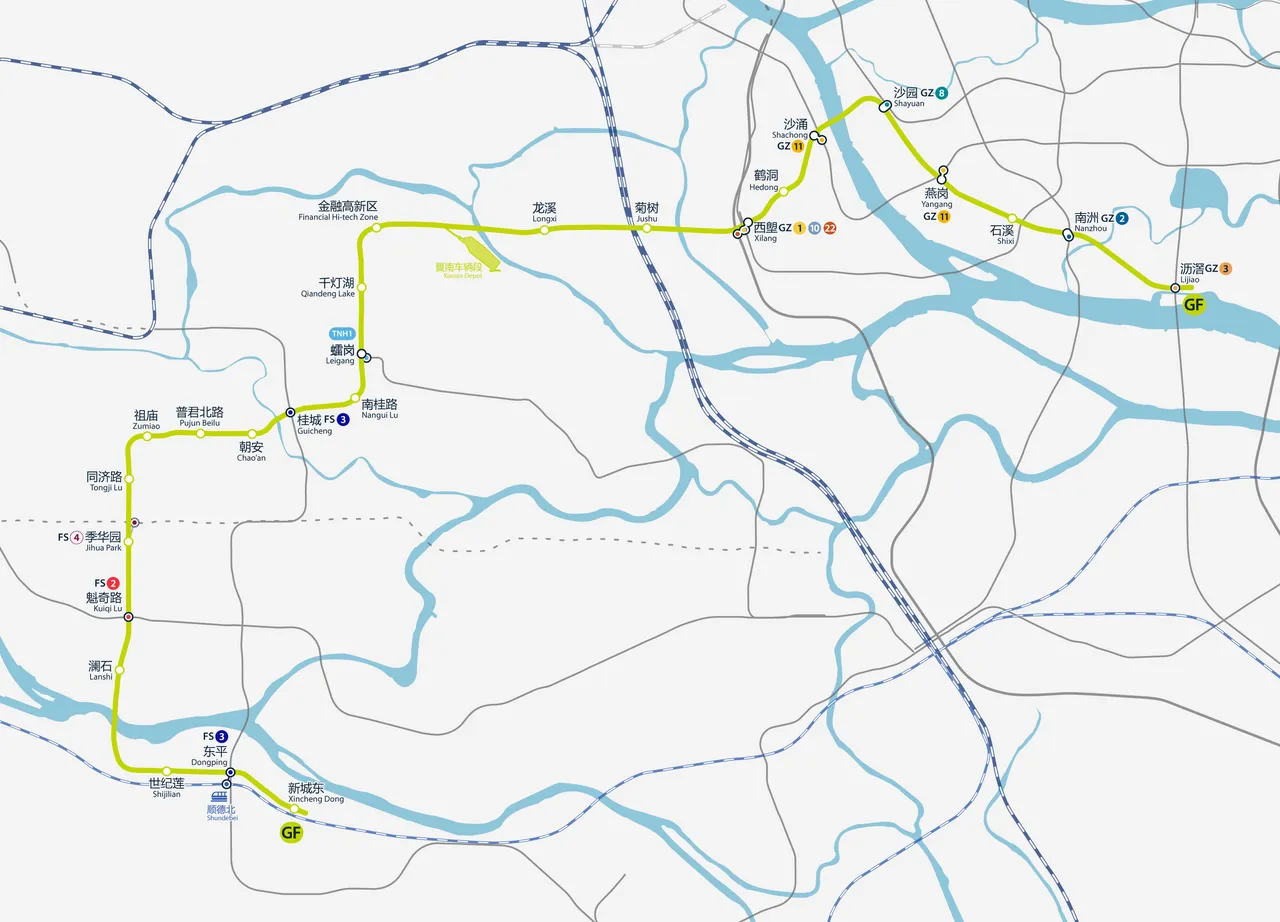
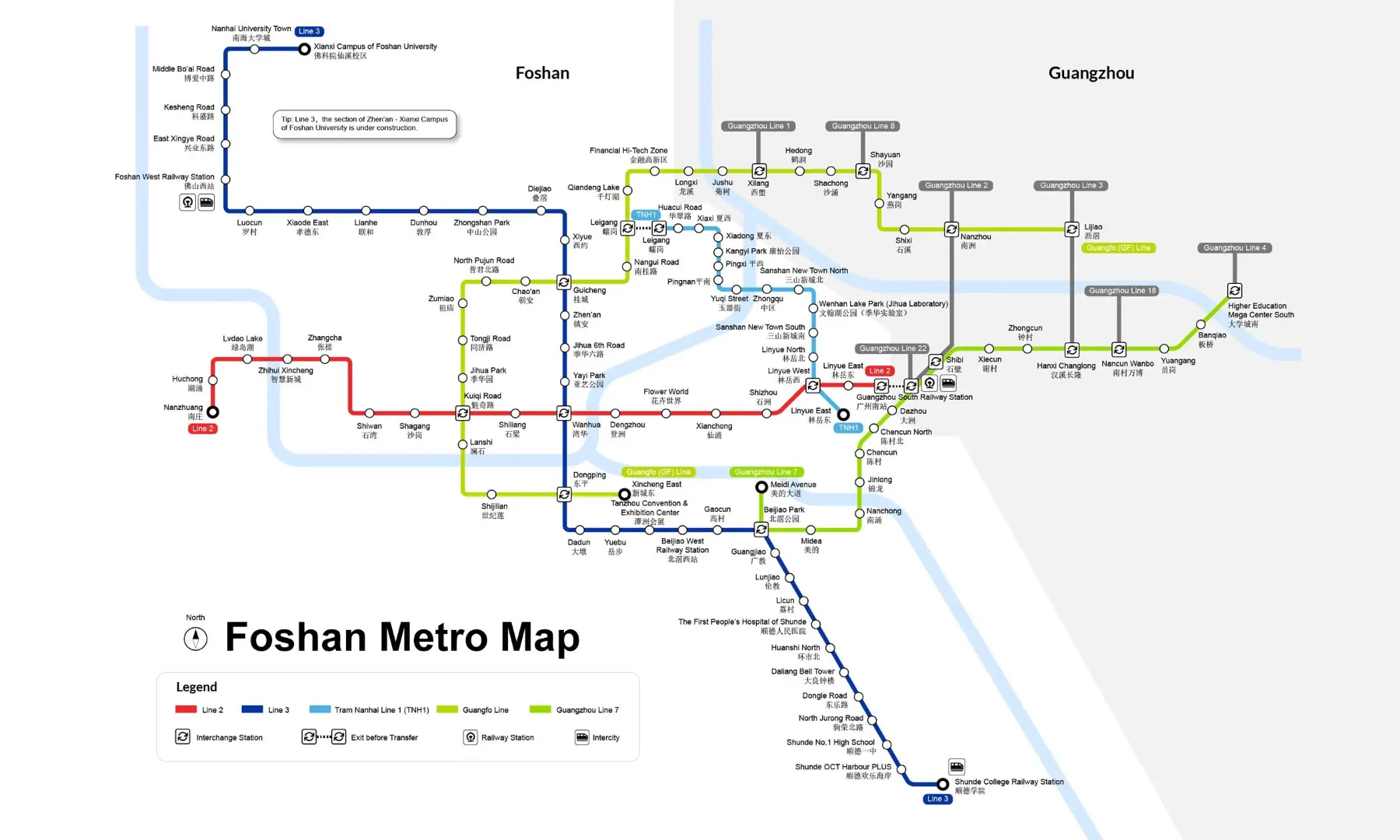
Key stations include Zumiao Station, which is central to our guide as it's the direct stop for both Zumiao Temple and Lingnan Tiandi. Other notable stops are Kuiqi Lu, Pujun Beilu, and Yangang on the Foshan side, transitioning to Guangzhou stations like Nanpu and Lijiao. For 2026, while no major expansions are confirmed specifically for the Guangfo Line, the broader Foshan Metro network is growing, with Line 3 extensions opening in 2025 that could enhance connectivity. Always check for real-time updates via official apps like Guangzhou Metro or WeChat mini-programs.
Guangfo Line Operation Timetable
| Station | First Train (To Xincheng East) | First Train (To Lijiao) | Last Train (To Xincheng East) | Last Train (To Lijiao) |
| Xincheng East | -- | 06:00 | -- | 22:30 |
| Dongping | 06:27 | 06:02 | 23:56 | 22:32 |
| Shijilian | 06:25 | 06:04 | 23:53 | 22:34 |
| Lanshi | 06:21 | 06:08 | 23:49 | 22:38 |
| Kuiqi Road | 06:19 | 06:00 | 23:47 | 22:40 |
| Jihua Park | 06:16 | 06:01 | 23:45 | 22:41 |
| Tongji Road | 06:14 | 06:03 | 23:42 | 22:43 |
| Zumiao | 06:11 | 06:05 | 23:40 | 22:46 |
| North Pujun Road | 06:10 | 06:08 | 23:38 | 22:48 |
| Chao'an | 06:07 | 06:10 | 23:36 | 22:50 |
| Guicheng | 06:05 | 06:12 | 23:33 | 22:52 |
| Nangui Road | 06:03 | 06:14 | 23:31 | 22:54 |
| Leigang | 06:23 | 06:16 | 23:29 | 22:56 |
| Qiandeng Lake | 06:21 | 06:18 | 23:26 | 22:59 |
| Financial Hi-Tech Zone | 06:19 | 06:00 | 23:24 | 23:01 |
| Longxi | 06:14 | 06:04 | 23:20 | 23:05 |
| Jushu | 06:12 | 06:07 | 23:17 | 23:08 |
| Xilang | 06:10 | 06:10 | 23:15 | 23:11 |
| Hedong | 06:15 | 06:12 | 23:13 | 23:13 |
| Shachong | 06:12 | 06:14 | 23:10 | 23:16 |
| Shayuan | 06:10 | 06:17 | 23:08 | 23:19 |
| Yangang | 06:07 | 06:20 | 23:06 | 23:22 |
| Shixi | 06:05 | 06:22 | 23:05 | 23:25 |
| Nanzhou | 06:02 | 06:25 | 23:02 | 23:27 |
| Lijiao | 06:00 | -- | 23:00 | -- |
Fares start at around CNY 2-7 depending on distance, with options for day passes or contactless payments via Alipay or WeChat.
How to Get to Zumiao and Lingnan Tiandi Using Guangfo Metro
Getting to Zumiao (Ancestral Temple) and Lingnan Tiandi is very straightforward via the Guangfo Metro Line, as they are located right next to each other in the heart of Foshan.
1. The Metro Station
-
Station Name: Zumiao Station (祖庙站)
-
Line: Guangfo Line (represented by a lime green color on most maps).
2. Best Exits to Use
-
For Zumiao (Temple): Take Exit D. As you come out, walk northeast for about 2–5 minutes. You will see the temple's traditional gates on your right.
-
For Lingnan Tiandi: Take Exit C. This exit leads directly toward the Nova Shopping Mall and the entrance of the Lingnan Tiandi historic district.
3. Getting There from Guangzhou
If you are coming from Guangzhou, the Guangfo Line connects seamlessly with the Guangzhou Metro:
-
From Line 1: Transfer at Xilang Station.
-
From Line 2: Transfer at Nanzhou Station.
-
From Line 3: Transfer at Lijiao Station.
-
From Line 8: Transfer at Shayuan Station.
Travel Tip: The journey from central Guangzhou (e.g., Tiyu Xilu or Gongyuanqian) typically takes 45 to 60 minutes.
If you want to travel Guangzhou by Metro, click Guangzhou Metro Guide to see more detail.
Exploring Zumiao Temple: History, Highlights, and Tips
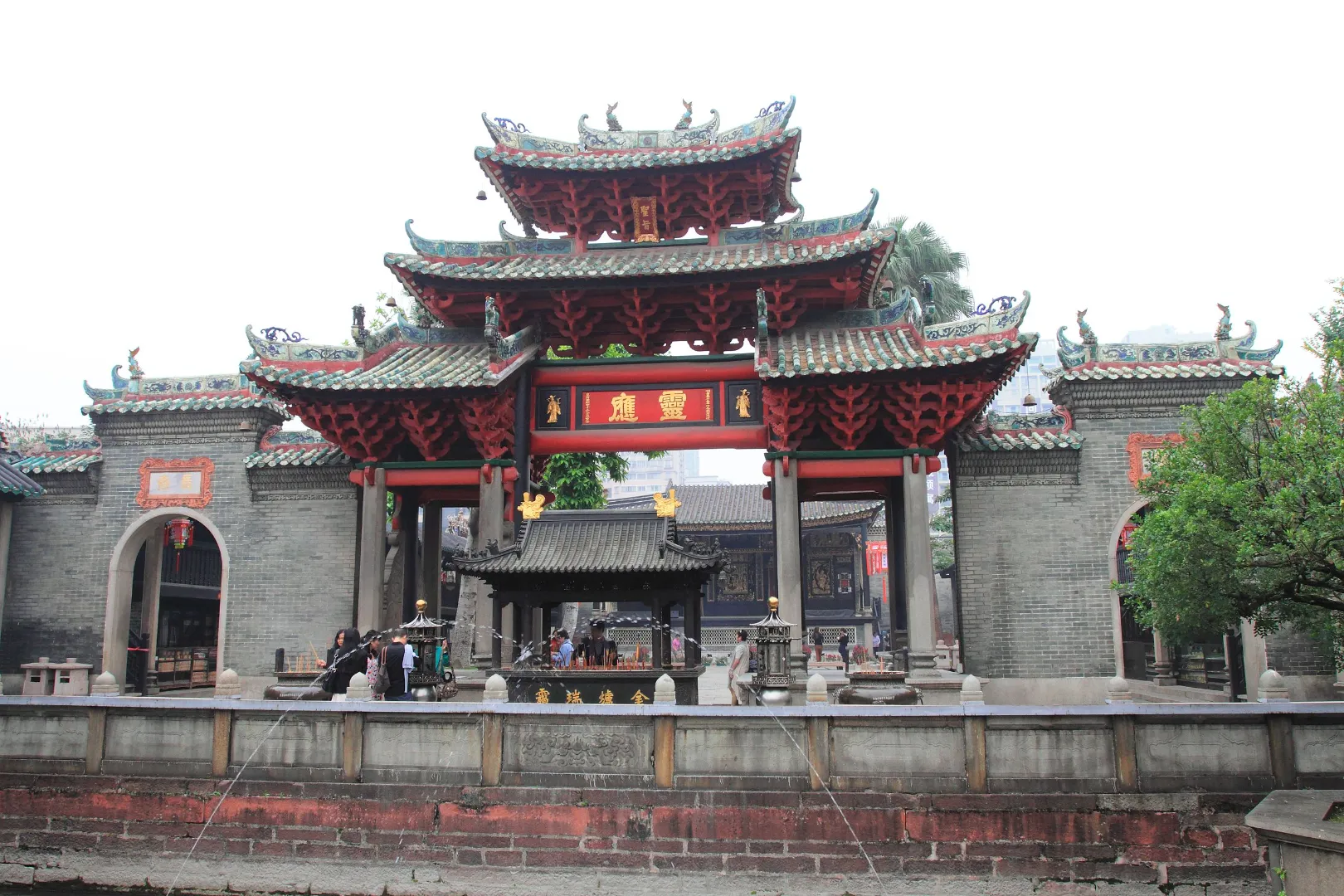
Zumiao Temple, commonly known as the Foshan Ancestral Temple (Foshan Zumiao or 佛山祖庙), is a historic Taoist temple complex in the heart of Foshan, Guangdong Province, China. It's a national 4A-level tourist attraction and serves as a vibrant hub for Lingnan (southern Chinese) culture, blending ancient architecture, Taoist traditions, martial arts heritage, and folk performances.
A Glimpse into History
-
Ancient Roots: Originally built during the Northern Song Dynasty (1078–1085), the temple has stood for nearly a millennium. While it was destroyed during the Yuan Dynasty, it was rebuilt in 1372 and has been meticulously preserved.
-
The Deity: The temple is dedicated to Beidi (the Northern Emperor), the Taoist "God of Water." In a region once prone to floods, Beidi was worshipped to ensure the safety of the local community.
-
Cultural Hub: Historically, the temple served as a communal "Chamber of Commerce" where local guilds met to discuss business and settle disputes, making it the civic heart of old Foshan.
Must-See Highlights
The complex spans about 25,000–30,000 square meters and features exquisite Ming-Qing architecture with intricate carvings, glazed tiles, and gilded decorations.
1. The Martial Arts Memorials
Foshan is the hometown of Kung Fu legends. Inside the complex, you’ll find two world-class museums:
-
Wong Fei-hung Memorial Hall: Dedicated to the legendary healer and martial artist. You can see his traditional clinic setup and artifacts from the many films based on his life.
-
Ip Man Hall: A pilgrimage site for fans of Wing Chun. It features photos and letters belonging to Ip Man, the master who famously taught Bruce Lee.
-
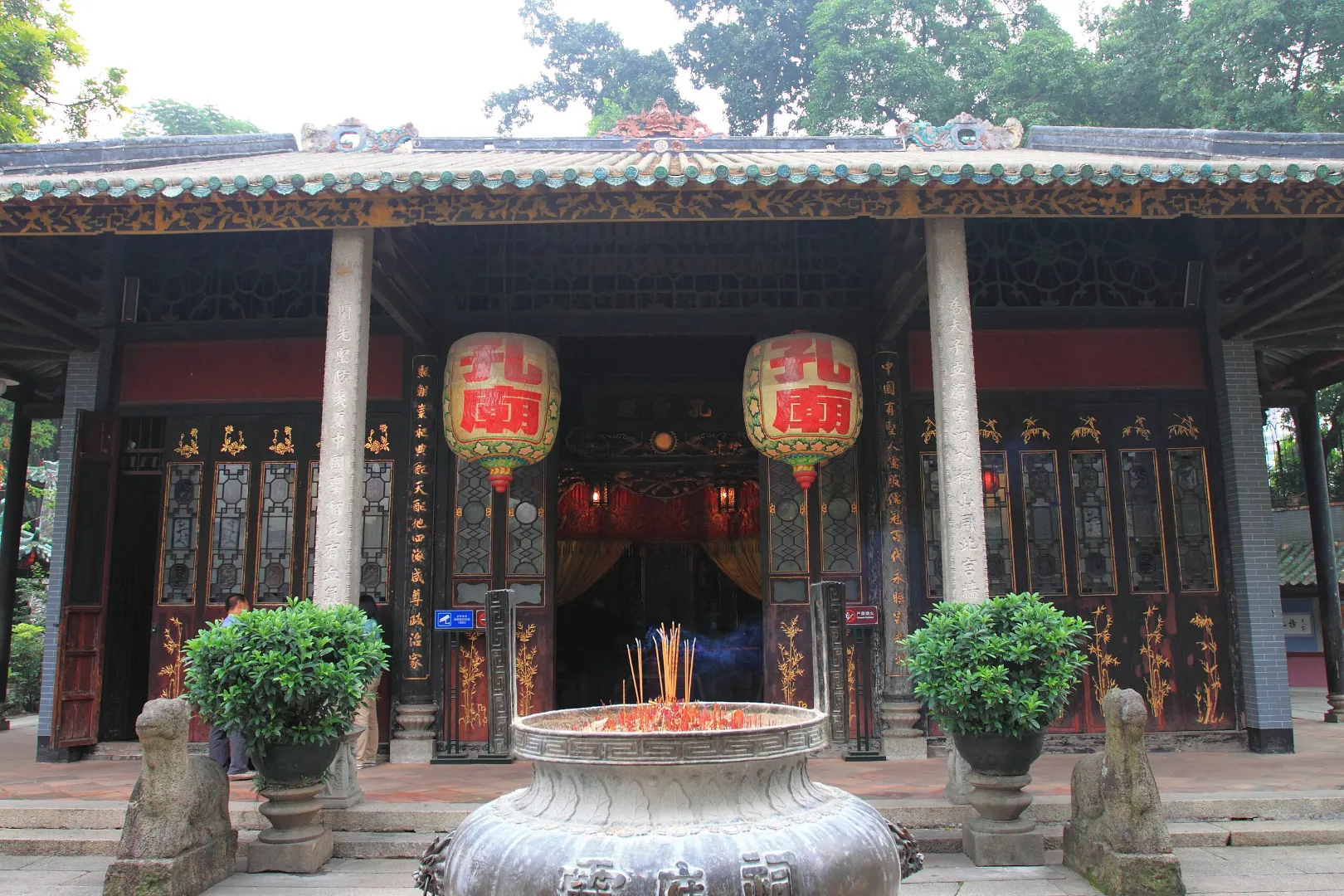
Confucius Temple: Built in 1911, a site for traditional ceremonies honoring the sage.
2. Lingnan Architectural Masterpieces
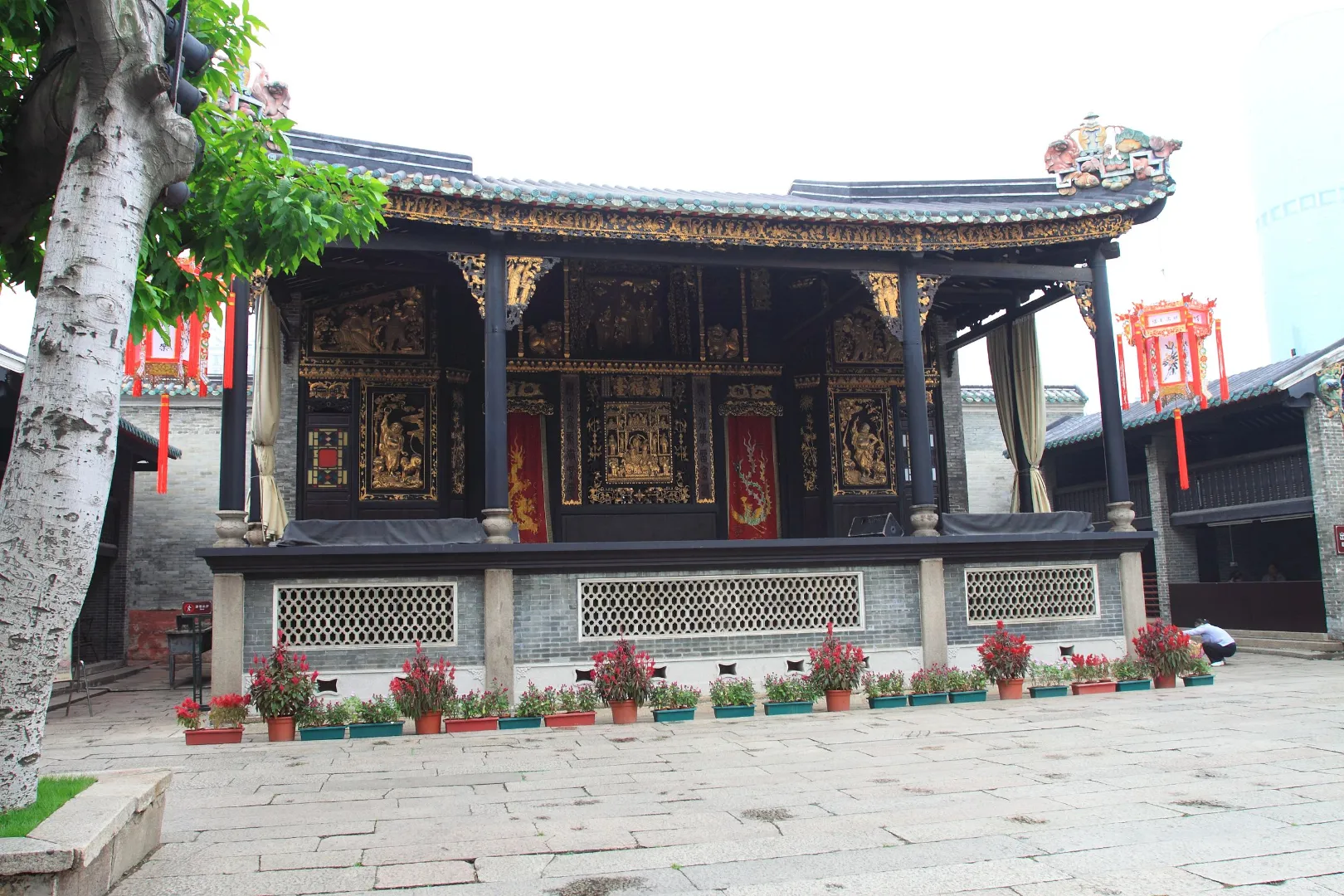
The temple is famous for its "Five Arts": pottery, wood carving, brick carving, lime carving, and copper casting.
-
Wanfu Stage: The oldest and best-preserved ancient wooden stage in South China. Look up to see the gold-lacquered wood carvings depicting scenes from Cantonese opera.
-
The Rooflines: Keep an eye on the ridges of the buildings. They are adorned with vibrant Shiwan Ceramic figures that tell ancient mythological stories.
3. Live Performances
-
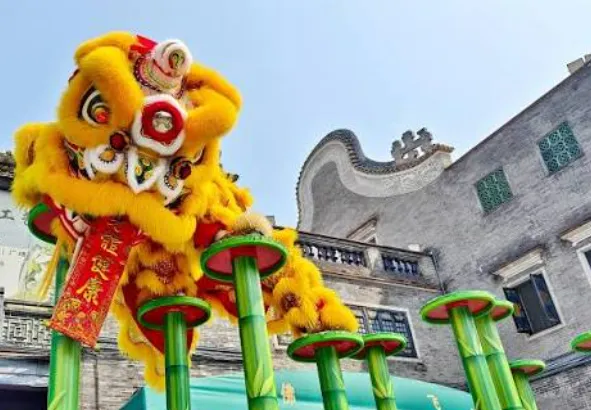
Lion Dance & Kung Fu: Held daily at the square in front of the Wong Fei-hung Memorial Hall. The lion dance is high-energy, often involving "plum blossom poles" (stilt-jumping).
-
Daily Schedule: 10:00 AM, 2:15 PM, and 3:30 PM.
-
-
Cantonese Opera: Performances often take place on the Wanfu Stage during weekends and the 1st/15th of the lunar month.
-
(Note: Shows may be canceled during heavy rain as it takes place in the open courtyard).
Practical Travel Tips
-
Opening Hours: Typically 8:30 AM to 6:00–7:00 PM daily (may extend on weekends/holidays).
-
Admission: Around CNY 20–25 (affordable and includes access to all halls).
-
Best Time to Visit: Arrive around 10:00 AM or early afternoon to catch performances. Avoid rainy days, as some shows are outdoors.
-
Getting There: Super convenient—take the Guangfo Metro Line (from Guangzhou) to Zumiao Station (Exit D), then a short walk. Buses and taxis are also plentiful.
-
Wear comfortable shoes for walking the grounds.
-
Visit during festivals (e.g., Lunar New Year or the annual Temple Fair in late March) for extra events, but expect crowds.
- Combine with nearby Lingnan Tiandi (a restored historic district) for shopping and dining.
-
It's family-friendly, with interactive elements like learning basic martial arts (extra fee).
Zumiao Temple offers a perfect blend of history, architecture, and lively culture—ideal for a half-day exploration, especially if you're interested in kung fu icons or traditional Chinese folk arts!
Discovering Lingnan Tiandi: What to See, Eat, and Do
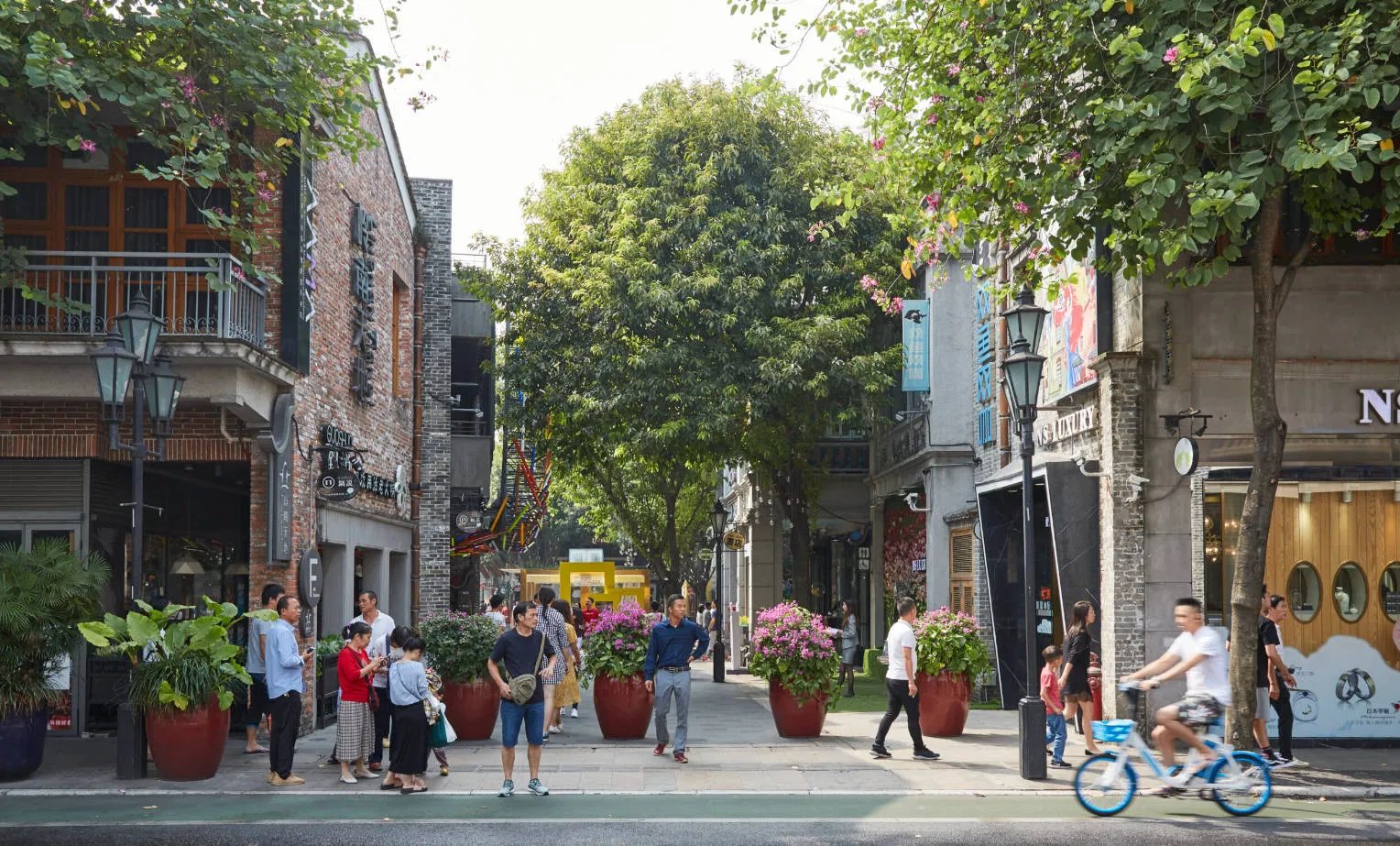
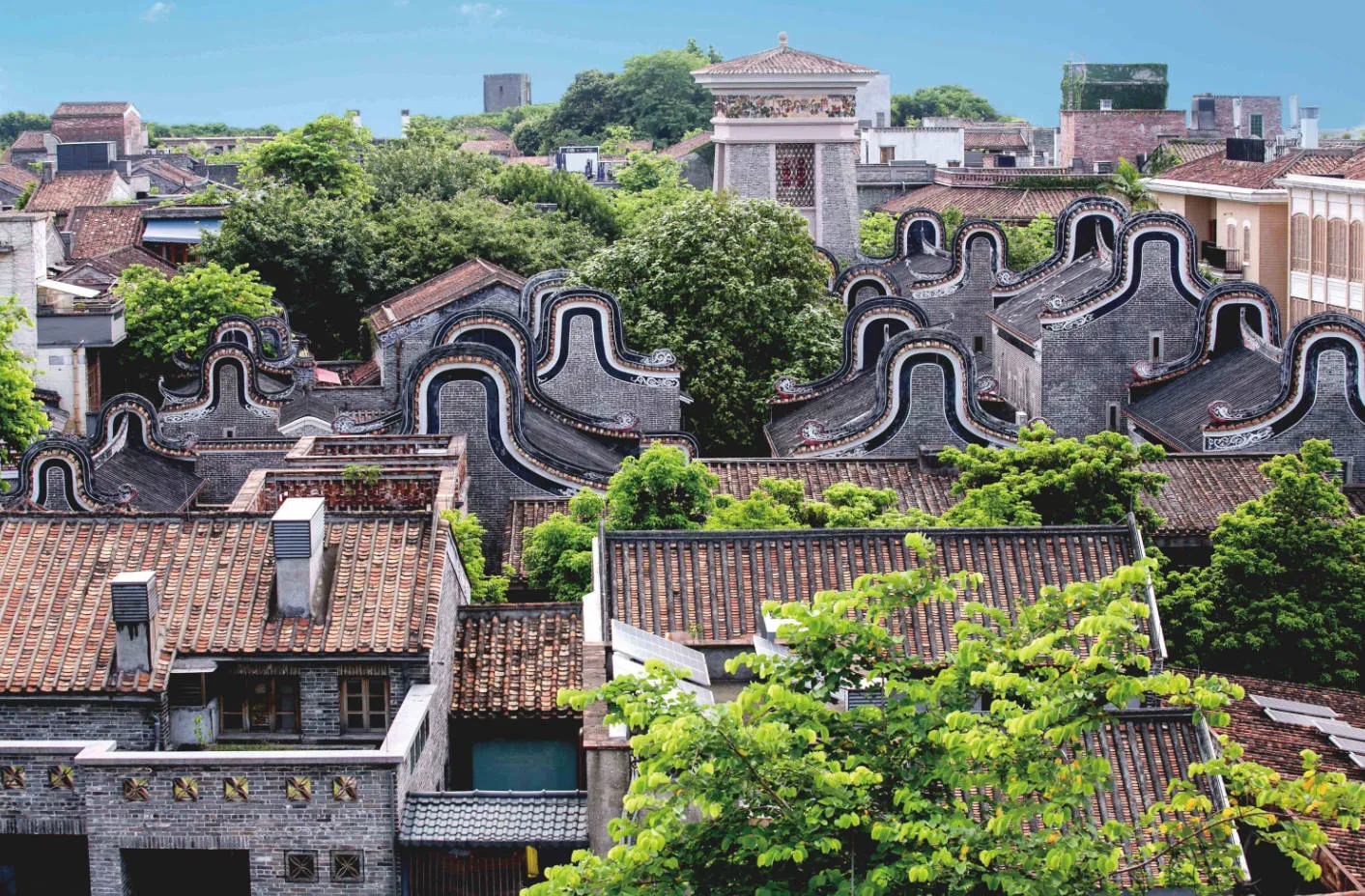
Lingnan Tiandi (岭南天地), often called Lingnan New World or Foshan's "Xintiandi," is a vibrant restored historic district in Chancheng District, right next to Zumiao Temple. This sprawling complex revitalizes centuries-old Lingnan architecture—gray brick walls, intricate carvings, wok-handle walls, and shaded courtyards—while infusing modern shops, dining, and entertainment. It's a perfect spot for immersing in southern Chinese culture with a contemporary twist, ideal for strolling after visiting the Ancestral Temple.
What to See: Architectural Gems
While it’s a shopping and dining hub, the district is packed with 22 protected historical sites.
-
Wok-Ear Houses (Huo'er Wu): Look for the distinctive high, curved rooflines that resemble the handles of a Chinese wok. These were designed to prevent fire from spreading between houses and to catch the breeze.
-
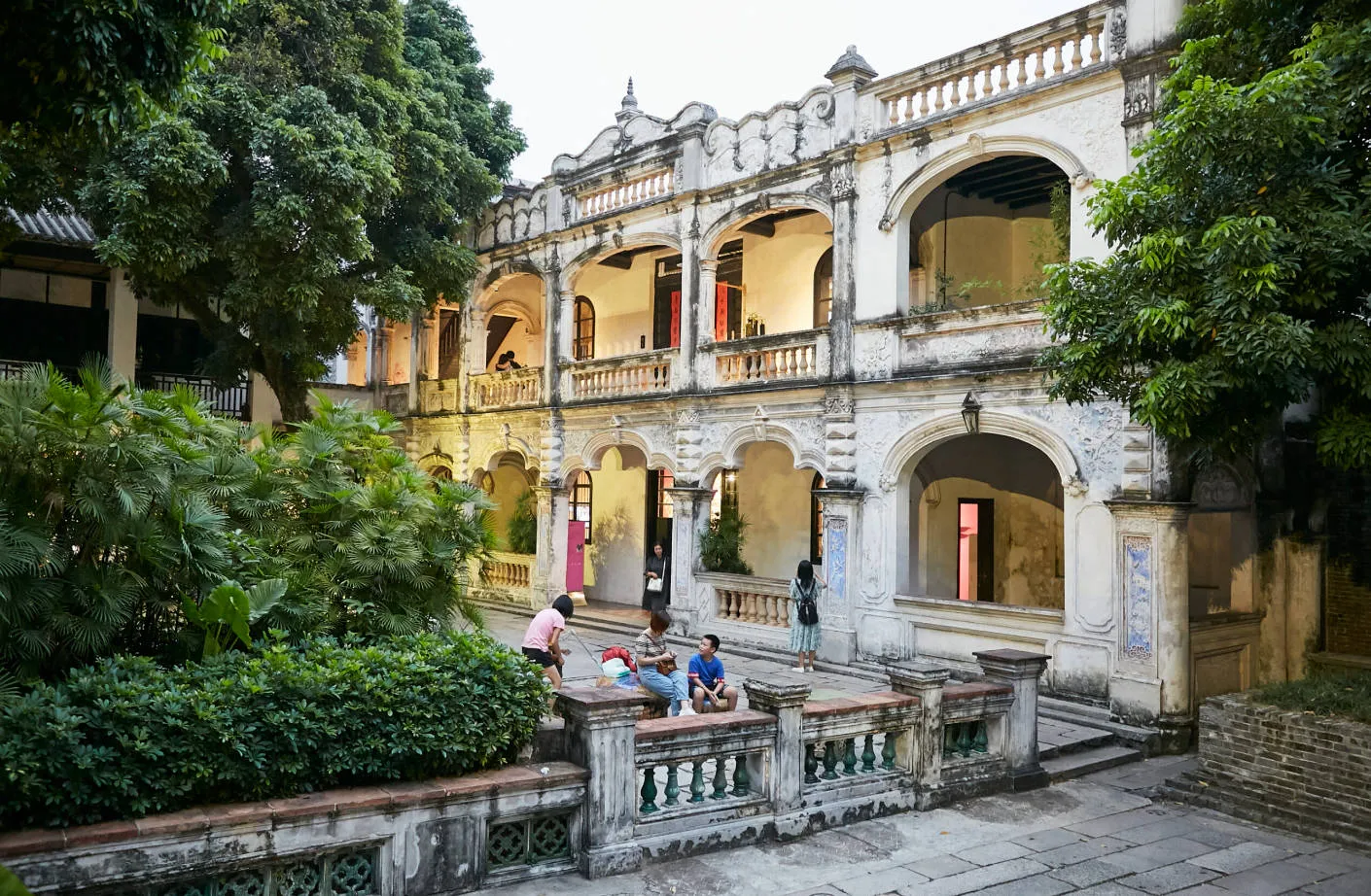
Jian’s Villa (Kan’s Villa): Once the residence of the founders of the Nanyang Brothers Tobacco Company, this mansion is a stunning blend of traditional Lingnan style and Western neoclassical elements.
-
Marriage House (The Wedding House): A beautifully preserved Qing-dynasty mansion often used for traditional cultural exhibits. It’s a favorite spot for wedding photography.
-
Longtang Poetry Society: A hidden courtyard that was once a gathering place for local literati. It features elegant balconies and a serene atmosphere.
What to Eat: From Heritage to Hip
Lingnan Tiandi is a food lover’s paradise, offering everything from century-old snacks to Michelin-recommended dining.
Local Classics
-
Minxin Old Shop (民信老铺): You cannot leave Foshan without trying Double Skin Milk Pudding (双皮奶). It’s thick, creamy, and can be served hot or cold with red beans or lotus seeds.
-
Ying Ji Noodle Shop (应记面家): Famous for its Wonton Noodles. The noodles are traditional bamboo-pressed (竹升面), giving them a unique "snap."
-
Blind Man Cake (盲公饼): A local specialty made of rice flour, sugar, and peanuts. It’s a popular souvenir found in the specialty shops along the lanes.
Modern Dining
-
Summerhouse: A popular Western-style choice for pizza and craft beer if you need a break from local cuisine.
-
The Terrace: Great for outdoor dining and people-watching.
-
Specialty Tea Shops: Look for Xunchuan Tea House or the various "New Chinese" tea brands that use local ingredients like pomelo or ginger.
What to Do: The Experience
-
The "Cocktail Walk": The area is famous for its hidden speakeasies and bars. Many bars are tucked inside historic courtyards, offering a "Cocktail Walk" experience where you can hop between ancient buildings with a modern drink in hand.
-
Creative Shopping: Wander into the boutiques selling Shiwan Ceramics, traditional paper-cutting art, or "New Lingnan" fashion.
-
Photography at Dusk: The district truly transforms at night. The warm glow of the lanterns against the grey brick walls and the "Foshan" character wall (a must-visit photo spot) makes for incredible photos.
-
Interactive Art: Check for pop-up art installations or outdoor markets that frequently take over the main plazas on weekends.
Quick Summary for Your Visit
| Detail | Recommendation |
| Best Time | Late afternoon (4:00 PM) to see the transition from day to night. |
| Duration | 2–3 hours for a casual stroll and a meal. |
| Vibe | Historic charm meets modern luxury; very walkable and family-friendly. |
| Cost | Free to enter the district; individual museum sites may have a small fee. |
Sample 1-Day Itinerary (2026 Edition)
-
09:30 Depart from Guangzhou via Guangfo Metro Line.
-
10:15 Arrive at Zumiao Station, Exit D.
-
10:30 Enter Zumiao Museum.
-
11:00 Watch the Lion Dance and Kung Fu show.
-
12:30 Lunch at Lingnan Tiandi (Try local Shunde-style cuisine).
-
14:30 City Walk: Visit Liang's Garden (15-min walk) or explore the hidden cafes in Lingnan Tiandi.
-
16:30 Afternoon Tea: Xunchuan Tea House for the "Foshan" wall photo.
-
18:00 Dinner and evening stroll in the lit-up alleys.
-
20:00 Return to Guangzhou via Metro.
Practical Travel Tips for 2026
-
Metro Tickets: Use QR codes or cards; fares CNY 2-7. Day passes available.
-
Best Time to Visit: Spring (March-May) or autumn (September-November) for mild weather; avoid summer heat.
-
Safety: Areas are safe; use ride-hailing like Didi if needed. Wi-Fi in metros and attractions.
-
Accessibility: Stations have elevators; temples have ramps but some uneven paths.
-
Budget: CNY 100-200 per day including food and entry.
-
Apps: Download Guangzhou Metro app for maps; use Baidu Maps or Amap for navigation. (How to Use Amap (Gaode Map) in English)
Nearby Attractions and Extensions
If you have extra time in Foshan, you can easily extend your trip to explore its ancient industries and lush gardens. Most of these sites are within a 20-30 minute radius of the Zumiao area by taxi or metro.
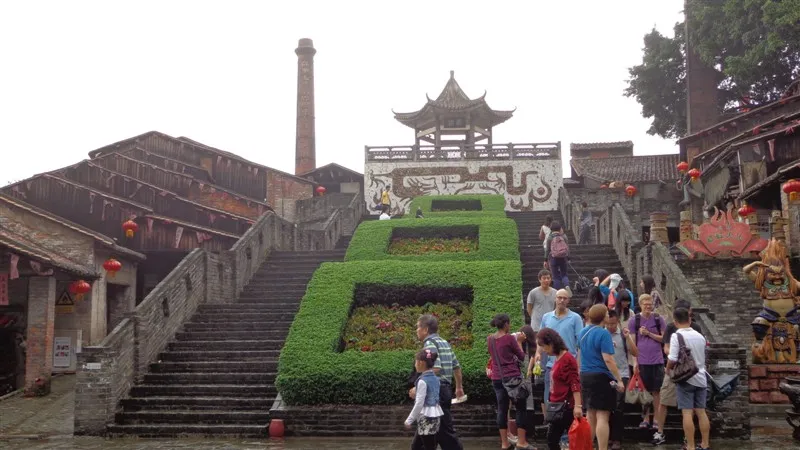
Nanfeng Ancient Kiln (Shiwan)
Just a short trip from the city center, this is the "living fossil" of Foshan’s ceramic history.
-
The Dragon Kiln: Built in 1506 (Ming Dynasty), this 30-meter-long kiln has been in continuous use for over 500 years. It’s built into a hillside, resembling a sleeping dragon.
-
Hands-on Pottery: You can try your hand at the potter's wheel under the guidance of local masters.
-
The Atmosphere: The surrounding area is an "Artists' Village" filled with boutique pottery shops, ancient banyan trees, and brick-red alleys perfect for photos.
Liang’s Garden (Liang Yuan)
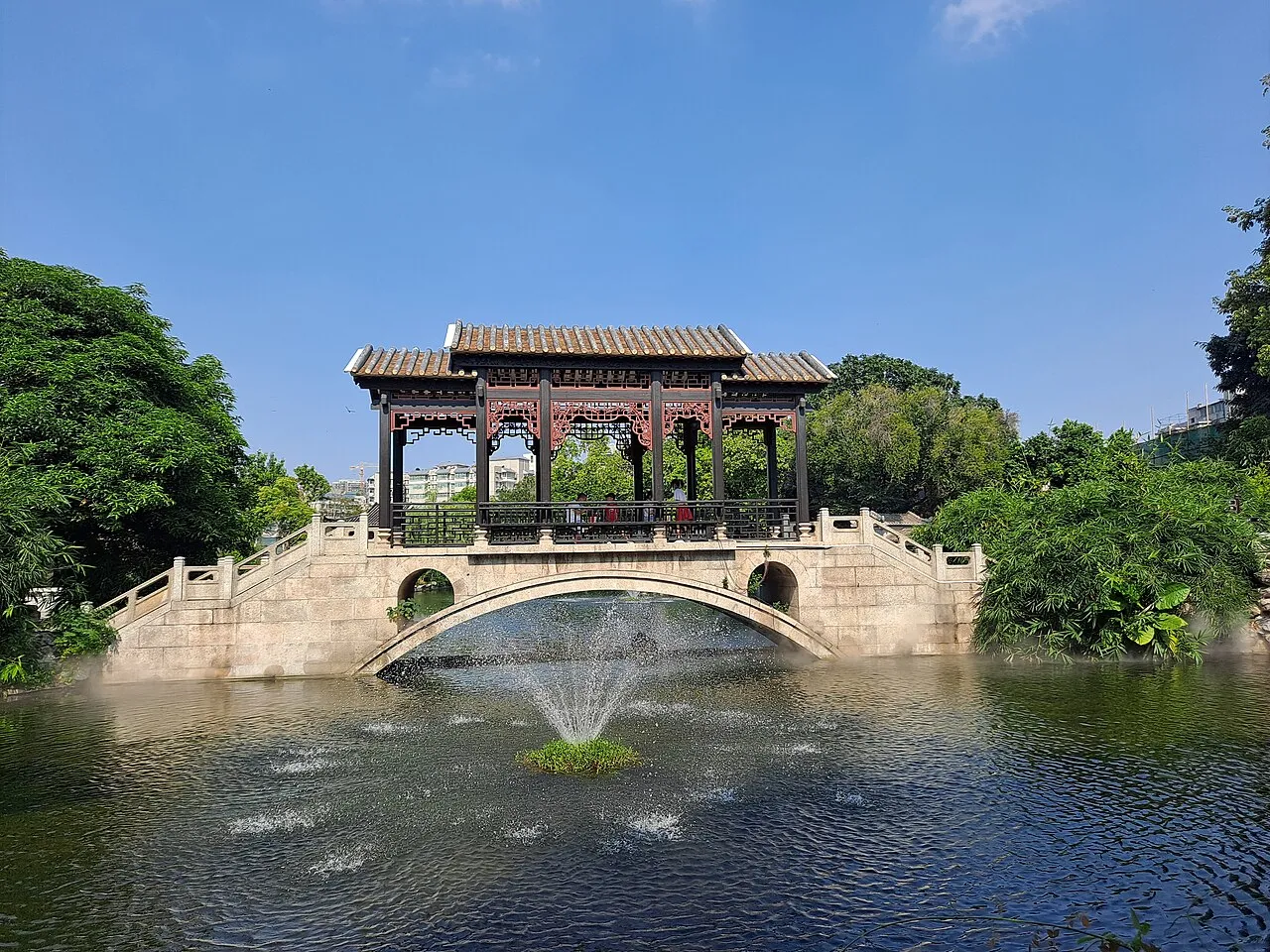
Located only 10 minutes from Zumiao, this is one of the Four Famous Gardens of Guangdong.
-
Lingnan Zen: Unlike the sprawling imperial gardens of Beijing, Liang’s Garden is intimate and delicate. It features intricate wood carvings, limestone rockeries, and serene lakes.
-
Calligraphy Heritage: Originally the private residence of the Liang family (poets and scholars), the garden houses a collection of ancient calligraphy inscriptions.
Shunde District: The Culinary Extension
If you are a foodie, a 40-minute metro ride to Shunde is mandatory.
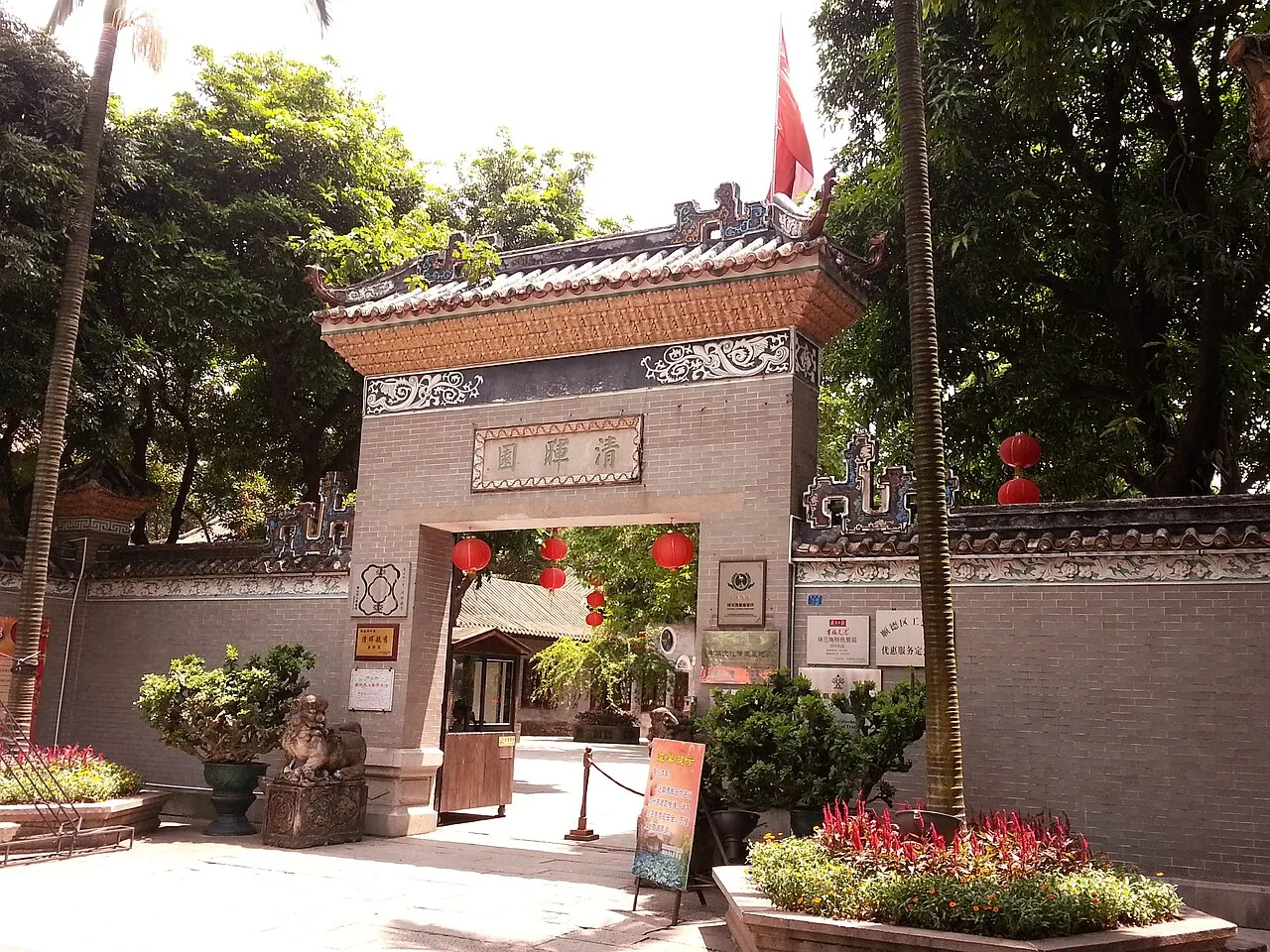
-
Qinghui Garden: Another of the "Four Famous Gardens," featuring beautiful stained-glass windows (Manchu windows).
-
UNESCO City of Gastronomy: Shunde is the birthplace of many Cantonese staples. Don't miss Shunde Sashimi (thinly sliced raw fish), Shunde Porridge Hotpot, and Daliang Fried Milk.
-
Fengjian Water Village: Often called the "Zhouzhuang of South China," it’s a peaceful network of canals and stone bridges that feels worlds away from the city.
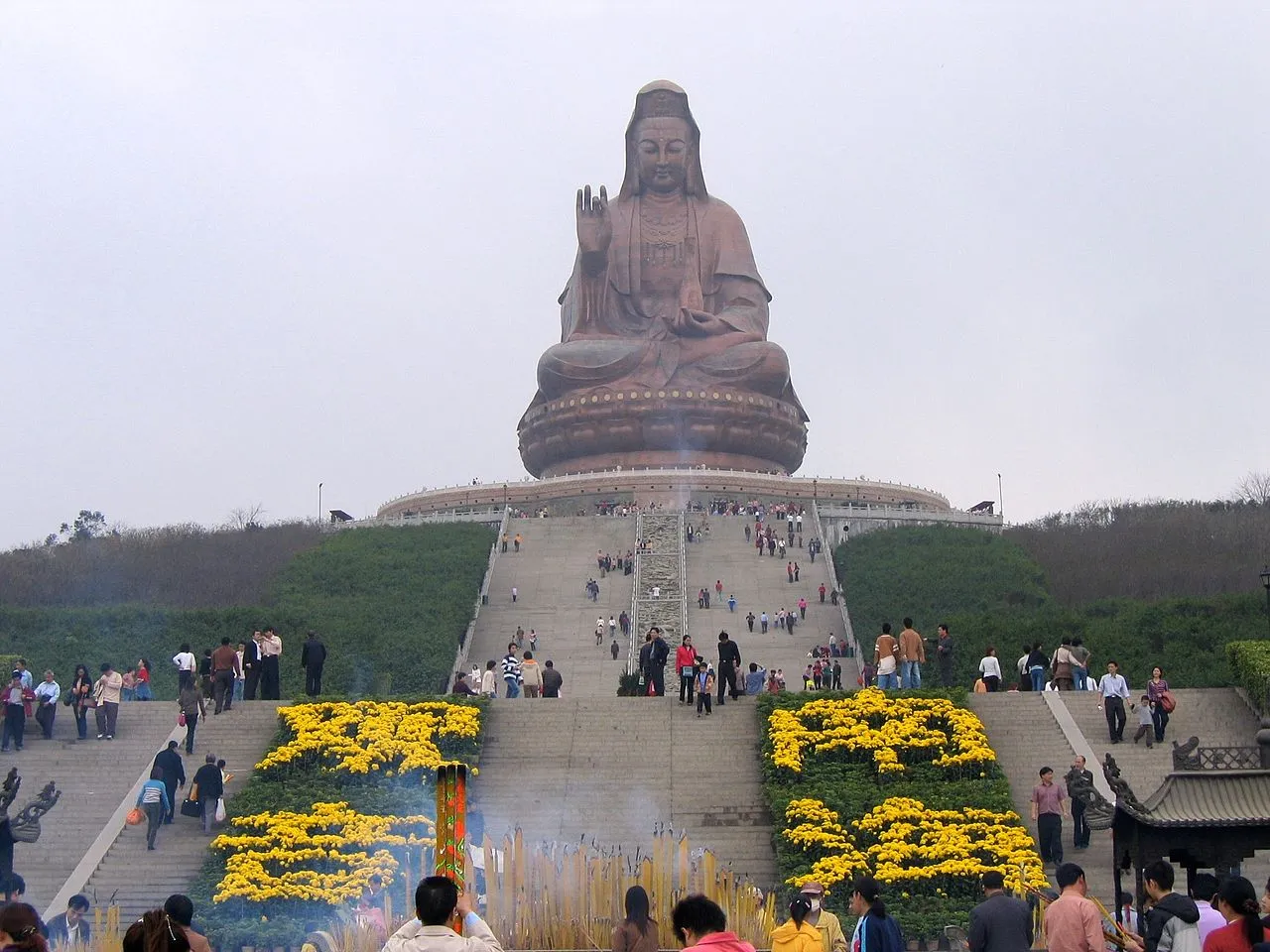
Mount Xiqiao (Nanhai)
For nature and spirituality, head to this extinct volcano.
-
The Giant Guanyin: A massive 61.9-meter-tall bronze statue of the Goddess of Mercy sits atop the mountain.
-
Hiking & Culture: The mountain is home to 72 peaks and 36 caves. It was also a historic center for Neo-Confucianism and is where Wong Fei-hung’s lion dance style originated.
Frequently Asked Questions (FAQ)
Q1: Do I need a guide?
A: No, the area is easy to navigate independently.
Q2: Is it foreigner-friendly?
A: Yes, especially Lingnan Tiandi and metro stations.
Q3: How long should I spend in the area?
A: Zumiao Temple: 2–3 hours. Lingnan Tiandi: 2 hours for a meal and a stroll.
Q4: Can I visit as a day trip from Guangzhou?
A: Absolutely. It is one of the easiest day trips in South China.
Q5: How do I get from Guangzhou to Foshan?
A: Guangfo Metro Line—direct to Zumiao Station (Exit D), ~30–45 minutes, cheap (~8 CNY). High-speed train: 20–30 minutes from Guangzhou South. Didi rideshare or bus also convenient.
Q6: When is the best time to visit, and what about crowds?
A: October–February (mild weather, 15–25°C). Avoid Lunar New Year (late Jan/early Feb 2026) for massive crowds/closures. Weekdays quieter; arrive early for performances at Zumiao.
Zumiao and Lingnan Tiandi encapsulate Foshan's cultural essence, made accessible by the efficient Guangfo Metro. With this 2026 guide, you're set for an enriching, hassle-free journey. Plan ahead, embrace the local vibes, and create lasting memories in this Guangdong gem. Safe travels!
Related guide: Shenzhen to Hong Kong Border Crossing