Kunming Changshui International Airport (KMG) is not just a transit point; it is the beating heart of Southwest China’s aviation network. As of 2026, it stands as one of the world's busiest hubs, serving as the primary gateway for travelers exploring the mystical landscapes of Yunnan—from the snow-capped mountains of Shangri-La to the tropical rainforests of Xishuangbanna.
Whether you are arriving for a long-awaited vacation or have a few hours to kill during a layover, this guide provides everything you need to navigate KMG like a pro.
⚡ KMG Airport Quick Facts:
-
Distance to City: Approximately 25 kilometers (16 miles) northeast of downtown Kunming.
-
Best Transport: Metro Line 6 is the fastest and cheapest way to reach the city center, costing only ¥5–¥7.
-
Terminal Layout: KMG operates from a single, massive terminal (Terminal 1) for both domestic and international flights.
-
Visa Policy: Eligible for the 144-hour Transit Without Visa (TWOV) for international travelers.
Overview of Kunming Changshui International Airport (KMG)
Kunming Changshui International Airport (KMG) is the primary aviation hub of Yunnan Province and one of Southwest China’s most strategically important airports. Opened in 2012, KMG has rapidly evolved into a key gateway connecting China, Southeast Asia, South Asia, and beyond.
Often described as China’s “Gateway to Southeast Asia,” Kunming plays a critical role in regional tourism, trade, and international transit—making KMG an increasingly popular entry point for travelers heading into China via visa-free or transit policies.
1. Location & Strategic Importance
KMG is located approximately 25 kilometers (16 miles) northeast of downtown Kunming, in Guandu District.
Its geographic position gives it several advantages:
-
Short flight times to Southeast and South Asia
-
Efficient connections to major Chinese cities
-
Ideal hub for travelers continuing to Lijiang, Dali, Shangri-La, and Xishuangbanna
Because of this positioning, many international flights use Kunming as a transfer or stopover hub, avoiding the congestion of Beijing or Shanghai.

2. Airport Scale & Capacity
Kunming Changshui is one of China’s largest single-terminal airports.
Key facts (2026):
-
🏢 1 main passenger terminal (Terminal 1)
-
✈️ Two parallel runways
-
👥 Designed annual capacity: 65+ million passengers
-
🌍 Serves both international and domestic flights under one roof
Despite its size, the airport layout is relatively intuitive, especially compared to multi-terminal mega-hubs.

3. Terminal Layout & Passenger Experience
KMG operates from a single, large, modern terminal, which simplifies navigation:
-
Departures: Upper levels
-
Arrivals: Lower levels
-
International & domestic areas are clearly separated but connected
-
Clear bilingual signage (Chinese & English) throughout the airport
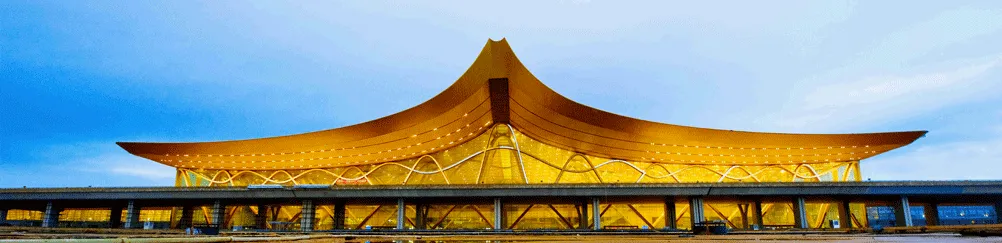
The architectural design is inspired by Yunnan’s mountainous landscape, with a wave-like roof and open interior spaces that allow for natural light.
🧭 Traveler-friendly bonus: Fewer terminal transfers = less stress, especially for first-time visitors to China.
4. Airlines & Route Network
KMG is a major hub for:
-
China Eastern Airlines (Yunnan subsidiary)
-
Lucky Air
-
China Southern Airlines
International routes connect Kunming with cities such as:
-
Bangkok, Singapore, Kuala Lumpur
-
Hanoi, Ho Chi Minh City
-
Seoul, Tokyo, Hong Kong
-
Select long-haul routes depending on season
Domestically, KMG offers frequent flights to Beijing, Shanghai, Guangzhou, Chengdu, Chongqing, and virtually all major Chinese cities.
5. Why KMG Matters for International Travelers
Compared with China’s largest airports, Kunming Changshui stands out for its:
-
Shorter walking distances (relative to size)
-
Less chaotic immigration and security checks
-
Faster domestic connections after international arrival
-
More relaxed atmosphere
For travelers entering China for the first time—or those planning to explore Yunnan—KMG strikes an ideal balance between scale and comfort.
Immigration, Customs & Transit Policy (International Travelers)
For international travelers, Kunming Changshui International Airport (KMG) is considered one of China’s more efficient and traveler-friendly entry points. Whether you are entering China visa-free, holding a regular visa, or transiting onward, understanding the immigration and customs process will help ensure a smooth arrival.
1. Immigration Procedures at KMG
Upon arrival, international passengers are guided through a clearly marked immigration process.
Standard steps include:
-
Health & arrival declaration (digital or paper, depending on current regulations)
-
Passport inspection and visa or visa-free eligibility check
-
Fingerprint collection (mandatory for most foreign nationals)
-
Entry stamp indicating permitted length of stay
English signage is widely available, and immigration officers at KMG regularly handle international travelers, particularly those arriving from Southeast Asia.
⏱️ Typical waiting time: 20–45 minutes during off-peak hours, longer during early morning or late-night international arrivals.
2. Visa-Free & Transit Policy at Kunming (2026)
Kunming Changshui Airport officially supports several visa-free and transit policies, making it a strategic gateway for short stays in China.
Visa-Free Entry
Eligible travelers may enter China without a visa for a limited stay, provided they meet nationality and duration requirements. Entry procedures are handled directly at KMG.
144-Hour Transit Visa-Free (TWOV)
If you are looking to utilize the China 144-hour transit visa in Kunming, you are in luck. KMG officially participates in this transit visa-free policy.
Read [China Tourist Visa (L-Visa) Guide: Requirements, Application Steps, and the 240-Hour Transit Rule] to know all information about documents needed for China tourist visa to the step-by-step application process and the game-changing 240-hour visa-free transit policy.
To qualify, travelers must:
-
Hold a passport from an eligible country
-
Have a confirmed onward ticket to a third country or region
-
Enter and exit via approved ports (KMG qualifies)
-
Stay within the permitted geographic area (typically Yunnan Province)
This option is ideal for travelers connecting between Southeast Asia, South Asia, and Europe, or those planning a short Yunnan itinerary without applying for a visa in advance.
3. Transit Passengers: What to Expect
If Kunming is a transfer point only, procedures depend on whether you leave the international transit area.
-
Airside transit (no entry): Some international-to-international transfers may remain airside if baggage is checked through and the airline allows it.
-
Landside transit (entering China): Travelers leaving the transit area must pass immigration and customs and meet visa-free or visa requirements.
Not all international connections at KMG support airside transit, so many passengers should expect to formally enter China, even for short stopovers.
4. Customs Clearance: What You Can Bring
After immigration, passengers proceed to customs inspection.
General customs rules include:
-
Declare large amounts of cash, high-value electronics, or professional equipment
-
Personal items for reasonable personal use typically pass without issue
-
Prohibited items include certain foods, plants, animal products, and controlled materials
Customs at KMG is generally straightforward, with green (Nothing to Declare) and red (Goods to Declare) channels clearly marked.
🧳 Tip: When in doubt, declare—customs officers are typically cooperative and efficient.
5. Practical Tips for a Smooth Arrival
-
📑 Carry printed copies of your hotel booking and onward flight
-
🏨 Know your accommodation address in both English and Chinese
-
📱 Prepare translation apps and offline maps before landing
-
⏰ Allow extra time if arriving late at night or during holiday periods
6. Is KMG a Good Airport for First-Time Visitors?
Yes. Compared with larger hubs like Beijing Capital (PEK) or Shanghai Pudong (PVG), Kunming Changshui offers:
-
Shorter immigration lines
-
Less crowded customs halls
-
A calmer, less intimidating arrival experience
For many travelers, KMG provides one of the smoothest first-entry experiences into China, especially under visa-free or transit policies.
Terminals & Layout: Navigating KMG Efficiently
One of Kunming Changshui International Airport’s biggest advantages is its single-terminal design, which greatly simplifies navigation for both arriving and departing passengers. Despite being one of China’s largest airports by land area, KMG is surprisingly easy to get around once you understand its layout.
1. Single-Terminal Design: Why It Matters
Unlike many major Chinese airports with multiple passenger terminals, KMG operates from one main terminal building handling:
-
International departures and arrivals
-
Domestic flights
-
Transit passengers
This design eliminates the need for inter-terminal shuttle buses and reduces walking distances during transfers.
🧭 Traveler-friendly takeaway: You will never need to change terminals at KMG.
2. Terminal Layout Overview
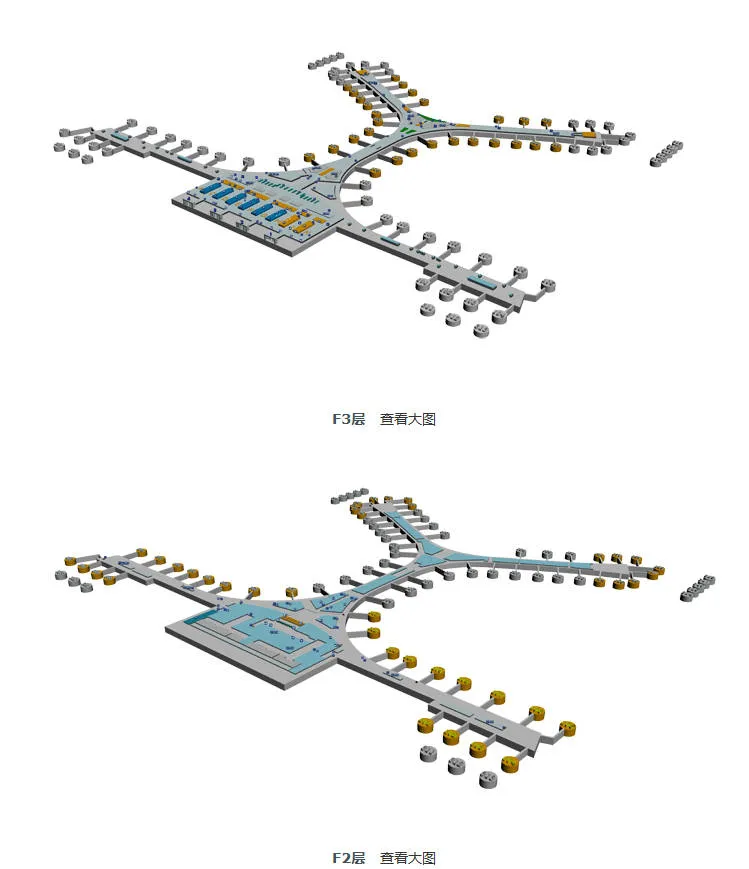
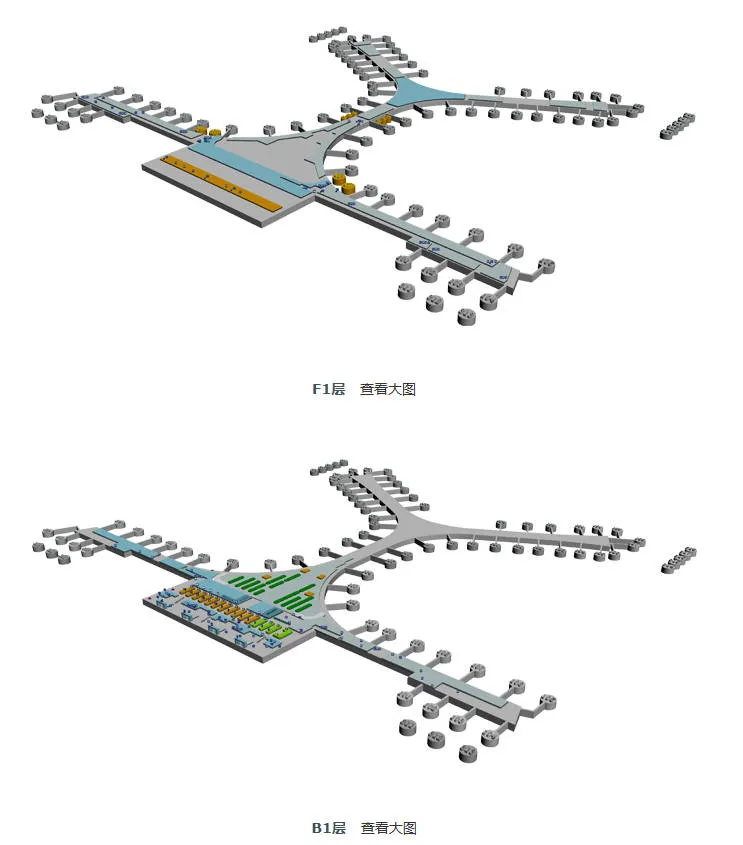
The terminal is organized vertically by function, making it intuitive even for first-time visitors.
General layout:
-
Upper Levels: Departures & check-in
-
Middle Levels: Security screening & boarding gates
-
Lower Levels: Arrivals, immigration, customs, ground transportation
International and domestic areas are clearly separated, but connected by internal corridors and transfer points.
Clear bilingual signage (Chinese and English) is available throughout the terminal, with universal airport symbols widely used.
3. International vs Domestic Zones
-
International Area: Located in a designated wing of the terminal, with dedicated immigration, customs, and international boarding gates.
-
Domestic Area: Significantly larger, serving flights across China with high-frequency connections to major cities and Yunnan destinations.
Transfers between international and domestic flights typically require clearing immigration and customs, then re-checking luggage unless your airline offers through-check services.
4. Walking Distances & Moving Walkways
Because of its large footprint, some gates can be far from central facilities.
-
Moving walkways are available in long corridors
-
Walking times can range from 5 to 20 minutes, depending on gate location
-
Airport shuttle trams are not required inside the terminal
👟 Tip: Wear comfortable shoes, especially if transferring between international and domestic flights.
5. Wayfinding & Airport Signage
KMG is well-marked and relatively easy to navigate:
-
Directional signs in English and Chinese
-
Clear icons for baggage claim, customs, transfers, and exits
-
Information counters staffed during most operating hours
For travelers unfamiliar with Chinese airports, KMG is generally less confusing than larger hubs such as Beijing Capital or Shanghai Pudong.
6. Accessibility & Passenger Services
-
Elevators and ramps are widely available
-
Priority lanes for elderly passengers and families with children
-
Airport staff can assist with directions, though English proficiency may vary
7. Navigation Tips for First-Time Visitors
-
📍 Follow color-coded signage for international vs domestic areas
-
⏱️ Allow extra time when transferring, especially during peak hours
-
🧾 Keep boarding passes and passports easily accessible
-
📱 Airport maps are available via official apps and QR codes
Kunming airport to city: Transportation from KMG to Downtown Kunming
Getting from Kunming Changshui International Airport (KMG) to downtown Kunming is straightforward and affordable. The airport is well connected by metro, taxi, ride-hailing services, and airport buses, making it easy for international travelers to reach the city center or major transportation hubs. The airport is approximately 25 km (15 miles) from the downtown core.
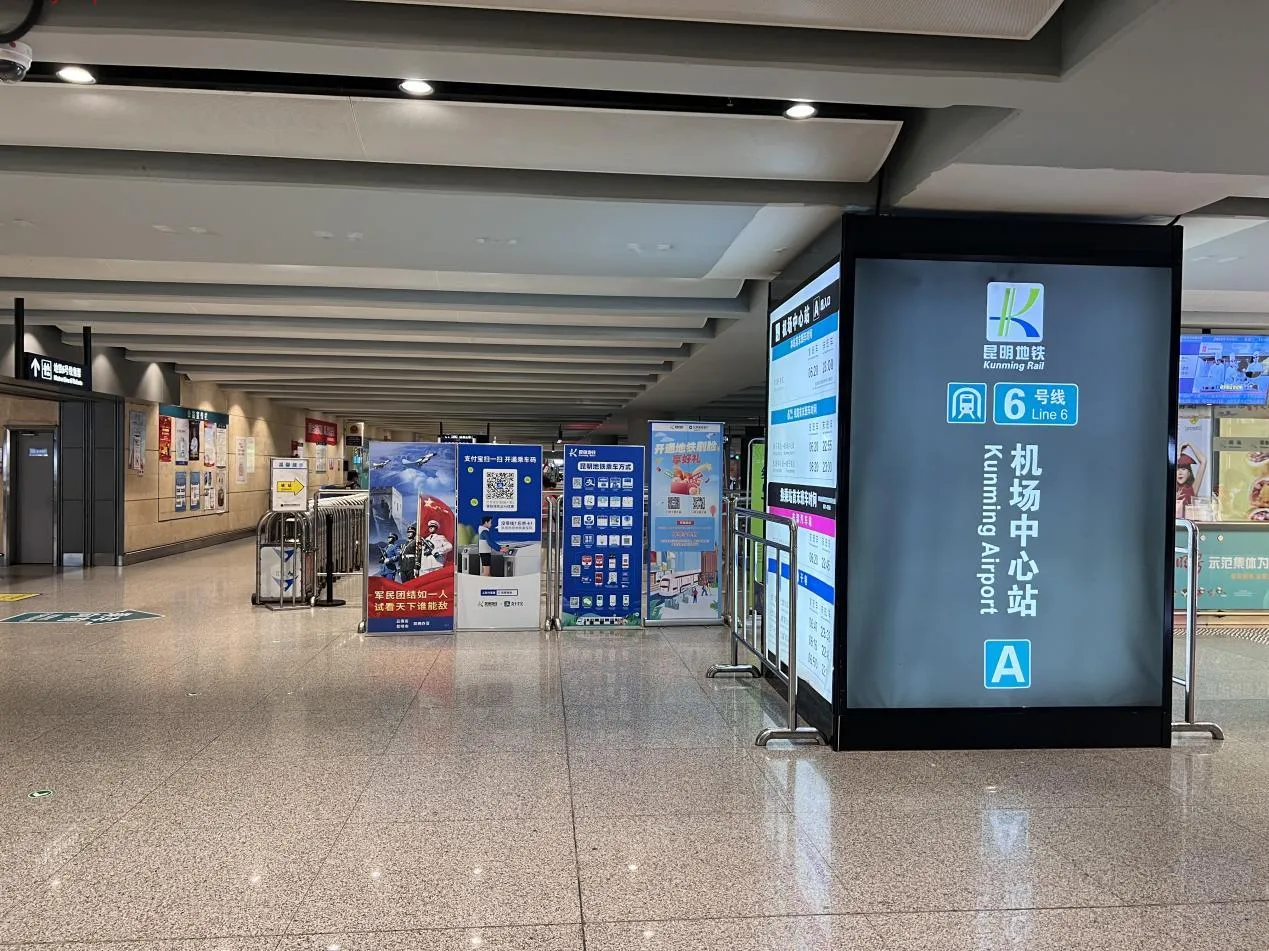
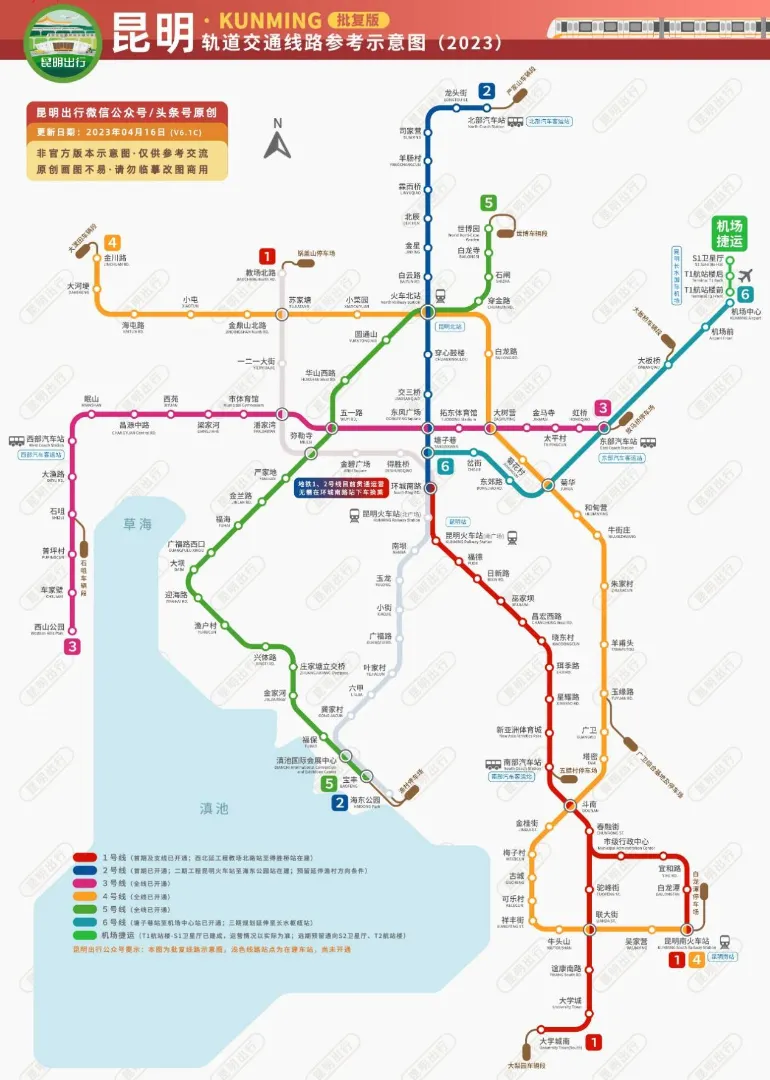
1. Metro (Line 6) – Fastest & Cheapest
The Airport Center station is located on levels B2/B3 of the terminal. It is the best option for daytime travelers wanting to avoid Kunming’s notorious peak-hour traffic.
-
Route: Connects the airport directly to Tangzixiang (city center) or East Bus Station (transfer to Line 3).
-
Operating Hours: 06:20 – 23:00.
-
Duration: ~25–30 minutes to the center.
-
Cost: ¥5–¥7.
-
Payment: Bilingual ticket machines accept cash (small bills) or QR codes (Alipay/WeChat).
2. Airport Shuttle Bus – Direct to Major Hubs
Shuttle buses are ideal if you have heavy luggage and your hotel is near one of the major drop-off points. Tickets can be bought at the Arrivals Hall (Floor 1) counters.
| Route | Main Destination | Operating Hours | Cost |
| Line 1 | Xiaoximen (City Center) | 07:00 – Until last flight | ¥25 |
| Line 2 | Kunming Railway Station | 08:00 – 03:00 (Next day) | ¥25 |
| Line 3 | Kunming South (High-Speed Rail) | 09:00 – 20:00 | ¥25 |
| Line 919 | Various city districts | 06:00 – 21:00 | ¥13 |
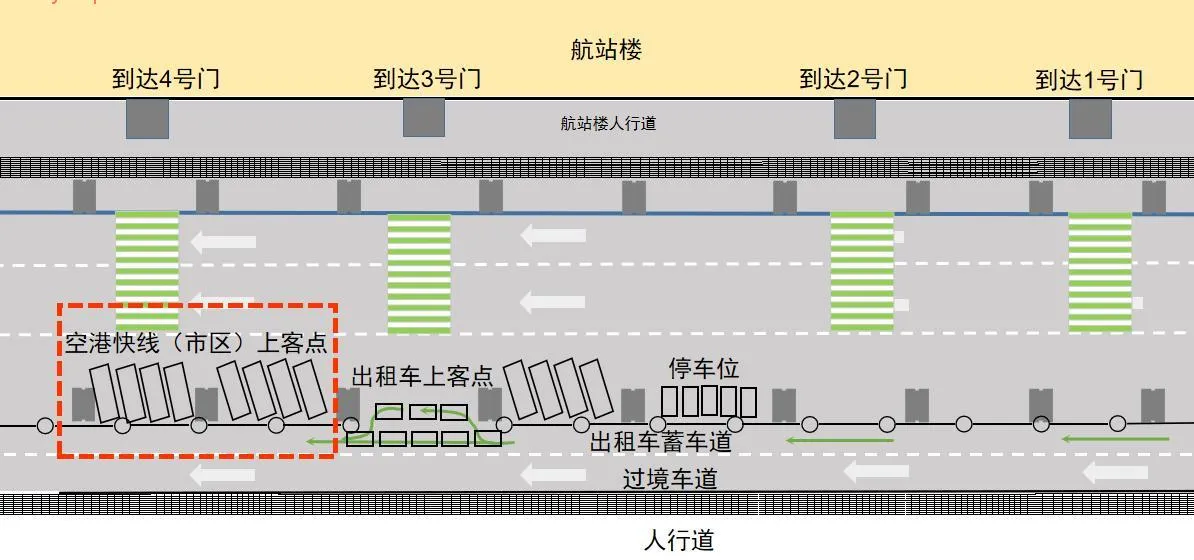
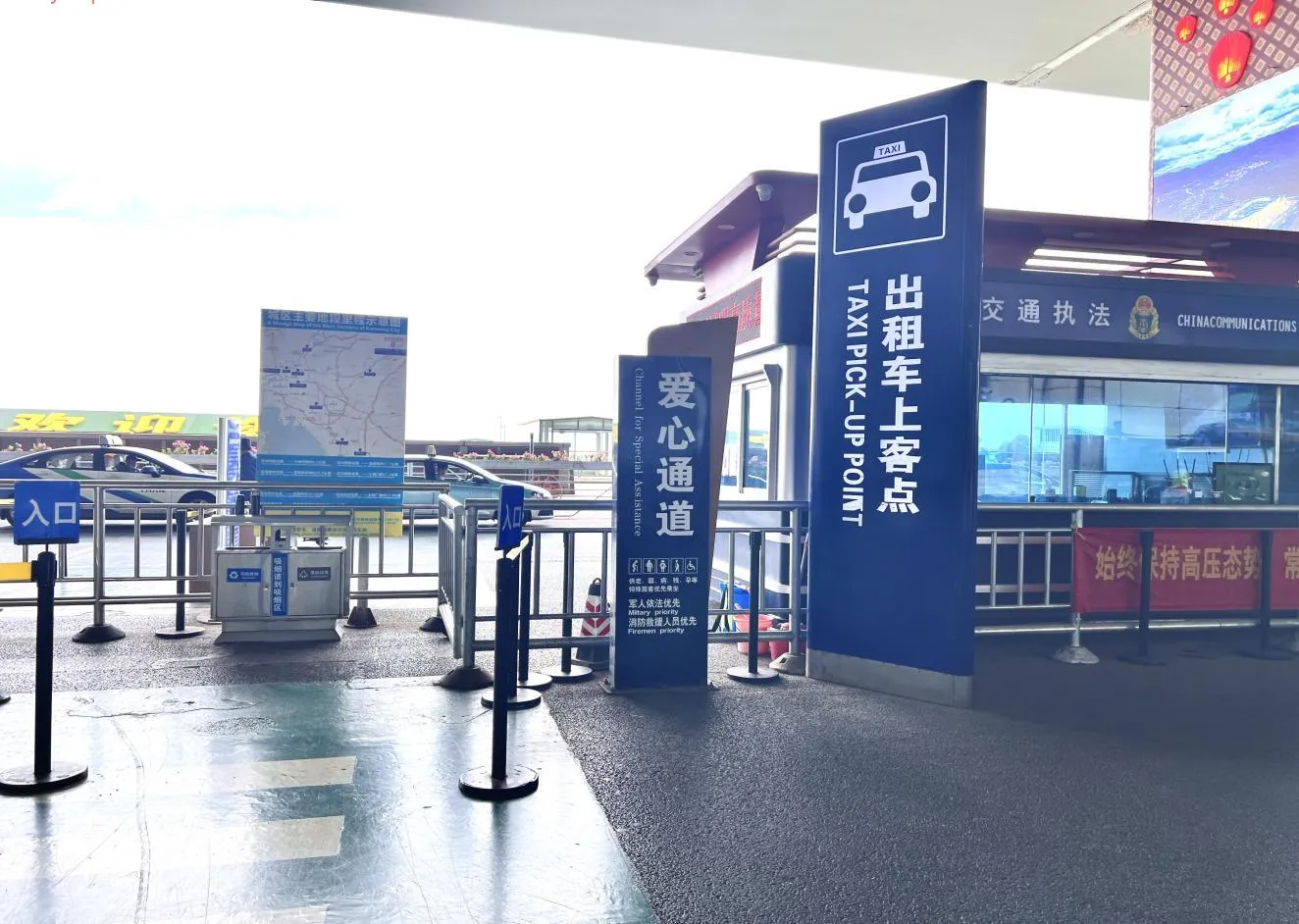
3. Taxi & Ride-Hailing (Didi) – Most Convenient
Follow the signs for "Taxi" or "Ride-Hailing" on Floor B1.
-
Standard Taxi: Always insist on the meter (dǎ biǎo).
-
Cost: ¥80–¥120 (includes a ¥10 airport highway toll).
-
Night Surcharge: Fares increase slightly after 22:00.
-
-
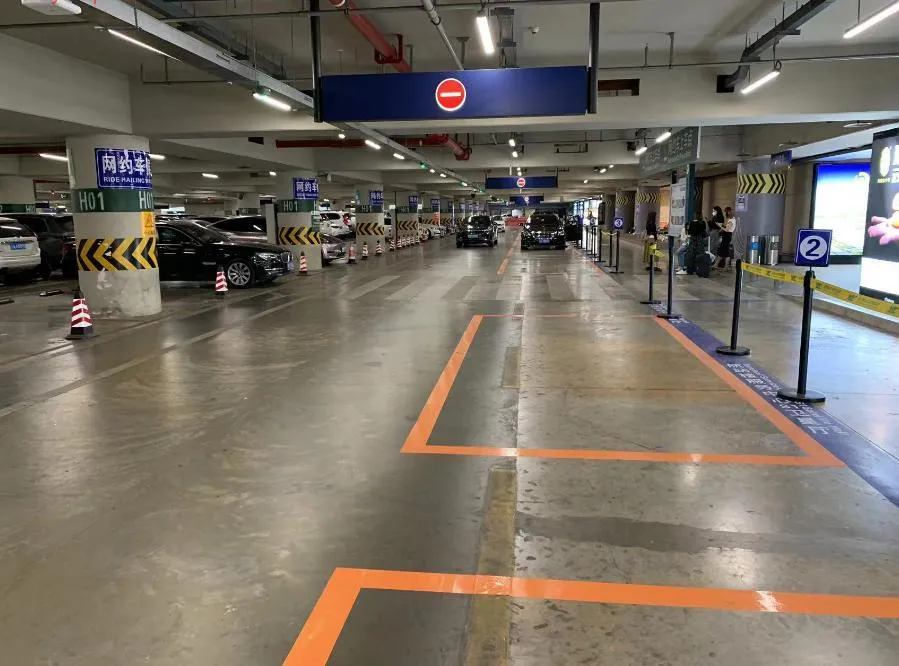
Didi (Chinese Uber): Highly recommended. The app has an English interface and allows you to link international credit cards (Visa/Mastercard).
-
Pickup: Head to the designated Didi Pickup Zone in the parking garage. The app will tell you exactly which pillar to stand by.
-
4. Late-Night Arrivals (After 23:00)
If you land after the Metro has closed:
-
Shuttle Line 2 continues running until the last flight arrives for Kunming Railway Station.
-
Taxis and Didi operate 24/7.
-
Avoid "Black Taxis": Do not accept rides from individuals shouting "Taxi" inside the arrivals hall. Always use the official queue outside.
5. Which Option Should You Choose?
| Travel Type | Best Option |
|---|---|
| Budget travelers | Metro Line 6 |
| First-time visitors | Taxi or hotel pick-up |
| Late-night arrivals | Taxi or airport bus |
| Groups with luggage | Taxi or private transfer |
| Peak traffic hours | Metro Line 6 |
Kunming airport layover Guide: What to Do During Your Transit at KMG
Whether you have a few hours or a few days in Kunming, the airport (KMG) and the city offer plenty of ways to pass the time. With the expanded 240-hour transit policy for 2026, Kunming has become a popular "stopover" city rather than just a quick transfer point.
1. Short Layovers (2–4 Hours): Stay in the Airport
If your layover is short, KMG’s massive Terminal 1 has enough to keep you occupied without the stress of leaving.
-
Eat Like a Local: Head to the Mezzanine Level (above the check-in counters) or the food courts near the gates. You must try Crossing the Bridge Noodles (Guoqiao Mixian)—it's the culinary soul of Yunnan.
-
Rest & Refresh:
-
Hourly Lounges: Located on Floor 2 (both Domestic and International sides), these offer private rooms for naps and shower facilities.
- Sleep Pods: Look for the white Naphubs Sleep Cabins (often near B3 or gate areas) for a high-tech, affordable power nap.
-
-
The Dinosaur Display: A great photo op located in the center of the terminal. It’s a nod to Yunnan’s "Lufeng Dinosaur" discoveries.
-
Duty-Free: While not as vast as Shanghai or Beijing, the international wing has a decent selection of Yunnan Pu'er tea and local flower cakes (Xianhua Bing).
2. Medium Layovers (5–8 Hours): A Quick City Dash
With 5+ hours, you have enough time to take the Metro Line 6 into the city center.
-
Kunming Old Street (Nanping Business District):
-
Travel: ~35 mins via Metro Line 6 (transfer to Line 3 at East Bus Station).
- Activity: Wander through historic wooden buildings, grab street snacks, and visit the Jingxing Flower & Bird Market.
-
-
Green Lake Park (Cuihu):
-
Travel: ~45 mins from the airport.
- Activity: A beautiful public park. In winter/early spring, it is famous for the Siberian Seagulls that migrate here. It’s a perfect spot to stretch your legs.
-
3. Long Layovers (8–24 Hours): Stay Overnight
If you have an overnight stay, you might be eligible for a Free Transit Hotel if flying with China Eastern Airlines (check your booking or their transit desk on Floor B1).
-
Airport Hotels: The Best Yue Hang Hotel and Mercure KMG are located right on the airport grounds with free shuttle service.
-
Night Life: If you head into the city, the area around Wenlin Street has a great collection of bars, cafes, and bookstores that stay open late.
4. Extended Layovers (2–10 Days): 240-Hour Transit
If you are using the 240-hour (10-day) Transit Without Visa, you aren't restricted to the airport. You can explore the entire Yunnan Province.
| Destination | Travel from Kunming | Why Go? |
| Stone Forest | 1.5 hrs (Car/Bus) | UNESCO karst limestone formations. |
| Dali Old Town | 2 hrs (High-Speed Rail) | Stunning Erhai Lake and Bai culture. |
| Lijiang | 3.5 hrs (High-Speed Rail) | Ancient cobblestone streets and Jade Dragon Snow Mountain. |
Layover Checklist
-
Luggage Storage: Available on Floor 3 (Area A) and Floor B1 (Arrivals). Rates are usually ¥10–¥40 per day depending on size.
-
Currency: ATMs are everywhere; however, it's highly recommended to set up Alipay or WeChat Pay with your international card before leaving the airport.
-
Wi-Fi: Use the kiosks to scan your passport for a Wi-Fi code.
Facilities, Dining & Lounges at KMG
As of 2026, Kunming Changshui International Airport (KMG) has solidified its reputation as a "mini-city" within a terminal. Whether you're looking for a Michelin-standard bowl of noodles or a high-tech nap pod, the facilities are designed to handle long transits with ease.
1. Dining: A Taste of Yunnan
KMG is famous for offering authentic local cuisine that rivals city-center restaurants. Most dining is concentrated on Level 3 (Departures) and the Mezzanine Level.
-
The Signature Dish: You cannot leave without trying Crossing the Bridge Noodles (Guoqiao Mixian).
-
Top Pick: Jianxin Yuan (建新园) or Qiaoxiangyuan (桥香园) – both are legendary Yunnan chains with airport branches.
-
-
Yunnan Specialties: Look for shops selling Flower Cakes (Xianhua Bing)—shortcrust pastries filled with edible roses—baked fresh on-site.
-
Western Staples: If you're craving familiar flavors, Starbucks, KFC, McDonald's, and Burger King are all present in both the landside (public) and airside (after security) areas.
-
Coffee Culture: Yunnan is China's coffee capital. Skip the chains and look for local brands like Hogood Coffee to try beans grown in the nearby mountains.
2. Lounges: Luxury & Comfort
KMG offers a variety of lounges for both domestic and international travelers. Many are accessible via Priority Pass, DragonPass, or pay-per-use.
| Lounge Name | Location | Best For | Access |
| International First Class Lounge (V1/V2) | T1, Airside (near gates) | Int'l travelers | Priority Pass, Pay-per-use (~$45) |
| China Eastern V8 Lounge | T1, Domestic | Premium service & hot food | SkyTeam Elite, Business Class |
| Lucky Air VIP Lounge | T1, Domestic | Budget-friendly comfort | Pay-per-use (~$18-$25) |
| Plaza Premium Lounge | T1 & T2 | Reliable Wi-Fi & showers | Priority Pass, Amex Platinum |
Pro Tip: Many lounges in the International wing offer shower facilities, which are a lifesaver after a long-haul flight.
3. Rest & Relaxation
If a lounge isn't enough, KMG has dedicated spaces for sleep:
-
JI Hotel (Inside Terminal 1): Located on the 2nd Floor, this is a full-service hotel inside the terminal. It’s perfect for early morning flights or late arrivals.
-
Naphubs Sleep Cabins: These high-tech "capsules" are scattered near the boarding gates and B1. They offer a bed, Wi-Fi, and charging ports for a few hours at a fraction of a hotel cost.
-
Massage Chairs: You’ll find rows of automated massage chairs near almost every gate—most accept payment via Alipay or WeChat Pay.
4. Essential Facilities
-
Wi-Fi: Free and unlimited. If you don't have a Chinese SIM, look for the Wi-Fi Kiosks to scan your passport and receive a login code.
-
Currency Exchange: Travelex is located at the International Arrivals exit (B1). ATMs that accept international cards (Visa/Plus/Mastercard) are plentiful on the 3rd and B1 floors.
-
Baggage Storage: If you want to head into the city for a few hours, storage counters are available on Level 3 (Area A) and Level B1.
-
Children’s Play Areas: Located in the central zones of both the Domestic and International departure lounges.
5. Duty-Free Shopping (International Airside)
Located after passport control, the China Duty Free (CDF) stores offer standard international tax-free pricing.
-
Luxury Brands: You’ll find boutiques for brands like Gucci, Burberry, Bally, and Coach.
-
Cosmetics & Fragrance: This is the strongest category at KMG. Look for "Travel Exclusive" sets from Estée Lauder, Lancôme, Dior, and Shiseido.
-
Tobacco & Alcohol: A wide selection of Chinese spirits (like Moutai) and international labels.
-
Tip: If you are transiting to a country with strict liquid rules (like Australia or the USA), ensure your purchase is placed in a Security Tamper-Evident Bag (STEB).
-
Nearby Hotels & Where to Stay (Airport vs Downtown)
Choosing where to stay in Kunming depends entirely on the length of your layover and your energy levels. Since the airport is about 25 km (16 miles) from the city center, you need to weigh the convenience of the terminal against the charm of the "Spring City."
1. Staying Near the Airport (Best for < 12h Layovers)
If you have an early morning flight or a late-night arrival, staying at the airport saves you two hours of transit time and the stress of Kunming traffic.
-
Best Yue Hang Hotel (4-Star): The most popular high-end option. It is located just 500 meters from the terminal with a 24-hour free shuttle.
-
DoubleTree by Hilton Kunming Airport: A luxury choice about 10 minutes away. It offers a premium breakfast and reliable international service.
-
Mercure Kunming Changshui Airport: A modern, reliable 4-star option that frequently offers competitive rates for transit travelers.
-
Sleeping Cabins (Terminal 1, F1): Located near Gate 3, these high-tech "pods" are perfect for 3–6 hour naps without leaving the terminal.
2. Staying Downtown (Best for 12h+ Layovers)
If you have a full day or more, heading into the city is highly recommended. The vibe in Kunming is much more relaxed than in Beijing or Shanghai.
Area 1: Green Lake (Cuihu Park)
-
Vibe: Picturesque, cultural, and walkable. You can see locals doing Tai Chi or feeding seagulls (in winter).
-
Top Picks: Grand Park Kunming (luxury with great views) or Kunming Upland International Hostel (best for budget/solo travelers).
Area 2: Kunming Old Street / Nanping Pedestrian Street
-
Vibe: The heart of the city’s shopping and history. Great for street food and late-night walks.
-
Top Picks: Nostalgia S Hotel (beautifully themed) or the Grand Hyatt Kunming for a high-end experience in a central location.
Area 3: Kunming Railway Station (Guandu District)
-
Vibe: Purely functional. Best if you are catching a high-speed train to Dali or Lijiang the next morning.
-
Top Picks: Holiday Inn Kunming City Centre or Sofitel Kunming (the tallest hotel in the city with an incredible rooftop bar).
3. Decision Matrix: Airport vs. City
| Arrival Time | Stay Location | Why? |
| After 11 PM | Airport | Metro is closed; taxis to the city take 45+ mins. |
| Before 8 PM | Downtown | Plenty of time to enjoy a Yunnan dinner and the city lights. |
| Early Flight (< 8 AM) | Airport | Avoid the morning rush hour; traffic can be unpredictable. |
| 1-2 Day Transit | Downtown | The city center is much more interesting than the airport area. |
4. Pro Tip: Free Transit Hotels
If you are flying with China Eastern Airlines (MU) or Kunming Airlines on an international-to-international or international-to-domestic connection, you may be eligible for a Free Transit Hotel.
-
How to check: Visit the "Transfer Service" counter on Floor B1 upon arrival. They will arrange the hotel and shuttle for you if you qualify.
Essential Apps: Must-Have Mobile Tools for Travel in China
To navigate China smoothly in 2026, you need a "Digital Survival Kit." Because many Western apps (Google, Instagram, WhatsApp) are restricted, these local alternatives are not just helpful—they are essential for everything from paying for a bottle of water to finding your hotel.
1. The "Big Two" (Payments & Everything Else)
You cannot survive easily in China without at least one of these. They serve as your wallet, ID, and service hub.
-
Alipay (支付宝): The best choice for tourists. It has a dedicated "International Version" and is generally more foreigner-friendly for linking Visa/Mastercard.
-
Must-use feature: Use the "Transport" icon to generate QR codes for the Kunming Metro and buses.
-
-
WeChat (微信): Known locally as Weixin. It’s WhatsApp, Facebook, and PayPal combined.
-
Must-do: Set this up and verify your identity before leaving home. It’s the primary way to communicate with hotels and tour guides.
-
2. Navigation & Transport
Google Maps is famously unreliable in China (often showing roads that don't exist or shifted locations).
-
Amap (Gaode Maps): The gold standard. As of 2026, it features an improved English interface for international users. It is highly accurate for walking and public transit. (If you don't know how to use Amap (Gaode Maps), read the [How to Use Amap (Gaode Map) in English])
-
Apple Maps: If you have an iPhone, this is a lifesaver. It uses Amap data but keeps the interface in English, including subway exits and shop names.
-
Didi (滴滴): The Chinese Uber. It is integrated into both Alipay and WeChat, but the standalone app has a full English interface and text-translation for messaging your driver. ([How to Use DiDi in China] helps all first time users.)
3. Communication & Translation
-
Google Translate: Still the most powerful, but it requires a VPN to work on Wi-Fi. Pro Tip: Download the "Mandarin Offline" pack before you arrive so it works without data.
-
Baidu Translate: The best local alternative. Its "Camera Translation" is excellent for menus and street signs and does not require a VPN.
-
Pleco: The absolute best English-Chinese dictionary for specific words (like explaining an allergy).
- More details at [Best Translation Apps for China: The Ultimate Guide for Travelers & Expats]
4. Staying Connected (VPNs & eSIMs)
In 2026, the "Great Firewall" is as strong as ever. You have two main choices:
-
eSIM (e.g., Airalo, Holafly): Best for short trips. Because the data is "roaming," it usually bypasses blocks automatically—you can use Instagram and Gmail without a separate VPN. ([Best China SIM Cards & eSIMs for Tourists] walk you through everything you need to know on eSIM.)
-
VPN (Top Picks for 2026): If you use a local SIM or hotel Wi-Fi, you must have a VPN.
-
Astrill VPN: Consistently the most reliable for China.
-
ExpressVPN / NordVPN: Good, but require frequent updates to stay ahead of blocks.
Note: Install your VPN and log in before you land in China. You cannot access the app stores to download them once you are behind the firewall.
-
5. Travel Management
-
Trip.com: The international arm of Ctrip. It is the best app for booking high-speed trains and hotels in China with an English interface and 24/7 English support.
App Checklist
| App | Function | Download Timing |
| Alipay | Payments / Metro | Pre-arrival (Link card) |
| VPN | Internet Access | Pre-arrival (Install & Login) |
| Amap | Maps | Pre-arrival |
| Trip.com | Trains/Hotels | Pre-arrival |
| Didi | Taxis | On-arrival (or via Alipay) |
Travel Tips, Mistakes & Safety Advice at KMG
While Kunming and Yunnan are generally among the safest and most welcoming regions for international travelers, the "digital-first" nature of 2026 China creates some unique hurdles. Avoiding these common mistakes will save you both money and stress.
1. Top 5 Mistakes to Avoid
-
The Power Bank Pitfall: Since June 2025, China has strictly enforced the 3C Certification rule for power banks on domestic flights. If your portable charger lacks a clear "CCC" logo or its capacity label (mAh/Wh) is faded, security will confiscate it. International brands bought outside China (like Anker or Belkin) often lack this specific mark—check yours before packing!
-
Falling for the "Tea Ceremony" or "Art Student" Scam: This is rare at KMG but common in downtown Kunming. A friendly stranger (often an "innocent-looking" student) may ask to practice English and invite you to a nearby tea house or gallery. You’ll end up with a bill for hundreds of dollars and a very intimidating "manager" demanding payment.
-
The "Black Taxi" Trap: At the arrivals hall, individuals may approach you claiming to be official drivers. Ignore them. Follow the signs to the official taxi queue on Floor B1. These cars are metered and regulated. Even better, use the Didi app for a fixed price.
-
Assuming English is Widely Spoken: While airport signs are bilingual, most taxi drivers and shop staff are not. Always have your hotel name and address saved as a screenshot in Chinese characters.
-
Not Having a "Back-up" VPN: Even in 2026, VPNs can be temperamental. Download at least two different VPN services before you leave home. If one is blocked, you’ll have a second path to your apps.
2. Security & Health Safety
-
The "Water Swap" Rule: You cannot take any liquids over 100ml through security. However, Kunming airport has free hot and cold filtered water dispensers everywhere. Bring an empty reusable bottle and fill up after security.
-
Altitude Awareness: Kunming is at 2,100 meters. On your first day, you may feel slightly more tired or get a mild headache. Drink plenty of water and avoid heavy alcohol for the first 24 hours.
-
Random Security Checks: Be prepared for random bag checks or biometric (fingerprint) scans at transport hubs. It’s a standard procedure in China—just stay calm and cooperate; it usually takes less than a minute.
3. Cultural Etiquette "Cheat Sheet"
-
The "No Tipping" Rule: Tipping is not expected in China and can actually be confusing or seen as rude in some local spots. A simple "Thank you" (Xièxie) is enough.
-
Personal Space: In busy airport queues or on the Metro, the concept of personal space is different. People may stand very close to you—it’s not meant to be aggressive, just a result of high-density living.
-
Chopstick Taboos: When eating at the airport, never stick your chopsticks upright in a bowl of rice (it resembles incense at a funeral) or tap your bowl with them.
4. Emergency Contacts (Save These!)
-
Police: 110
-
Medical Emergency: 120
-
Fire: 119
-
KMG Airport Inquiry: +86 0871-96566
Frequently Asked Questions (FAQ)
Q1: Is Kunming Changshui Airport easy for first-time visitors?
A: Yes. Clear signage, a single terminal, and metro access make it one of China’s more user-friendly airports.
Q2: Can I leave the airport during a layover?
A: Yes, especially if you have 6–8 hours and meet entry requirements.
Q3: Is Metro Line 6 tourist-friendly?
A: Absolutely. It is clean, safe, and well-signposted in English.
Q4: Can I transit through KMG without entering China?
A: In limited cases, yes—but many international connections require formal entry into China.
Q5: Is there free Wi-Fi at Kunming Changshui Airport?
A: Yes. KMG offers free public Wi-Fi throughout the terminal.
Q6: Can I store my luggage at the airport?
A: Yes, there are "Left Luggage" counters at KMG.
Q7: How far is Kunming airport from the city center, and how long does it take?
A: The airport is located 25 kilometers (16 miles) from downtown. Using Metro Line 6 takes about 25–30 minutes, while a taxi usually takes 45 minutes depending on traffic.
Kunming Changshui International Airport is more than just a transit point—it’s a gateway to one of China’s most diverse and scenic provinces. With efficient metro connectivity, improving international services, and easy layover exploration opportunities, KMG is an airport travelers can actually enjoy.
Whether you’re passing through for a few hours or starting a deep Yunnan adventure, understanding KMG will make your journey smoother, cheaper, and far more rewarding.