The Ultimate "Before You Board" Checklist
Do not board your flight to China without doing these three things first:
-
Download and Test Your VPN: Download your VPN (like ExpressVPN or Let's VPN) before you enter Chinese airspace. You cannot easily download them once you land.
-
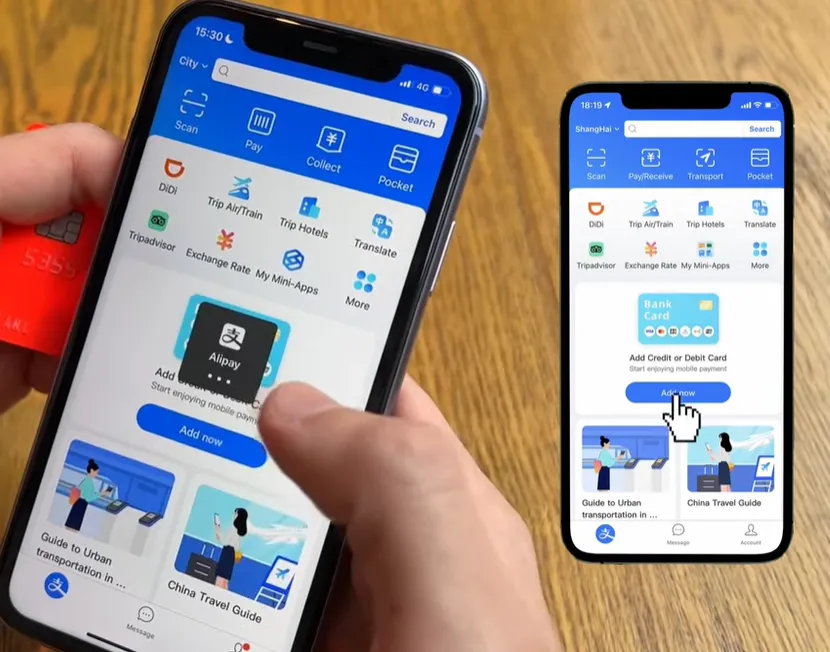
Set Up Alipay & WeChat: Download both apps, register with your home phone number, and link your foreign Visa/Mastercard. Do this at home where you can easily receive SMS verification codes.
-
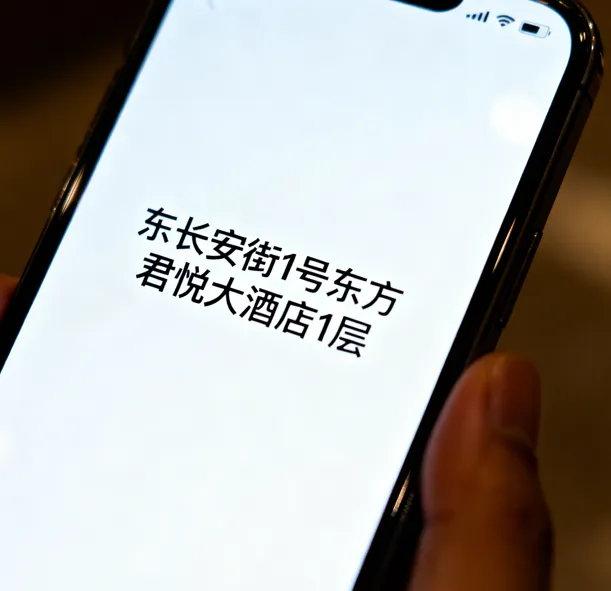
Screenshot Your Hotel Address in Chinese: Google Maps will not work properly, and taxi drivers rarely speak English. Have your hotel's name and address saved as a photo in Simplified Chinese.
Flying to and within China can be a highly efficient and streamlined experience, but international travelers often face unique challenges, particularly concerning digital payment isolation, restricted internet access, and complex airport procedures. This comprehensive guide provides the most practical advice and critical warnings to ensure your journey, from departure to your final domestic destination, is seamless. Save this guide for a worry-free trip!
Part I: Before You Fly – Entry and International Travel
1. Entry Essentials: Visa and Passport Requirements
Before you book your international ticket, ensure your documentation is compliant with Chinese entry laws.
-
Passport Validity: Your passport must be valid for at least six months beyond your intended date of entry into China and at least 2 blank pages. Many airlines will deny boarding if this requirement is not met.
-
Visa Policies: A Detailed Guide
Understanding the different visa types is crucial for planning your entry.
-
L (Tourist) Visa: The standard visa for travel, sightseeing, and visiting family. You must apply for this in advance at a Chinese embassy or consulate in your home country. Start this process early, as requirements can be stringent.
-
M (Business) Visa: For commercial trade or business activities, typically requiring an official invitation letter from a Chinese company or partner.
-
G (Transit) Visa: Used only if your transit time exceeds the permitted visa-free policy (24/240 hours) or if you do not meet the transit exemption requirements.
-
Visa-on-Arrival (VoA): Generally NOT available for standard tourism purposes. VoA is limited to specific emergencies or designated zones (e.g., Hainan, Shenzhen). Do not rely on VoA for standard travel planning.
-
-
Unilateral Visa-Free Policies (Direct Entry):
In recent years, China has implemented unilateral visa-free entry for ordinary passport holders from several countries for stays up to 15 or 30 days, usually for tourism, business, visiting relatives, and transit.
Duration
Key Countries Included (Non-exhaustive)
30 Days
Singapore, Brunei, Thailand, Georgia, Kazakhstan, Malaysia (until end of 2025)
15 Days
France, Germany, Italy, Netherlands, Spain, Switzerland, Ireland, Belgium, Luxembourg, Austria, Hungary, etc. (Policy often extended on a trial basis)
Crucial Note: This policy allows direct entry into China without needing a pre-arranged visa, but it does not replace the transit visa exemption rules. Always check the latest official list before travel, as the trial period policies are subject to change.
-
Transit Visa Exemption Policies (The 24/240-Hour Rules):
These policies allow citizens of over 55 countries to transit through China without a pre-arranged visa. The basic requirement for all exemptions is a confirmed onward ticket (air, train, or ship) to a third country or region.
240-hour visa-free transit list:
Europe (40 countries): Austria, Belgium, Czech Republic, Denmark, Estonia, Finland, France, Germany, Greece, Hungary, Iceland, Italy, Latvia, Lithuania, Luxembourg, Malta, Netherlands, Poland, Portugal, Slovakia, Slovenia, Spain, Sweden, Switzerland, Monaco, Russia, United Kingdom, Ireland, Cyprus, Bulgaria, Romania, Ukraine, Serbia, Croatia, Bosnia and Herzegovina, Montenegro, North Macedonia, Albania, Belarus, Norway
North America (2 countries): United States, Canada
South America (4 countries): Brazil, Mexico, Argentina, Chile
Oceania (2 countries): Australia, New Zealand
Asia (7 countries): South Korea, Japan, Singapore, Brunei, United Arab Emirates, Qatar, Indonesia
City/Region (Ports of Entry)
Visa-Free Duration
Key Airports/Ports of Entry
240-Hour Policy (10 Days)
10 Days (240 Hours)
Allows temporary stay within the entire designated region/province.
Shanghai Area
240 Hours
PVG, SHA (Shanghai); HGH (Hangzhou); NKG (Nanjing)
Beijing Area
240 Hours
PEK, PKX (Beijing); TSN (Tianjin); SJW (Shijiazhuang)
Guangdong Province
240 Hours
CAN (Guangzhou); SZX (Shenzhen); JIE (Jieyang); and all sea/rail ports.
Chengdu Area
240 Hours
CTU, TFU (Chengdu)
Chongqing
240 Hours
CKG (Chongqing)
24-Hour Policy (1 Day)
1 Day (24 Hours)
Applies to almost all international airports handling transit.
All Other Major Hubs
24 Hours
Allows airside transit; temporary entry may be permitted based on airport discretion and duration.
2. International Routes & Major Hubs
Knowing your entry point is crucial for smooth customs and transfer experiences.
-
Direct Flight Overview: Direct services are robust, especially from major cities in North America (NYC, LAX, Vancouver), Europe (London, Paris, Frankfurt), and key hubs in Asia (Tokyo, Seoul) /Australia .
-
China's Main International Gateway Airports (Hubs):
-
Beijing (PEK / PKX): The capital's hubs. PEK is large and often used for transit, while the newer Daxing (PKX) is rapidly expanding.
-
Shanghai (PVG): Shanghai Pudong is one of the busiest and most foreigner-friendly, handling massive international traffic.
-
Guangzhou (CAN): A major hub for South China and connecting flights into Southeast Asia.
-
Chengdu (CTU / TFU): A key gateway to West China, served by two major airports. International flights are currently only operating from TFU.
-
Hong Kong (HKG): Often used as a convenient, internationally-friendly hub for connecting to the Mainland.
-
Part II: Landing in China – Transit and Ground Prep
3. Transiting in China: Smooth Connections and Procedures
If your final destination is domestic, you must master the International-to-Domestic transit process and choose efficient hubs.
-
International-to-International Transit: If you are changing planes and staying airside, the procedure is simple, requiring no interaction with Chinese Immigration. Follow the "Transfer" or "Connections" signs.
-
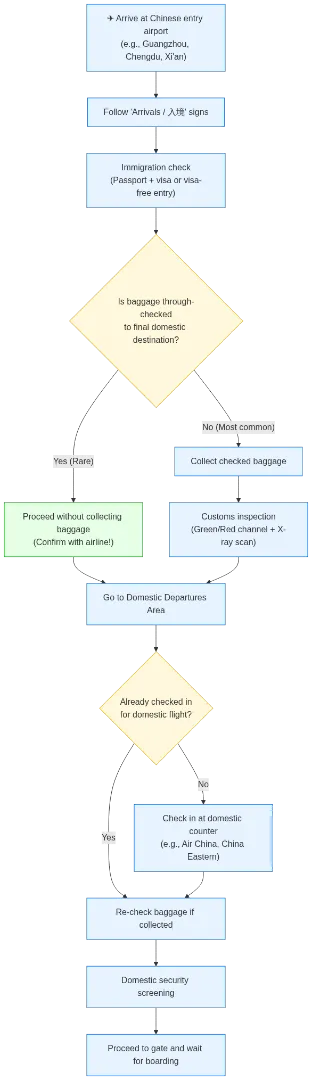
International-to-Domestic Transit: If flying immediately to another city, you must clear immigration and customs at your arrival airport before proceeding to the domestic terminal. Allow ample time (3-4 hours) for this process.
-
Baggage Transfer & Customs Procedures (CRITICAL DETAIL): Scenario 1: Through-Checked Baggage (Connecting Ticket): If you are on a single, interline ticket (same airline or code-share), your baggage may be checked directly to your final domestic destination (e.g., Paris → Beijing → Chengdu, bag tagged to Chengdu).
-
⚠️ Mandatory Rule: Even if your baggage is through-checked, you MUST still clear Chinese Immigration and Border Control at your first port of entry (e.g., Beijing). China does not operate common "International Transit Zones" (unlike Singapore or Dubai) where you can skip entry formalities.
-
Customs Declaration: Regardless of whether you collect your bag, you are required to submit a Customs Declaration. While Customs usually does not open and inspect uncollected bags, all passengers and their luggage are subject to random inspection and declaration checks.
-
Scenario 2: Separate Tickets/Airlines (Most Common): Always confirm with your originating airline whether your baggage will be "through-checked." If not, or if you are on separate tickets, you MUST collect your bags after customs clearance and Re-check them at the domestic check-in counter. This is common and necessary when using two different airlines.
-
-
Layover Stay: If you qualify for the 240-hour Visa-Free Transit, present your onward ticket at the immigration counter to receive a temporary entry permit, allowing you to leave the airport.
Best Hubs for Foreigner-Friendly Domestic Connections
Some major hubs are generally easier and more efficient for foreign travelers due to dedicated facilities and multilingual signage:
-
Shanghai Pudong (PVG): Highly recommended. PVG generally offers the clearest English signage and dedicated lanes for international transfers, streamlining the process of clearing immigration and moving to the domestic terminal.
-
Beijing Capital (PEK): Excellent connectivity. Look for designated "Transfer" areas which often handle document checks quickly before you proceed to security.
-
Guangzhou Baiyun (CAN): A major transfer point for Southeast Asia, well-equipped to handle high volumes of transfers with good domestic links.
-
Chengdu Tianfu (TFU): Ideal for Western China. TFU is the main hub for Sichuan, providing the most convenient access for travelers heading to China's central-western regions and, most notably, the famous panda reserves.
Best Hubs for Regional Domestic Connectivity (Gateway Airports by Attraction)
Choosing your first port of entry based on the region and specific attractions you wish to visit ensures the most efficient travel plan.
|
Region |
Primary Hubs & Codes |
Key Domestic Destinations Served |
Key Attractions/Destinations Served |
Notes for Foreigners |
|---|---|---|---|---|
|
North China (Jing-Jin-Ji) |
Beijing (PEK, PKX) |
Tianjin (TSN), Shijiazhuang (SJW), Inner Mongolia, Shandong (Jinan, Qingdao). |
The Great Wall, Forbidden City, Temple of Heaven, Summer Palace. |
Excellent connectivity and essential for first-time visitors to the capital region. |
|
East China (Yangtze River Delta) |
Shanghai (PVG, SHA) |
Hangzhou (HGH), Nanjing (NKG), Ningbo (NGB), Wenzhou (WNZ). |
Shanghai Bund, Disneyland, West Lake (Hangzhou), Classical Gardens (Suzhou). |
Highly Recommended. PVG offers the clearest English signage and ideal links to scenic river delta cities. |
|
West & Southwest Hub |
Chengdu (TFU, CTU) |
Lhasa (LXA), Chongqing (CKG), Kunming (KMG), Guizhou, Sichuan Province. |
Giant Panda Research Base, Leshan Giant Buddha, Emei Mountain, Tibet (connecting flight). |
Ideal for Western China. The main gateway for wildlife and mountain regions. |
|
Northwest Hub |
Xi’an (XIY) |
Lanzhou (LHW), Yinchuan (INC), Xining (XNN). |
Terracotta Army, Huashan Mountain, Silk Road history sites (via connections). |
Xi'an is the best gateway for travelers focused on ancient history and the Northwest. |
|
South China (Pearl River Delta) |
Guangzhou (CAN) |
Shenzhen (SZX), Xiamen (XMN), Fuzhou (FOC), Hainan (HAK, SYX). |
Window of the World (Shenzhen), Tropical Beaches (Hainan), Macau/Hong Kong land access. |
A major transfer point for Southeast Asia, well-suited for business and tropical/coastal trips. |
|
Central Hub |
Wuhan (WUH) |
Changsha (CSX), Hefei (HFE), Nanchang (NCG). |
Yellow Crane Tower, Yangtze River Cruises, Mount Wudang (via connections). |
Strategically centered for those wishing to explore China's interior provinces. |
4. Essential Ground Prep: Connectivity & Communication
Lack of connectivity can severely hamper navigation and communication. This preparation is the key to a smooth trip.
-
The Wi-Fi Challenge: Be aware that most public Wi-Fi networks in China (airport, hotel) require a Chinese mobile number for a verification code to log in. You may land without immediate access. Some major airports (such as Beijing Capital International Airport, Shanghai Pudong International Airport, and Guangzhou Baiyun International Airport) have piloted support for passport authentication login via Wi-Fi in certain areas. The process typically involves connecting to Wi-Fi, being redirected to an authentication page, selecting the "Foreigner/Passport" option, entering passport information, and uploading a photo (or scanning the passport chip). Once verified, internet access is granted.
-
VPN Preparation (Crucial): Global sites like Google, Facebook, Instagram, and many international news platforms are restricted. You MUST install, configure, and test a reliable VPN service before leaving your home country. Once you land, it may be too late to download one. (Best VPNs in China)
-
Local Communication:
-
eSIMs/Roaming: Consider purchasing a Chinese eSIM or activating a cost-effective international roaming package before arrival to ensure immediate data access.
-
Translation Apps: Download apps like Google Translate or Microsoft Translator and save the offline language packs (Mandarin Chinese) for critical moments when data access is unavailable.
-
Map Apps: Download local map apps (e.g., Amap/Gaode, or Google Maps offline regional data) for navigation outside the airport.
-
⚠️ Survival Warning: The Airport Wi-Fi Trap
Most public Wi-Fi networks in China (including at major airports like PEK and PVG) require you to input a phone number to receive an SMS verification code. If your home SIM card does not have international roaming activated, you will not receive this text!
Part III: Flying Within China – Domestic Logistics
5. Booking China Flights: Challenges & Solutions
Booking domestic travel often meets payment and language barriers for foreigners.
-
International Card Acceptance: Be forewarned: most official Chinese airline websites and dominant local booking apps (e.g., Fliggy, WeChat) may not accept foreign-issued Visa, MasterCard, or Amex cards, or the payment process is complex and often fails.
-
Recommended Booking Platforms:
-
Trip.com (Ctrip International): This is the most reliable and recommended platform. It has a full English interface, competitive pricing, and consistently accepts international credit cards for Chinese domestic flights.

-
Local Mobile Payments: Set up the international versions of WeChat Pay or Alipay by binding your foreign credit card. This allows you to pay for flights and trains using local platforms like Fliggy or directly on airline apps.
-
Smart Tip: Flights vs. High-Speed Rail
For long-haul travel exceeding 800-1000 kilometers, domestic flights (especially when booked in advance) are often cheaper and faster than China's High-Speed Rail. Always compare both options.
6. Domestic Flying Guide: Check-in, Security, and Boarding
The domestic airport experience is efficient but has strict, unique rules.
-
Required Documentation: You must carry your physical passport (or valid entry permit/document). Digital copies are rarely accepted for check-in validation.
-
Check-in Process: While self-check-in kiosks are common, foreign passport holders are often required to check in at the traditional manned counter for manual document verification. Allow extra time for this process.
-
Baggage Policy Comparison (Major vs. Budget Carriers):
Domestic baggage allowance is critical. Always verify your ticket rules before the airport.
-
Full-Service Carriers (Air China, China Eastern, China Southern, Sichuan Airlines):
-
Carry-on: Generally includes one standard cabin bag (up to 5-8kg) and one personal item.
-
Checked Baggage: Usually 20 kg free baggage allowance included for tickets purchased as part of an international itinerary. For domestic-only tickets, free checked baggage may vary by fare class.
-
-
Low-Cost Carriers (LCCs) (e.g., Spring Airlines, China United):
-
Checked Baggage: Rarely included and must be purchased separately, ideally online in advance for a discount. Buying at the airport is significantly more expensive.
-
Carry-on: Limits are strictly enforced, often allowing only one small piece (typically 5-7kg). Non-compliant carry-ons may be charged heavily at the gate.
-
-
Critical Warning: Power Bank and Battery Rules
-
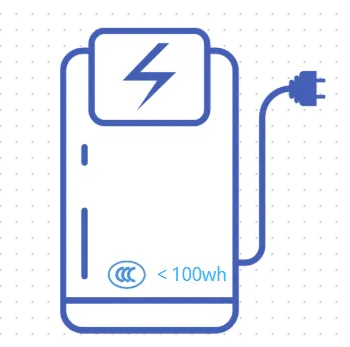
Power Banks (Charging Banks) MUST be carried in your carry-on baggage only and MUST be CCC-Certified. They are strictly forbidden in checked luggage.
-
Capacity Limits: Capacity must be clearly labeled on the device in Watt-hours (Wh). The limit is typically 100Wh. Unlabeled or high-capacity power banks will be confiscated by security without exception.
-
Security Procedures (Step-by-Step): Chinese security checks are thorough and highly systematic.
-
Before Security Screening: Present your physical passport/ID and your boarding pass (paper or digital). Be aware that some airports utilize facial recognition technology at initial checkpoints for identity verification.
-
Checked Baggage Screening: All checked bags undergo a comprehensive X-ray explosive trace and detection screening before they are loaded onto the aircraft.
-
Carry-On Screening and Personal Search:
-
Electronics Removal: Laptops, tablets, power banks, and cameras MUST be removed from your bag and scanned individually in separate trays.
-
Liquids: Water bottles and other drink containers must be completely emptied before passing through the checkpoint.
-
Personal Screening: You will proceed through a Walk-Through Metal Detector (WTMD) or, at many large airports (PEK, PVG, CAN, SHA, etc.), a millimeter-wave scanner for a mandatory body scan. Expect to be selected for Explosive Trace Detection (ETD) swipe tests.
-
-
Strict Rules: Liquids, Power Banks, and Prohibited Items:
-
Liquids Policy: Each container of liquid, gel, or aerosol must not exceed 100 ml (3.4 oz) in volume. These must fit in a single, transparent, resealable plastic bag.
-
Prohibited Items: This list is strictly enforced and includes all forms of knives (even small utility knives or pocket knives), scissors, and any flammable or explosive materials. These items will be confiscated without exception.
-
-
-
Boarding: Chinese airports is vast. Pay close attention to gate changes and ensure you arrive at your gate well before the boarding time.
Part IV: Post-Arrival Logistics – Leaving the Airport
7. Transportation from the Airport
Navigating transportation out of the airport requires familiarity with local methods and payments.
-
Local Payment Reminder: While taxis and subways accept cash, they increasingly rely on mobile payment apps (WeChat Pay/Alipay) or local transit cards. Ensure your mobile payment is set up or have small denominations of cash available.
-
Airport Express/Subway:
-
Best Option: Airport Express trains and subways are usually the fastest, cheapest, and most reliable option in large cities like Beijing, Shanghai, Guangzhou and Chengdu.
-
Ticketing: Look for ticket machines with English options or use your mobile payment app for fast QR code entry at the gates.
-
-
Taxis (Official Rank):
-
Safety: Only use taxis waiting at the official designated taxi ranks. Never accept rides from touts inside the airport.
-
Communication: Have your destination address written in Chinese characters. Show them the full Chinese address (e.g., hotel name and district).
-
Payment: Taxis accept cash and often provide a QR code for WeChat/Alipay payment.
-
-
Ride-Hailing (Didi/Local Apps):
-
Recommended for Ease: Didi (China's Uber equivalent) is highly recommended. Using the English interface within the Didi app, or through mini-programs in WeChat/Alipay, makes booking and payment seamless. (How to use Didi in China)
-
Requirements: You need a working phone number and mobile payment setup. The app automatically translates your destination address for the driver.
-
Pickup Points: Follow signs to the designated “Ride-Hailing (E-Hailing) Pickup” area. (China Ride-Hailing & Taxi Guide)
-
8. Essential Communication Hacks (Post-Landing)
Minimizing communication friction is critical immediately after landing. Use these non-verbal strategies to interact with locals and drivers.
-
Show, Don't Speak: When dealing with taxi drivers, security, or hotel staff, minimize attempts to pronounce Chinese names or addresses, as Mandarin tones are difficult and pronunciation errors are common. Instead, use your phone to show the Chinese characters for your destination.
-
Prepare Key Phrases: Have essential phrases saved in your translation app's 'Favorites' or notes, such as:
-
"Please help me call a Didi/Taxi." (请帮我叫个车 - Qǐng bāng wǒ jiào gè chē)
-
"I need to go to Address in Chinese ." (我要去 地址 )
-
"How much is this?" (这个多少钱 - Zhège duōshǎo qián)
-
Part V: Practical Tips for a Smooth Trip
This section summarizes the most crucial advice for a hassle-free journey. Prioritizing these three areas will help you avoid common pitfalls.
9. The Three Pillars of Digital Readiness
Success in China hinges on your digital setup before you arrive.
-
VPN is Non-Negotiable: Install and test your VPN before leaving home. It is your lifeline to Gmail, Instagram, WhatsApp, and most Western news sources.
-
Mobile Payment Setup is Essential: Set up the international versions of Alipay and/or WeChat Pay, binding your foreign credit card. Nearly all transactions rely on these apps. Cash is often cumbersome.
-
Action Detail: Complete the Real-Name Verification (requires passport photo) within the app. Ensure your foreign card is successfully linked and capable of small test transactions.
-
-
Offline Resources: Download offline maps (Amap/Gaode or Google Maps data) and translation packs before you lose reliable internet access.
10. Airport Time Management
Chinese airport and security procedures are efficient but highly detailed.
-
Arrive Early: For both international and domestic flights, aim to arrive at least 2 hours before departure. Foreign passport holders frequently require manual counter check-in, which can be slow.
-
Strict Security: Factor in extra time for security screening. Lighters, large liquids, and electronic devices (laptops, power banks) require separate and careful inspection.
-
Keep Passport Accessible: Your physical passport must be shown multiple times: at check-in, security, and sometimes the boarding gate. Keep it readily accessible.
11. Baggage and Identity Checks
Avoid common and costly mistakes.
-
Battery Limits: Power banks, laptop batteries, camera batteries, and other lithium battery devices can only be carried on board and cannot be checked in.
-
LCC Luggage Awareness: If flying low-cost (e.g., Spring Airlines), pre-purchase checked luggage online. Do not assume any free allowance, as overweight/gate-check fees are extremely expensive.
-
Name Match: Double-check that the name and passport number on your flight ticket (especially domestic legs) are exactly match to your passport.
Final Checklist and Essential Resources
Congratulations! Once you've mastered these steps, flying within China is incredibly efficient.
-
Final Checklist:
-
☑️ VPN installed and tested.
-
☑️ International mobile payments (WeChat/Alipay) set up.
-
☑️ Power banks are correctly labeled and in carry-on only.
-
☑️ Passport valid for 6+ months.
-
☑️ Onward ticket confirmed (if transiting).
-
☑️ Destination address saved in Chinese characters.
-
☑️ Translation app offline packs loaded.
-
-
Essential Resources: Always check the official website of the Chinese embassy or the relevant airline (e.g., Air China, China Southern) for the latest policy updates before your travel date. Safe travels!