Train travel in China is more than just a mode of transportation—it's an efficient, affordable, and eco-friendly way to explore one of the world's most dynamic countries. With the longest high-speed rail network on the planet, China's trains connect bustling megacities like Beijing and Shanghai to remote cultural gems like Xi'an and Chengdu. Whether you're a backpacker seeking adventure or a business traveler prioritizing speed, understanding the ins and outs of China train travel can transform your journey. In this comprehensive guide, we'll dive into 22 essential facts about train travel in China, blending practical insights with tips to help you navigate like a pro. From high-speed bullet trains zipping at over 300 km/h to overnight sleepers that save on hotel costs, these facts will equip you for an unforgettable ride.
📌 The Quick Rules of China Train Travel
-
Booking: Use the official 12306 App (English available) to book tickets exactly 15 days in advance.
-
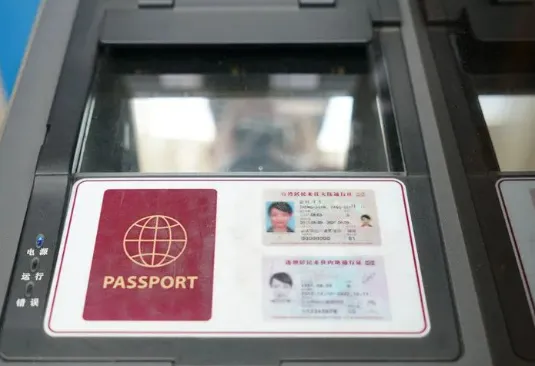
No Paper Tickets: China is 100% digital. Your physical Passport is your ticket—you must scan it at the turnstiles to enter and exit.
-
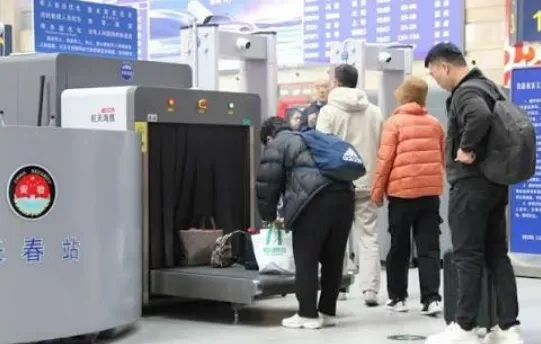
Luggage: There are no baggage fees, but you must carry your own bags. Pack light enough to fit your luggage through airport-style X-ray scanners.
-
Arrive Early: Train stations in China are massive (like airports). Arrive at least 60 minutes before departure to clear security and find your gate.
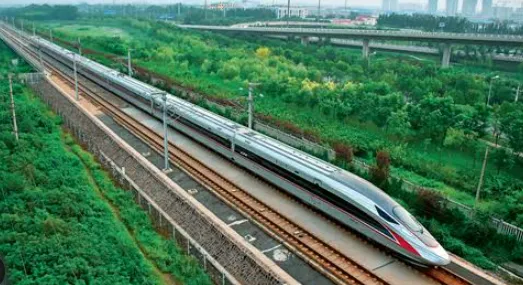
22 Essential Facts About Train Travel in China
1. China Boasts the World's Longest High-Speed Rail Network
By the end of 2026, the total length of China’s high-speed tracks has officially surpassed the 50,000 km (31,000 miles) milestone. To put that in perspective, that is enough track to circle the Earth at the equator with plenty to spare.
China currently operates roughly 70% of the world’s total high-speed rail. The expansion has been fueled by the "Eight Vertical and Eight Horizontal" plan, a massive national grid designed to connect every major city in the country.
-
World’s Longest Single Line: The Beijing–Guangzhou HSR remains the longest high-speed line in the world at 2,298 km (1,428 miles). What used to be a 22-hour journey now takes about 8 hours.
-
Massive Coverage: The network now reaches over 95% of Chinese cities with a population of over 500,000.
2. High-Speed Trains Reach Speeds up to 350 km/h
While 350 km/h (217 mph) has been the standard top speed for China’s "Fuxing" (Rejuvenation) trains for several years, the technology has reached a significant turning point as of late 2026. China is currently transitioning to an even faster tier of rail travel.
Since 2017, the CR400 Fuxing models have operated at a sustained commercial speed of 350 km/h on major trunk lines, such as the Beijing–Shanghai and Beijing–Guangzhou routes.
-
Efficiency: At this speed, the 1,318 km trip between Beijing and Shanghai takes just 4 hours and 18 minutes.
-
Stability: These trains are famous for their "coin test," where a coin can remain balanced on its edge on a window sill even while the train is at full speed.
As of December 2026, China is preparing to launch the CR450, the next generation of high-speed trains designed to push commercial speeds to 400 km/h (248 mph).
-
Trial Success: In recent 2026 pre-service trials on the Shanghai–Chongqing–Chengdu line, the CR450 reached a record-breaking test speed of 453 km/h (281 mph).
-
Technological Gains: The CR450 is roughly 50 tons lighter than its predecessor and features a 15-meter nose cone (2.5 meters longer) to reduce air resistance. It can accelerate from 0 to 350 km/h in just 4 minutes and 40 seconds.
-
Commercial Rollout: Full commercial operations for the 400 km/h tier are expected to begin in 2026, with the Chengdu–Chongqing section being a primary candidate for the first high-speed service.
While wheeled trains are reaching their aerodynamic limits, China is investing heavily in Magnetic Levitation (Maglev) technology:
-
Shanghai Maglev: Still the world's fastest commercial train, reaching 430 km/h on its route to Pudong Airport.
-
600 km/h Maglev: In July 2026, China officially unveiled its self-developed 600 km/h high-speed maglev at the UIC World Congress in Beijing. This train is intended to bridge the speed gap between high-speed rail (400 km/h) and commercial aviation (900 km/h).
3. High-speed trains are labeled “G”, “D”, or “C”, while traditional trains use letters like Z, T, or K.
High-Speed & Bullet Trains (Modern): These trains run on dedicated high-speed tracks and use Electric Multiple Unit (EMU) technology.
| Prefix | Name (Pinyin) | Max Speed | Description |
| G | Gaosu (High-Speed) | 350–400 km/h | The flagship "Fuxing" trains. They connect major provincial capitals and have the fewest stops. |
| D | Dongche (Bullet) | 200–250 km/h | Usually used for regional routes or overnight long-distance "Sleeper Bullets" (Dongwo). |
| C | Chengji (Intercity) | 160–350 km/h | Short-distance shuttles between neighboring cities (e.g., Beijing to Tianjin). |
Traditional & "Slow" Trains (Conventional): These trains run on older, "ballasted" tracks and are often preferred by budget travelers or those heading to remote regions like Tibet or Xinjiang.
-
Z (Zhida - Direct Express): The fastest of the traditional trains (160 km/h). They usually only stop at major provincial hubs and are mostly comprised of sleeper carriages.
-
T (Tekuai - Express): Slower than Z (140 km/h), stopping at more cities. These are the classic "blue" or "white" long-haul trains.
-
K (Kuaisu - Fast): The "green trains" (120 km/h). They stop at almost every significant town. While slower, they offer a very authentic, social travel experience.
-
4-Digit Numbers: These have no letter prefix and are the slowest "commuter" trains, stopping at every tiny village station.
- China Train Guide: High-Speed & Conventional Rail
4. Passport is Required for Boarding Under Real-Name Policy
Under China’s Real-Name Policy, your physical passport is the most important item in your travel kit. As of December 2026, the system has fully transitioned to a "Passport-as-Ticket" model.
The Physical Passport is Mandatory
While China is highly digitized, you cannot use a digital photo, a photocopy, or a scan on your phone to board a train.
-
No Exceptions: You must present the original, physical passport at every checkpoint.
-
Condition: Ensure your passport is not severely damaged, as the machine-readable zone (the two lines of text at the bottom of the bio-page) must be scannable by the automated gates.
The "Two-Gate" Process
From the moment you arrive at the station until you reach your seat, your passport will be checked at two distinct "gate" stages.
-
Stage 1: Station Entrance (ID + Security): Before entering the waiting hall, you must pass an ID check. You scan your passport to prove you have a ticket for a train departing from that station on that day.
-
Stage 2: Boarding Gate (The Platform): When your train is called (usually 15–20 minutes before departure), you scan your passport again at the gate assigned to your train number (e.g., Gate 12A).
Why You Need Your Passport on the Train?
Once you are in your seat, don't bury your passport deep in your luggage.
-
Conductor Checks: Conductors use handheld devices that show a real-time map of which seats are sold. If they see you in a seat that their screen says is "occupied," they may ask to see your passport to verify you are the registered passenger.
-
Station Exit: You will need to scan your passport one last time at the exit gates of your destination station to leave.
Important Note: If you are traveling on the 10-day (240-hour) Visa-Free Transit, keep your Temporary Entry Permit (the sticker or stamp you received at the airport) inside your passport. While the train system only needs your passport number, railway police or hotel staff may ask to see your entry stamp to verify your legal stay.
5. The 12306 Platform is King (The Official Digital Hub)
In 2026, the Railway 12306 platform has officially evolved from a simple ticketing site into a "Super-App" that functions as the backbone of travel within China.
While third-party apps like Trip.com are great for UI and English support, 12306 is the "King" because it is the source of truth. If you're traveling in China this year, here is why that hub status is more relevant than ever.
Why 12306 Reigns Supreme in 2026
-
Zero Fees & Real-Time Availability: Unlike agents, 12306 charges exactly the face value. It also has "priority" for the Standby (Waitlist) feature, which automatically grabs tickets the second they are refunded—something third-party "boosters" often struggle to match.
-
Massive Passenger Limits (New for Oct 2026): A major update late this year increased the number of passengers you can add to a single account from 15 to 30. You can now also book up to 19 tickets in a single order, making it the ultimate tool for families or small groups.
-
The "Digital-Only" Mandate: As of October 1, 2026, China has transitioned to fully digital ticketing. Your passport is your ticket. The 12306 app is now the primary place to manage your digital travel vouchers and request e-invoices for reimbursements.
-
Integrated Multi-Modal Travel: The 12306 app isn't just for trains anymore. It now includes official "Direct Stores" for airlines, buses, and hotels, allowing you to plan a "Train + Air" or "Train + Bus" journey without leaving the ecosystem.
The 2026 "Power User" Setup
If you are using the app as a foreign traveler, here is the current optimal setup:
| Feature | 2026 Status | Pro-Tip |
| Registration | Email-only is now standard for the English version. | You no longer need a Chinese phone number to sign up. |
| Verification | Photo-based via the app. | Upload a clear photo of your passport bio-page. Approval usually takes 24–72 hours. |
| Payment | Wide acceptance. | Supports International Credit Cards (Visa/Mastercard), Alipay, and WeChat Pay. |
| Dining | "High-Speed Rail Meal" tab. | You can order local specialties (like KFC or local dim sum) to be delivered to your seat at specific stations. |
Pro-Tips for the 12306 Hub
-
The Waitlist Strategy: If a train is "Sold Out," use the Standby (候补) feature. It requires identity verification, but it has a success rate of over 80% for most routes.
-
Station Layouts: The app now provides 3D indoor maps for major hubs like Shanghai Hongqiao or Beijing South, which is a lifesaver for finding your gate in 10 minutes.
-
Group Booking (New): For groups of 20+, you can now dial the 12306 hotline and press "9" for English to access a dedicated group booking service that isn't available to individual users.
6. Understanding Seat Classes (From Budget to Business)
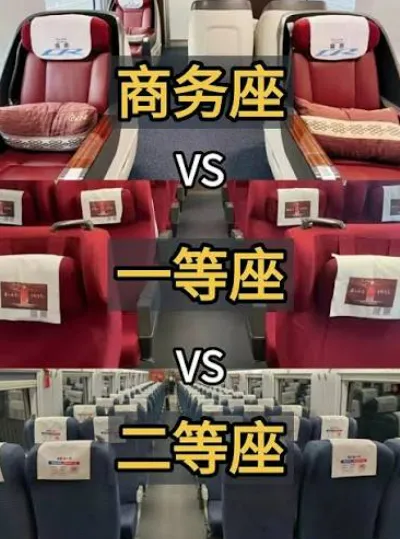
Choosing the right seat class in China is less about "avoiding the bad" (as even Second Class is modern and clean) and more about "paying for space and silence." As of late 2026, the gap between the budget and luxury tiers has widened with the introduction of "Premium" cabins. Here is the breakdown of your options on High-Speed (G, D, C) and Traditional (Z, T, K) trains.
High-Speed Rail (The Modern Standard)
-
Business Class (商务座)
-
Layout: 1-1 or 1-2 configuration (only 5–15 seats per carriage).
-
The Experience: Seats recline 180° into full flatbeds. You get a dedicated lounge at the station, priority boarding with an escort, free hot meals, and a "care kit" (slippers, earplugs, eye mask).
-
Best For: Long 4+ hour trips where you need to sleep or work in total silence.
-
-
Premium First Class (优等座 / 商务区)
- Layout: 2-2 configuration.
-
The Experience: Introduced heavily in 2024–2026 on the newest Fuxing models. These are "eggshell" seats that offer more privacy and recline further than First Class, but do not go fully flat like Business.
-
Best For: Travelers who want luxury but found Business Class sold out (which happens quickly).
-
First Class (一等座)
-
Layout: 2-2 configuration.
-
The Experience: Wider seats and significantly more legroom than Second Class. It is generally much quieter, as families and large groups tend to book Second Class.
-
Best For: A "middle-ground" splurge; ideal if you are traveling with large luggage, as the luggage racks are less crowded.
-
-
Second Class (二等座)
-
Layout: 2-3 configuration.
-
The Experience: The "Standard" choice. It is comparable to Premium Economy on an international flight. You have a tray table, power outlets (now including USB-C on 2026 models), and decent recline.
-
Best For: Almost everyone. It is the best value for your money.
-
Sleeper Trains (For Long Distances)
-
New High-Speed Sleepers (纵向卧铺)
-
Available on select overnight D-prefix trains (e.g., Beijing to Shanghai/Shenzhen).
-
The Look: These are "capsule" or "pod" style beds where the berths are arranged lengthwise along the train. Each pod has its own window, USB ports, and a privacy curtain.
-
-
Soft Sleeper (软卧)
- Layout: 4 berths per private compartment (Upper and Lower).
-
Features: A lockable door, individual reading lights, and generally thicker mattresses.
-
Note: If you don't book all 4 beds, you will be sharing the room with strangers.
- Layout: 4 berths per private compartment (Upper and Lower).
-
Hard Sleeper (硬卧)
- Layout: 6 berths in an open-bay area (Upper, Middle, Lower).
-
Features: No door. It is highly social and a great way to see local life, but can be noisy.
-
The "Lower" Berth Tip: Always try to book the Lower Berth (下铺). It is the most expensive of the three but allows you to sit upright during the day; on the Middle and Upper berths, there isn't enough head space to sit up.
- Layout: 6 berths in an open-bay area (Upper, Middle, Lower).
- China Sleeper Trains guide
7. Tickets Go on Sale 15 Days in Advance
High-demand routes sell out fast, especially during holidays like National Day. Use apps like 12306 (official, no fees) or Trip.com (user-friendly for foreigners, with a small fee) to book early.
The 15-Day Window Explained
-
Standard Release: Tickets for almost all trains (G, D, C, Z, T, K) go on sale exactly 15 days before the departure date at a specific time.
-
Release Times: Not all tickets are released at midnight. Every station in China has its own specific release time (e.g., Beijing West might release at 8:00 AM, while Shanghai Hongqiao releases at 1:30 PM).
-
Station Priority: Tickets for the entire journey (from the starting station to the final terminus) are prioritized. If you are trying to book a "middle" segment of a long-haul route, the system may hold those seats back until closer to the date.
The "Pre-Fill" Strategy (New for 2026)
To combat the "sold out in seconds" phenomenon, the 12306 English App now features a Pre-fill (购票信息预填) tool.
-
How it works: 1–2 days before the 15-day window opens, you can select your train, seat class, and passengers and "save" the order.
-
The Launch: When the clock hits the release time, you simply tap "Submit" instead of manually entering all details. This can save the 30 seconds that often make the difference between a seat and a waitlist.
The "Standby" (候补) System: Your Best Friend
If you miss the 15-day window and the train shows as "Sold Out," do not give up.
-
Waitlist Success: The official Standby feature has a success rate of over 80% on most routes in 2026.
-
How it works: You pay for the ticket upfront. If someone cancels or if the railway adds extra carriages (common during peak times), the system automatically issues you a ticket based on your place in the queue.
-
2026 Limits: You can now have up to 6 standby orders simultaneously, each covering up to 3 different dates and 60 different train numbers.
Peak Holiday Exceptions (2026-2026)
During major holidays, the 15-day rule becomes a national event. Mark these dates if you are traveling:
-
Chinese New Year (Spring Festival): For the Jan 2026 rush, expect "G" trains to sell out within 1 minute of release.
-
National Day (Golden Week): Usually the first week of October.
-
Summer Rush: July and August are busy with student travel; "Hard Sleeper" beds on traditional trains are particularly hard to get during this time.
Third-Party "Early" Booking
Apps like Trip.com or Klook allow you to "book" months in advance.
-
The Reality: They cannot actually buy the ticket until the 15-day window opens. They are simply acting as an automated bot that will attempt to buy the ticket for you the millisecond it becomes available.
-
Benefit: It’s "set it and forget it."
-
Risk: There is no 100% guarantee they will be faster than you using the 12306 Pre-fill tool.
| Strategy | Best For... | Success Rate |
| 12306 Pre-fill | Savvy travelers wanting control. | High (if on time) |
| Third-Party Early Booking | Stress-free planning. | Moderate |
| Standby (Waitlist) | Sold-out routes. | Surprisingly High |
| Manual Window | Last-minute changes. | Low |
8. Security is Airport-Style
When people say security in Chinese train stations is "airport-style," they aren't exaggerating. Security screening is required, including luggage X-ray and metal detectors.
The Three-Step Screening Process
Expect to go through these steps in this exact order at almost every major station:
-
Step 1: ID & Ticket Verification: You must scan your passport to even enter the station building. Since there are no more paper tickets, the system checks your passport against the 12306 database to ensure you have a booking for that day.
-
Step 2: Luggage X-Ray: All bags—including small purses and laptop bags—must go through the X-ray machine.
-
Step 3: Personal Scan: You will walk through a metal detector. On the other side, a security officer will perform a quick "wand" scan and a manual pat-down. Unlike at airports, you do not usually need to remove your shoes, belt, or light jacket unless the alarm triggers.
Forbidden & Restricted Items (2026 Rules)
The list of prohibited items is strict. If security finds these, they will be confiscated on the spot (they usually won't let you go back out to "mail" them to yourself).
| Item Category | 2026 Rule |
| Aerosols (Sprays) | Max 150ml per bottle (e.g., hairspray, sunscreen spray). Total combined limit is 600ml. |
| Liquids (Perfume) | Flammable liquids like perfume or nail polish are limited to 100ml per bottle. |
| Alcohol | Must be sealed/labeled (24%–70% ABV). Limit: 3,000ml total. Bulk/open alcohol is banned. |
| Power Banks | Maximum capacity of 100Wh (approx. 27,000mAh). The capacity must be clearly printed on the device. |
| Knives | All "sharp tools" (fruit knives, scissors over 60mm, multi-tools) are prohibited in carry-on. |
| Batteries | Lithium batteries for electric scooters/skateboards are generally banned. |
Timing Your Arrival
In 2026, stations are larger and more crowded than ever.
-
Normal Days: Arrive 45–60 minutes before your train departs.
-
Peak Travel (Weekends/Holidays): Arrive 90 minutes early.
-
The 5-Minute Rule: Boarding gates strictly close 5 minutes before the train's departure. If you are still in the security line 10 minutes before departure, you will likely miss your train.
Pro-Tips for Foreign Travelers
-
The Manual Lane (人工通道): If the automated passport scanners at the entrance are acting up, look for the "Manual Lane" at the far right or left. It is often faster for foreign passports.
-
Laptops & Tablets: Unlike at many airports, you usually do not need to take your laptop out of your bag for the X-ray unless specifically asked.
-
Power Bank Accessibility: Keep your power bank in an easy-to-reach pocket. If the security team can't see the "100Wh" label clearly, they may spend extra time inspecting it.
9. Luggage Policy is Strict but Lenient
The phrase "Strict but Lenient" is the perfect way to describe China's railway luggage policy. While there are hard numbers written in the rulebooks, the actual experience on the platform is governed by a simple principle: If you can carry it yourself and it fits through the X-ray machine, you’re usually fine.
The Official Limits (The "Strict" Part)
Technically, every passenger has a free allowance. If you are caught with obviously commercial quantities of goods, staff could enforce these:
| Passenger Type | Weight Limit | Size Limit (G/D/C Trains) | Size Limit (Z/T/K Trains) |
| Adult | 20 kg (44 lbs) | Total dimensions ≤ 130 cm | Total dimensions ≤ 160 cm |
| Child | 10 kg (22 lbs) | Total dimensions ≤ 130 cm | Total dimensions ≤ 160 cm |
| Diplomat | 35 kg (77 lbs) | Total dimensions ≤ 130 cm | Total dimensions ≤ 160 cm |
-
Rod-shaped items: Can be up to 130 cm on high-speed trains and 200 cm on traditional trains.
-
Prohibited: Bicycles must be disassembled and packed. Large musical instruments (like a cello) may technically require a separate ticket, though this is rarely enforced if you are in a less-crowded carriage.
The Practical Reality (The "Lenient" Part)
In practice, staff almost never weigh or measure your bags. The X-Ray Test: As long as your bag fits through the airport-style X-ray scanner at the station entrance, you are clear.
-
The "Can You Carry It?" Rule: If you can physically manage your luggage through the gates and onto the train without blocking the aisles, nobody will stop you. It is common to see travelers with two large 28-inch suitcases and a backpack.
The 2026 "Travel Light" Service (New)
A major update in mid-2026 was the expansion of the "Easy Travel" (便捷取送) service within the 12306 app.
-
What it is: A door-to-station or station-to-door delivery service.
-
Cost: Usually around ¥68–¥98 per piece.
-
How it works: You can book it on the 12306 app. A courier picks up your heavy bags from your hotel and delivers them either to a locker at your departure station or directly to your hotel at the destination. This is now available at over 20 major hubs, including Beijing, Shanghai, Hangzhou, and Chengdu.
Where to Put Your Bags on the Train
Space is first-come, first-served. If you board late, you may struggle to find a spot.
-
Overhead Racks: Best for "carry-on" sized bags (up to 24 inches).
-
Closets at Car Ends: Most high-speed carriages have a large multi-tier rack at one end for 28-inch+ "check-in" sized suitcases.
-
Behind the Last Row: There is a gap between the last row of seats and the wall. This is a "secret" spot for oversized items or strollers.
-
Under the Seat: On G-trains, the space is tight, but a slim backpack will fit. On traditional "K" or "T" trains, there is significantly more room under the seats for large bags.
Pro-Tips for Heavy Luggage
-
The "Red Cap" Porters (小红帽): If you have too many bags, look for staff in red caps/vests. For about ¥10–¥20 per bag, they will take your luggage through a priority entrance and put it on the train for you before general boarding begins. This is the ultimate "hack" to guarantee luggage space.
-
Station Storage: Almost all stations have a "Left Luggage" (行李寄存) counter or electronic lockers. In 2026, these lockers usually require a WeChat or Alipay scan to pay and open.
10. The Waiting Room System (Allocated Boarding)
Stations are organized by large waiting rooms, each dedicated to several trains. Check the electronic boards or your ticket to find your designated waiting room (候车室 hòu chē shì) before the boarding announcement is made.
Finding Your "Home Base"
Once you clear security, you will enter a vast hall with rows of seats and digital boards.
-
The Master Board: Look for the giant LED screens. Find your Train Number (e.g., G123). It will list your Boarding Gate (检票口) number and the Status (Waiting, Boarding, or Late).
-
The "Gate" is the Waiting Area: Unlike airports, you don't go to a specific "room." You simply find the gate number (e.g., Gate 14) and sit in the seats directly in front of it.
-
12306 App Sync: In 2026, your app will send a push notification about 20 minutes before boarding begins, telling you exactly which gate to go to.
Decoding "Gate A" vs. "Gate B"
This is the most frequent point of confusion for travelers. You will often see a gate numbered 14A and 14B.
-
Same Train, Different Ends: Both gates lead to the same platform and the same train.
-
The Logic: Gate A usually leads to the front half of the train (Carriages 1–8).
-
Gate B usually leads to the back half of the train (Carriages 9–16).
-
-
Why it matters: High-speed trains are up to 400 meters long. If your seat is in Carriage 15 but you enter through Gate A, you will have to walk the length of four football fields on the platform with your luggage. Check your carriage number on the app before you line up.
The Boarding Timeline (Strictly Enforced)
Boarding is a precisely timed operation.
-
Start: Usually 15–20 minutes before departure. The status on the board will change to green (正在检票 - Boarding).
-
End: Gates close strictly 3–5 minutes before the train pulls out. If you are not through the gate by then, the machine will lock, and the staff will not open it for you, even if the train is still sitting there.
-
The Arrival: Most trains only stop at intermediate stations for 2–3 minutes. You must be standing on the platform, ready to jump on as soon as the doors open.
Navigating the Boarding Gate
As a foreign traveler in 2026, you have two options at the gate:
-
The Automated Passport Gate: Look for the gate with the blue passport icon. Scan your bio-page face-down. If it recognizes your face and ticket, the glass wings will open.
-
The Manual Lane (Recommended): If there is a crowd or your passport is older, walk to the very end of the row of gates. There is always a staffed manual lane. Simply show your passport; they will scan it with a handheld device and let you through. This is almost always faster than struggling with the machine.
Amenities in the Waiting Hall
-
Free Water: Look for the Hot Water (开水) dispensers. In 2026, these also provide room-temperature filtered water.
-
Charging Stations: Most seats now have USB-C ports, though they are often occupied. Look for "Charging Poles" near the shops.
-
Food: The "Mezzanine" level (usually 3F) is where the restaurants (KFC, McDonald's, and local noodle chains) are located.
11. Stations are Massive and Modern
Describing Chinese train stations as "massive" is an understatement. They have evolved into Integrated Transport Hubs (ITH)—architectural marvels that function more like self-contained "mini-cities" than transit stops.
The Scale: Beyond Grand Central
China’s newest stations are built to a scale rarely seen elsewhere.
-
Chongqing East (Opened June 2026): Currently the world’s largest, it is roughly five times the size of New York’s Grand Central Station. It features 15 platforms and 29 tracks, handling millions of passengers annually.
-
Guangzhou Baiyun (World's Most Beautiful 2026): Recently awarded the Prix Versailles for its design, it looks like a glowing "cotton flower" and integrates six subway lines and three bus terminals into one building.
-
The "Airport Model": Most modern stations (like Shanghai Hongqiao or Beijing South) use a vertical layout:
-
2F/3F: Departure & Waiting Hall (Massive open concourse).
-
1F: Train Platforms.
-
B1/B2: Arrivals, Taxi Hubs, and Metro Connections.
-
The "Station-City" Concept
In 2026, you don't just "wait" for a train; you visit a destination.
-
Shopping Malls: Major hubs now feature full-scale shopping malls inside the waiting area, with international brands (Nike, Apple) alongside traditional tea shops.
-
Dining Variety: Expect a mix of global fast food (KFC, McDonald's, Starbucks) and high-end local dining. In 2026, many stations also have "Robot Chefs" in specialized noodle stalls that prepare meals in under 90 seconds.
-
Green Architecture: The newest stations use "Intelligent Climate Control" and solar-paneled roofs (like at Chongqing East) to stay energy-efficient while maintaining a comfortable 24°C year-round.
Navigating the Modern Hub
Because these stations are so large, they can be intimidating. Here’s how to handle the size:
-
English Signage: Signage is excellent and trilingual (Chinese, English, and often Pinyin). Look up; the hanging signs will guide you to "Arrivals," "Metros," and "Exit."
-
The 15-Minute Walk: In a station like Shanghai Hongqiao, walking from the Taxi Drop-off to a gate at the far end of the hall can take 15 full minutes. Never arrive "just in time."
-
Smart Toilets: Most 2026 hubs have digital screens outside restrooms showing which stalls are occupied (Green/Red icons) to manage queues during peak travel.
-
Business Class Lounges: If you have a Business Class ticket, look for the "Business Lounge" (商务座候车区). These are quiet, carpeted areas with free snacks, drinks, and a dedicated passage that lets you skip the main boarding queue.
Seamless Transfers (Air-to-Rail)
A major 2026 trend is the "one-stop" transfer.
-
Shanghai East (Upcoming): Currently completing construction, this hub will sit just 5km from Pudong Airport with a dedicated "Aviation Module," allowing travelers to check their bags at the train station and have them sent directly to their flight.
-
Metro Integration: You almost never have to leave the building to find the subway. Follow the "Metro" (地铁) signs to the basement levels (B1/B2).
12. Free Hot Water is Universal (Bring Your Own Noodles/Tea)
Every passenger car, on both HSR and conventional trains, is equipped with a free boiling hot water dispenser. This is essential, as instant noodles (a popular snack) and tea are common train food staples. Bring your own reusable mug or thermos.
The "Hot Water" Culture
In China, drinking hot water is a deeply ingrained health habit, but for travelers, these dispensers serve three main purposes:
-
Instant Noodles (Pao Mian): The unofficial "national dish" of the Chinese railway.
-
Tea: Many passengers carry transparent glass thermoses filled with tea leaves, topping them up throughout the journey.
-
Infant Care: Vital for parents to prepare formula or sterilize bottles.
Modern 2026 Facilities
-
High-Speed (G/D Trains): The dispensers are usually sleek, wall-embedded units located near the bathrooms at the end of each carriage. They feature a safety lock (usually a red button you must press before the "Dispense" button works) to prevent accidental burns.
-
Temperature: The water is typically kept at 90°C to 100°C. On newer "Smart Fuxing" models, you may also find a room-temperature option, but "cold" water is still almost never provided for free.
-
Traditional (Z/T/K Trains): These use the classic "hot water furnace" style. A red light means it's still heating; a green light means it's ready.
The "Instant Noodle" Debate of 2026
While you can still bring and eat instant noodles, 2026 has seen a push for "odor-free travel."
-
Station Sales Ban: Several major hubs, including Guangzhou South and Shanghai Hongqiao, have removed cup noodles from their convenience store shelves to discourage people from eating them in the highly enclosed, recirculated air of high-speed carriages.
-
On-Board Discouragement: You are allowed to bring your own, but staff may gently suggest eating them in the Dining Car if the carriage is crowded, as the smell can be quite strong in a sealed train moving at 350 km/h.
Important Safety Rules (Late 2026)
[!CAUTION] Self-Heating Meals are strictly BANNED. > "Self-heating hot pots" or rice bowls that use a chemical heat pack are prohibited on all trains. The steam they release is hot enough to trigger sensitive smoke alarms, which can cause the train to automatically apply emergency brakes. If you trigger this, you could face a heavy fine and a temporary ban from the rail system.
13. Dining Car & Food Service (Varied Quality)
High-speed trains feature dining cars and mobile carts that pass through the aisles selling bento boxes (meal boxes), snacks, and drinks. The quality is acceptable but generally overpriced; packing your own food is highly recommended.
The Dining Car (餐车)
On most high-speed trains (G and D trains), the dining car is located in Carriage 5 or 9.
-
The Atmosphere: It’s a small standing or sitting area with a counter. In 2026, many "Smart Fuxing" trains have replaced traditional seating with bar-style counters to save space.
-
The Menu: You can buy coffee (often freshly ground), tea, beer, and a variety of snacks (dried fruits, nuts, and chips).
-
Hot Meals: They sell pre-packaged boxed meals (He Fan). Prices are tiered to be accessible:
-
Economy: ¥15–¥30 (basic rice and vegetables).
-
Standard: ¥40–¥50 (more meat and variety).
-
Premium: ¥65+ (often features regional specialties like Kung Pao Chicken or Cantonese BBQ).
-
-
Payment: Only Alipay, WeChat Pay, or Cash (CNY) are accepted. International credit cards rarely work at the physical counter.
Seat-Side Delivery (The 2026 Standard)
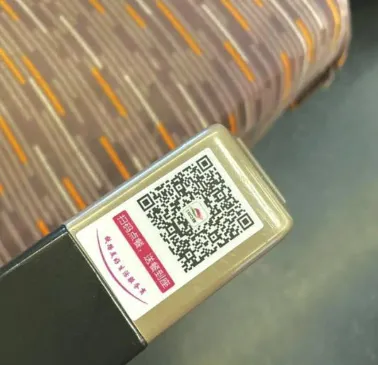
The most popular way to eat on a train now is ordering via the 12306 App or by scanning the QR code on your armrest.
-
How it works: You can order from restaurants located at major stations along your route (e.g., KFC, McDonald's, or local noodle chains).
-
The Process: 1. Order at least 1 hour before the train arrives at that station. 2. Station staff pick up your food and hand it to the train crew. 3. An attendant brings it directly to your seat while the train is moving at 350 km/h.
-
Delivery Fee: Usually around ¥8, and some restaurants have a minimum order amount.
The Food Trolley
If you don't want to get up, a staff member pushes a trolley through the aisles every 30–60 minutes.
-
What they sell: Boxed meals, bottled water, packaged fruit, and ice cream.
-
The "Noodle Walk": They also sell cup noodles, though as mentioned, some regions have started limiting station sales of these to reduce odors in the cabin.
2026 Quality Update
In July 2026, the railway group introduced 79 new meal options specifically for the Yangtze River Delta (Shanghai/Hangzhou/Nanjing area) to improve quality. This includes:
-
Light Meals: Salads and grain bowls for health-conscious travelers.
-
Children's Sets: Nutritiously balanced meals with "fun" packaging.
-
Local Flavors: Routes now feature dishes specific to the cities they pass through (e.g., Braised Pork in Shanghai or Spicy Tofu in Sichuan).
14. Toilets Vary by Train Type
The "toilet challenge" is still a major talking point for foreign travelers, but the system has become more predictable. While the Squat Toilet remains the national standard, knowing where the "hidden" Western toilets are can turn a stressful trip into a comfortable one.
The High-Speed Strategy (G, D, C Trains)
High-speed trains are designed for international standards, but the types of toilets are distributed alternately.
-
The Alternating Rule: If the bathroom at the end of your carriage is a squat toilet, the one at the other end of the same carriage (or the start of the next) is almost certainly a Western-style (sitting) toilet.
-
The "Carriage 5" Secret: On nearly all 8-car and 16-car high-speed trains, Carriage 5 contains the Barrier-Free / Accessible Restroom. This is a large, private room with a Western-style toilet, baby-changing table, and automatic doors. It is the gold standard for travelers who struggle with squatting.
-
The Indicator Lights: Don't walk the whole train for nothing. Look at the electronic display at the end of your aisle. A Green figure means vacant; Red means occupied.
The Traditional Train Reality (Z, T, K Trains)
On these "Green Trains," the challenge is significantly higher.
-
Squatting is Standard: Expect 95% of toilets to be squat-style.
-
Soft Sleeper Bonus: If you are in a Soft Sleeper carriage, there is usually one Western toilet at the end of the hall. If you are in Hard Seat or Hard Sleeper, Western toilets are extremely rare.
-
The "Station Lock": Older trains still discharge waste directly onto the tracks. Toilets will be locked 15 minutes before reaching a station and remain locked until the train is moving again. Plan your morning routine accordingly!
Survival Kit for 2026
Even on modern trains, supplies can run out mid-journey. Always pack these three items:
-
Tissue/Toilet Paper: High-speed trains provide it, but they often run out by the middle of a 5-hour trip.
-
Hand Sanitizer: While most high-speed sinks have soap dispensers, they are often empty or use a "mist" that doesn't feel effective.
-
Disinfecting Wipes: If you are using a Western-style toilet, a quick wipe of the seat is a common practice for peace of mind.
Technical Skills: How to "Lock and Flush"
The mechanisms have become quite high-tech in 2026:
-
Manual Locks: On many trains, simply closing the door isn't enough. You must manually turn the knob/latch to the Red position to engage the lock and turn the exterior indicator to "Occupied."
-
Vacuum Flush: High-speed trains use a loud vacuum system (like an airplane). Look for a large Blue or Green button—sometimes it requires a "long press" of 2 seconds to activate.
-
The SOS Button: Be careful not to press the Red SOS button by mistake! It is often located near the flush button and will summon the train conductor immediately.
| Train Type | Cleanliness | Western Toilet Availability | Paper Provided? |
| High-Speed (G/D) | ⭐⭐⭐⭐⭐ | High (at least 1 per 2 cars) | Yes (usually) |
| Soft Sleeper | ⭐⭐⭐⭐ | Moderate (1 per car) | No (bring your own) |
| Hard Sleeper | ⭐⭐⭐ | Very Low (Squat only) | No |
| Hard Seat | ⭐⭐ | Zero | No |
15. Smoking is Strictly Prohibited on High-Speed Trains
Smoking on China's high-speed rail network is not just a policy—it is a matter of national transport safety. As of late 2026, the enforcement is tighter than ever, and the penalties for "lighting up" can derail your entire travel itinerary.
The Zero-Tolerance Rule
-
High-Speed (G, D, C Trains): Smoking is strictly prohibited in all areas, including the seating cabins, the vestibules between cars, and the bathrooms.
-
Vaping/E-Cigarettes: The ban was officially clarified in early 2026 to include vaping. E-cigarettes are treated exactly like traditional tobacco because their vapor can trigger the sensitive smoke detectors on board.
The Alarm System (Emergency Braking)
Every high-speed train is equipped with a dense network of smoke sensors.
-
The Response: If smoke is detected (even in a bathroom), an alarm sounds in the driver's cabin. On newer Smart Fuxing models, the train may automatically apply emergency brakes or significantly reduce its speed to 90 km/h for safety.
-
The Chaos: A single cigarette can cause a massive chain reaction of delays for dozens of other trains on the line.
Penalties in 2026: The "Blacklist"
If you are caught smoking, you face more than just a slap on the wrist.
-
Fines: Standard fines range from ¥500 to ¥2,000 (approx. $70–$280).
-
The Travel Ban: Under the current "Social Credit" regulations for transport, offenders are typically placed on a Rail Travel Blacklist. This bars you from purchasing any train tickets in China for 180 days.
-
Detention: In cases where your smoking caused a significant emergency stop or safety risk, you can be detained by the Railway Police for 5 to 15 days.
Where Can You Smoke?
If you are a smoker, you have only two legitimate options:
| Location | Rules & Realities |
| Traditional Trains (Z, K, T) | Smoking is still permitted in the open-air connection areas between carriages. However, by late 2026, more "Z" (Direct Express) trains are becoming fully enclosed and smoke-free. Look for the ashtrays; if they are sealed, smoking is banned. |
| Station Platforms | During intermediate stops, you can step onto the platform to smoke. Warning: High-speed stops are often only 2 minutes. If the "All Aboard" whistle blows and you are mid-cigarette, the doors will close and the train will leave without you. |
16. Limited Onboard Wi-Fi (Rely on 4G/5G)
While some newer HSR trains claim to offer Wi-Fi, the connection is often slow and unreliable, particularly for foreign devices. Do not rely on it for work or streaming. Use a local SIM card (or eSIM) to access stable 4G/5G, which works well in most tunnels and across the network.
The Wi-Fi Login Barrier
Most high-speed trains (G and D prefixes) now offer "Free Wi-Fi," but it is designed primarily for the domestic market.
-
The SMS Catch: To access the Wi-Fi, you usually have to connect to the "高铁WiFi" (High-Speed Rail WiFi) network, which then redirects you to a login page. This page almost always requires a Chinese mobile phone number to receive a verification SMS code.
-
The Foreign Number Problem: In many cases, the login portal does not support international country codes (like +1 for the US or +44 for the UK). If you don't have a local SIM, you likely won't get past the splash screen.
-
The 12306 Integration: If you have the 12306 app installed and authenticated, some "Smart Fuxing" trains allow you to log in to the Wi-Fi directly through the app without an extra SMS, but this remains inconsistent.
Why 4G/5G is More Reliable
China has made massive investments in 5G-A (5G Advanced) coverage along rail corridors. As of late 2026, signal coverage is nearly 100% even on rural routes, with one major exception: Tunnels.
-
The Tunnel Drop: Despite "Digital Twin" signal technology, the connection can still flicker or drop entirely when traveling through long tunnels in mountainous regions (like the routes to Guilin, Chengdu, or Kunming).
-
Speed: 5G on the train is often faster than the shared on-board Wi-Fi, which can become sluggish when 500 passengers are all trying to stream video at once.
The 2026 "Smart Fuxing" Experience
If you are lucky enough to be on an Intelligent EMU (智能动车组)—look for the "Smart" or "Intelligent" label on your ticket—you'll find the best tech:
-
Enhanced Signal: These trains have specialized signal boosters built into the window glass to help 5G penetrate the metal carriage.
-
USB-C Everywhere: Every seat in Second Class now has a dedicated USB-C port (in addition to the standard Chinese 3-prong outlet) so your devices won't die mid-stream.
17. Power Outlets are Available (But Bring an Adapter)
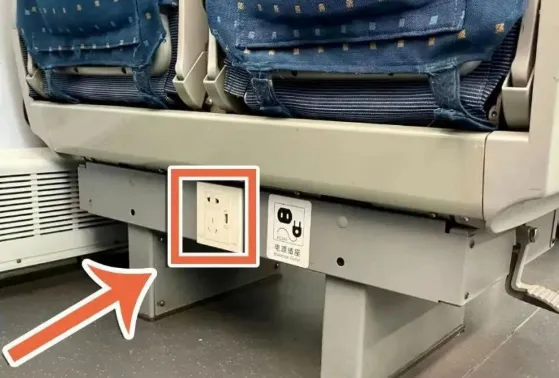
All HSR seats (First, Second, and Business Class) have power outlets (usually one per set of two seats). Conventional trains have limited outlets, typically only in the dining car or near the sink area. Bring a Chinese/Universal adapter (Type A, C, or I work in China).
Where to Find the Outlets
-
Second Class: Look under your seat (near your calves) or between the seat cushions. On newer Smart Fuxing trains, you’ll also find a USB-C port located on the back of the seat in front of you, right next to the tray table.
-
First Class: Outlets are usually located on the inner armrest or under the front of the seat.
-
Business Class: You typically have a dedicated "power station" in your side console, often including a wireless charging pad for your phone (new for late 2026 models).
-
Sleepers: On the new "Longitudinal" sleepers (where beds are parallel to the track), every bunk has a private 220V outlet and two USB ports next to the reading light.
The Hybrid Socket (The "Secret" for Americans/Europeans)
China uses a unique "Two-in-One" hybrid socket design that is actually very friendly to travelers:
-
The Top Slot: This is a universal ungrounded slot. It fits Type A (US/Canada/Japan 2-flat pins) and Type C (Europe 2-round pins).
-
The Bottom Slot: This is for Type I (Australia/China 3-flat pins).
Wait! Why do I still need an adapter? Even though your US or European 2-pin plug might fit the top slot, these outlets are often recessed or placed in tight spaces under the seat. A universal adapter provides a more secure connection so your heavy charger doesn't fall out when the train vibrates at 350 km/h.
Voltage Warning: The 220V Rule
This is the most important technical detail for 2026:
-
China's Voltage: 220V / 50Hz.
-
The "Check Your Brick" Test: Look at your charger (the "brick"). If it says "Input: 100-240V", you are safe.
-
The Danger Zone: Most phone and laptop chargers are dual-voltage, but hair dryers, curling irons, and electric shavers from the US/Canada (110V) will likely fry or catch fire if plugged directly into a Chinese train outlet. You would need a heavy voltage converter for these.
Power Pro-Tips
-
USB-C is Now Standard: On the newest "Intelligent" train models, the USB ports have been upgraded to USB-C Power Delivery, meaning you can charge your tablet or even some laptops directly from the port without using your bulky brick.
-
The "Heavy Brick" Problem: Because outlets are often under the seat, heavy MacBook-style power bricks can sometimes pull themselves out of the socket. Bringing a short extension cord or a lightweight GaN (Gallium Nitride) charger is a pro move.
-
The "Station" Charging: If you're stuck in a waiting hall, look for "Charging Poles". In 2026, these usually offer free 15-minute "Fast Charge" USB ports, though they often require you to watch a 30-second ad on your phone first.
18. Trains are Punctual, But Weather Can Cause Delays
Chinese high-speed rail remains one of the most punctual transport systems in the world, often outperforming airlines in reliability. However, as the network has expanded into more diverse climates, the impact of extreme weather has become more visible.
The Punctuality Standard
-
Near-Perfect Precision: Under normal conditions, trains depart and arrive within seconds of their scheduled time. If your ticket says 14:02, the train will start moving at exactly 14:02.
-
The 5-Minute Rule: Because of this precision, gates close 3 to 5 minutes before departure. There is no "running for the train" once the gate is locked; the system is automated and the staff cannot override it for latecomers.
Weather Vulnerabilities (2026 Trends)
While trains are more resilient than planes, 2026 has seen an increase in "Weather Alerts" that can trigger speed restrictions or cancellations:
| Weather Type | Impact on High-Speed Rail |
| Heavy Rain/Typhoons | Highest Risk. Extreme rainfall in the Southeast (Shanghai/Guangdong) can lead to track flooding or speed caps (e.g., dropping from 350 km/h to 200 km/h) for safety. |
| Strong Winds | High-speed trains are aerodynamic but sensitive to lateral gusts. In 2026, "Cold Vortexes" from the north have occasionally suspended services in the Beijing/Hebei area. |
| Extreme Cold/Snow | Most Fuxing trains are now "Cold-Resistant" (designed for -40°C), but heavy snow can still jam track switches, causing "cascading delays" across the network. |
| Heatwaves | Extremely high temperatures (above 40°C) can cause rail expansion. In 2026, "Intelligent Monitoring" systems may slow trains down during the hottest part of the day to prevent track warping. |
How to Track Delays in Real-Time
In 2026, the Railway 12306 App is your best friend for live updates:
-
On-Time/Delayed (正晚点查询): You can enter your train number and station to see a 3-hour window of real-time status.
-
Push Notifications: If your train is canceled due to weather, the app will send an immediate notification.
-
Station Screens: Giant LED boards in the waiting hall will change your train's status to "Late" (晚点) with an estimated arrival time in minutes.
What to Do if Delayed or Canceled
If weather strikes, the 2026 policy is very passenger-friendly:
-
Free Refunds: If a train is canceled due to weather, you are entitled to a 100% full refund with no service fee. You can usually process this directly in the 12306 app without going to a ticket window.
-
Automatic Rescheduling: You can often "change" your ticket to the next available train for free at the station's "Ticket Change" (改签) window or via the app.
-
Missed Connections: If a weather delay causes you to miss a connecting train on the same booking, the railway is obligated to get you on the next available train to your destination at no extra cost.
19. Avoid Peak Travel Seasons
China’s high-speed rail network is the largest in the world, but it can reach 100% capacity during major holidays, making it nearly impossible to book tickets even a millisecond after they go on sale. If you are planning a trip for 2026, here are the "Red Zones" you should mark on your calendar to avoid the crowds.
The "Big Three" Holidays to Avoid
These are the dates when hundreds of millions of people move at once. Expect sold-out trains, surging hotel prices, and "people mountain, people sea" (人山人海) at every tourist site.
| Holiday | 2026 Dates | Travel Impact |
| Chinese New Year (Spring Festival) | Feb 15 – Feb 23 | Extreme. The "Chunyun" rush starts Feb 2 and lasts 40 days. |
| Labor Day (May Day) | May 1 – May 5 | Very High. A popular 5-day window for domestic city-hopping. |
| National Day (Golden Week) | Oct 1 – Oct 7 | Extreme. The busiest week for pure tourism across the country. |
The 2026 "Shoulder" Holidays
These are shorter 3-day breaks. While not as chaotic as Golden Week, short-haul high-speed trains (e.g., Shanghai to Hangzhou or Beijing to Tianjin) will sell out instantly.
-
New Year's Day: January 1 – 3, 2026
-
Qingming (Tomb Sweeping): April 4 – 6, 2026
-
Dragon Boat Festival: June 19 – 21, 2026
-
Mid-Autumn Festival: September 25 – 27, 2026
The "Summer Rush" (July & August)
Even without a formal holiday, July and August are peak travel months due to school summer vacations.
-
The Crowd: Families flock to "bucket list" sites like the Great Wall, Xi'an's Terracotta Warriors, and Chengdu's Panda Base.
-
The Weather: This is also "Typhoon Season" in the south and "Furnace Season" in cities like Chongqing and Wuhan.
-
Advice: If you travel in summer, stick to higher-altitude regions like Yunnan or western Sichuan, which stay cooler.
When SHOULD You Go? (The "Sweet Spots")
If you want the best balance of available train seats, pleasant weather, and manageable crowds, aim for these windows:
-
Late March to Late April: Spring blossoms are out, and the "Qingming" rush is brief.
-
Late May to early June: This is the "Gaokao" (National Exam) period. Many families stay home so students can study, making travel surprisingly quiet.
-
September (Before the 25th): Excellent autumn weather and significantly fewer crowds than in October.
-
Late October to November: The "Golden Week" crowds have vanished, but the autumn colors are at their peak.
The "Anti-Flow" Hack
If you must travel during Chinese New Year (February 2026), go against the flow:
-
The Flow: People move from giant "tier-1" cities (Beijing, Shanghai, Shenzhen) back to their rural hometowns.
-
The Hack: Visit Shanghai or Beijing during the actual holiday days. These cities become "ghost towns" compared to their usual selves, and you can often find great deals on luxury hotels and easier-to-book local trains.
20. Train Travel is Cheaper and Greener Than Flying
China's high-speed rail (HSR) isn't just a convenient choice—it's often the smarter financial and environmental play. For journeys under 1,000 km, the train almost always wins on time and footprint.
The Carbon Math (The "Greener" Part)
Choosing the train is one of the most impactful personal climate decisions you can make while traveling in China.
-
Massive Emission Savings: In late 2026, taking a high-speed train in China produces roughly 30–40g of CO2 per passenger-kilometer. In contrast, a domestic flight emits approximately 285g.
-
The "85% Rule": Opting for rail over air travel reduces your journey's carbon footprint by roughly 85%.
-
Clean Energy Grid: By 2026, a significant portion of the electricity powering the rail network comes from China's massive wind and solar installations in the west, making the "electric" train even cleaner than it was five years ago.
-
The IEA Fact: According to the International Energy Agency, China's rail network saves roughly 1.5 million barrels of oil per day—more than the oil saved by all electric vehicles worldwide to date.
The Price Tag (The "Cheaper" Part)
While budget airlines exist, the HSR offers "predictable" pricing that usually beats the true cost of flying.
-
Stable Fares: Unlike airfares, which fluctuate wildly based on demand, second-class rail fares are relatively stable. For example, a 1,300 km trip from Shanghai to Beijing consistently costs around ¥550–¥660 (approx. $75–$90).
-
Hidden Savings: No Baggage Fees: On a plane, you might pay $30+ for a checked bag. On the train, it’s free.
-
No Airport Transfers: Airports like Beijing Daxing or Shanghai Pudong are far from the city. A round-trip taxi or express train can add ¥100–¥200 to your flight cost. Train stations are usually in the city center.
-
-
The 5-Hour Threshold: If a train ride is under 5 hours, it is almost always cheaper and faster (center-to-center) than flying once you factor in the 2-hour airport check-in and the commute to the outskirts.
21. Train Travel is Cheaper and Greener Than Flying
The policy for changing or refunding your ticket is incredibly flexible but follows a strict "sliding scale" of fees. The golden rule is: The earlier you decide, the more money you keep.
Refund Policy (Canceling Your Trip)
If you decide not to travel, your refund amount depends on how far in advance you cancel.
| Time Before Departure | Refund Fee | Note |
| 8+ Days | 0% (Free) | Fully refundable. |
| 48 Hours – 7 Days | 5% | Minimum fee of ¥2. |
| 24 – 48 Hours | 10% | |
| Less than 24 Hours | 20% | |
| After Departure | 100% (No Refund) | Tickets cannot be refunded once the train has left. |
Change Policy (Rescheduling)
You are allowed one free change per ticket (though you must pay the fare difference).
-
Before Departure: You can change your ticket to any other train within the 15-day pre-sale period.
-
If you change 48+ hours before departure, it is free.
-
If you change within 48 hours to a train on a later date, a small fee (5–15%) may apply.
-
-
After Departure (Missed Train): If you miss your train, don't throw your ticket away! You can change it to any other train on the same route for the same day (until 23:59) for free, provided seats are available.
-
Note: You cannot refund a ticket after the train has departed; you can only "change" it to a later train that same day.
-
How to Process Changes & Refunds
-
Via 12306 App: This is the easiest way. Go to "Orders" (订单) → "Completed" (已支付), select your ticket, and tap "Refund" (退票) or "Change" (改签). The money is usually returned to your Alipay/WeChat or International Card within 7-10 business days.
-
At the Station: Look for the window marked "Refund/Change" (退票/改签). You must bring your original passport.
-
The "Reimbursement" Trap: If you have already printed a Paper Reimbursement Voucher (the blue ticket-like slip) from a self-service machine, you cannot refund or change your ticket online. You must return that physical paper to a station window to get your money back.
Important 2026 Restrictions
-
Destination Change: You can change your seat class, date, and train number, but you cannot change your departure station online. You would need to refund the ticket and buy a new one.
-
The 3-Strike Rule: If you cancel bookings three times in a single day without paying, the 12306 system will lock your account from making further bookings until the next day.
22. Essential: Digital Payment & Translation Apps
By 2026, cash will be nearly obsolete in China, especially in transport hubs. Ensure your WeChat Pay or Alipay account is linked to your international bank card. Furthermore, download a reliable offline translation app (like Google Translate or Baidu Translate) to navigate ticket windows and station staff interactions.
The "Big Two" Payment Apps
Cash is rarely used and many vendors (even street stalls) do not have change. You must link your international card (Visa/Mastercard) to at least one of these:
-
Alipay (Recommended for Tourists):
-
Setup: Download the "International Version." Verify your identity with a passport photo.
-
Pro-Tip: Use the "TourCard" (by Bank of Shanghai) within Alipay if your direct card linking fails. It allows you to "top up" a virtual Chinese debit card.
-
In-App Features: Alipay has a built-in "Transport" section for metros and a "Didi" mini-app for ride-hailing.
- How to use alipay
-
-
WeChat Pay (Weixin Pay):
-
Setup: Harder to set up than Alipay (requires a "referral" from an existing user for some).
-
The Benefit: Since you'll use WeChat for everything else (chatting with hotels, scanning restaurant menus), having the payment feature active is seamless.
-
Fee Note: For both apps, transactions over ¥200 (~$28) usually incur a 3% fee from the app itself, on top of any foreign transaction fees from your bank.
- how to use wechat pay
-
Essential Translation Tools
English signage is great in train stations, but almost non-existent in local restaurants or small shops.
| App | Best For... | VPN Needed? |
| Baidu Translate | The Best Overall. Local context, menu scanning, and voice translation. | No |
| Microsoft Translator | Reliable offline packs and a "conversation mode" for two-way talking. | No |
| Google Translate | Best interface and camera accuracy, but only works with a VPN. | Yes |
| Pleco | An essential dictionary for looking up specific characters or medical/food terms. | No |
Navigation & Logistics
-
Amap (Gaode) or Baidu Maps: These are the only accurate maps for China.
-
2026 Update: Amap now has an English interface option for most major features.
-
Apple Maps: If you use an iPhone, Apple Maps works surprisingly well in China and uses local data, making it the easiest "no-setup" option.
-
-
Didi (China's Uber): Do not try to hail a taxi on the street. Download the Didi app; it has a full English interface, allows you to type destinations in English, and automatically pays via your linked Alipay/WeChat.
The "Connection" Strategy
To use these apps, you need data that bypasses the "Great Firewall."
-
Best Option: Roaming eSIM (Airalo / Nomad / Trip.com): If you buy an international eSIM, your data is usually routed through a foreign server, meaning Google, WhatsApp, and Instagram will work without a separate VPN.
-
Local SIM: Much cheaper for large amounts of data, but you must have a high-quality VPN (like Astrill or LetsVPN) pre-installed to access Western sites.
Frequently Asked Questions (FAQ)
Q1:Do I need a paper ticket to ride the train in China?
A: No! As of recent updates, China's railway system is entirely paperless for passengers. You do not need to visit a ticket office to collect a paper ticket. Your booking is linked digitally to your ID. Simply place your physical passport on the scanner at the security and boarding gates to enter.
Q2: Where to find a taxi when I get off the train?
A: There are many taxi stands around or inside the railway stations. In big and new railway stations, they usually are located at the exits on the underground floor. In small and old railway stations, they are located outside the exits on the ground floor.
Q3: What documents do I need to buy train tickets in China?
A: You only need to provide the correct passport number and the correct name on your passport. It is important to make sure that your name and passport number are correct, for you cannot board trains or get ticket refunds if you fill in the wrong information. It is recommended to use China Train Booking to purchase train tickets.
Q4: What to do if I lost my belongings on train?
A: Passengers can contact the staff on duty timely at the departure or arrival station to try to retrieve the luggage after losing the items.
Q5: How can I choose seats to sit with my friends?
A: China Rail assigns seats randomly if you buy tickets online. If there are enough tickets, China Rail may assign adjacent seats for you. So if you want to sit with your companions, booking tickets as early as possible is recommended. If you really want to ensure that you can sit with your companions, only delivery service can guarantee you getting adjacent seats.
Q6: Is it better to take trains than to take planes in China?