Shanghai is a city of staggering scale—a pulsating metropolis where futuristic skyscrapers meet historic alleyways. Navigating this vast urban landscape is arguably the most crucial step in planning your visit. Fortunately, Shanghai boasts one of the world's most efficient, modern, and comprehensive public transportation systems, ensuring you can travel from the Bund to the suburbs swiftly and affordably.
Navigating Shanghai in 2026? A complete English guide to the Shanghai Metro, DiDi ride-hailing, Maglev, and how to pay with foreign Visa/Mastercards.
📌 The Quick Verdict on Shanghai Transit
-
The Best Way Around: The Shanghai Metro is cheap, covers the entire city, and has English signage everywhere. Avoid taxis during rush hour!
-
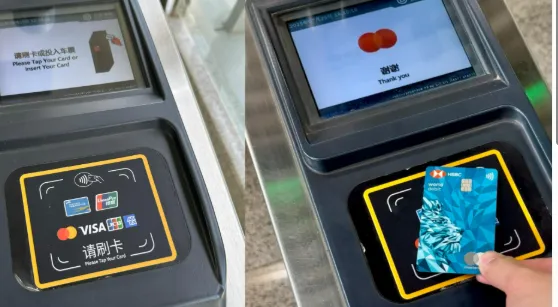
How to Pay: Good news! You can simply Tap and Go at metro turnstiles and buses using your foreign contactless Visa, Mastercard, or UnionPay card. Alternatively, use the Alipay "Transport" QR code.
-
Airport to City: Take the Maglev Train (8 minutes) or Metro Line 2 from Pudong (PVG), or use the new high-speed Airport Link Line if transferring between PVG and Hongqiao (SHA).
-
Taxis: Download DiDi via the Alipay app to hail rides in English. Never hail a street cab without your destination written in Chinese.
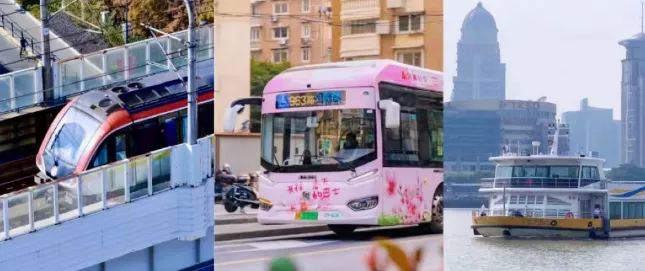
Your Entry Ticket: Payment Methods
Before you ride, you need to pay. Shanghai has seamlessly integrated digital technology into its transport system, but also retains options for traditional travellers.
1. QR Code Payment: The Modern Standard
The simplest and most common method for daily travel is using a QR code. This method works across the Metro, buses, and ferries.
-
Alipay/WeChat Pay: If you have the international version of these apps set up, you can activate the "Transportation Code" function.
-
Shanghai Metro App (Shanghai Metro Daduhui): This dedicated app allows you to link an international bank card (Visa/Mastercard) and generate a QR code for direct entry.
Pro Tip: Always ensure your phone is charged. A dead battery means no ticket!
2. Shanghai Public Transportation Card (SPTC)
The SPTC is a reloadable physical card. While QR codes are dominant, the SPTC is still incredibly useful.
-
Convenience: Simply tap and go. No need to open an app.
-
Transfers: Offers discounted fares for transfers between different modes of transport (e.g., Metro to Bus) within a specific time window.
-
Where to Buy: Available at major Metro stations (staffed counters) and convenience stores (e.g., Kedi, Lawson).
3. Single-Journey Tickets
For occasional riders, disposable cardboard tickets or tokens can be purchased from vending machines in every Metro station. These machines offer an English interface and accept cash and digital payments.
The Shanghai Metro: The City’s Arterial Network
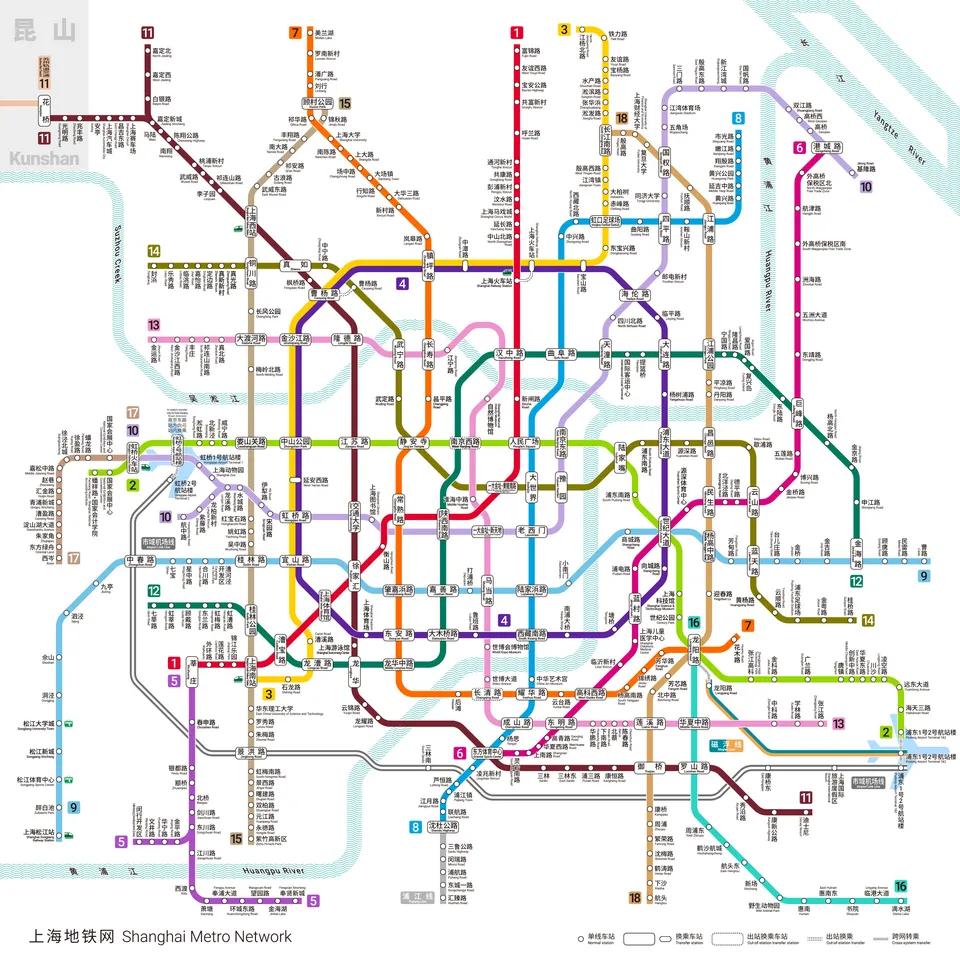
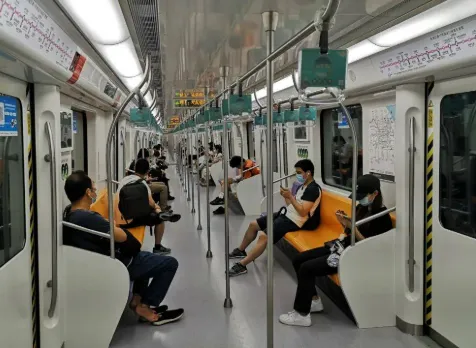
With over 20 lines covering thousands of kilometers, the Shanghai Metro is the backbone of the city, famed for its cleanliness, frequency, and expansive coverage.
Key Lines for Tourists
|
Line |
Color |
Key Destinations / Hubs |
Importance for Travelers |
|---|---|---|---|
|
Line 2 |
Light Green |
Hongqiao Airport/Railway Station, People’s Square, Lujiazui (Pearl Tower), Longyang Road (Maglev), Pudong Airport (PVG) |
Crucial: Connects both airports and many major sights. |
|
Line 10 |
Lilac |
Hongqiao Airport/Railway Station, Shanghai Zoo, Xintiandi, Yuyuan Garden (Old City) |
Excellent for sightseeing and accessing cultural areas. |
|
Line 1 |
Red |
Shanghai Railway Station, People’s Square, Xujiahui |
Shanghai’s first line, serving major commercial and historic districts. |
Operating Hours and Fares
Operating Hours
Most lines open between 5:00 AM and 6:00 AM and close between 10:30 PM and 11:30 PM. However, there are significant extensions to keep in mind:
-
Weekend Extensions: On Fridays, Saturdays, and the nights before public holidays, major lines (such as Lines 1, 2, 7, 8, 9, 10, and 13) extend their operating hours, often running until 12:30 AM or 1:00 AM.
-
Airport Connectivity:
-
Line 2: The last train typically leaves Pudong Airport around 10:30 PM, though "Extra Express" trains sometimes run later to Hongqiao.
-
Airport Link Line: This high-speed express (160 km/h) connects Pudong and Hongqiao airports in just 40 minutes, typically operating from 6:00 AM to 9:30 PM.
-
Fare System & Ticket Types
Shanghai uses a distance-based fare system. Prices are incredibly affordable compared to other global megacities:
| Distance | Price (RMB) | Example |
| 0–6 km | 3 RMB | 1–3 stops in the city center |
| 6–16 km | 4 RMB | Jing'an Temple to Lujiazui |
| 16+ km | +1 RMB per 10 km | Usually caps around 12–15 RMB |
Passes for Tourists
-
One-Day Pass (18 RMB): Unlimited rides for 24 hours after the first entry. Best for heavy sightseeing days.
-
Three-Day Pass (45 RMB): Unlimited rides for 72 hours.
-
Maglev & Metro Combo: Options for a single (55 RMB) or round-trip (85 RMB) Maglev journey plus a 24-hour Metro pass.
Payment Methods
The biggest change is the universal acceptance of international payment methods:
-
Contactless Bank Cards: You can now "Tap and Go" at the gates using Visa, Mastercard, or UnionPay cards. (Ensure your card has the contactless symbol).
-
Mobile Apps (QR Codes):
-
Alipay/WeChat Pay: Link your foreign card and use the "Transport" (出行) mini-program.
-
Metro Daduhui (大都会): The official Shanghai Metro app, which also supports international card registration.
-
-
Physical Tickets: Single-journey "blue tokens" can be bought at vending machines using cash, bank cards, or mobile pay.
Concessions & Rules
-
Children: As of March 2025, a paying adult can bring more than two children under 1.3 meters (4'3") for free.
-
Seniors: Travelers over 70 can ride for free during non-peak hours (avoid 7–9 AM and 5–7 PM on weekdays).
-
Transfers: If you use a Transportation Card or the Suishenxing app, you receive a 1 RMB discount when transferring between buses and the metro within 120 minutes.
Navigating the System Like a Local
-
Security Checks: Mandatory luggage screening occurs at the entrance of every station. This is standard procedure.
-
Clear Signage: All signs are displayed in both Chinese and English (Pinyin). Announcements are usually tri-lingual (Mandarin, Shanghai dialect, and English).
-
Transferring: Follow the clear "Transfer" signs. Be aware that some interchanges, like People’s Square, can be lengthy underground walks.
The Ultimate Shanghai Metro Guide
Buses: Filling the Gaps
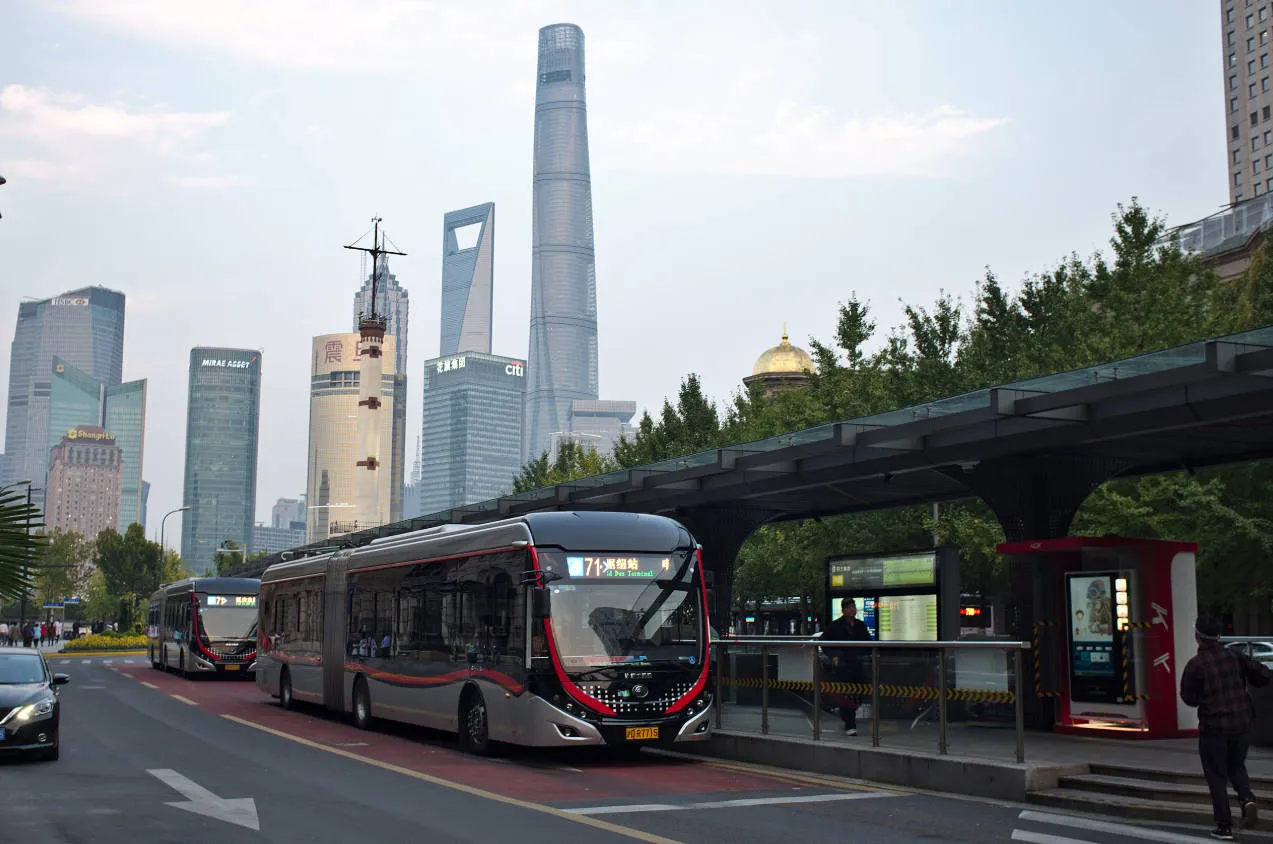
The bus network fills the spaces between Metro stations, offering direct routes for shorter, local travel and providing a street-level view of the city.
When to Choose the Bus
-
Short Trips: Ideal for journeys of 1-3 stops where a Metro ride would involve more walking or transferring.
-
Non-Metro Areas: Reaching residential or commercial areas not directly served by the subway.
Filling the "Last Mile" Gaps
The primary role of buses is to solve the "last mile" problem—the distance between a metro station and a passenger’s final destination.
-
50-Meter Rule: Under new 2025 guidelines, the city aims for all newly built or renovated metro stations to have a bus stop within 50 meters of an exit.
-
The 10-Minute Goal: In central urban areas, the network is designed so that 58% of residents are within a 10-minute walk of a metro station; buses are specifically routed to bridge the gap for the remaining 42%.
"DZ" Customized Buses: Crowd-Sourced Routes
Perhaps the most innovative feature is the DZ (Dingzhi) system. Instead of rigid, decades-old lines, these routes are designed by the residents themselves.
-
Passenger-Powered Planning: Through the Suishenxing (SH MaaS) app, residents can propose new routes. If a proposed route (e.g., from a specific apartment complex to a corporate park) reaches a threshold of 15–20 interested passengers, a trial line is launched—often in as little as three days.
-
Targeted Service: Over 220 DZ routes are active, focusing on school commutes, medical center access (like the Xuhui Southern Medical Center), and tourism (such as the new Legoland Loop Line in Jinshan).
Specialized Night Arteries
When the metro tracks go dark, the bus network ramps up.
-
Midnight Bus Lines: Prefixed with a "3" (e.g., Line 316), these buses operate from 11:00 PM to 5:00 AM. They mirror the busiest metro corridors to support the city's "night economy."
-
Airport & Railway Links: Specialized late-night routes connect major hubs, such as the direct night bus between Shanghai Songjiang Railway Station and Shanghai South Station, which operates until 2:00 AM.
Standard Fare Structure
Unlike the distance-based Metro, most Shanghai buses use a flat-fare system.
-
Standard Downtown Routes: 2 RMB per ride. This covers nearly all regular city buses (usually 10–12 meters long) regardless of how many stops you ride.
-
Suburban & Long-Distance Routes: These often start at 1 RMB or 2 RMB and can increase based on distance (up to ~10 RMB). Look for a conductor or a "distance fare" notice near the driver's booth.
-
Night Buses (300-series): These typically cost 2 RMB, providing a budget-friendly alternative after the Metro closes.
-
Airport Buses: These are separate from the city bus fleet and cost between 8 RMB and 30 RMB depending on the line and destination (e.g., Airport Bus Line 1 or 2).
The Transfer Discount (Interchange)
One of the best features of Shanghai’s transit is the "transfer reward" which encourages multi-modal travel.
-
The Discount: You receive 1 RMB off your second ride if you transfer between a bus and the metro (or two buses) within 120 minutes.
-
How it works: If you take a 2 RMB bus and then enter the Metro 30 minutes later, 1 RMB will be automatically deducted from your Metro fare.
-
Requirement: This only works if you use a Shanghai Public Transportation Card (physical or digital) or the official Suishenxing (SH MaaS) app QR code. It does not apply to cash or single-journey tokens.
Payment Options (2026 Update)
Cash is increasingly rare but still accepted. For the most convenience, use these digital methods:
-
Contactless Bank Cards: You can tap your Visa, Mastercard, or UnionPay card directly on the bus reader (front door).
-
QR Codes (Alipay/WeChat): Use the "Transport" mini-program in Alipay or WeChat Pay. Simply scan the QR code on the scanner at the front door.
-
Suishenxing App: This is the city's official "all-in-one" app. It covers buses, trams, ferries, and the metro with one single QR code.
-
Cash: If using cash, you must have the exact change (usually 2 RMB). Drop it into the fare box next to the driver; no change is given.
Concessions & Family Travel
-
Children: An adult can bring more than two children under 1.3 meters (4'3") for free on all public transit.
-
Seniors: Travelers over 70 with a valid "Social Security Card" or a registered transit card ride for free (non-peak hours are encouraged).
-
Physical Disability: Eligible passengers with a disability card enjoy free transit across the network.
Taxis and Ride-Sharing (Didi): Comfort and Convenience
For door-to-door comfort, especially when travelling with luggage or in a group, taxis and ride-sharing are great options.
Traditional Metered Taxis
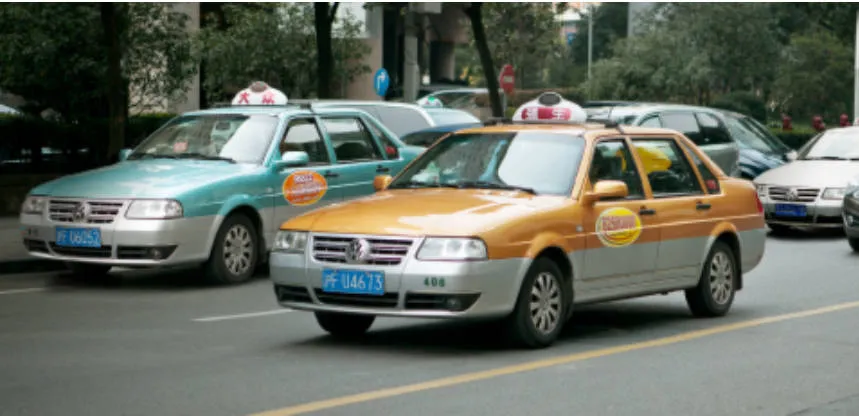
Shanghai taxis are metered and generally reliable. Look for the distinct color-coded vehicles:
-
Turquoise/Blue (Dazhong): Most common and reliable.
-
Yellow/Red (Qiangsheng/Haibao): Also excellent.
2026 Fare Estimates (Central Shanghai)
| Time Period | Base Fare (First 3km) | Distance Rate (Per km) |
| Daytime (05:00–23:00) | ~14–16 RMB | ~2.7 RMB |
| Night (23:00–05:00) | ~18–21 RMB | ~3.5 RMB |
-
Vehicle Types: Standard sedans (usually VW Santanas) start at 14 RMB, while premium electric taxis (like the iconic London-style cabs or Roewe fleets) often start at 16 RMB.
-
Holiday Surcharge: Expect a small flat surcharge (5–10 RMB) during major holidays like Chinese New Year or National Day.
-
Long-Distance: Rides exceeding 15 km incur a 50% surcharge on the per-kilometer rate.
Pro Tip: Have your destination written down in Chinese (characters) or show the driver on a map app. Most drivers do not speak English.
Didi Chuxing: The "Uber" of China
Didi is the dominant ride-hailing platform. For travelers, the easiest way to use it is through the Alipay or WeChat mini-programs, which automatically handle translations and payments.
Ride Categories
-
Express (快车 - Kuàichē): The standard, budget-friendly option.
-
Premier (专车 - Zhuānchē): Higher-end vehicles with professional drivers (often includes amenities like bottled water).
-
Didi Flash (滴滴快送): Often the fastest way to get a car during peak hours by broadcasting your request to both private cars and taxis.
-
6-Seater: Ideal for families or those with significant luggage.
Key Features for Foreigners
-
In-App Translation: You can type in English, and the driver receives it in Chinese (and vice versa).
-
Upfront Pricing: Unlike metered taxis, the app provides a fixed price estimate before you book, protecting you from "scenic routes."
-
No Local SIM Required: You can register with an international phone number, though you’ll need data (via roaming or eSIM) to use the app on the go.
Payment & Etiquette
By 2026, the "cashless" transition in Shanghai taxis is nearly total, but accessibility has increased for visitors.
-
Digital First: Most drivers prefer payment via the Didi app, Alipay, or WeChat Pay.
-
Contactless Cards: Over 2,000 "Dazhong" (light blue) and "Qiangsheng" (orange/yellow) taxis now accept Visa, Mastercard, and UnionPay directly at the terminal inside the cab.
-
The Receipt (Fapiao): Always ask for a receipt ("Fāpiào"). It contains the taxi’s ID number, which is essential if you accidentally leave a phone or bag behind.
-
Tipping: Tipping is not expected and is not part of the local culture for taxis or Didi.
Ferry: Scenic Cross-River Travel
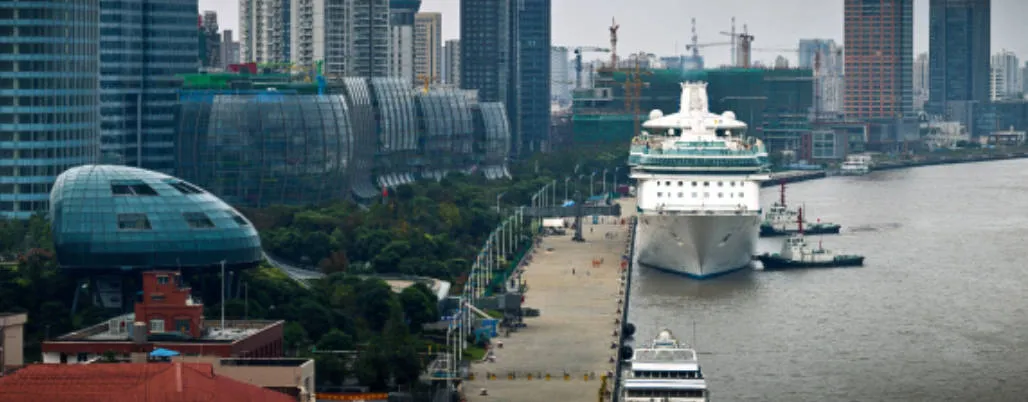
While the metro speeds underground, the Shanghai Ferry offers a slower, panoramic perspective of the city's transformation. These ferries remain the most affordable "hidden gem" for sightseeing, costing just a fraction of the price of luxury tourist cruises.
The "2-Yuan" Experience
For the cost of a standard bus ride (2 RMB), you can cross the Huangpu River and enjoy the same skyline views as the high-end tour boats.
-
Top Route for Tourists (Dongjin Line): Connects Jinling East Road Pier (near the Bund) to Dongchang Road Pier (near the Oriental Pearl Tower and Lujiazui). This 5–10 minute crossing offers an unobstructed view of both the historic Puxi architecture and the Pudong skyscrapers.
-
Alternative (Dongfu Line): Connects Fuxing East Road Pier (near Yuyuan Garden) to Dongchang Road Pier. This is a great way to skip the crowded metro transfers when moving between the Old City and Lujiazui.
-
Vibe: These are "commuter" ferries. While some newer boats are air-conditioned with glass windows, many still allow you to stand on the deck and feel the river breeze—perfect for photography.
Operating Hours & Frequency
Ferries run with high frequency, making them a reliable alternative to tunnels and bridges.
| Line | Route | Hours (Approx.) | Frequency |
| Dongjin Line | Bund ⇔ Lujiazui | 7:00 AM – 6:30 PM | Every 15 mins |
| Dongfu Line | Yuyuan ⇔ Lujiazui | 7:00 AM – 10:00 PM | Every 15–30 mins |
| Taigong Line | North Bund ⇔ Lujiazui | 6:00 AM – 9:50 PM | Every 20 mins |
Pro-Tip: Time your crossing for the "Blue Hour" (just after sunset). The city lights typically flicker on between 6:00 PM and 7:00 PM, turning the river into a shimmering mirror of neon.
Payment Methods (2026 Update)
Payment for the ferry is now fully integrated into Shanghai's "Smart Travel" ecosystem:
-
Tap and Go: Use your contactless Visa or Mastercard directly at the turnstile.
-
Shanghai Pass: The new physical "Shanghai Pass" (available at airports) works perfectly here.
-
QR Codes: Scan your Alipay, WeChat Pay, or Suishenxing transport code at the gate.
-
Tokens: If you prefer cash, you can buy a physical token from the station window for 2 RMB.
Commuter Ferry vs. Sightseeing Cruise
It is important to distinguish between the public ferry and the specialized Huangpu River Cruises.
-
Public Ferry (2 RMB): A simple cross-river shuttle. It takes 5–10 minutes, has no commentary, and is used by locals with e-bikes and scooters.
-
Sightseeing Cruise (120–300+ RMB): Departs mostly from Shiliupu Wharf. These 50–90 minute loops include multiple decks, luxury seating, and often dining options. They provide a much longer duration to soak in the lights without having to disembark immediately.
Island Ferries: Beyond the City Center
For those looking to escape the urban heat, larger ferries operate from piers like Baoyang Road to the ecological islands:
-
Chongming, Changxing, and Hengsha Islands: These require larger passenger ships or high-speed catamarans. Prices vary from 15 to 50 RMB, and it is highly recommended to book these via the "Shanghai Ferry" (上海轮渡) official WeChat mini-program in advance during weekends.
Maglev Train and Airport Transfers: The World's Fastest Commute
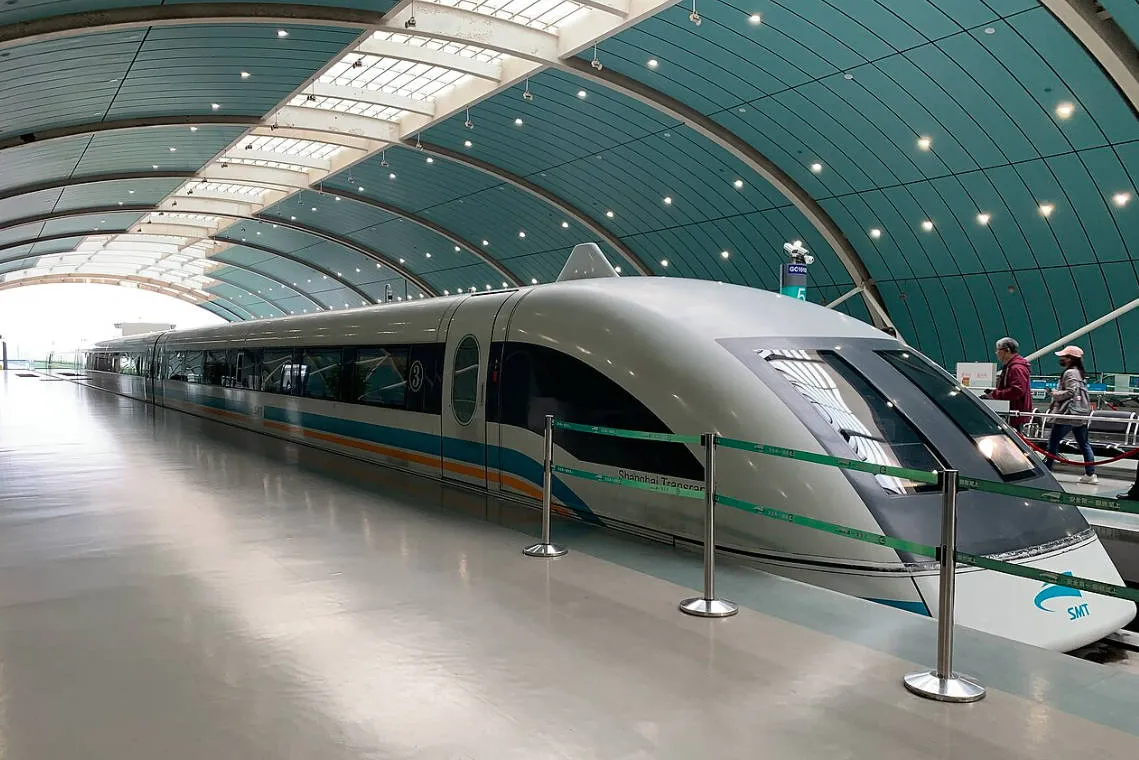
Shanghai is served by two major airports—Pudong (PVG) for international flights and Hongqiao (SHA) for domestic and regional travel. The addition of the Airport Link Line has fundamentally changed how travelers move between these hubs. The Shanghai Maglev is an experience in itself—the fastest commercial train service in the world.
Shanghai Maglev: The Speed Icon
The Maglev remains the "gold standard" for speed, using magnetic levitation to whisk you from Pudong Airport to the city's edge in just 7–8 minutes.
-
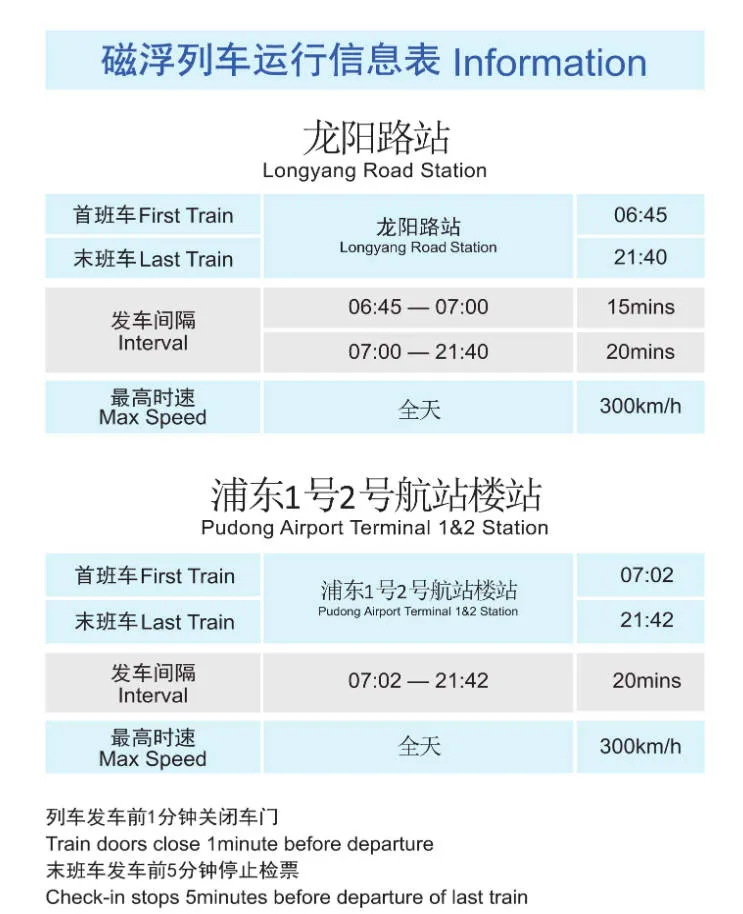
Route: Pudong Airport ⇔ Longyang Road (connects to Metro Lines 2, 7, 16, and 18).
-
Speed: Operates at a top speed of 300 km/h (with occasional test runs at 431 km/h).
-
Operating Hours:
-
From Longyang Rd: 06:45 – 21:40
- From Pudong Airport: 07:02 – 21:42
-
-
Fares:
-
Single Trip: 50 RMB
-
Same-Day Flight Discount: 40 RMB (Show your boarding pass or digital flight confirmation).
-
Round Trip: 80 RMB (Valid for 7 days).
-
Maglev + Metro Pass: 55 RMB (Includes 1 Maglev trip and 24 hours of unlimited Metro).
-
The New Airport Link Line (Express)
Launched recently, this 160 km/h suburban railway is the most efficient way to travel between the two airports or to Disney.
-
Duration: ~40 minutes between PVG and SHA (vs. 90 minutes on the standard Metro).
-
Route: Connects Hongqiao Terminal 2 directly to Pudong Terminals 1 & 2, with stops at Shanghai International Resort (Disney) and Sanlin South.
-
Hours: 06:00 – 22:30 daily.
-
Fare: Distance-based, typically 26 RMB for the full airport-to-airport trip.
-
Payment: Supports Alipay/WeChat transport codes and contactless bank cards.
Metro Line 2: The Budget Connector
The Metro is the most cost-effective way to reach the true city center (People’s Square, The Bund, or Jing’an Temple).
-
Fare: ~3–9 RMB.
-
Travel Time: Pudong Airport to People's Square takes 65–70 minutes.
-
Late Night Service: The last train from PVG typically departs around 10:30 PM.
Pro-Tip: Metro Line 2 connects both airports, but if you are transferring between them, use the Airport Link Line instead to save nearly an hour.
Late-Night Options (After 11:00 PM)
If you arrive after the Maglev and Metro have closed, you have two reliable options:
-
Airport Night Bus: Runs from 11:00 PM until 05:30 AM. It follows a route through the city center (Century Avenue, People's Square, Jing'an Temple) and ends at Hongqiao.
-
Fare: 18–34 RMB.
-
-
Taxis & Didi: Available 24/7.
-
Cost: 160–220 RMB to downtown (Night surcharges apply after 11 PM).
-
Note: Only use official taxi ranks or the Didi app; ignore "private drivers" offering rides in the arrivals hall.
-
Shared Bikes and E-Scooters: Flexible Short Trips
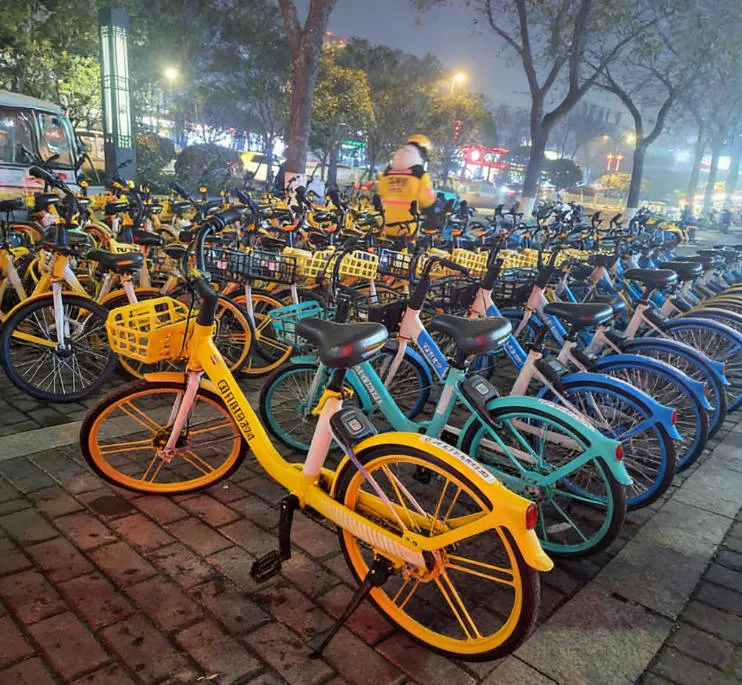
In 2026, Shanghai’s streets are a sea of colorful shared bikes, serving as the city’s favorite "last-mile" solution. While private e-scooters are ubiquitous, the shared economy in Shanghai is strictly focused on traditional bicycles to maintain order and safety in the city center.
The Big Three: Who to Ride
There are three main players in the shared bike market. You can unlock almost any bike you see using Alipay or WeChat, making separate apps unnecessary for most travelers.
| Brand | Color | Best App to Use |
| HelloBike (哈啰) | Sky Blue | Alipay (Native integration) |
| Meituan (美团) | Bright Yellow | Meituan or WeChat |
| Qingju (青桔) | Mint Green | Didi or WeChat |
Shared E-Bikes vs. Traditional Bikes
-
The City Center Rule: Shared electric bikes (e-bikes) are generally banned in Shanghai’s central districts (Jing'an, Huangpu, Xuhui) to prevent accidents. If you are in the city center, you will only find traditional pedal bikes.
-
Suburban Exceptions: In outer districts like Songjiang or Jiading, you may find HelloBike e-bikes. These require a "double lock" (digital and manual) and often have a higher base fare (starting at ~4 RMB).
Pricing & Fares (2026)
Riding is incredibly cheap, especially for short hops under 15 minutes.
-
Single Ride: ~1.5 RMB for the first 15 minutes, then 1 RMB for every 15 minutes thereafter.
-
Holiday/Weekend Rate: Some brands (like Meituan) may charge a slightly higher base of 1.8 RMB.
-
Passes: If you’re staying for a few days, buy a 7-day pass (~10–15 RMB) via the Alipay "Transport" section for unlimited 30-minute rides.
How to Use (For International Visitors)
-
Identity Verification: Open the "Transport" (出行) mini-program in Alipay. You must complete a one-time real-name verification by uploading your passport photo. (This is usually approved within minutes).
-
Unlock: Scan the QR code located between the handlebars or under the seat.
-
The Ride: Stay in the dedicated non-motorized vehicle lanes (usually separated by a barrier or white line). Do not ride on sidewalks.
-
Return & Lock: Park in a "P" Zone: Look for the white-painted rectangles on the ground.
-
Geofencing: Most bikes in 2026 use high-precision GPS. If you try to lock a bike outside a designated zone, the app will warn you and may charge a 5–20 RMB penalty.
-
Digital Lock: Simply tap "End Ride" in your app. Most 2026 models do not require you to manually slide a physical lock.
-
Critical Safety Rules
-
No Sidewalks: Police in 2026 are strict about fine-tuning traffic; riding on the sidewalk can result in a 20–50 RMB on-the-spot fine.
-
No Passengers: These bikes are strictly for one person. Carrying a friend on the back (or the basket!) is illegal.
-
Helmets: While not mandatory for shared pedal bikes, they are strictly required if you are riding a private or shared e-bike.
Pro-Tips for Seamless Travel
-
Avoid Peak Hours: The Metro is incredibly crowded during rush hours: 7:30 AM – 9:30 AM and 5:00 PM – 7:30 PM on weekdays. Travel outside these times for a more comfortable journey.
-
Download a Metro Map App: Apps like Explore Shanghai or Shanghai Metro (available on international app stores) are essential. They calculate fares, travel times, and the best transfer routes in English.
-
Keep Left on Escalators: Like many cities, Shanghai maintains the "stand right, walk left" etiquette on escalators.
-
Stay Alert for Stops: While English announcements are present, paying attention to the electronic signs above the doors ensures you don't miss your station, especially during busy periods.
-
River Crossing: Don't forget the Ferries! They offer a scenic and extremely affordable way to cross the Huangpu River (between the Bund and Lujiazui) and are fully integrated into the QR/SPTC payment system.
Shanghai's public transportation system is a modern marvel—safe, efficient, and exceptionally user-friendly, even for non-Mandarin speakers. By preparing with the correct payment method (we recommend the QR code) and understanding the Metro's structure, you unlock the entire city. So step confidently onto the Metro, marvel at the speed of the Maglev, and explore everything this incredible city has to offer.
Frequently Asked Questions (FAQ)
Q1: Is Shanghai public transportation foreigner-friendly?
A: Yes. The metro system is especially easy for non-Chinese speakers.
Q2: Is it safe to use public transport at night?
A: Generally yes, especially in central areas.
Q3: Can I bring large luggage on the Metro?
A: Yes. As of March 2025, the luggage weight limit was increased to 30 kg (66 lbs).
Q4: Can I bring water or coffee on the train?
A: Technically, eating and drinking are prohibited inside the carriages to maintain cleanliness. Enforcement is generally relaxed for a quick sip of water, but full meals are a no-go.
Q5: Is the Metro accessible for wheelchairs?
A: Yes, Shanghai is ranked as one of the most accessible cities globally. All stations are equipped with elevators and tactile paving.
Q6: Are there restrooms in the stations?
A: Nearly every station has modernized restrooms.