Giant pandas are the "national treasure" of China and a symbol of wildlife conservation worldwide. If you are planning a trip to China, seeing these fluffy "rice balls" in person is likely at the top of your bucket list. While many zoos across China have pandas, Sichuan Province—the natural hometown of these creatures—offers the most authentic and diverse viewing experiences.
Where is the best place to see giant pandas in China? Compare Chengdu Research Base, Dujiangyan, Wolong, and more. Learn how to book tickets and volunteer in 2026.
📌The Quick Verdict on Where to Go
-
For the Biggest Crowds & Most Pandas: Go to the Chengdu Research Base. It's close to the city and home to viral superstar Hua Hua.
-
For the "Keeper" Experience: Go to Dujiangyan Panda Base. It is the best place for 1-day volunteer programs (cleaning enclosures, making panda food).
-
For Nature Purists: Go to Wolong Shenshuping. It's located in the mountains (cooler weather, fewer crowds) and focuses on rewilding.
-
For Families: Go to Guangzhou Chimelong Safari Park to see the world's only surviving panda triplets in a massive theme park setting.

1. Understanding Giant Pandas in China
Understanding giant pandas is as much a lesson in modern conservation as it is in natural history. Once the "poster child" for extinction, their story has shifted to one of resilient recovery through rigorous scientific and political intervention in China.
Current Conservation Status (2026)
As of early 2026, the giant panda remains classified as Vulnerable on the IUCN Red List—a status it has held since being "downlisted" from Endangered in 2016.
-
Wild Population: Approximately 1,900 individuals, up from a low of roughly 1,100 in the 1980s.
-
Captive Population: Has nearly doubled in the last decade, reaching over 800 individuals.
-
Genetic Health: Modern breeding programs now maintain enough genetic diversity to sustain the captive population for up to 200 years.
Habitat and the National Park System
The most significant development in recent years is the full integration of the Giant Panda National Park, established in 2021.
-
Scale: Covering over 22,000 square kilometers (roughly three times the size of Yellowstone), it spans three provinces: Sichuan, Shaanxi, and Gansu.
-
Ecological Corridors: A primary goal of the park is to reconnect 33 isolated "subpopulations" that were previously separated by roads and human infrastructure. These "green corridors" allow pandas to find mates outside their immediate group, reducing the risk of inbreeding.
-
The "Umbrella Effect": By protecting the panda's high-altitude bamboo forests, China simultaneously protects over 8,000 other species, including the snow leopard and the golden snub-nosed monkey.
Fascinating Biology & Behavior
Pandas are a biological contradiction: they are bears with the digestive systems of carnivores, yet they live almost entirely on grass.
| Feature | Description |
| The "Pseudo-Thumb" | An enlarged wrist bone that functions like a thumb, allowing them to grip bamboo with precision. |
| Dietary Stamina | They must eat 26 to 84 pounds of bamboo daily to get enough nutrients, spending up to 14 hours a day feeding. |
| Energy Conservation | Due to their low-calorie diet, they are sedentary and solitary, avoiding unnecessary movement to save energy. |
| Lack of Hibernation | Unlike many bears, they do not hibernate because they cannot store enough body fat from bamboo to survive the winter without eating. |
Did you know? A newborn panda is about 1/800th the size of its mother—roughly the size of a stick of butter—making it one of the smallest mammal infants relative to its parent's size.
Challenges Ahead
Despite the success, pandas remain "conservation-reliant." Climate Change poses a long-term threat by potentially shifting the range where bamboo can grow, and infrastructure projects still threaten to fragment the delicate corridors being built today.
2. Wild Pandas vs. Panda Research Centers
When comparing wild pandas to those in research centers, you're looking at two completely different worlds: one of extreme solitude and survival, and another of scientific support and public education.
At a Glance: Wild vs. Research Centers
| Feature | Wild Pandas | Research Centers (Captive) |
| Population | ~1,900 (Increasing) | ~800 (Stable) |
| Lifespan | 15–20 years | Up to 30+ years |
| Social Life | Strictly solitary; territorial | Often grouped (especially sub-adults) |
| Diet | 100% forage; seasonal bamboo migration | Bamboo + "Panda Bread" (nutritional buns) |
| Activity | 14+ hours foraging; highly elusive | Active during feeding times (9:00 AM) |
The Wild: A Life of Stealth
In the wild, pandas are the "ghosts" of the bamboo forests. They inhabit the high-altitude mountains of Sichuan, Shaanxi, and Gansu.
-
The Struggle for Energy: Because bamboo is so low in nutrients, wild pandas move as little as possible. They aren't "lazy"—they are biologically thrifty.
-
Human Interaction: Essentially zero. Even researchers often rely on camera traps and DNA from droppings rather than physical sightings.
-
Conservation Focus: The goal for wild pandas is habitat connectivity. The government is focused on building "land bridges" to help isolated groups meet and mate to keep the gene pool healthy.
Research Centers: The Success Story
Centers like the Chengdu Research Base or Wolong are not zoos; they are specialized facilities designed to ensure the species doesn't blink out of existence.
-
The "Panda Kindergarten": Research centers have successfully solved the "breeding puzzle." They use "twin-swapping" (hand-rearing one twin while the mother raises the other, then swapping them) to ensure both cubs survive, which rarely happens in the wild.
-
Reintroduction Training: Facilities like Wolong Hetaoping focus on "rewilding." Cubs are raised by mothers in large mountain enclosures, and human keepers wear panda suits scented with panda urine to ensure the cubs never bond with humans.
-
Public Impact: These centers fund wild conservation. The "panda diplomacy" and tourism revenue generated here go directly into protecting the 22,000 square kilometers of the National Park.
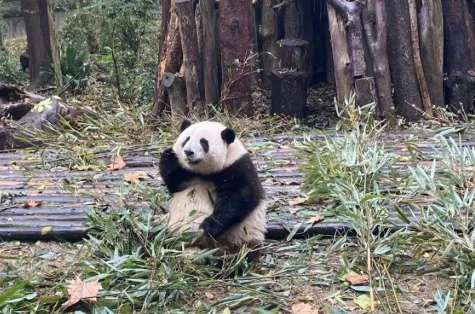
Where should you go?
If you want to see a panda in 2026, do not try to find one in the wild. It is nearly impossible and can disturb their habitat. Instead, choose a center based on your vibe:
-
For the "Classic" Experience: Chengdu Research Base. It has the most pandas and the best nurseries, but it is very crowded.
-
For the "Authentic" Feel: Wolong Shenshuping. It’s deeper in the mountains, cooler, and feels closer to their natural home.
-
For Interaction: Dujiangyan Panda Base. This is the best spot for "Volunteer Programs" where you can help clean enclosures and prepare bamboo (though direct contact/hugging is no longer allowed for safety).
🚨 Important 2026 Update: No More "Panda Hugs"
If you are reading older travel blogs, you might see photos of tourists holding panda cubs. This is no longer allowed. Since 2018, the Chinese government has strictly banned all direct physical contact between tourists and giant pandas at all bases to protect the animals from human diseases (like canine distemper). While you can get incredibly close during volunteer programs, you cannot touch or hold them.
3. Top Destinations to See Giant Pandas in China
In 2026, the best panda destinations have evolved beyond simple viewing. While Chengdu remains the central hub, the most rewarding experiences are now found in the surrounding mountain bases where the climate is cooler and the environments are more natural.
3.1 The "Celebrity" Choice: Chengdu Research Base
The Chengdu Research Base of Giant Panda Breeding isn’t just a research facility; it is the "Celebrity Choice" because it is the global epicenter of panda pop culture. While other bases focus on rewilding or elder care, this is where the world’s most famous "internet influencer" pandas live, play, and occasionally cause social media meltdowns.
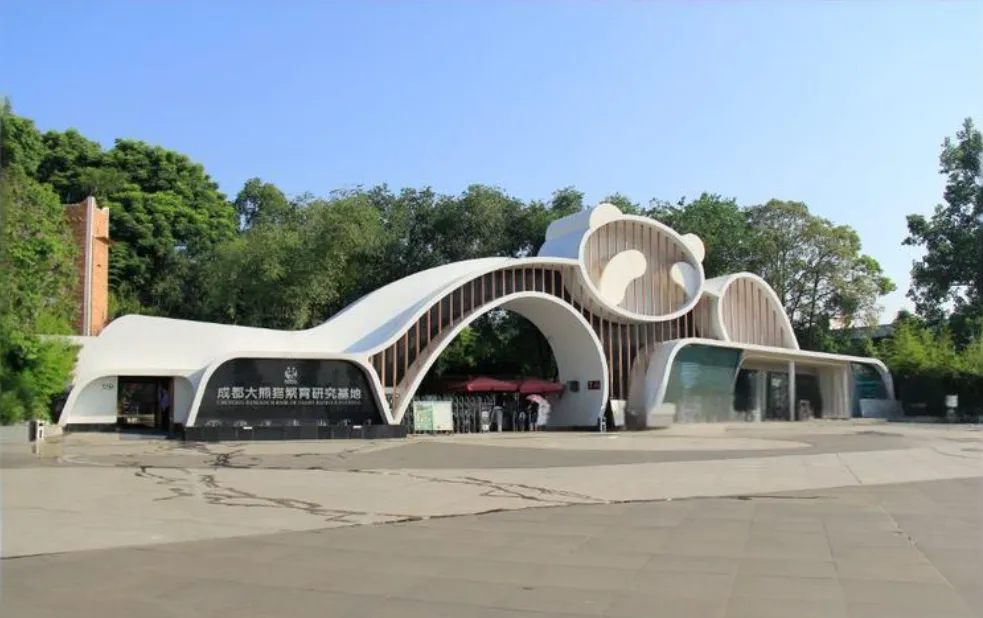
🐼 Why the "Celebrity" Label?
The base has earned this nickname due to its high density of social media stars. In China, individual pandas have dedicated fanbases, "paparazzi" (dedicated photographers who wait hours for a shot), and trending hashtags.
-
The Superstar "Hua Hua" (He Hua): Currently the most famous panda in the world. She is easily recognized by her "triangular" rice-ball shape, lack of a neck, and notoriously slow eating habits. Fans often wait 3–5 hours just to see her for a few minutes.
-
The Clingy Legends: This is the home of Qi Yi, the panda from the viral video who wouldn't let go of her keeper’s leg, and Mei Lan, the "chunky sweetheart" known for her elegant but lazy demeanor.
-
The "Pambassadors": The base famously runs global campaigns to find human "Panda Ambassadors," further cementing its status as the "Hollywood" of the panda world.

📍 Must-See "Star" Locations
If you're heading there to see the celebrities, you need a strategy. The base is massive (over 230 hectares), so prioritize these spots:
| Location | Why it’s Famous | Pro-Tip |
| Villa No. 6 | Home to Hua Hua. | Expect massive queues. It is closed on Mondays for "animal rest." |
| Star Nursery | Where the youngest, "mouse-sized" cubs are often kept. | Best visited from August to October for newborns. |
| Moonlight Nursery | Famous for the "climbing" displays and playful sub-adults. | Go here if Villa 6 is too crowded; the energy is higher. |
| Panda Tower | A futuristic, bamboo-shoot-shaped observation deck. | You need to book a separate (free) ticket on the official WeChat mini-program. |

🕒 How to Visit Like a VIP
-
The "7:30 AM Rule": If you aren't at the gate by opening (7:30 AM), you've already missed the most active period. Pandas are morning creatures; by 10:30 AM, most are just "fluffy rocks" (sleeping).
-
West Gate vs. South Gate:
-
South Gate: The classic entrance. Closest to the "celebrity" villas but has the longest lines.
-
West Gate: The newer, "scenic" entrance. It’s less crowded and has better shuttle bus access to the high-elevation villas.
-
-
Best For: Families, short stays, and seeing the most pandas in one morning.
-
Don't Miss: The Star Nursery, which is often less crowded than the Sun Nursery but offers fantastic views of the growing cubs.
🎟️ Ticket Types & 2026 Prices
-
Adult Ticket: 55 RMB ($7.60 USD)
-
Student/Minor (7–18): 27 RMB ($3.70 USD)
-
Seniors (60+) & Young Kids: Free, but you must still book a "Free Ticket" online to reserve your entry slot.
-
Sightseeing Bus: 30 RMB ($4.15 USD). Highly recommended to get from the South Gate to the far-flung villas without melting in the heat.
📲 How to Book (3 Main Ways)
1️⃣ The Official WeChat Mini-Program (Cheapest)
Search for "成都大熊猫繁育研究基地" (Chengdu Research Base of Giant Panda Breeding) in WeChat.
-
Window: Tickets go on sale 7 days in advance at 8:00 PM China Time.
-
Selection: Choose between the Morning Slot (7:30 AM – 12:00 PM) or Afternoon Slot (12:00 PM – 5:00 PM).
-
Requirement: You need to input your Passport Number exactly. Payment is via WeChat Pay or Alipay.
- This guide How to Use WeChat in China will help you.
2️⃣ International Platforms (Trip.com / Klook / GetYourGuide)
If you don't have a Chinese payment method, this is the safest bet.
-
Ease of Use: English interface and takes international credit cards.
-
Price: Usually a small markup (approx. $10–$15 USD total), but they handle the registration for you.
-
Process: You’ll receive a voucher/QR code, but in 2026, you simply swipe your original passport at the turnstile to enter.
3️⃣ The "Panda Shuttle" Route
In downtown Chengdu (Chunxi Road or Wide and Narrow Alley), you’ll find "Panda City Tour" kiosks. They sell a combo ticket (Bus + Entrance) for about 68–80 RMB. This is a great way to handle transport and tickets in one go.
3.2 The "Active" Choice: Dujiangyan Panda Base
Located about 1.5 hours from Chengdu, this base focuses on rescue and disease control. If the Chengdu Base is the "Celebrity" choice, Dujiangyan Panda Base (officially the Center for Giant Panda Disease Control and Prevention) is the "Active" Choice.
While Chengdu is about watching, Dujiangyan is about doing. It is the premier destination for visitors who want to trade their camera for a pair of gloves and actually contribute to panda conservation.
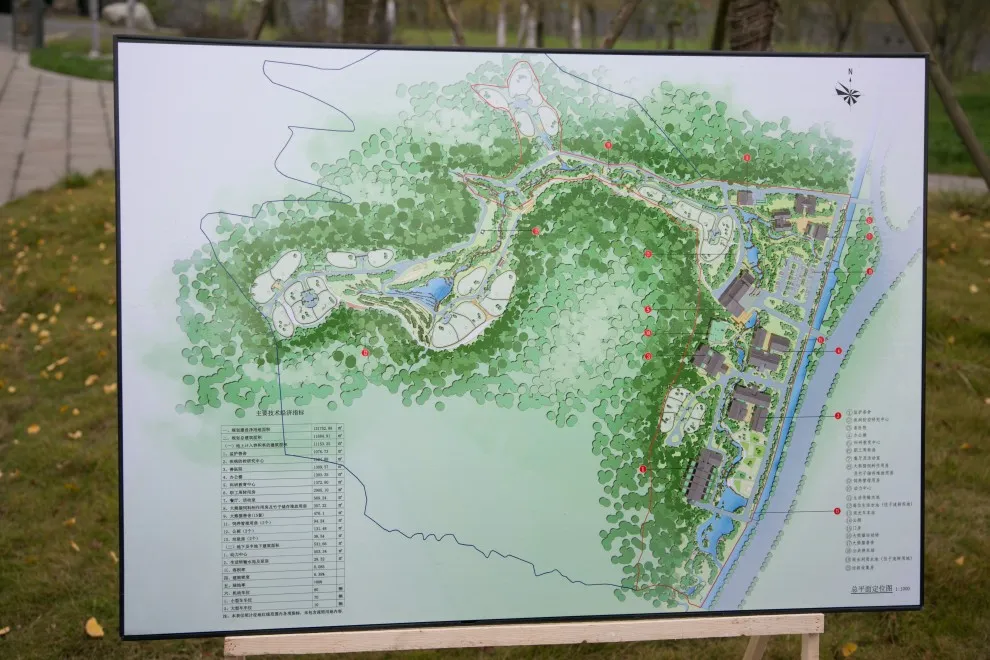
🛠️ The "Panda Keeper" Experience
Dujiangyan is famous for its Panda Volunteer Program. This isn't a passive walk-through; it’s a full-day commitment where you step behind the scenes.
-
Morning Labor: You’ll start your day by cleaning out enclosures (yes, sweeping up "panda bread"—their surprisingly non-smelly bamboo poop) and breaking massive stalks of fresh bamboo to prepare their breakfast.
-
The "Panda Cake" Chef: You’ll head to the kitchen to steam Wo Wo Tou (cornbread cakes) using a specific recipe of corn, soybeans, rice, and vitamins.
-
Up-Close Feeding: Under strict supervision, volunteers often get the chance to hand-feed a panda through the bars of their enclosure—a heart-pounding moment of connection you simply can't get at the main Chengdu base.
-
The Reward: At the end of the day, you receive an official Volunteer Certificate, a physical badge of honor for your contribution.
🏔️ Why it’s the "Active" Choice (Beyond Volunteering)
Even if you aren’t volunteering, Dujiangyan is physically more demanding and rewarding than the central base:
-
Hilly Terrain: The base is built into the foothills of Mount Qingcheng. It is significantly more vertical than the Chengdu base, requiring some light "hiking" between enclosures.
-
The Red Panda Walk: Dujiangyan features a Panda Valley (distinct from the main base) where red pandas often roam in a semi-wild, open-air environment. You’ll be walking through their habitat rather than looking into a pit.
-
The "Mountain Zen" Combo: Most people pair this visit with a hike up Mount Qingcheng, the birthplace of Taoism. You can spend the morning with pandas and the afternoon climbing stone steps through misty forests and ancient temples.
📋 Fast Facts for 2026
| Feature | Details |
| Crowd Level | Low. Significantly fewer people than Chengdu. |
| Volunteer Cost | Approx. 700 – 1,000 RMB ($100–$140) depending on the package. |
| Age Limit | Volunteers must generally be between 10 and 70 years old. |
| Health Requirement | A basic health form (signed on-site) is usually required to ensure you don't pass human germs to the pandas. |
Direct Peer Tip: If you're doing the volunteer program, skip the perfume and bright nail polish. Pandas have incredibly sensitive noses, and keepers are strict about "natural" scents to keep the animals calm.
🎟️ Ticket Types & 2026 Prices
-
Ticket Price: 58 RMB ($8 USD) for a general admission ticket.
-
How to Book: * WeChat: Search for the mini-program "Dujiangyan Panda Base" or the official account "CCRCGP". You will need your passport number and a phone number.
-
Third-Party: Use Trip.com or Klook. Look for "Dujiangyan China Giant Panda Garden."
-
Volunteer Program: This must be booked at least 3–7 days in advance. It costs roughly 700–1,000 RMB and is best booked through a reputable agency like Trip.com or specialized panda tour operators (e.g., Sichuan Travel Guide).
-
3.3 The "Natural" Choice: Wolong Shenshuping Base
If Chengdu is for fans and Dujiangyan is for volunteers, Wolong Shenshuping Base is for the Purists.
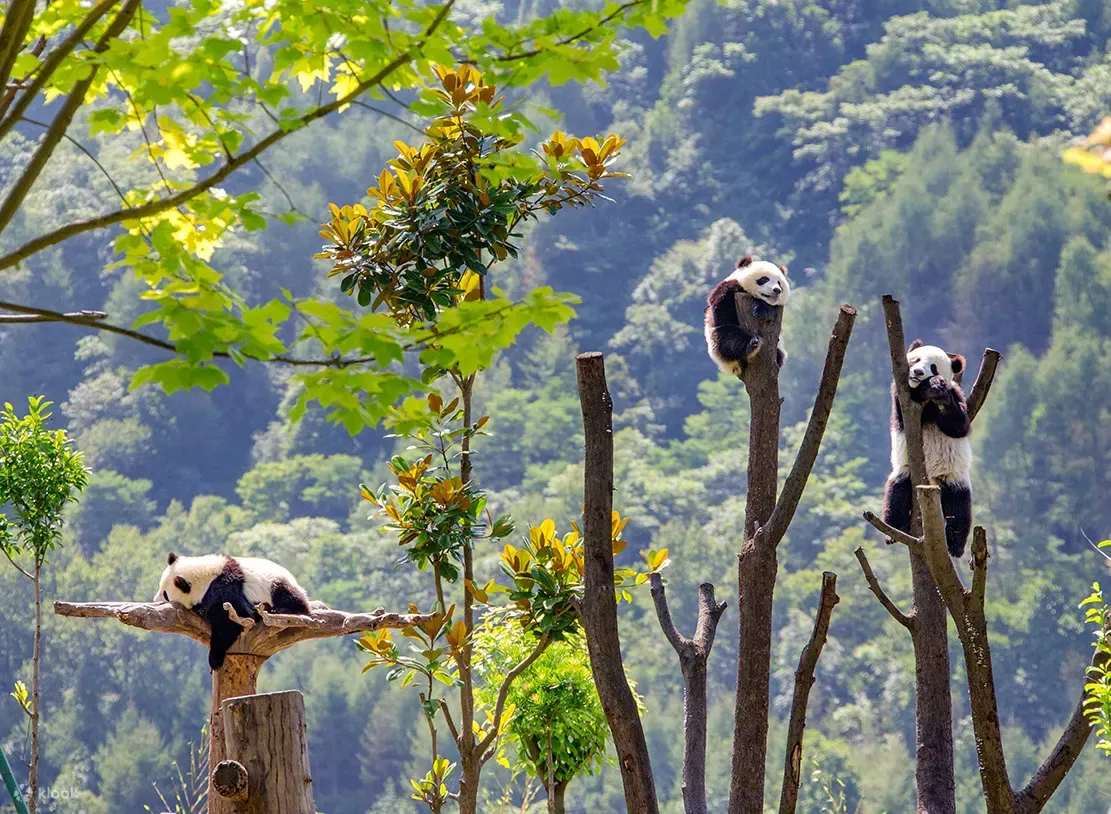
Located deep within the Wolong National Nature Reserve, this base is the "Natural Choice" because it is the only facility situated inside an actual wild panda habitat. At an altitude of about 1,700 meters, the mist, the cool mountain air, and the dense bamboo forests aren't just for show—they are the exact conditions pandas evolved for.
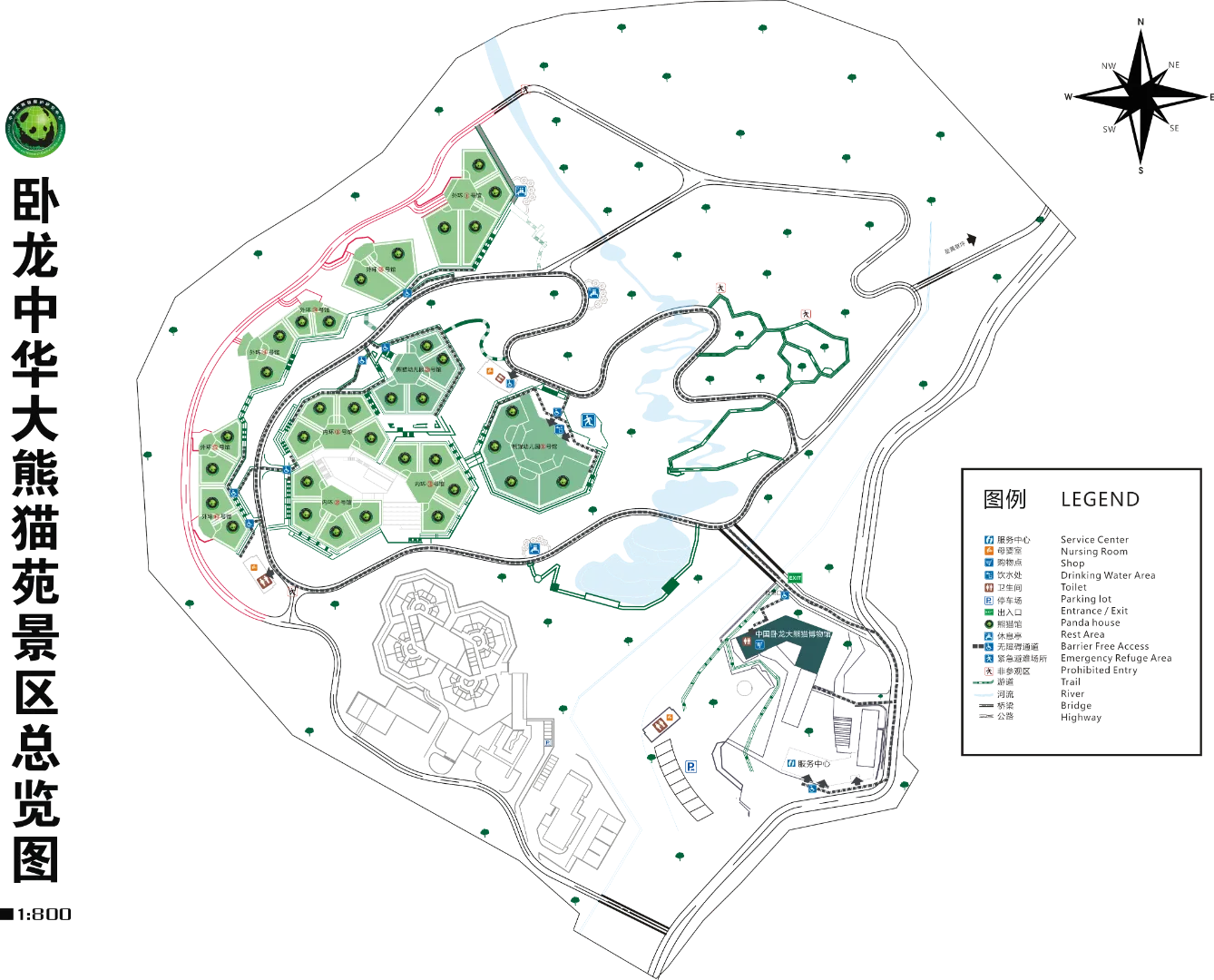
🏔️ Why it’s the "Natural" Choice
Wolong feels less like a park and more like a mountain sanctuary. It serves as the bridge between captive breeding and the great outdoors.
-
The Rewilding Epicenter: This is the world’s only training center for reintroducing pandas to the wild. While visitors can't enter the "rewilding zones" (where staff wear urine-scented panda suits to avoid human imprinting), you can feel the mission's weight throughout the base.
-
Returnee "F4" Superstars: In 2026, Wolong is the home of the "Returnee F4"—global icons who were born abroad and "returned" to their ancestral home. This includes Fu Bao (from South Korea) and Xiao Qi Ji (Little Miracle, from the US).
-
The Environment: Because of the altitude, it’s significantly cooler than Chengdu. You’ll see pandas playing in the snow during winter or active in the cool mountain breeze during summer when city pandas are forced into air-conditioned indoor rooms.
🌲 Key Features of Shenshuping
| Feature | Description |
| Enclosures | Massive, hillside "backyards" with streams and logs. No glass walls—just low fences that let you hear the "crunch" of bamboo. |
| Crowds | Very Low. It’s a 2-hour drive from Chengdu, which filters out the casual day-trippers. You can often watch a panda for 30 minutes in total silence. |
| Wildlife | It’s a "Bio-gene Bank." Within the reserve (though not always visible), live snow leopards, red pandas, and golden snub-nosed monkeys. |
| The "Vibe" | Immersive and quiet. It’s about observing the animals in a state of "pure contentment" rather than a photo-op. |
🎟️ Ticket Types & 2026 Prices
-
Adult Entrance: 90 RMB ($12.50 USD)
-
Discounted (Minors 7–18 / Full-time Students): 45 RMB ($6.25 USD)
-
Free Entry (Seniors 60+ / Kids under 6 or 1.3m): Free, but you still need a reservation.
-
Internal Shuttle Bus: 20 RMB (Optional but recommended, as the base is on a mountain slope).
📲 How to Book: Step-by-Step
Option 1: The Official WeChat Mini-Program (Best for self-travelers)
This is the most direct way and avoids third-party markups.
-
Search: In WeChat, search for "卧龙中华大熊猫苑神树坪基地" (Wolong China Giant Panda Garden Shenshuping Base).
-
Select "Ticket Purchase" (购票预约): Look for the menu at the bottom.
-
Real-Name Registration: You will need to enter your Passport Number and a Chinese phone number (you can use a hotel’s number if you don’t have a local SIM, but it’s best to have one for confirmations).
-
Booking Window: Tickets are released 14 days in advance.
Option 2: International Platforms (Trip.com / Klook)
If you don't have WeChat Pay/Alipay or want an English interface:
-
Trip.com / Klook: These sites often list "Wolong Shenshuping" tickets. Note that prices may be slightly higher (approx. $15 USD) due to service fees.
-
Confirmation: You will receive a QR code, but you must still bring your physical passport to the ticket window to "exchange" it or verify your identity.
Option 3: Guided Tours / Private Drivers
Many visitors hire a private driver for the 2.5-hour trip from Chengdu. Most drivers will offer to book the tickets for you as part of their service fee. This is often the most stress-free way to handle the "Real-Name" registration.
🕒 Opening Hours & Entry Slots
In 2026, the base uses a Morning/Afternoon split entry system to manage flow:
-
Peak Season (March–October): 7:30 AM – 5:00 PM (Last entry 4:30 PM).
-
Off-Season (November–February): 8:00 AM – 4:30 PM (Last entry 4:00 PM).
-
Pro Tip: Book the Morning Slot. Pandas are morning creatures. By 1:00 PM, they are usually sleeping in their dens, and you’ll mostly see "panda butts."
🚗 Survival Guide for 2026
-
The Journey: It’s a roughly 120km drive from Chengdu. While a new sightseeing railway is in development, a private car hire or the 7:00 AM tourist bus from Xinnamen Station remains the best way to get there.
-
The Route: Head straight to the "Returnee Garden" first to see the famous international stars before they take their midday nap. Then, loop back to the Nursery to see the cubs.
-
Prepare for Weather: The mountain weather is unpredictable. Even if it's 30°C in Chengdu, it can be 18°C and misty in Wolong. Bring a jacket and rain gear.
-
Limited Entry: While it rarely hits its 12,000-person limit, you should still book via the official WeChat program to secure your spot.
Pro Tip: If you have the time, stay overnight in Gengda Town or a local Tibetan homestay. Waking up to the mountain mist and being the first person at the gate at 9:00 AM is the ultimate "natural" experience.
3.4 The "Hidden Gem": Dujiangyan Panda Valley
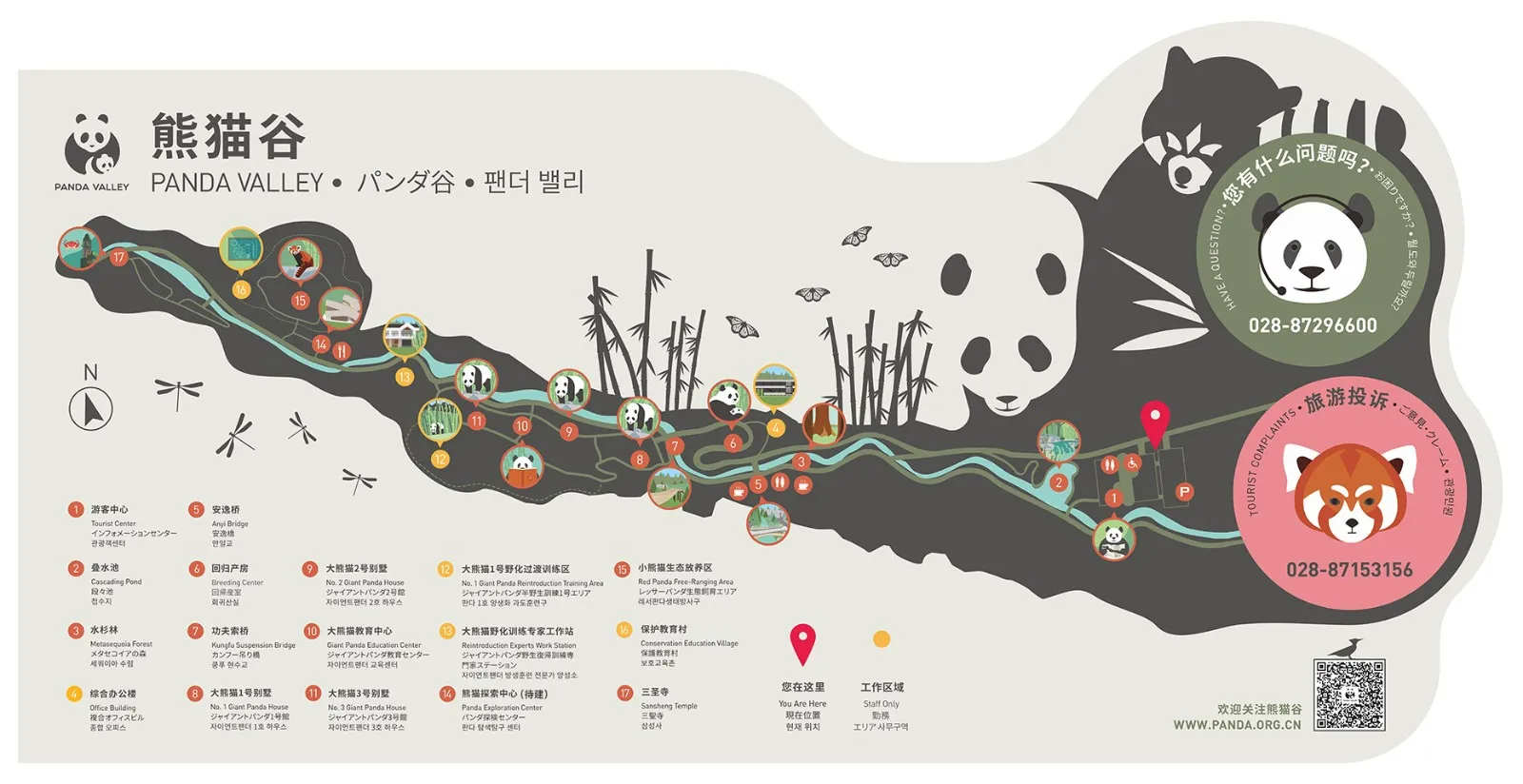
If you find the main Chengdu base too "Disney" and the Dujiangyan Base too "work-focused," Dujiangyan Panda Valley (officially the Chengdu Field Research Center for Giant Pandas) is your middle ground.
In 2026, it is celebrated as the "Hidden Gem" because it offers a much more intimate, quiet, and forest-like atmosphere. It’s essentially a "boutique" panda experience.
🦊 Why it’s the "Hidden Gem"
Panda Valley’s primary mission is wild reintroduction training, meaning the enclosures are designed to look like the rugged mountainside rather than manicured gardens.
-
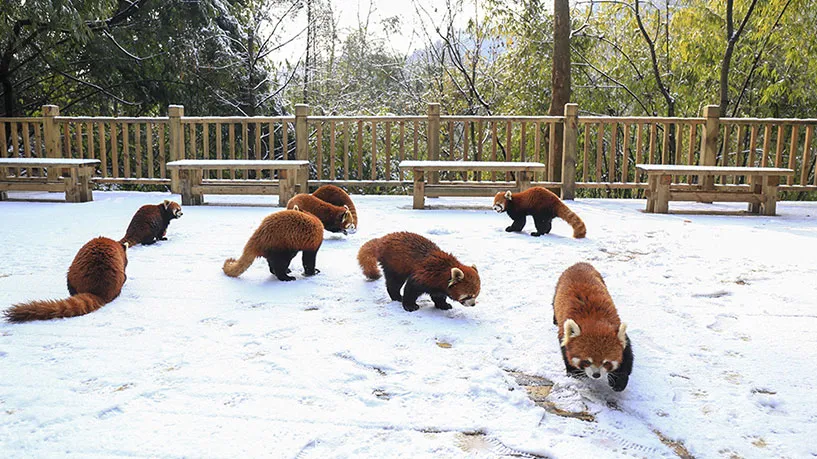
The Red Panda Walkway: This is the base's "killer feature." Unlike most places where red pandas are behind glass or far away, here they roam freely in a large, fenced-in forest area. You walk on a wooden boardwalk, and they often trot right past your feet or nap in branches within arm's reach.
-
Fewer Pandas, Better Views: You won't see 50 pandas here, but the 10–15 who live here are often much closer to the fences.
-
Quiet Atmosphere: It lacks the massive tour-group energy of Chengdu. You can actually hear the sound of pandas chewing bamboo and the wind in the trees.
🎟️ Ticket & Booking Guide (2026)
-
Ticket Price: 55 RMB ($7.60 USD).
-
Booking Window: Tickets are released 7 to 14 days in advance.
How to Book:
-
WeChat (Official): Search for the Mini Program "熊猫谷" (Panda Valley).
-
Note: You will need your passport number. While it’s the most direct way, the English interface can be finicky.
-
-
Trip.com / Klook: These are the easiest for international visitors in 2026. They provide an English interface and instant confirmation for a small service fee.
-
Real-Name Entry: As with all bases, there are no on-site ticket sales. You must reserve online and bring your physical passport for the gate scanner.
🕒 Strategic Visiting Tips
| Time | Action | Why? |
| 07:50 AM | Arrival | The gate opens at 7:50 or 8:10 AM (seasonal). Be there early. |
| 08:30 AM | Giant Panda Villas | Catch them during their "breakfast frenzy" before the mountain humidity sets in. |
| 10:00 AM | Red Panda Area | This is the peak time for the red pandas to be active and roaming the boardwalks. |
🗺️ How to Get There from Chengdu
Panda Valley is closer to Dujiangyan city than the main Dujiangyan Base, making it very accessible:
-
High-Speed Rail: Take the train from Chengdu Xipu Station to Dujiangyan Station (approx. 20–30 mins).
-
Didi/Taxi: From the station, it’s a short 15-minute ride (approx. 20 RMB) to the Valley entrance.
Direct Peer Tip: If you are a photographer, this is your best bet. The lighting in the valley is softer, the crowds aren't in your shot, and the Red Panda Ecological Area offers the best wildlife portraits in the region. Bring bug spray—the "natural" setting means the mosquitoes are also quite active!
3.5 The "Wilderness" Choice: Bifengxia Panda Base (Ya’an)
If the other bases are the "Celebrity" or "Active" choices, Bifengxia Panda Base in Ya’an is the "Wilderness" Choice.
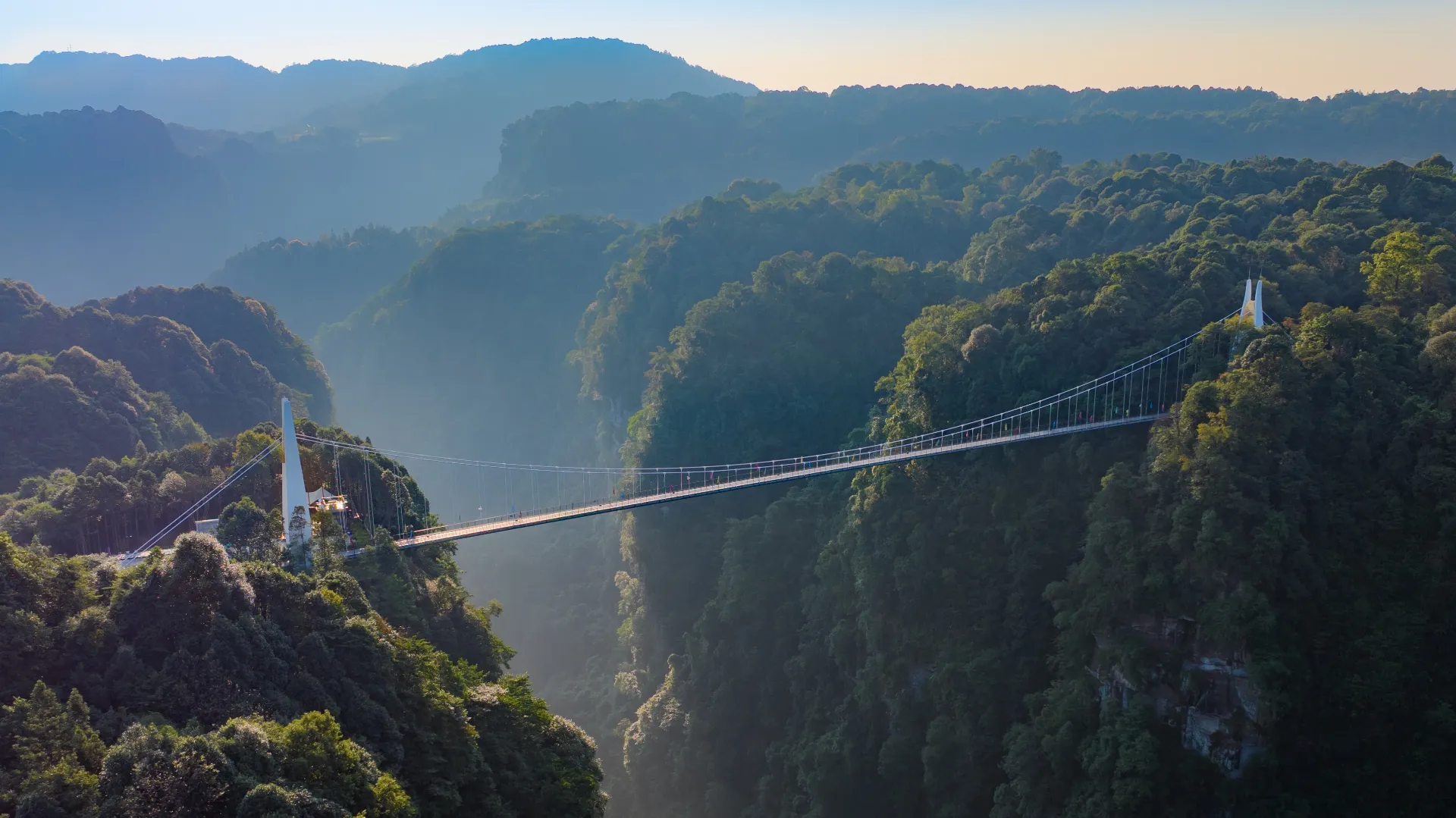
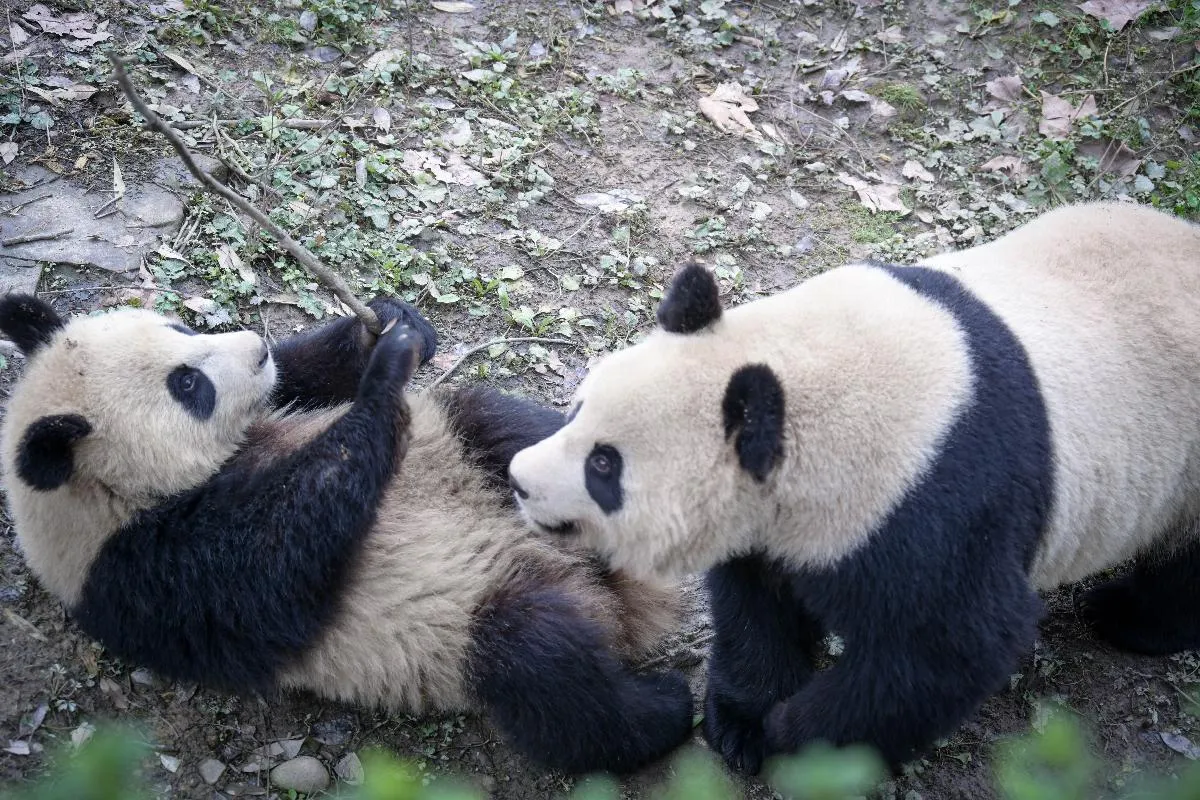
Located about 150km (2.5 hours) from Chengdu, Bifengxia is set within a massive, lush V-shaped gorge. In 2026, it remains one of the largest and most scenic panda facilities in the world, famous for housing "returnee" pandas and offering the most rugged, nature-focused experience.
🌲 Why it’s the "Wilderness" Choice
Bifengxia feels like a true sanctuary because it’s integrated into a national scenic ecological park. You don't just "see pandas"; you embark on a nature trek through a landscape that looks like a traditional Chinese ink painting.
-
The Gorge Landscape: To reach the pandas, you typically take a 128-meter glass elevator (the "Qingyun Ladder") down into a deep canyon filled with waterfalls, ancient bridges, and misty forests.
-
Returnee Superstars: This base is the primary home for pandas who have returned to China from overseas. Famous residents have included Tai Shan (from the US) and the parents of many international cubs.
-
The "Rain City" Climate: Ya’an is known as the "Rain City." The near-constant mist and 90% vegetation cover keep the pandas much more active here during the summer compared to the sweltering heat of Chengdu.
🎟️ Ticket & Booking Guide (2026)
Booking here is unique because you are purchasing access to the entire scenic area.
-
Core Package: 185 RMB ($25 USD). This typically includes the Panda Base, the Gorge Scenic Area, the sightseeing bus, and the elevator fees.
-
Booking Window: Tickets are available 14 days in advance via WeChat or major travel platforms.
How to Book:
-
WeChat (Official): Search for "碧峰峡" (Bifengxia). You will need your Passport Number and a mobile phone number for real-name registration.
-
Trip.com / Klook: This is the easiest route for international visitors. You can book "Entrance Only" or a "Private Day Tour" which includes a driver from Chengdu.
-
Physical Passport Required: There are no physical ticket windows for foreigners in 2026; you must reserve online and swipe your original passport at the turnstile.
🕒 The "Wilderness" Strategy
| Time | Activity | Why? |
| 07:30 AM | Leave Chengdu | It’s a 2.5-hour drive. Leaving early is the only way to catch breakfast. |
| 09:30 AM | Panda Kindergarten | This is the peak time for cubs to be active. Visit the Leopard Mountain area for returnee stars. |
| 12:00 PM | Lunch | Dine at the base canteen or bring a picnic. Options inside the gorge are very basic. |
| 1:30 PM | Gorge Hike | Walk the 5.5km ecological trail. It features ten waterfalls and "God’s Eye" views of the canyon. |
🛠️ Volunteering in 2026
Bifengxia is the premier hub for Multi-Day Volunteer Programs (1, 3, or 7 days).
-
Cost: Roughly 1,500 – 3,600 RMB ($200–$500) depending on length.
-
Unique Tasks: Beyond cleaning and feeding, volunteers at Bifengxia often learn about biochemical analysis and behavioral research from resident experts.
-
Requirement: Must be aged 12–65 and provide a basic health certificate.
Direct Peer Tip: Ya’an is famously damp with over 200 rainy days a year. Even if Chengdu is sunny, bring a raincoat and waterproof hiking shoes. The mountain paths can be slippery, and the "mist" often turns into a steady drizzle.
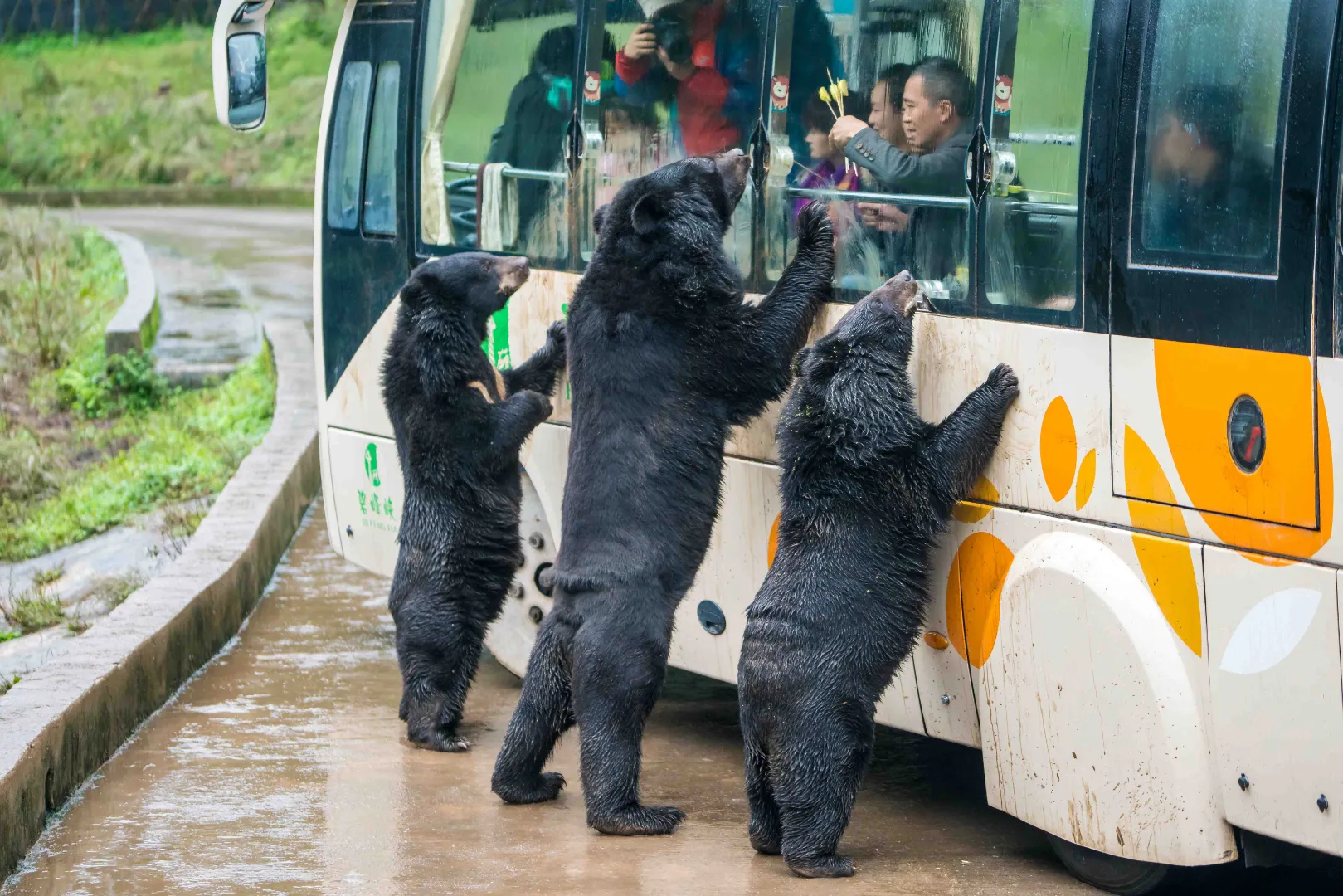
3.6 Beijing Zoo
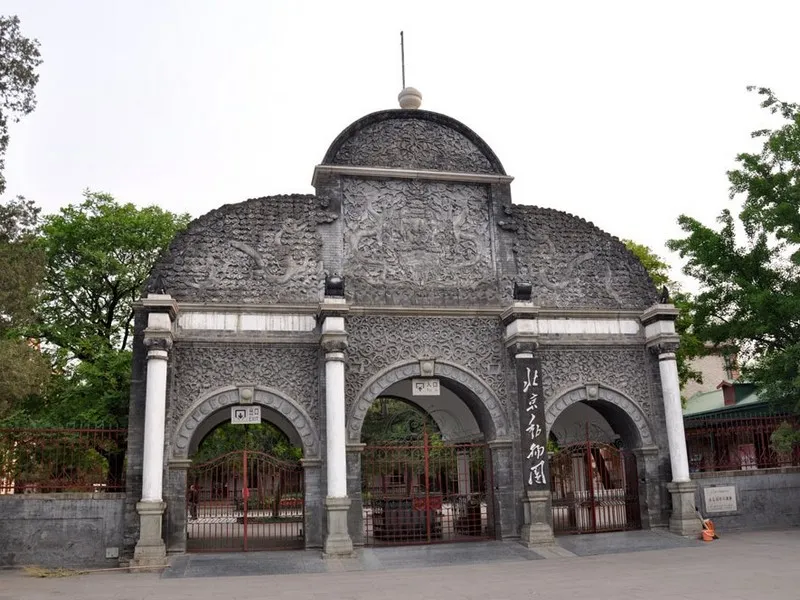
If you’re in the capital and can't make it to Sichuan, the Beijing Zoo is your "Urban Superstar" choice. It is home to arguably the most famous panda in China right now, Meng Lan, whose popularity rivals that of any A-list celebrity.
🎭 The Main Attraction: "Third Prince" Meng Lan
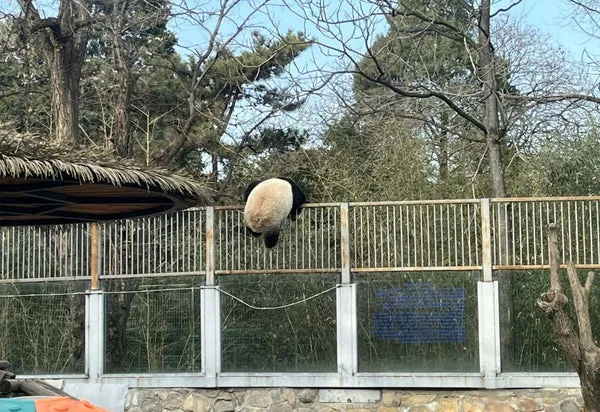
Meng Lan (nicknamed the "Third Prince of Xizhimen") is a viral sensation known for his high IQ and mischievous personality.
-
The "Prison Break": He became globally famous for successfully climbing out of his enclosure in 2021 to say hello to visitors (he has since been moved to a more "secure" but spacious Olympic Pavilion).
-
The Kung Fu Panda: He is often seen doing the "splits," "talking" to his keepers, or playing with the birds that fly into his yard.
-
The "Sit-In": Unlike other pandas who eat lying down, Meng Lan often sits upright like a human, making for incredible photos.
🎟️ Ticket & Booking Guide (2026)
In 2026, the Beijing Zoo uses a unified real-name booking system.
| Ticket Type | Peak Season (Apr–Oct) | Off-Season (Nov–Mar) |
| Zoo Entry Only | 15 RMB | 10 RMB |
| Combo (Zoo + Panda House) | 19 RMB (~$2.60 USD) | 14 RMB (~$2.00 USD) |
| Seniors (60+) | Free (w/ Passport) | Free (w/ Passport) |
How to Book:
-
WeChat (Official): Search for the Mini Program "北京动物园" (Beijing Zoo).
-
Click "Buy Tickets" (购票) → Select the "Zoo + Panda House" Combo.
-
You will need your Passport Number.
-
-
English Platforms: Trip.com and GetYourGuide are excellent backups for 2026. They allow you to pay with international cards and send a QR code directly to your email.
-
Real-Name Entry: You must bring your physical passport. You scan the passport (or the QR code from your booking) at the gate.
🕒 The "Meng Lan" Strategy (Battle Plan)
If you want to see the star, you have to be strategic.
-
The 7:30 AM Sprint: The zoo opens at 7:30 AM. If you aren't at the gate by then, expect a 1–2 hour wait just for the Panda House.
-
Target the "Olympic Pavilion": This is where Meng Lan lives. The "Asian Games Pavilion" houses other pandas, but the crowd is always heaviest at the Olympic section.
-
Active Hours: Meng Lan is most active between 8:00 AM and 10:00 AM. After 11:00 AM, he usually goes inside for a nap, and you'll only see him through glass (or not at all).
📍 Location & Logistics
-
Address: 137 Xizhimenwai St, Xicheng District, Beijing.
-
Subway: Take Line 4 to Beijing Zoo Station (动物园站). Use Exit B—it leads you directly to the South Gate.
-
Pro Tip: The Panda House is located right next to the South Gate. Don't get distracted by the other animals on your way in; go straight to the pandas first, then explore the rest of the zoo later.
Note for 2026: Because the Beijing Zoo is so affordable and centrally located, it is extremely crowded on weekends and public holidays. If possible, visit on a Tuesday or Wednesday morning to avoid the "paparazzi" crowds surrounding Meng Lan's enclosure.
3.7 Chongqing Zoo
While Beijing has the "Kung Fu" star, the Chongqing Zoo is the world capital of "Panda Social Life." If you’ve ever seen a viral video of four pandas sitting around a wooden table like they're having a business meeting or playing mahjong, it was filmed right here.
In 2026, it remains one of the most charming and accessible urban zoos, famous for its "dining room" aesthetics and a high density of playful twin pandas.
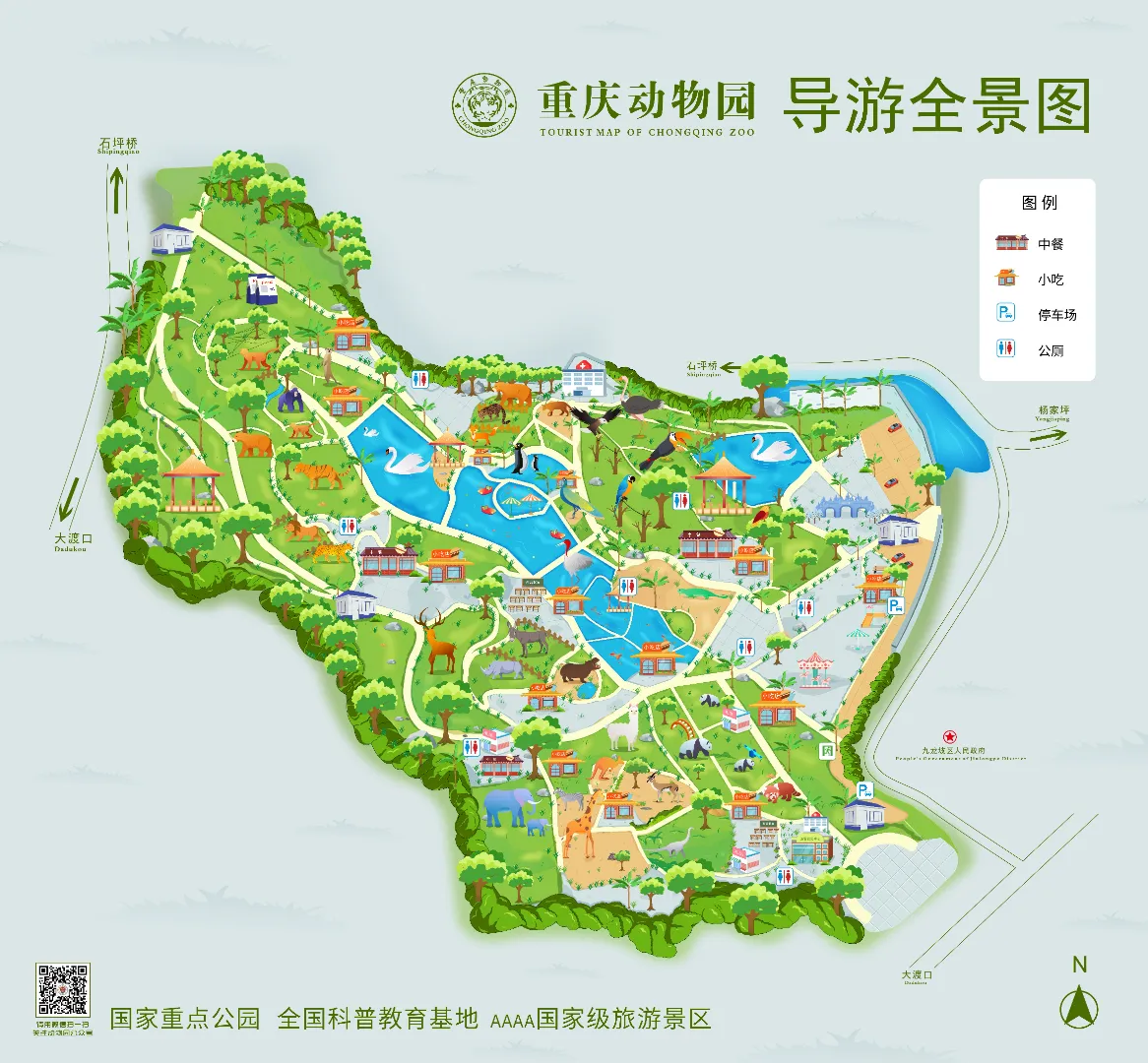
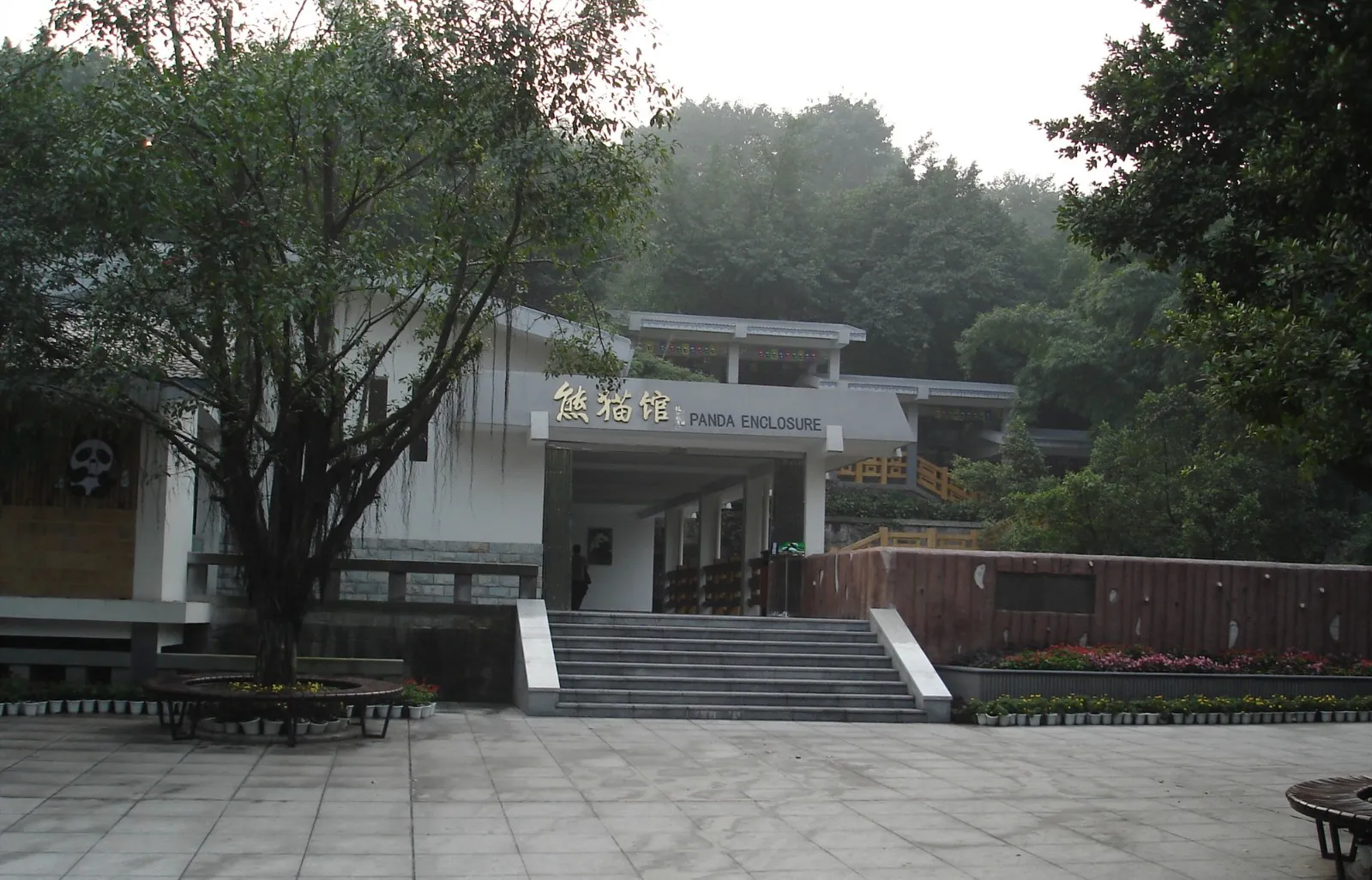
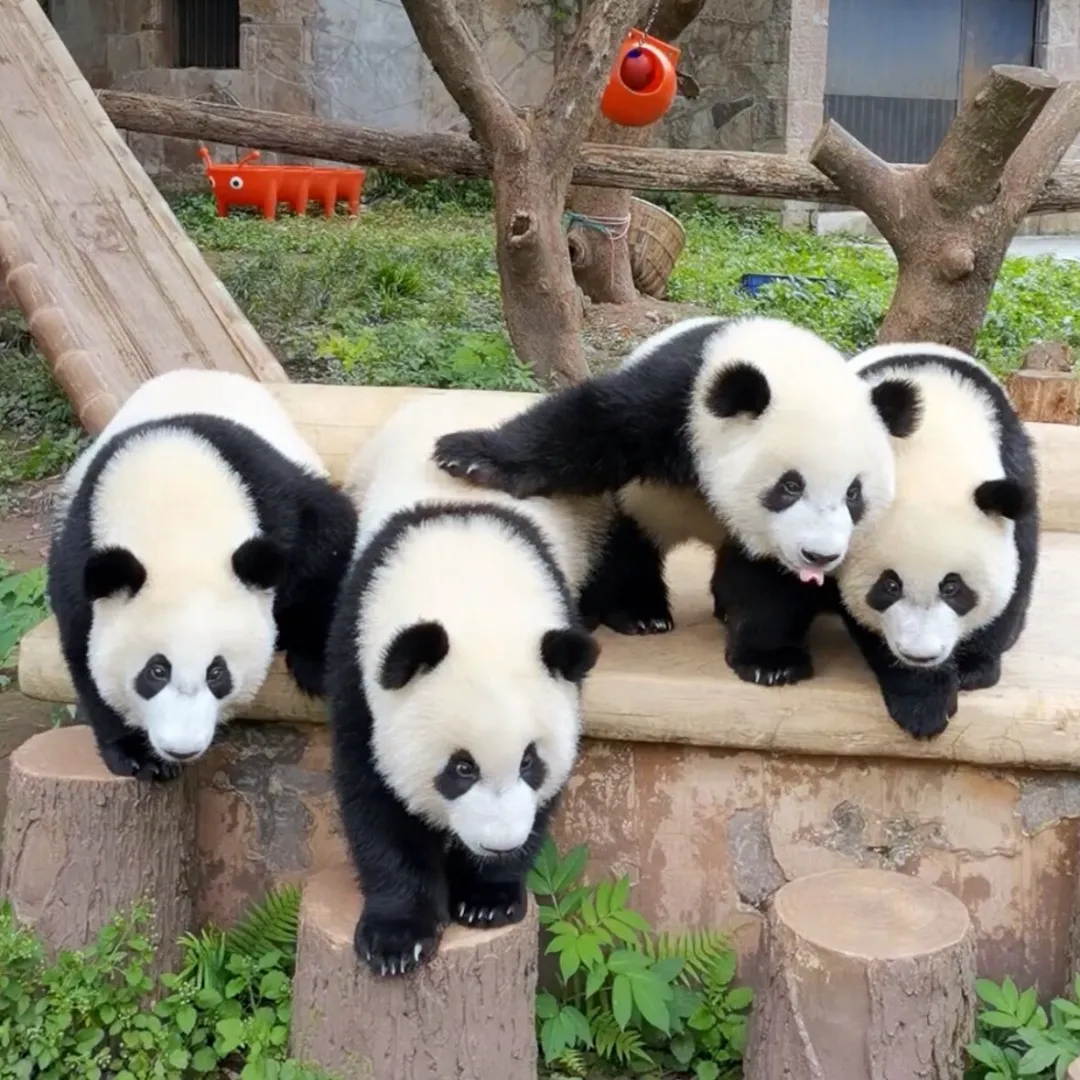
🍵 The "Tea House" Vibe: Four Pandas, One Table
The Chongqing Zoo became a global sensation because of its unique enrichment program. Keepers often arrange food (apples, carrots, and bamboo) on a small wooden table with four chairs.
-
The "Mahjong" Squad: The stars of this show are typically the two sets of twins—Shuang Shuang, Chong Chong, Xi Xi, and Qing Qing. Watching four 200lb bears sit upright in chairs to "dine" together is a surreal experience you won't find anywhere else.
-
The 2026 New Star: Keep an eye out for Mang Can Can (The Panda King of Cars), known for his obsession with a small wooden toy car in his enclosure.
🎟️ Ticket & Booking Guide (2026)
Chongqing Zoo is incredibly affordable, making it a favorite for locals and travelers alike.
-
Adult Ticket: 25 RMB (approx. $3.50 USD).
-
Off-Season (December): 20 RMB.
-
Seniors (65+): Free (with physical passport).
How to Book:
-
WeChat (Official): Search for "重庆动物园" (Chongqing Zoo). You can book 1–7 days in advance.
-
Klook / Trip.com: These are the best options for 2026 if you want to avoid the Chinese-only interface. They offer instant QR-code tickets that let you bypass the ticket window.
-
Real-Name System: You must bring your physical passport. Even if you book through a third party, the gate staff will scan your ID to verify the booking.
🕒 The "Chongqing" Strategy
-
The "Table Talk" Hour: Feeding usually happens around 9:00 AM – 10:30 AM. If you want to see them at the table, you must be at the Panda House during this window.
-
Second East Gate (Secret Entrance): Most people use the main gate. If you use the Second East Gate (东二门), you are much closer to the Panda House and can beat the crowds entering from the subway side.
-
Afternoon Active Window: If you miss the morning, try 3:00 PM – 4:30 PM. This is their second feeding window when they wake up from their afternoon nap.
📍 Logistics: Getting There
-
Subway: Take Line 2 (the famous "monorail" that goes through buildings) to Zoo Station (动物园站). Use Exit A or B.
-
Address: 1 Xijiao Village, Jiulongpo District, Chongqing.
-
Pro Tip: Chongqing is the "Mountain City." The zoo has quite a few hills and stairs. Wear comfortable walking shoes and bring water—the humidity in Chongqing is no joke, even for the pandas!
Note for 2026: Because this zoo is in the heart of the city, it gets extremely busy on weekends. If you can, visit on a weekday morning to get a front-row spot at the "panda tea party" table.
3.8 Shanghai Zoo and Wild Animal Park
In Shanghai, you have two very different ways to get your panda fix. The choice depends on whether you want a quick, convenient city break or an all-day safari adventure.
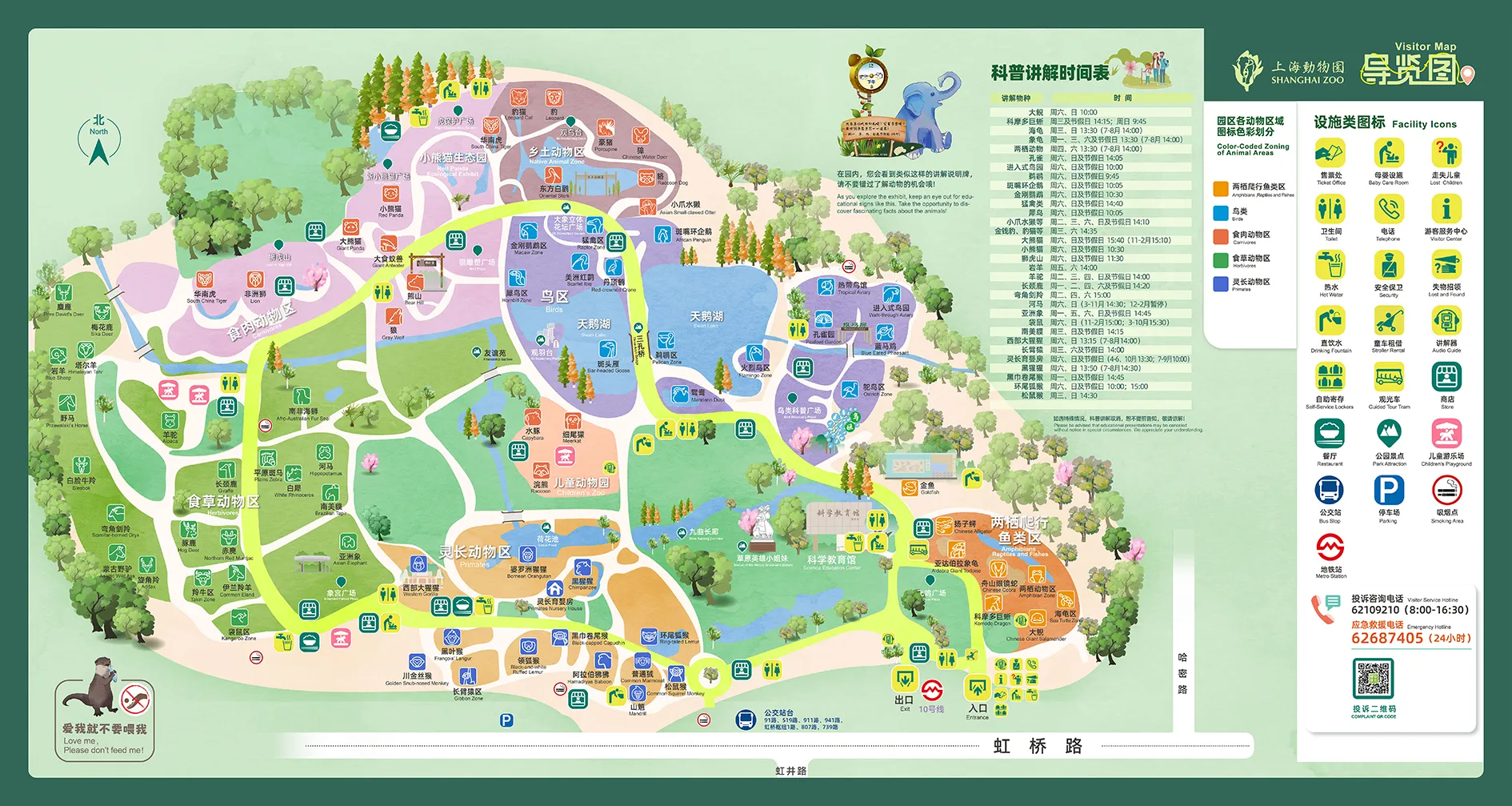
🏙️ The "City Oasis": Shanghai Zoo
Located right in the heart of the city near Hongqiao Airport, this is the most convenient option for a short visit.
-
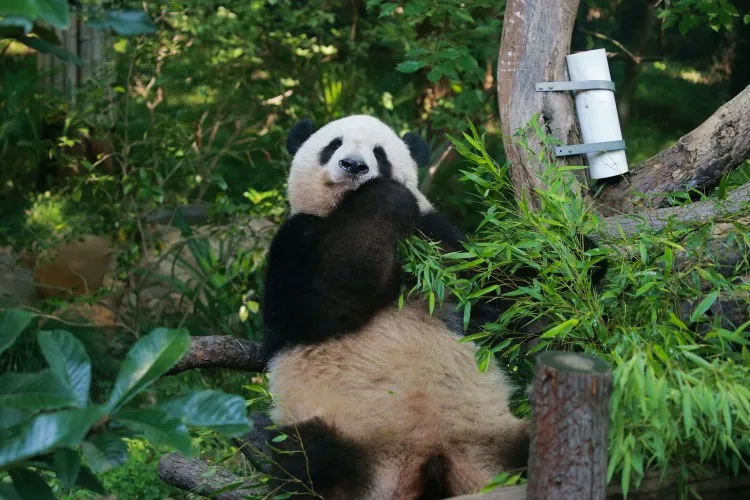
The Panda Residents: In 2026, the stars are Xing Guang and He Feng. They are known for their spacious, fan-shaped pavilion that allows for great visibility even when they are indoors.
-
The Vibe: It feels like a massive public park. It’s quiet, filled with locals, and features beautiful landscaping and "charming" hand-painted animal signage.
-
Booking & Price:
-
Price: 40 RMB (approx. $5.50 USD).
-
How to Book: Use the Shanghai Zoo WeChat mini-program or platforms like Trip.com and Klook.
-
Getting There: Metro Line 10 to "Shanghai Zoo Station" (Exit 1). It is literally right outside the subway exit.
-
🐆 The "Adventure" Choice: Shanghai Wild Animal Park
Located in Pudong (about 1 hour from the city center), this is a massive AAAAA-rated national park. It is significantly more expensive but offers much more interaction.
-
The Panda "Dynasty": This park is a major breeding hub. In late 2025, the resident panda Qian Jin gave birth to twins, who will be active toddlers in 2026! You’ll also see stars like the mischievous Kang Kang and "Eating Champion" Qian Jin.
-
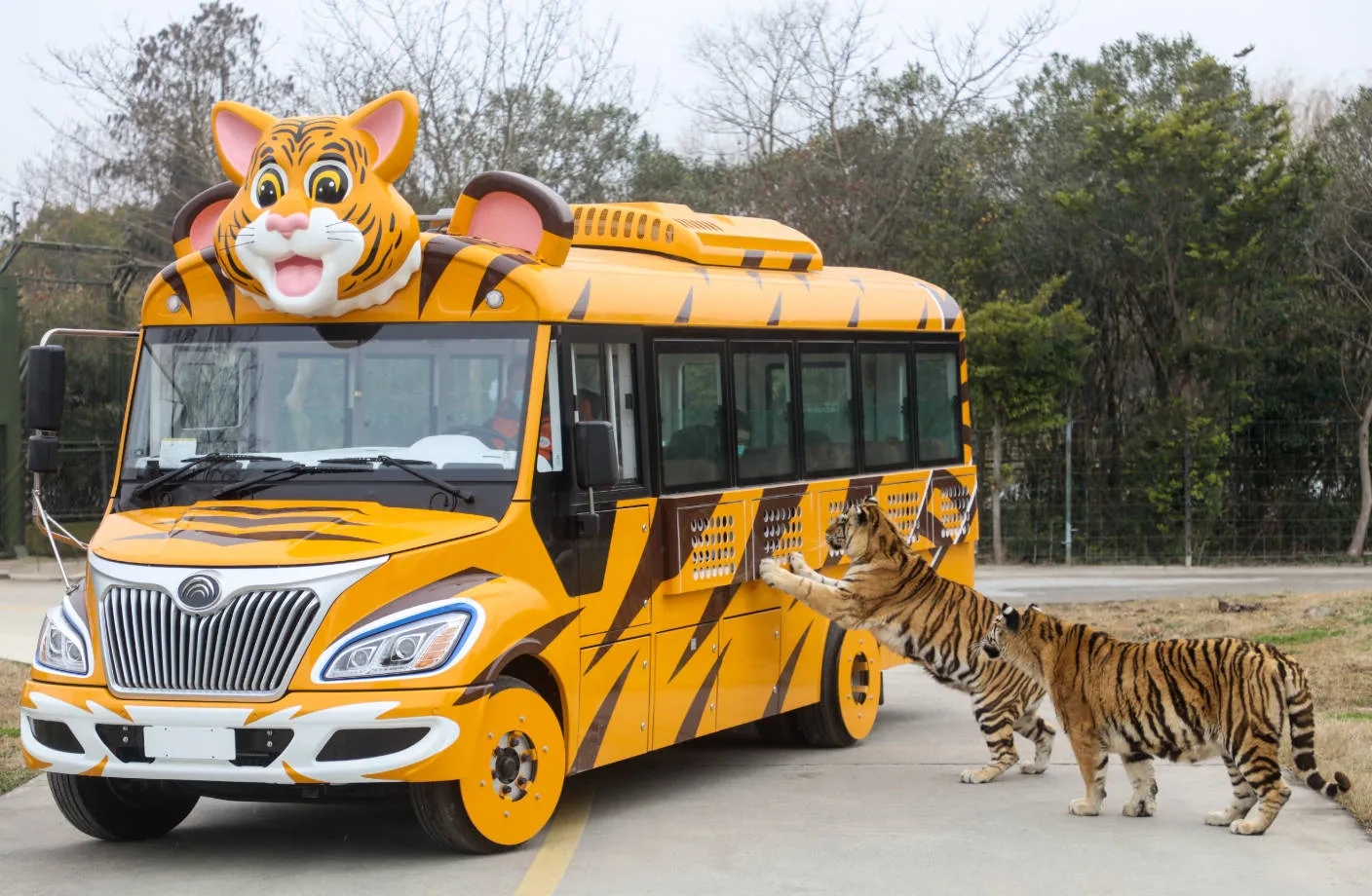
The "Wild" Experience: You can take a bus or boat safari through the "Beast Zone" to see lions and tigers roaming freely, and there are dedicated areas for feeding red pandas and lemurs.
-
Booking & Price:
-
Price: Approx. 130–165 RMB ($18–$23 USD).
-
How to Book: Use the Shanghai Wild Animal Park WeChat mini-program or Klook/KKday. These tickets are "Real-Name," so you must have your physical passport to enter.
-
Getting There: Metro Line 16 to "Wild Animal Park Station," then a short shuttle bus or taxi to the gate.
-

📊 Comparison at a Glance (2026)
| Feature | Shanghai Zoo | Shanghai Wild Animal Park |
| Panda Focus | Classic viewing of 2 stars. | High-density breeding (including twins!). |
| Duration | 1.5 – 2 hours. | 4 – 6 hours (full day trip). |
| Location | Central (Changning District). | Remote (Pudong New Area). |
| Best For | Casual tourists / Budget travelers. | Families / Wildlife enthusiasts. |
| Unique Extra | Primate area & Golden Monkeys. | Safari bus & Red Panda feeding. |
💡 2026 Pro-Tip: The "Newcomers"
In early 2026, Japan returned its last two pandas, Xiao Xiao and Lei Lei, to China. While their final permanent home is usually in Sichuan, keep an eye on local news—they occasionally undergo quarantine or temporary stays in Shanghai facilities before moving west!
3.9 Hong Kong Ocean Park
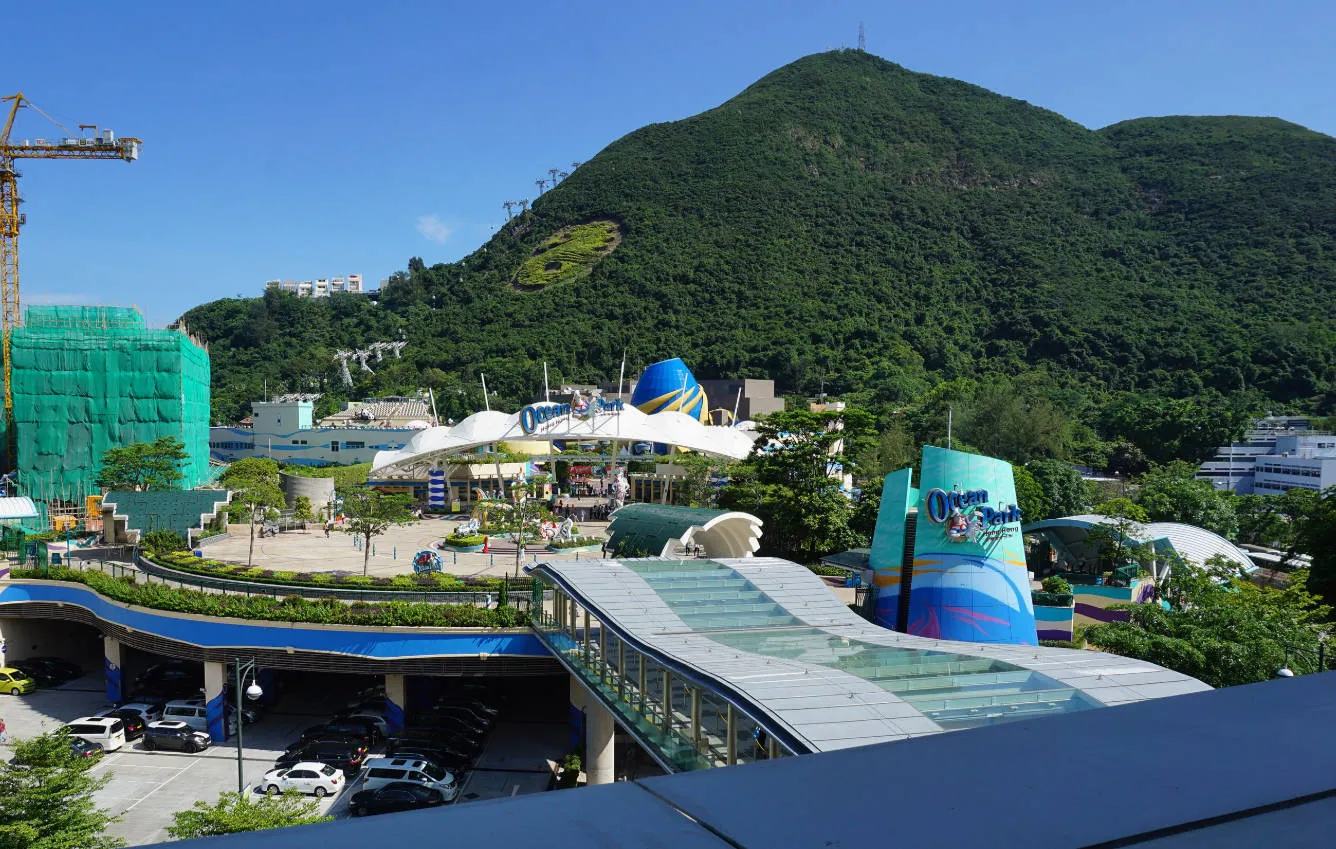
In 2026, Ocean Park Hong Kong has officially become the "Panda Hub of the South." After decades of having just two resident pandas, the park’s population tripled almost overnight, making it a world-class destination for panda lovers.
🐼 The "Family of Six"
In 2026, Ocean Park is home to an incredible six giant pandas, split across two main pavilions:
01. The Homegrown Twins: "Jia Jia" & "De De"
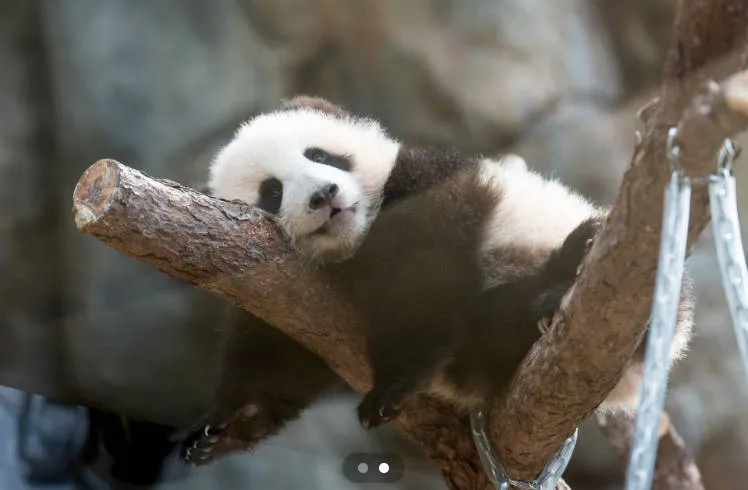
Born in August 2024 to mother Ying Ying and father Le Le, these twins are the first-ever pandas born in Hong Kong.
-
Jia Jia (Elder Sister): Known for being independent and agile; she loves climbing trees.
-
De De (Little Brother): More outgoing and "clingy" with his keepers.
-
Where to see them: They reside in the Giant Panda Adventure at the Waterfront.
02. The New Arrivals: "An An" & "Ke Ke"
Gifted by the Central Government in late 2024, this pair represents the next generation of Hong Kong's panda family.
-
An An (Male): A "gentle giant" and big foodie with a sensitive soul.
-
Ke Ke (Female): A sweet, rounded girl who is an expert climber.
-
Where to see them: They live in the Hong Kong Jockey Club Sichuan Treasures pavilion.
🎟️ Ticket & Booking Guide (2026)
Unlike the mainland bases, Ocean Park is a full-scale theme park. Your admission covers the pandas, the aquarium, and all thrill rides.
-
Adult Ticket: HK$498 – HK$538 (approx. $64 – $69 USD).
-
Child Ticket (3–11): HK$249 – HK$269 (approx. $32 – $35 USD).
-
Seniors (65+): Free for Hong Kong residents; international seniors pay child/adult rates.
How to Book:
-
Official Website: oceanpark.com.hk. You can buy tickets up to 180 days in advance.
-
Klook / Trip.com: Highly recommended for 2026. These platforms often offer "Skip-the-Line" (FasTrack) bundles which are essential if you're visiting on a weekend.
-
No Reservation Required: As of early 2026, you generally do not need to book a specific date reservation after buying your ticket, but check the website for "Critical Notices" during public holidays.
🕒 The "Panda Pro" Strategy
-
The 10:00 AM Rule: Both panda pavilions open at 10:00 AM. Head straight to Giant Panda Adventure first, as the "homegrown twins" draw the biggest crowds.
-
The 3 PM Cut-off: The pandas often move to back-of-house areas for feeding or rest around 3:00 PM – 4:30 PM. To see them active, aim for the morning window.
-
"A Treasured Moment" VIP Tour: For about HK$1,500, you can book a 30-minute private viewing before the park opens. This is the only way to get "glass-free" photos and a commemorative certificate.
-
Panda TV: If the queues are too long, the park now broadcasts a 24/7 Live Stream ("Panda TV") on monitors around the park and on their official app.
📍 Logistics
-
Getting There: Take the MTR South Island Line to Ocean Park Station. It’s a 6-minute ride from Admiralty.
-
The "Panda Souvenir" Trap: The shop at the exit of Giant Panda Adventure has exclusive "Twin" merchandise. In 2026, the Realistic Panda Cub Plush (which mimics the weight of the twins at birth) is the must-have item.
3.10 Guangzhou Chimelong Safari Park
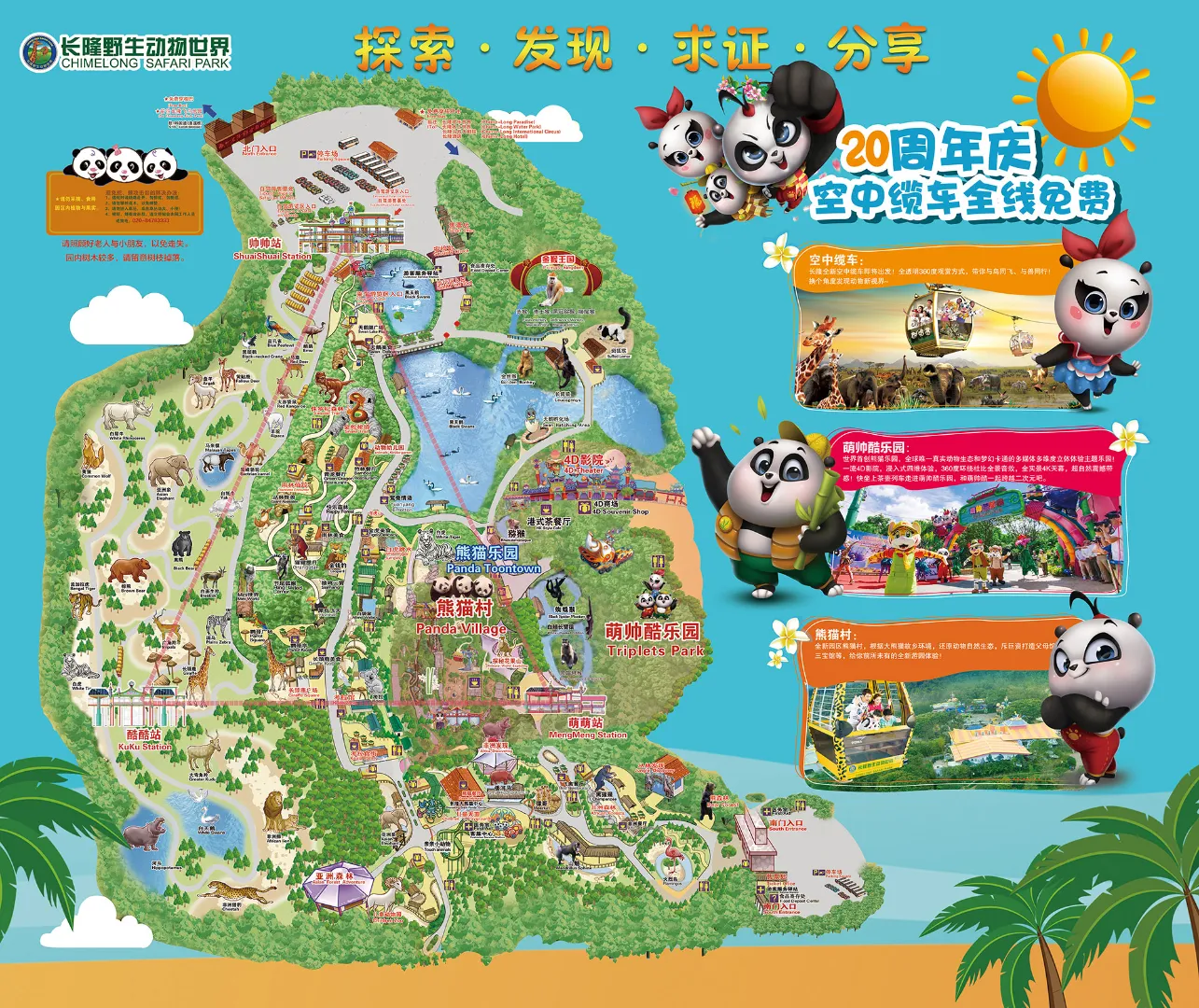
If you’re looking for the "Family Fun" choice, Guangzhou Chimelong Safari Park is the gold standard. It’s not just a panda base; it is a massive, world-class wildlife resort that feels like the "Disney World" of animal parks.
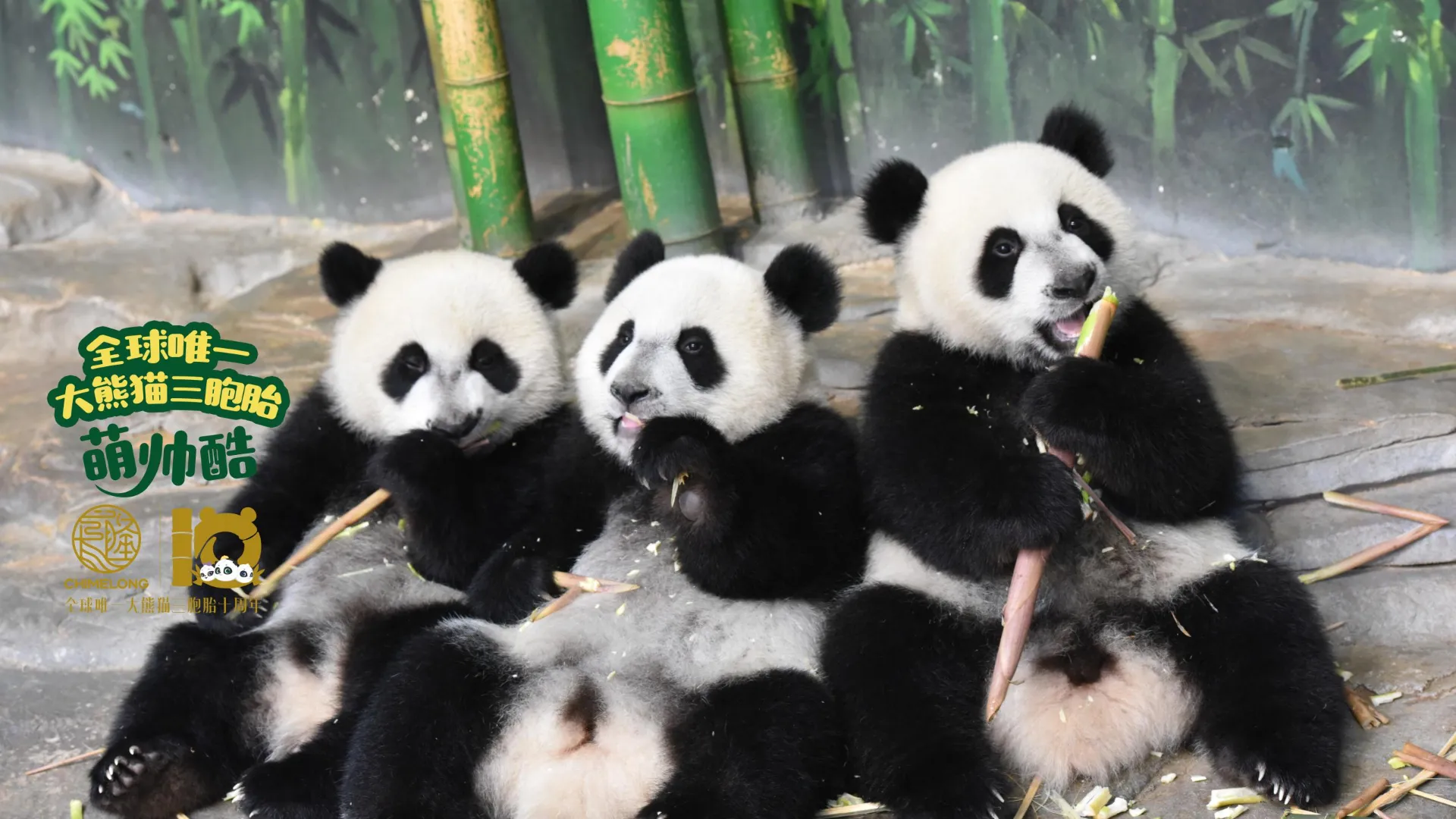
In 2026, it remains globally famous for one major reason: it is the only place on Earth where you can see giant panda triplets living together.
🐼 The "Triplet" Legacy
The stars of Chimelong are Meng Meng, Shuai Shuai, and Ku Ku. Born in 2014, they are the world's only surviving giant panda triplets.
-
The New Generation: In 2026, the legacy continues with Mei Zhu, the daughter of the eldest triplet, Meng Meng. Seeing the "second generation" of this famous lineage is the highlight of the current season.
-
Panda Village: This area is designed with a high-tech "fairytale" aesthetic. The pandas live in large, climate-controlled glass enclosures with lush indoor gardens, making it a great choice if you want to avoid the Guangzhou humidity.
🎟️ Ticket & Booking Guide (2026)
Chimelong is a premium destination, and the pricing reflects its "resort" status.
-
Adult Standard Ticket: Roughly 300 – 350 RMB (approx. $42 – $48 USD).
-
Child/Senior Ticket: Roughly 210 – 245 RMB ($29 – $34 USD).
-
Booking Platform:
- International: Klook and Trip.com are the most reliable for 2026. They offer "instant" QR code tickets that skip the physical ticket line.
-
Official: The Chimelong (长隆) WeChat Mini-Program. You will need your Passport Number for real-name registration.
🚠 The "Triple Threat" Experience
At Chimelong, you don't just walk past enclosures. There are three ways to see the animals:
-
The Small Train: A free, open-air tram that drives you through the "Self-Drive" safari zone. You’ll see giraffes, zebras, and tigers roaming in large, open landscapes.
-
The Sky Cable Car: A 360-degree transparent-bottom gondola. It is included in your ticket and offers a "bird's eye view" of the panda village and the African savanna.
-
The Walking Area: This is where the Panda Village, Koala Garden (one of the largest populations outside Australia), and the White Tiger show are located.
🕒 Strategic 2026 Visit Plan
-
The "North Gate" Entry: If you arrive by taxi, ask to be dropped at the North Gate. This puts you right at the start of the Small Train and the Cable Car.
-
Panda Timing: Most pandas are fed between 9:30 AM and 11:00 AM. Aim to be at the Panda Village by 10:00 AM to see the triplets and the cub, Mei Zhu, at their most active.
-
Mei Zhu's 5-Minute Rule: Due to the cub's popularity, there is often a 5-minute viewing limit per person at her specific enclosure during peak hours (11:00 AM – 2:00 PM).
📍 Logistics: Getting There
-
Subway: Take Metro Line 3 or Line 7 to Hanxi Chimelong Station. Use Exit D or E, where a free shuttle bus takes you to the various park entrances and hotels.
-
Stay at the Panda Hotel: If you have kids, the Chimelong Panda Hotel is an experience in itself—the rooms are themed after the triplets, and the breakfast buffet features a "Panda Theater" with live performances.
Note for 2026: If you are visiting during the Canton Fair (April/May or Oct/Nov), book your tickets at least 10 days in advance. The park becomes the #1 weekend destination for international exhibitors and their families.
3.11 Shaanxi Rare Wildlife Rescue and Breeding Centre
If Chengdu is the "Hollywood" of pandas, the Shaanxi Rare Wildlife Rescue and Breeding Centre (often called the Qinling Four Rare Animals Science Park or simply Louguantai) is the "Indie Film" of the panda world.
Located about 70km (1.5 hours) from Xi'an, this base is famous for housing the Qinling Panda—a subspecies distinct from the Sichuan pandas, known for having rounder faces, shorter snouts, and a more "cat-like" appearance.
🤎 The "Brown Panda" Phenomenon: Qizai
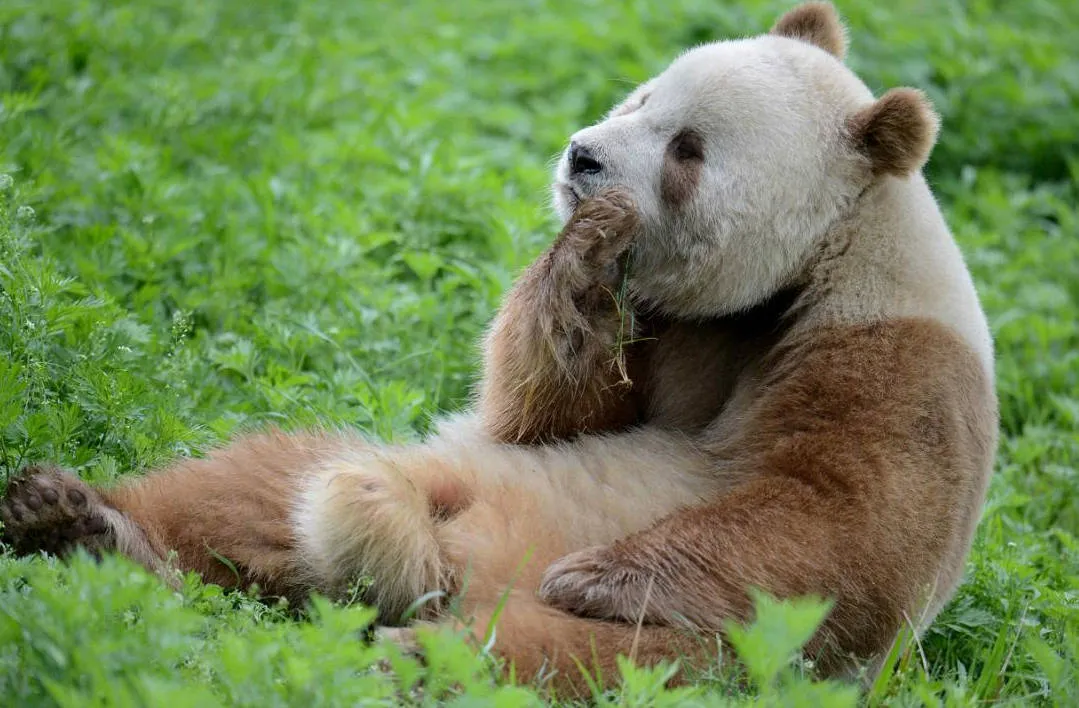
In 2026, this base is the exclusive home of Qizai, the world's only brown-and-white giant panda in captivity.
-
The "Chocolate" Panda: Qizai’s fur is a light tan/brown instead of black. He is a global celebrity, and seeing him "in the fur" is a bucket-list item for serious panda enthusiasts.
-
Why he's there: He was rescued as a cub in the Qinling Mountains. Because he is a unique genetic mutation, he stays here for research and specialized care.
🏛️ The "Four Treasures" of Qinling
Unlike the Sichuan bases that focus almost exclusively on pandas, this center showcases the "Four Treasures of the Qinling Mountains." You’ll see:
-
Qinling Giant Pandas: Including the brown star, Qizai.
-
Crested Ibis: A beautiful bird once thought to be extinct.
-
Golden Snub-nosed Monkeys: Stunning, blue-faced monkeys with orange fur.
-
Takin: Large, goat-antelope creatures that look like they belong in a fantasy novel.
🎟️ Ticket & Booking Guide (2026)
This base is significantly cheaper and less "touristy" than those in Chengdu.
-
Peak Season (Mar–Nov): 30 RMB (approx. $4.15 USD).
-
Off-Season (Dec–Feb): 20 RMB (approx. $2.75 USD).
-
Booking Window: Tickets are usually available on-site, but you can also book via the "Qinling Sibao Science Park" WeChat mini-program (秦岭四宝科学公园).
How to Get There from Xi'an:
-
Option A (Private Car): The most common way. A Didi or private driver from Xi'an costs roughly 300–400 RMB for a round trip.
-
Option B (Public Bus): Take the Huan Shan Tour Bus No. 1 from the North Square of the Big Wild Goose Pagoda (operates 8:30 AM – 11:30 AM).
🕒 Strategy for 2026
-
The "Morning Only" Rule: Qizai and the other pandas are most active before 10:30 AM. By noon, Qizai is notorious for retreating into his den or becoming a "brown loaf" (napping).
-
Combine with Louguantai: The base is right next to the Louguantai Taoist Temple, where Laozi is said to have written the Tao Te Ching. It makes for a perfect "Nature + History" day trip.
-
Crowd Check: While it's quieter than Chengdu, Qizai’s enclosure can get crowded on weekends. Visit on a weekday if possible.
Direct Peer Tip: The path to the panda enclosures is a bit of an uphill walk. There are small electric carts (5–10 RMB) that can take you straight to the top. If you’re visiting in winter, dress warmly—the wind off the Qinling Mountains is much colder than in downtown Xi'an!
4. General Travel Tips for Giant Panda Sightseeing
To pull your 2026 panda tour together, you need to navigate a travel landscape that is increasingly digital yet strictly regulated. In 2026, China's "Smart Tourism" initiatives mean that your smartphone is just as important as your passport.
🛂 Entry & Logistics (The 2026 Update)
-
Visa-Free Entry: Many countries (including several in Europe and Southeast Asia) now enjoy 15-day visa-free entry into 2026. If you are from the US, UK, or Canada, you likely still need a standard L-Tourist Visa.
-
Real-Name Verification: This is the most critical rule of 2026. Every train ticket, hotel check-in, and panda base entry requires your physical passport.
-
Digital Arrival Card: Save time by filling out the China Digital Arrival Card online 24 hours before you land. It generates a QR code that makes immigration a breeze.
📲 The Digital Survival Kit
Cash is almost non-existent in 2026. You must set these up before you leave home:
-
Alipay & WeChat Pay: Download both. Link your international Visa or Mastercard. Alipay is generally more "foreigner-friendly" for initial setup, but WeChat is essential for "Mini Programs" used by the panda bases.
-
Trip.com: The gold standard for booking high-speed trains and hotels in English.
-
Didi (China's Uber): Found within the Alipay app or as a standalone app. It has a built-in translator so you can message your driver in English.
-
Amap (Gaode) or Apple Maps: Google Maps is unreliable. Apple Maps works well, but Amap is the local favorite for accurate subway exits.
-
VPN / eSIM: Buy an eSIM (like Airalo or Holafly) or a roaming plan to bypass the "Great Firewall" without needing a separate VPN.
🌡️ Best Times to Visit (Panda Activity)
| Season | Panda Behavior | Travel Tip |
| Spring (Mar–May) | Active & Playful. Mating season makes them very vocal and energetic. | Prime viewing; weather is perfect (15-22°C). |
| Summer (Jun–Aug) | Indoor Retreat. Pandas hate the heat (>26°C) and stay in AC rooms. | Best for seeing newborn "pink" cubs in nurseries. |
| Autumn (Sept–Nov) | Toddler Time. Cubs born in summer start crawling outdoors. | Best for photography; clear skies and colorful leaves. |
| Winter (Dec–Feb) | Snow Brawlers. Pandas love snow! They are most active in the cold. | Fewest crowds, but bring heavy layers for mountain bases. |
🚨 Top 3 "Pro Tips" for 2026
-
The "8:30 AM Rule": If you arrive at any panda base after 10:30 AM, you will see a lot of "panda butts" (they nap for 3–4 hours after breakfast). Be at the gate when it opens.
-
Avoid Public Holidays: Stay far away from the bases during Chinese New Year (usually Feb), Labour Day (May 1–5), and Golden Week (Oct 1–7). Crowds can exceed 60,000 people per day.
-
The Monday Closure: Most celebrity enclosures (like Hua Hua's in Chengdu) and museums close on Mondays for maintenance. Plan your "big" sightings for Tues–Sun.
Note on Health: In 2026, some bases still require a quick temperature check or a simple health declaration via a QR code at the entrance to ensure the safety of the animals.
5. How to Plan Your Ultimate Panda Tour Itinerary?
To plan the "Ultimate Panda Tour," you need to balance the major urban sites with the remote mountain sanctuaries. In 2026, the best route follows the "Panda Corridor" from the capital down into the heart of Sichuan.
Here are three tailored itineraries based on your travel style.
🗺️ Option 1: The "Grand Circuit" (7–9 Days)
Best for: First-time visitors who want to see the Great Wall AND the Pandas.
-
Days 1–3: Beijing
-
Panda Stop: Beijing Zoo (See Meng Lan early on Day 2).
-
Culture: Forbidden City and a sunset walk on the Mutianyu Great Wall.
-
Travel: Afternoon High-Speed Train to Xi'an (4.5 hours).
-
-
Days 4–5: Xi'an
-
Panda Stop: Qinling Science Park (See Qizai, the brown panda).
-
Culture: Terracotta Warriors and cycling the Ancient City Wall.
-
Travel: Evening High-Speed Train to Chengdu (3.5 hours).
-
-
Days 6–9: Chengdu & Dujiangyan
-
Panda Stop: Chengdu Research Base (Morning) and Panda Valley (Afternoon).
-
Culture: Hotpot in Kuanzhai Alley and a day trip to the Leshan Giant Buddha.
-
🌿 Option 2: The "Deep Sichuan" Nature Trek (5 Days)
Best for: Photography enthusiasts and those who prefer mountains over cities.
-
Day 1: Chengdu Arrival
-
Settle in, explore People's Park, and prep your gear.
-
-
Day 2: Wolong Shenshuping
-
Drive 2.5 hours into the mountains. Stay overnight in Gengda Village to experience the crisp mountain air and local Tibetan-Qiang culture.
-
-
Day 3: Wolong to Dujiangyan
-
Visit the Wolong Museum, then drive back toward Dujiangyan. Afternoon at Panda Valley to see the Red Panda walk-through.
-
-
Day 4: Dujiangyan Panda Base
-
Participate in the Volunteer Program (book 7+ days in advance). Clean enclosures and make "Panda Cake."
-
-
Day 5: Return to Chengdu
-
Visit the Dujiangyan Irrigation System (UNESCO) before heading to the airport.
-
🎒 Option 3: The "Panda Super-Fan" Volunteer Week (7 Days)
Best for: Those who want a "hands-on" conservation experience.
-
Day 1–2: Ya'an Bifengxia
-
Travel to Ya'an. Spend two days at Bifengxia. The scenery is wilder, and you can see many "returnee" pandas from overseas.
-
-
Day 3–6: Dujiangyan Volunteer Placement
-
Commit to a 3-day Volunteer Program. This allows you to build a rapport with the keepers and get a deeper look at panda behavior research.
-
-
Day 7: The "Superstar" Finale
-
Return to Chengdu for a final morning at the Chengdu Research Base to see celebrity panda Hua Hua before flying out.
-
🚂 2026 Logistics Table
| Route | Mode | Time | Booking Tip |
| Beijing → Xi'an | High-Speed Rail | 4.5 hrs | Book 15 days out on Trip.com. |
| Xi'an → Chengdu | High-Speed Rail | 3.5 hrs | Choose a seat on the left side for mountain views. |
| Chengdu → Wolong | Private Car / Didi | 2.5 hrs | Negotiate a "Day Rate" (approx. 600–800 RMB). |
| Chengdu → Dujiangyan | High-Speed Rail | 30 mins | Departs from Xipu Station (Metro Line 2/6). |
💡 Master Planning Tip
The "Triangle" Strategy: If you are flying internationally, try to book an "Open Jaw" ticket: Fly into Beijing (PEK/PKX) and out of Chengdu (TFU). This saves you a full day of backtracking across the country.
6. Frequently Asked Questions (FAQ)
Q1: Can I Hold a Panda?
A: No. Since 2018, the Chinese government has prohibited all direct physical contact between tourists and giant pandas. This includes "hugging" for photos or holding cubs.
Q2: Are pandas visible year-round?
A: Yes, but more active in cooler months.
Q3: How do I book volunteer spots?
A: Through official WeChat or agencies like China Discovery.
Q4: Are panda destinations suitable for children and seniors?
A: Yes. Most major panda bases are family-friendly and senior-friendly.
Q5: Can I visit panda bases independently without a tour?
A: Yes. Most panda bases are easy to visit independently. Guided tours are optional, not required.
Q6: How do I book tickets as a foreigner?
A: In 2026, Trip.com is the easiest way for international visitors because it accepts foreign credit cards and provides an English interface. Real-Name System: You must enter your passport number exactly as it appears. Entrance: You don't need a paper ticket; you simply swipe your original physical passport at the turnstile.
Seeing giant pandas in China is more than just ticking off a bucket list item—it’s an opportunity to connect with one of the world’s most iconic endangered species and contribute to their survival. By choosing ethical venues, visiting responsibly, and supporting conservation, you help ensure that future generations can also marvel at these beautiful bears.
Start planning your panda adventure today, and prepare for an experience filled with wonder, education, and unforgettable memories. Safe travels!