Planning a trip to Yanji, China? Discover how to safely view North Korea from Tumen and Hunchun, plus the ultimate guide to Yanbian Korean food and transport.
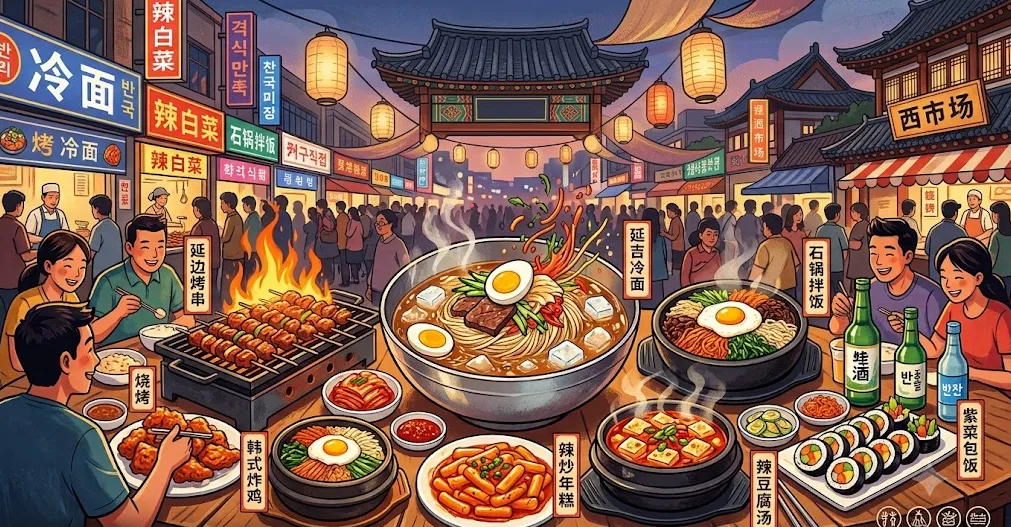
For most travelers, the borderlands of Northeast Asia remain shrouded in mystery. Yet, nestled in the mountainous corner of Jilin Province where China, Russia, and North Korea converge, lies a destination that defies simple categorization. Welcome to Yanji (延吉) and the Yanbian Korean Autonomous Prefecture—a vibrant, bilingual enclave where the street signs are written in both Chinese characters and Korean Hangul, and the air smells of charcoal-grilled lamb and ice-chilled fermented broth.
What is Yanji and why is it worth visiting? Yanji is the bustling capital of China's Yanbian Korean Autonomous Prefecture. It is a unique bilingual border hub that serves as the perfect launchpad for safe, legal glimpses into North Korea along the scenic Tumen River, while offering world-class Korean-Chinese fusion cuisine found nowhere else on earth.
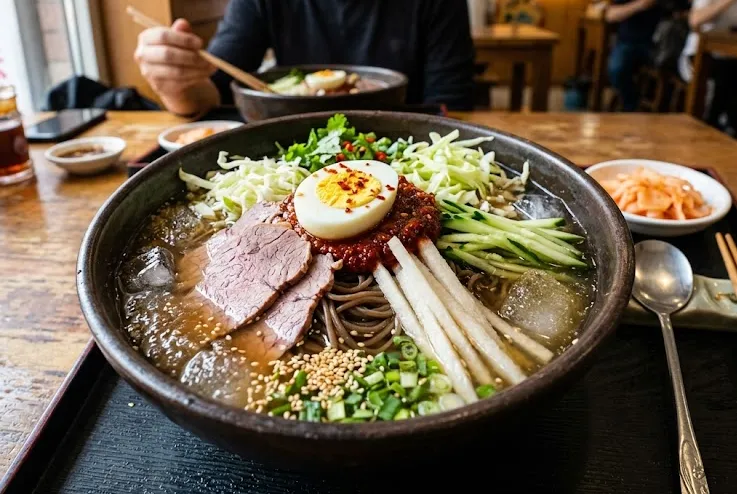
For Foodies, Yanji is nothing short of a culinary pilgrimage. This is not the standard Korean food you find in Seoul or Los Angeles; it is a rugged, deeply satisfying fusion of traditional Korean recipes adapted over generations to the harsh, bountiful seasons of Northeast China. Think succulent, hand-pulled cold noodles served in metal bowls with sweet pear slices, thick slabs of pork belly wrapped in crisp perilla leaves, and rich, bubbling soybean pastes that warm you to the bone.
For Explorers, Yanji represents the ultimate geopolitical frontier. A mere 15-minute bullet train ride from the city center brings you to the banks of the Tumen River, where only a few hundred meters of shallow water separate you from the locked towns and silent watchtowers of the Hermit Kingdom. It offers a rare, poignant opportunity to peer through a pair of binoculars and witness a world frozen in time, all while returning to a cozy, ultra-modern hotel by nightfall.
📌 The Quick Verdict on Yanji & The Border
-
Getting There: The easiest way is to take the high-speed bullet train from Changchun (2 hours) or fly directly from Seoul (ICN).
-
The Best Border View (Easy): Take a 15-minute train to Tumen and walk along the Tumen River Park to see North Korea at eye level.
-
The Best Border View (Epic): Travel to Hunchun (Fangchuan) to stand at the "Triple-Border" where China, North Korea, and Russia meet.
-
The Food: Do not miss the local specialties: Yanji Cold Noodles, Tumen Dry Tofu Skewers, and Hunchun Russian King Crab!
-
Safety: It is perfectly safe, but always carry your physical passport and never fly drones or photograph military checkpoints.
1. Getting to the Hub: How to Travel to Yanji (Air & Rail)
Because Yanji sits in a geographically isolated pocket of Northeast China, planning your journey requires a strategic approach. Fortunately, China’s high-speed rail network and regional airport make reaching this border metropolis surprisingly straightforward.
1. Flying into Yanji Chaoyangchuan International Airport (YNJ)
Yanji Chaoyangchuan Airport (延吉朝阳川国际机场 - YNJ) is small, incredibly efficient, and located just 5 kilometers (3 miles) southwest of the city center.
-
Domestic Connections: Direct flights connect Yanji to major Chinese hubs daily, including Beijing (PEK/PKX), Shanghai (PVG/SHA), and Changchun (CGQ). If you are starting your trip from southern or western China, connecting via Changchun or Beijing is usually your fastest and most cost-effective option.
-
International Connections: For global travelers, Yanji boasts direct, highly sought-after flights to and from Seoul Incheon (ICN). This makes Yanji incredibly accessible for those exploring East Asia, allowing you to bypass mainland mega-hubs entirely.
-
Getting to town from YNJ: Taxis are plentiful outside the terminal. A ride to the city center or Yanji West Railway Station typically costs between 15 to 25 RMB ($2 - $3.50 USD) and takes less than 15 minutes. Alternatively, Local Bus No. 28 and No. 44 run directly from the airport terminal to key areas in town for just 1-2 RMB.
2. Taking the High-Speed Bullet Train (Recommended)
Known locally as part of the "Most Beautiful Railway in Northeast China," the high-speed line linking Changchun to Hunchun is an absolute joy to ride. The tracks carve through mist-shrouded pine forests, rolling farmland, and dramatic mountain tunnels, offering stunning window views.
-
From Changchun (吉林长春): The most common transit point. Bullet trains (G and D series) run almost hourly from Changchun Railway Station to Yanji West (延吉西). The journey takes just 2 to 2.5 hours and costs approximately 120 RMB ($17 USD) for a second-class seat.
-
From Beijing (北京): There are direct bullet trains daily departing from Beijing Chaoyang or Beijing Railway Station. The journey takes around 7.5 hours (approx. 400-470 RMB / $55-$65 USD), making it a viable overland option if you want to watch the Chinese landscape transition from the North China Plain to the wild forests of Manchuria.
-
From Harbin / Shenyang (哈尔滨 / 沈阳): If you are doing a broader Northeast China tour, direct bullet trains take about 4 hours from Harbin West or Shenyang North to Yanji West.
- Book train tickets, visit 12306
- You absolutely need to use the 12306 app to buy high-speed rail tickets. Don't know how? Check out our guide, 12306 App English Guide: How to Buy China Train Tickets
Quick Comparison: Travel Options to Yanji Hub
To help you decide whether to fly or take the train, here is a practical breakdown of the most popular travel routes:
|
Origin Hub |
Mode of Transport |
Average Travel Time |
Est. Cost (USD / RMB) |
Scenic & Practicality Rating |
|---|---|---|---|---|
|
Beijing |
Direct Flight |
2 hours 15 mins |
$110 - $180 / 800 - 1300 RMB |
★★☆☆☆ (Fast, but airport delays are common) |
|
Beijing |
Bullet Train (G-Class) |
7.5 hours |
$65 / 460 RMB |
★★★★☆ (Comfortable, reliable, great land views) |
|
Changchun |
Bullet Train (G-Class) |
2 hours |
$17 / 120 RMB |
★★★★★ (Incredibly scenic, fast, highly recommended) |
|
Seoul (ICN) |
Direct Flight |
2 hours 10 mins |
$150 - $250 / 1100 - 1800 RMB |
★★★★★ (Perfect entry point for international travelers) |
|
Harbin |
Bullet Train |
4 hours |
$35 / 240 RMB |
★★★★☆ (Easy connection for winter ice-festival tours) |
2. Navigating Yanji City: A Foodie’s Commute Guide
Once you have arrived in Yanji, checked into your hotel, and dropped off your bags, your immediate priority will be food. However, before you rush out to grab your first bowl of cold noodles or plate of sizzling BBQ, you need to understand how to get around.
Yanji is a highly compact, walkable, yet uniquely organized city. Its transport system has its own local quirks—especially when it comes to taxis—that can surprise unprepared travelers. Here is your ultimate survival guide to navigating Yanji like a seasoned local.
1. Taxis and the "Shared Ride" (Pin Che) Culture
Taxis are the undisputed lifeline of Yanji’s transport system. They are cheap, plentiful, and highly efficient. However, Yanji taxis operate on a unique Shared Ride (拼车 - Pīn Chē) system that is legally sanctioned and practiced by almost everyone.
How "Pin Che" Works:
When you hail a taxi in Yanji, do not be surprised if the driver stops to pick up other passengers along the way, even if you are already in the back seat.
-
The Rule of Direction: Drivers will only pick up additional passengers if their destination is in the same general direction as yours.
-
The Fare Protocol: If you share a ride, the fare is not split. Instead, each passenger party pays the full amount shown on the meter for their respective journey (or a flat rate if agreed upon).
-
Pricing: The starting fare for taxis in Yanji is extremely low—typically around 5 to 8 RMB ($0.70 - $1.10 USD) for the first 2.5 kilometers, and about 2 RMB per kilometer thereafter. Most rides within the city center rarely exceed 15 RMB ($2.10 USD).
🚕 【Local Commute Card: Taxi Etiquette】
Standard Hailing: Just stand by the curb and wave your hand. If the taxi has a red glowing sign on the dashboard, it is available (or open to sharing).
Communicating Destinations: If there is already someone in the cab, the driver will roll down the window and ask where you are going. Shout your destination (e.g., "Wang Hong Qiang" or "Xi Shi Chang"). If it fits their route, they will nod for you to get in.
Avoid Scams: Always ensure the driver turns on the taximeter (打表 - Dǎ Biǎo). If they refuse and insist on a flat rate within city limits, politely get out and hail another.
Using DiDi (Ride-Hailing App)
If you prefer private rides without sharing, DiDi (滴滴出行) is highly active in Yanji. [Download @ Google Play | Apple App Store]
-
International Friendly: The international version of the DiDi app accepts foreign credit cards and has an in-app translation feature to communicate with drivers.
-
Pro-Tip: During peak dining hours (5:30 PM - 7:30 PM) around major food hubs like University Town, hailing a street taxi can be faster than waiting for a DiDi, as traffic gets heavily congested.
- How to Use DiDi in China: English App Guide for Foreigners
2. Decoding the Bilingual Bus System
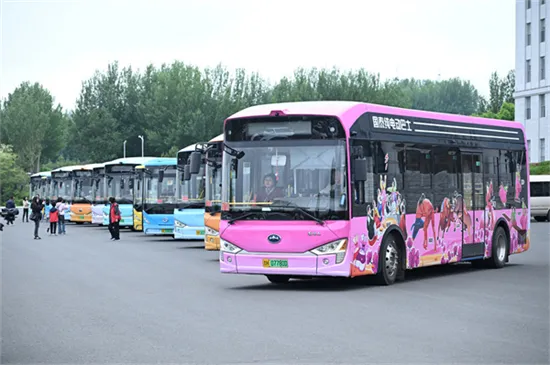
For budget-conscious foodies, Yanji’s bus network is an absolute gem. For just 1 to 2 RMB ($0.15 - $0.30 USD) per ride, you can traverse the entire city.
Reading the Bilingual Signs
Because Yanji is the capital of the Korean Autonomous Prefecture, every single bus stop sign, bus livery, and in-bus announcement is bilingual—presented in both Mandarin Chinese and Korean Hangul.
-
Audio Announcements: Inside the bus, stop announcements are broadcasted first in Mandarin, then in Korean (e.g., "Next stop: West Market / 다음 정류장은 서시장입니다").
-
How to Pay: You can pay with cash (drop exact change into the box next to the driver) or scan the local transport QR code via Alipay or WeChat Pay.
3 Golden Bus Routes for Foodies
To make your culinary exploration seamless, bookmark these three essential bus routes that stop directly at Yanji's legendary food landmarks:
|
Bus Route |
Key Food Destinations Connected |
Why It’s Great for Foodies |
|---|---|---|
|
Bus No. 4 (4路) |
Yanji West Station ➔ West Market (西市场) ➔ University Town (大学城) |
The ultimate "arrival-to-feast" line. It takes you straight from the bullet train station to the best breakfast market (West Market) and the main BBQ neon strip (University Town). |
|
Bus No. 16 (16路) |
Yanji Park (延吉公园) ➔ Water Market (水上市场) ➔ Korean Ethnic Village (民俗村) |
Perfect for early risers. Take this bus at 6:00 AM to feast on morning street food at the Water Market (steaming rice cakes, potato pancakes, and soybean soup). |
|
Bus No. 28 (28路) |
Airport (机场) ➔ East Market (东市场) ➔ City Center |
Great for budget travelers flying in who want to head straight to local food stalls in the eastern commercial districts. |
3. E-Bikes & Shared Scooters: The Ultimate Foodie Alley-Crawl
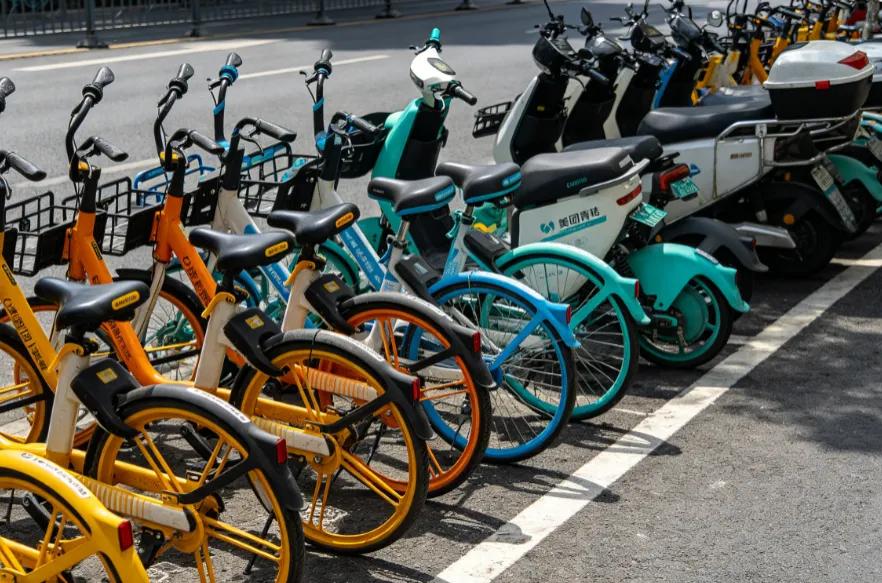
Many of Yanji’s absolute best culinary secrets—such as tiny, multi-generational cold noodle shops or family-run raw crab joints—are hidden deep inside narrow residential alleys (胡同 - Hútòng). Cars cannot easily navigate these streets, and walking can be tiring in the humid summer or freezing winter.
The perfect solution? Shared E-Bikes (共享电动车 - Gòngxiǎng Diàndòngchē).
Bright yellow Meituan (美团) and blue Hello Bike (哈啰出行) e-bikes are parked on almost every sidewalk in Yanji.
How to Unlock and Use E-Bikes:
-
Get the App: Open your WeChat or Alipay app.
-
Scan the QR Code: Scan the QR code located between the handlebars or on the rear fender of the e-bike.
-
Real-Name Verification: If it is your first time, the app will ask for real-name verification. International passport holders can easily complete this through Alipay’s integrated verification system.
-
Pricing: Typically costs around 2 to 3 RMB ($0.30 - $0.45 USD) for the first 15 minutes, which is usually enough to get you to your next food stop.
-
Parking Zones: Crucial Tip! You must park the e-bike in designated virtual parking zones shown on the app's map (usually marked by painted lines on sidewalks). Parking outside these zones results in a "virtual fine" of 5 to 15 RMB.
3. The Border Expeditions: 3 Ultimate Transport Routes
Route 1: The Classic Outlook — Yanji to Tumen (图们)
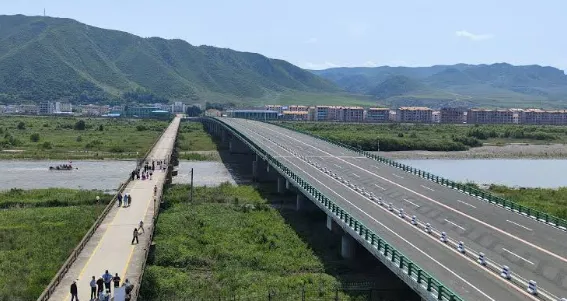
For many travelers, the town of Tumen (图们) serves as their very first, unforgettable encounter with the Sino-North Korean border. Located just 50 kilometers (31 miles) northeast of Yanji, Tumen sits directly on the banks of the Tumen River, facing the North Korean town of Namyang (南阳郡).
This is the most accessible, transport-friendly, and culturally rich border day-trip you can take from Yanji. Whether you want to stare directly at a North Korean train station or feast on unique regional street food, Tumen delivers a perfect blend of high-impact exploration and culinary satisfaction.
🚂 The Transport Breakdown: How to Get to Tumen
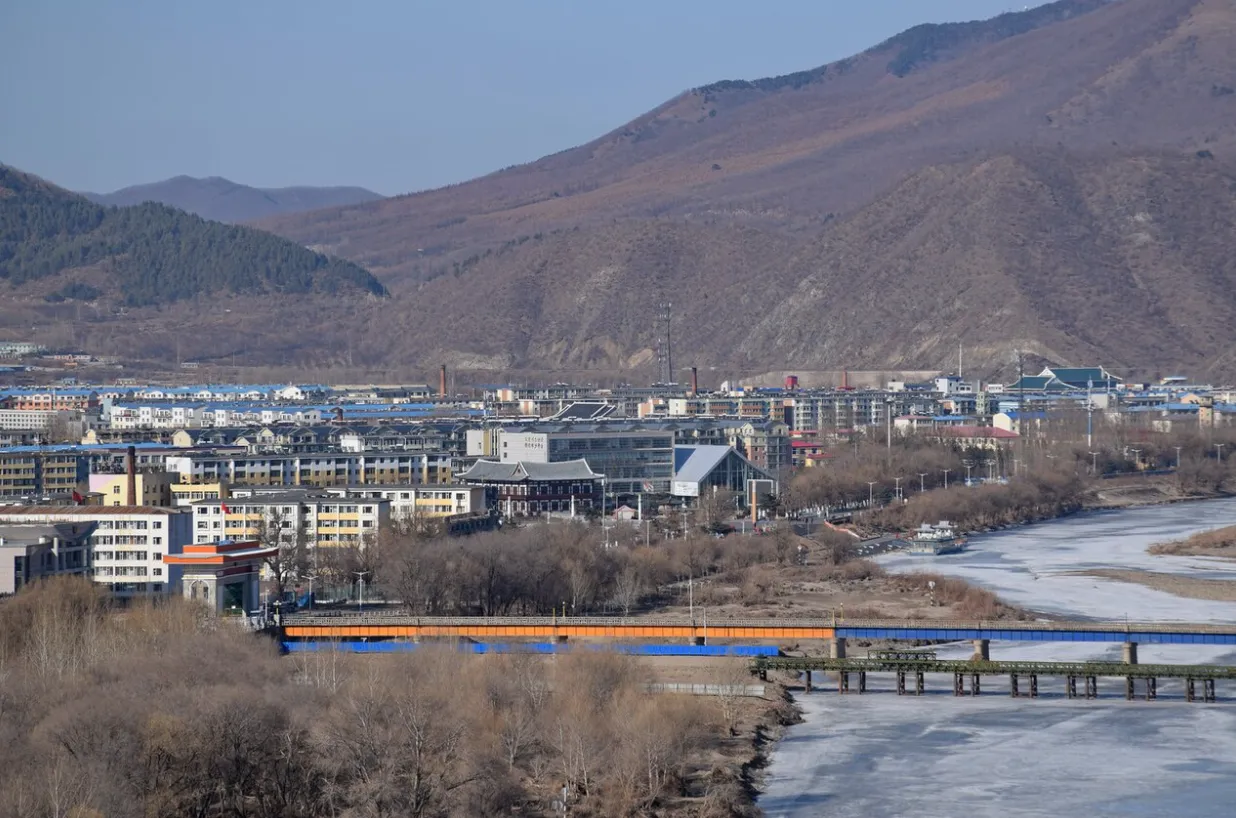
You have three distinct ways to travel from Yanji to Tumen, each catering to a different style of travel.
Option A: The Bullet Train (Fastest & Most Convenient)
If you want to maximize your time, the high-speed rail is a marvel of efficiency.
-
The Route: Yanji West (延吉西) to Tumen North (图们北).
-
Travel Time: A mere 15 minutes.
-
Cost: 11 to 15 RMB ($1.50 - $2.10 USD) for a second-class seat.
-
Frequency: Trains run roughly every 1.5 to 2 hours.
-
How to book: Use the official 12306 app or booking platforms like Trip.com.
-
Arriving in Tumen: Tumen North Station is slightly outside the town center. A taxi from the station to the Tumen River Border Park costs around 10 to 15 RMB ($1.40 - $2.10 USD), or you can take Local Bus No. 9 for just 2 RMB.
Option B: The Vintage Green-Skin Train (The Explorer's Choice)
For those who appreciate slow travel and retro romance, the vintage, non-air-conditioned "green-skin" slow train (绿皮车 - Lùpíchē) is an unmatched experience.
-
The Route: Yanji Station (延吉站 - the old station in the city center) to Tumen Station (图们站).
-
Travel Time: 50 minutes to 1 hour.
-
Cost: An unbelievable 5.5 RMB ($0.80 USD).
-
The Vibe: You will sit on hard bench seats alongside local farmers carrying produce, elderly ethnic Koreans chatting in their native dialect, and vintage fans spinning on the ceiling. It is a scenic, nostalgic ride that slows down time.
Option C: The Shared Coach / Shuttle Bus (The Flexible Local Route)
If you missed the train times, local shuttle buses depart frequently from the Yanji Northeast Bus Station (延吉东北亚客运站).
-
Travel Time: Around 1 hour via the highway.
-
Cost: 15 RMB ($2.10 USD).
-
The Experience: Buses run every 20-30 minutes once they fill up. It drops you off at the Tumen Bus Terminal, which is within walking distance of the river park.
🥢 Foodie Pitstops: Tumen’s Unique Culinary Signature
Tumen is not just about looking at the border; it is also home to some highly localized culinary traditions that differ slightly from Yanji’s main food scene.
1. Tumen Dry Tofu Skewers (图们干豆腐串 - Gān Dòufu Chuàn)
If there is one dish that Tumen is legendary for throughout the entire province, it is their dry tofu skewers.
-
What is it?: Thin, paper-like sheets of tofu are intricately folded onto wooden skewers, then simmered in a deeply savory, slightly spicy, and highly aromatic herbal broth.
-
How to eat it: You visit a tiny, steam-filled specialty shop, sit at the counter, and order them by the dozen. They are served hot, brushed with a layer of local chili paste, cumin, and sesame seeds. It has an incredibly satisfying, chewy texture that pairs phenomenally with a cold glass of local Bingchuan Beer (冰川啤酒).
2. Tumen-Style Cold Noodles & Spicy Toppings
While Yanji cold noodles are famous for their sweet, ice-flecked beef broth, Tumen’s noodle shops often lean into a saltier, more savory profile with an emphasis on handmade buckwheat noodles.
-
Local Favorite: Try pairing your cold noodles with a side of Spicy Pollack Fish Skin (辣拌鱼皮) or local Spicy Cabbage Pork Belly (辣白菜炒五花肉) for an explosion of contrasting temperatures and fierce, savory flavors.
🗺️ The Perfect Tumen 1-Day Itinerary
To help you seamlessly piece together your transport, sightseeing, and dining, follow this highly optimized day-trip plan:
-
08:30 AM – Board the high-speed train from Yanji West to Tumen North (15 mins).
-
09:00 AM – Take Bus No. 9 or a quick taxi to Tumen River Park. Walk along the promenade and peer across the river.
-
10:30 AM – Walk onto the Border Bridge to stand at the physical dividing line.
-
11:30 AM – Grab an early lunch at a local Tumen heritage noodle shop near the West Market area. Be sure to order a plate of Tumen Dry Tofu Skewers.
-
01:30 PM – Hire a taxi for a round-trip to Riguang Mountain (negotiate with the driver to wait for you for 45 minutes; expect to pay 40-50 RMB in total). Take in the breathtaking bird's-eye views of North Korea.
-
04:00 PM – Return to the town center for a stroll through Tumen’s quiet, bilingual streets, or grab a mid-afternoon snack of Korean rice cakes.
-
05:30 PM – Head to Tumen Station (old station) to catch the retro 5.5 RMB Green-Skin train back to Yanji, arriving just in time for a massive BBQ dinner in Yanji's University Town!
Route 2 — Yanji to Hunchun & Fangchuan: The Triple-Border and King Crab Feast
Located 100 kilometers (62 miles) southeast of Yanji, Hunchun (珲春) and its outpost, Fangchuan (防川), offer the ultimate geopolitical drama. As China’s only city at the triple junction of China, Russia, and North Korea, it is a legendary pilgrimage for Explorers, who can stand on a sliver of Chinese land to gaze down the Tumen River into the Sea of Japan, flanked by Russian hills and North Korean villages. For Foodies, its unique trade status makes Hunchun the premier gateway for fresh, wild Russian King Crab (帝王蟹), sold at a fraction of global city prices.
🚂 Transport: Getting to Fangchuan
This trip requires a two-stage journey. Strategic planning is essential to avoid getting stranded.
Stage 1: Yanji to Hunchun (Bullet Train)
-
Route: Yanji West (延吉西) to Hunchun Railway Station (珲春站).
-
Time & Cost: 40 minutes | 24–30 RMB ($3.30–$4.10 USD).
-
Frequency: Running hourly from morning to night.
Stage 2: Hunchun to Fangchuan (The Border Frontier)
Fangchuan National Park is 70 km (43 miles) south of Hunchun. Choose your transit mode:
-
Option A: Public Tourist Bus (Budget DIY)
-
Boarding: Hunchun Passenger Bus Terminal (珲春客运站).
-
Schedule: Departs at 08:30 AM and 11:00 AM (varies seasonally).
-
Time & Cost: 1.5–2 hours | 20 RMB ($2.80 USD).
-
Warning: Confirm the last return bus time with your driver (usually 2:30 PM–3:00 PM) to avoid being stranded.
-
-
Option B: Private Taxi Charter (Best for Flexibility)
-
Booking: Negotiate with registered taxi drivers outside Hunchun Station.
-
Cost: 250–350 RMB ($35–$48 USD) for a round-trip charter (includes driving to Fangchuan, 2–3 hours wait time, and return).
-
Pro-Tip: Confirm the price is all-inclusive (toll roads, fuel, and wait times) before boarding.
-
-
Option C: 1-Day Group Tour (Hassle-Free)
-
Details: Local agencies in Yanji offer "Hunchun + Fangchuan" day tours starting at 150–200 RMB ($21–$28 USD), covering round-trip transport and checkpoints. Highly convenient for solo travelers.
-
👁️ Explorer Highlights: Standing at the Edge of Three Worlds
The drive follows the "Fangchuan Corridor" (防川通道), a sliver of Chinese territory just 8 meters wide at its narrowest, sandwiched between the Russian railway and the North Korean Tumen River.
1. The Dragon Tiger Pavilion (龙虎阁)
Take the elevator to the 12th-floor observation deck for the famous "One Sight, Three Countries" (一眼望三国) panorama:
-
South: The Tumen River flowing into the Sea of Japan.
-
East (Left): The rolling, forested hills and border outposts of the Russian Far East.
-
West (Right): The flat farmlands and rustic villages of Tumangang-ri, North Korea.
-
Directly Below: The rusted Sino-Russian Border Railway Bridge.
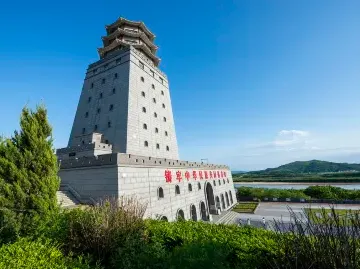
2. The Historic Tuzi Tablet (土字牌)
Located at the pavilion's base, this 1886 stone monument marks the boundary between the Qing Dynasty and the Russian Empire, which sealed off China's direct access to the Sea of Japan.
⚠️ 【Checkpoint Safety Rule】 This is a highly sensitive military border zone. You will pass through checkpoints where physical passports/IDs are strictly registered. Keep your physical passport on you at all times. Photographing soldiers, military facilities, or checkpoints is strictly prohibited.
🥢 Foodie Pitstops: The Ultimate Seafood Feast
Your culinary reward awaits back in Hunchun city center, the absolute jackpot for Russian and North Korean cold-water seafood.
1. Live Russian King Crab (俄罗斯帝王蟹)
-
Where: Hunchun Seafood Street (珲春海鲜街).
-
How It Works: Select your live King Crab (帝王蟹) or Snow Crab (板蟹) directly from the tanks. It is weighed and priced by the catty (斤 - 500g).
-
Cost: 150–250 RMB ($20–$35 USD) per catty—about one-third of global city prices.
-
Style: Instantly steamed to preserve its sweet, plump flavor. Ask to have the top shell returned filled with rich crab fried rice (蟹黄炒饭).
2. Hunchun BBQ
Hunchun’s charcoal barbecue stands out with its heavy seafood focus. Must-orders include Charcoal-Grilled Oysters (烤生蚝) loaded with garlic and chili, and sweet-and-spicy Grilled Pollack Fish (烤明太鱼).
🗺️ The Perfect Hunchun & Fangchuan 1-Day Itinerary
-
07:30 AM – Catch the bullet train from Yanji West to Hunchun (40 mins).
-
08:15 AM – Meet your pre-booked private driver at Hunchun Station.
-
09:45 AM – Arrive at Fangchuan Scenic Area and board the park shuttle.
-
10:15 AM – Ascend the Dragon Tiger Pavilion for the three-country panorama.
-
12:30 PM – Quick snack stop at the beautifully preserved Fangchuan Folk Village.
-
02:00 PM – Drive back to Hunchun city center.
-
03:30 PM – Explore Hunchun’s streets featuring bilingual Russian/Chinese signs.
-
05:00 PM – Select your live Russian King Crab at Hunchun Seafood Street for an epic dinner.
-
07:30 PM – Board the evening bullet train back to Yanji, completely stuffed.
Route 3 — Longjing to Helong: The Hardcore Border Highway & Warm Noodles
For those who want to escape the tourist crowds of Tumen and Hunchun, the rugged route from Longjing (龙井) to Helong (和龙) via County Road 131 (131县道) is the ultimate wilderness run. This highway hugs a narrow, highly secured segment of the Tumen River, offering a gritty, raw look at North Korea’s heavy industrial towns and pristine rural landscapes.
🚗 Transport: Renting a Car vs. Hiring a Private Driver
There is zero public transport along this border corridor. You must either drive yourself or hire a professional local driver.
Option A: Self-Drive (Best for Experienced Drivers)
-
How: Rent a car at Yanji West Railway Station or Yanji Airport (platforms like Wuzuche/租租车 or Kameng/携程 are highly active).
-
Cost: 120–250 RMB ($17–$35 USD) per day (excluding fuel and highway tolls).
-
Road Conditions: Mostly paved and in good condition, but expects tight mountain bends, low-visibility river fog, and frequent border military checkpoints.
Option B: Hiring a Private Driver (Highly Recommended)
-
How: Hire a local chartered car (包车) in Yanji for a full-day tour.
-
Cost: 500–700 RMB ($70–$96 USD) all-inclusive.
-
Why: Local drivers know exactly which roads are open, where the military checkpoints are, and how to communicate smoothly with border guards if foreign passports are checked.
👁️ Explorer Highlights: Rust, Iron, and Forgotten History
1. Sanhe Port (三合口岸)
Located in Longjing, this historic port faces the North Korean city of Hoeryong (会宁). While the port facility is generally closed to casual entry, the surrounding hills offer excellent elevated views of Hoeryong's residential blocks and old-school Soviet-style public buildings.
2. Nanping Port & The Musan Iron Mine (南坪口岸与茂山铁矿)
This is the absolute peak of industrial wasteland exploration. Across the razor-thin Tumen River at Nanping sits Musan (茂山), home to North Korea's largest open-cast iron mine.
-
The Sights: Giant, red-brown terraced mountains carved by decades of mining, rusted industrial pipelines snaking down the hillsides, and the rumbling sound of heavy machinery drifting across the water.
-
The Atmosphere: Haunting, gritty, and incredibly surreal. It feels like standing on the edge of a cinematic dystopia.
⚠️ 【High-Security Checkpoint Alert】 Due to the extreme proximity to North Korea's industrial core, border patrols on County Road 131 are exceptionally vigilant.
Rules: Keep your physical passport easily accessible.
Restrictions: Do not point cameras or telephoto lenses directly at military watchtowers or armed patrol units. If stopped by guards, remain polite, cooperate, and show your ID/passport immediately.
🥢 Foodie Pitstops: Warm Comfort Foods
The climate in these mountainous counties can be bitterly cold for much of the year. The local cuisine has adapted perfectly with rich, steaming soul foods.
1. Helong Warm Noodles (和龙温面 - Wēn Miàn)
While Yanji is famous for ice-cold buckwheat noodles, Helong is the undisputed capital of Warm Noodles.
-
What is it: Silky, freshly pressed corn-flour noodles served in a piping-hot, deeply savory beef and vegetable broth.
-
The Magic: It is topped with a spicy, garlicky cabbage relish, sesame oil, and shredded beef. The warmth of the bowl instantly revives your senses after a long drive along the border.
2. Longjing Rice Sausage (龙井米肠 - Mǐ Cháng)
A highly traditional Korean-Chinese delicacy.
-
The Dish: Pig intestines stuffed with a dense, savory mixture of sticky glutinous rice, pork blood, garlic, and local wild herbs, then steamed to perfection.
-
How to eat: Sliced into thick discs, served hot, and dipped in a coarse salt-and-chili mixture. It is incredibly rich, chewy, and deeply satisfying.
🗺️ The Perfect Hardcore Border 1-Day Itinerary
-
08:30 AM – Pick up your rental car or meet your private driver in Yanji.
-
09:30 AM – Stop in Longjing City to visit the Guangdong Middle School Historic Site (birthplace of famous Korean poet Yun Dong-ju).
-
10:30 AM – Head south onto County Road 131, hugging the river toward Sanhe Port.
-
12:00 PM – Arrive in Sanhe town. Grab a quick local lunch of Longjing Rice Sausage and local skewers.
-
01:30 PM – Drive through the dramatic mountain passes to Nanping Port. Stop at safe viewpoints to look across at the towering Musan Iron Mine.
-
04:30 PM – Arrive in Helong City.
-
05:00 PM – Warm up with a massive bowl of authentic Helong Warm Noodles at a local family-run shop.
-
06:30 PM – Drive back to Yanji via the high-speed S206 provincial highway (approx. 1 hour 15 mins), returning to the city lights just in time for late-night beers.
🔍 Summary Cheat-Sheet: 4 Ways to Gaze into the Hermit Kingdom
Before you plan your entire border itinerary, it helps to understand that not all border-watching spots are created equal. Depending on your transport options, physical fitness, and what you want to see, here is a comparative breakdown of the four primary ways to experience and gaze into North Korea from the Yanbian region:
1. The Eye-Level Promenade (Tumen River Park)
-
Best For: Close-up, casual observations and cultural interactions.
-
What You See: North Korean railway workers, guards on bicycles, civilian daily life on the riverbank.
-
Ease of Access: Extremely easy (wheelchair friendly, zero hiking).
-
Tour vs. DIY: 100% Do-It-Yourself (DIY / 自由行). There is absolutely no need to join a group tour for this. The city of Tumen is compact, bilingual, exceptionally safe, and extremely easy to navigate on foot or via local ride-hailing.
2. The Panoramic Peak (Riguang Mountain / Fangchuan)
-
Best For: Breathtaking drone-like vistas (without actual drones!) and understanding the geography.
-
What You See: Entire North Korean valleys, agricultural systems, military watchtowers nestled in barren hills, and winding river loops.
-
Ease of Access: Moderate (requires a short taxi ride and mild stair climbing).
-
Tour vs. DIY: DIY with a Local Driver (自由行包车/打车). Simply hail a street cab in Tumen and negotiate a round-trip rate (expect around 40-50 RMB / $6.00 USD). Insist that the driver waits for you at the top for 30–45 minutes while you take photos. A formal tour group is unnecessary and will only restrict your pacing.
3. The Triple-Border Spectacle (Hunchun Fangchuan)
-
Best For: Geopolitical buffs who want to see three world powers collide.
-
What You See: The unique point where China and North Korea end, Russia begins, and the Sea of Japan glints on the horizon.
-
Ease of Access: Harder (requires a bullet train + a long, scheduled bus/private car ride).
-
Tour vs. DIY: Hired Charter or 1-Day Group Tour (包车或一日游跟团). Because Fangchuan is far from the city center, and transit schedules can be sparse and rigid, booking a 1-Day Tour from Yanji or hiring a Private Driver (包车) is highly recommended. It guarantees seamless transit through military checkpoints (where passports must be thoroughly verified) and takes the stress out of catching the last bus back.
- Visit Trip.com, you can get more plans.
4. The Raw Industrial Wilderness (Helong & Longjing Highway)
-
Best For: Off-the-beaten-path explorers who hate crowds.
-
What You See: Massive, industrial North Korean iron mines (Musan), rusted piping, and zero tourist infrastructure on either side.
-
Ease of Access: Difficult (requires renting a car or hiring a private driver for a full-day road trip).
-
Tour vs. DIY: Hardcore DIY with a Local Driver (硬核自驾或雇本地司机). Standard tour packages do not offer this route. The best way to tackle this is to rent a car (if you are a confident driver) or hire an experienced private driver from Yanji for a full day.
-
Crucial Alert: Foreign passport holders may encounter sudden checkpoints here; having a local Chinese-speaking driver who knows the open roads is an invaluable asset.
📊 Quick Comparison: North Korean Viewing Points
|
Viewing Style |
Prime Location |
Best Viewpoint |
Distance to North Korea |
Essential Gear Needed |
Adventure Level |
|---|---|---|---|---|---|
|
Eye-Level |
Tumen Town |
Tumen River Park Promenade |
~150 meters (Very Close) |
Binoculars |
Easy / Relaxed |
|
Panoramic |
Tumen / Hunchun |
Riguang Mountain / Dragon Tiger Pavilion |
~500 meters to 2km |
70-300mm Camera Lens |
Moderate |
|
Triple-Border |
Hunchun |
Fangchuan Dragon Tiger Pavilion (龙虎阁) |
Overlooking border fences |
Cash for coin-operated binocs |
Long-distance Travel |
|
Industrial / Raw |
Helong / Longjing |
Nanping Port (南坪口岸) / County Road 131 |
~100 meters (Across narrow river) |
A local driver (Roadblocks) |
Hardcore / Off-grid |
4. The Border Survival Kit — Rules, Red Lines, and Practical Tips
While traveling along the Sino-North Korean border is remarkably safe, strict compliance with military protocols and local regulations is non-negotiable. Use this quick guide to avoid fines, delays, or detention.
🚫 1. Border Red Lines: What NOT to Do
This is a heavily monitored military zone. Violations will trigger immediate security intervention.
-
Strict Photography Ban: Never photograph or point binoculars at military outposts, watchtowers, armed soldiers, or checkpoints.
-
Zero Drone Use (无飞区): The entire border corridor is a strict No-Fly Zone. Radar defense systems will instantly jam and confiscate civilian drones.
-
No Contact Across the River: Strictly no waving, shouting, signaling, or throwing objects toward North Koreans on the opposite bank.
-
Carry Physical Passports: Digital copies on phones are invalid. You must carry your original physical passport for frequent highway checkpoints.
⚠️ Note for Foreign Passport Holders
Certain border roads (like parts of County Road 131 near Helong) restrict non-Chinese nationals. Hiring a local driver (as detailed in Chapter 5) is the best way to navigate checkpoints safely and avoid accidentally entering restricted military zones.
📱 2. Practical Tips: Language, Payments & Connectivity
Language & Bilingualism
Yanji is fully bilingual in Mandarin Chinese and the Hamgyong Korean dialect.
-
Signs & Transits: All street signs, menus, and bus stations feature both Chinese characters and Korean Hangul.
-
Key Phrases: Mandarin is universally spoken, but local Korean is appreciated:
-
Thank you: 고맙습니다 (Go-map-seup-ni-da)
-
Hello: 안녕하세요 (An-nyeong-ha-se-yo)
-
It's delicious!: 맛있어요 (Mas-it-seo-yo)
-
Cash & Digital Payments
-
Apps: Link your international cards to Alipay (支付宝) or WeChat (微信) before arrival.
-
Emergency Cash: Keep 200–300 RMB cash for remote taxi rides or family-run noodle shops when mountain signals drop.
❄️ 3. Seasonal Survival: Summer vs. Winter
Summer (June to August): Lush Escape
-
The Vibe: Mild, pleasant weather (22°C to 28°C) and verdant scenery.
-
Transport: Peak domestic tourist season. Book high-speed train tickets via the 12306 app 7 to 14 days in advance.
Winter (December to February): Frozen Frontier
-
The Vibe: Thees regularly-15°C to solid. (5°F to -13°F).
-
Survival Tips:
-
Phone Battery Drain: Extreme cold kills smartphone batteries in minutes. Carry a heavy-duty portable power bank and keep your phone in an inside pocket close to your body heat.
-
Ice Walking: Roadways can be extremely icy. If self-driving, ensure your rental car has winter tires. If walking along the Tumen promenade, wear boots with excellent grip.
-
Foodie Bonus: Winter is the absolute best time for bubbling stews, charcoal BBQ, and hot Helong Warm Noodles!
-
🚨 CRITICAL WARNING: Leave Your Drone at Home The entire Sino-North Korean border region (including Tumen, Hunchun, and Helong) is a strictly enforced No-Fly Zone. Do not attempt to fly a drone to get a better look at North Korea. Chinese military radar systems will instantly jam your drone, and you risk immediate confiscation of your equipment and severe questioning by border authorities. Stick to binoculars or telephoto lenses!
5. Frequently Asked Questions (FAQ)
Q1: Can you actually see North Koreans from the Chinese side of the border?
A: Yes, absolutely. From the Tumen River Park promenade and Riguang Mountain, you can easily spot North Korean residents walking, cycling, farming, or washing clothes along the riverbanks of Namyang. For the best experience, bring a pair of compact 8x42 binoculars or a camera with a 70-300mm telephoto lens.
Q2: Will my phone connect to North Korean mobile networks by mistake?
A: Occasionally, yes. Near the river banks in Tumen and Nanping, your phone may pick up a stray, weak signal from across the border. To prevent unexpected international roaming charges, manually go into your cellular settings, disable "Automatic Network Selection," and lock your network to your Chinese carrier (China Mobile, Unicom, or Telecom).
Q3: Is it safe to travel alone along the North Korean border?
A: Extremely safe. The Chinese side of the Tumen River is peaceful, heavily patrolled, and exceptionally secure. Solo travelers, including solo female travelers, will find the region highly welcoming. The only real "dangers" are violating military photography bans or attempting to fly unauthorized drones. Respect the local guard units and warning signs, and you will have a hassle-free trip.
Q4: Do people in Yanji speak Korean, and do I need to know the language?
A: Yes, but Mandarin Chinese is universal. Yanji is the capital of a Korean Autonomous Prefecture, meaning ethnic Koreans make up a significant portion of the population. Almost all signs are bilingual. While learning basic Korean greetings like An-nyeong-ha-se-yo (Hello) is highly appreciated by local shop owners, you can easily navigate the entire region using Mandarin Chinese and translation apps.
🗺️ Concluding Thoughts: The Magic of the Borderlands
Traveling to Yanji and the surrounding borderlands of Tumen and Hunchun is unlike any other journey in East Asia. It is a rare geographical pocket where history is visible on the hillsides, and cultures blend seamlessly in every bowl of noodles and on every sizzling charcoal grill.
By using the bullet trains, slow green-skin railways, and rugged county roads outlined in this guide, you won't just see a geopolitical frontier—you will taste, hear, and feel the living history of a truly unique region. Pack your passport, bring an open mind and a massive appetite, and prepare for an expedition you will remember for a lifetime.
Safe travels! (즐거운 여행 되세요!)