Planning a road trip in China? Discover how foreigners can get a Chinese Temporary Driving Permit at the airport in 2026, without taking a driving test. Read our step-by-step guide.
Planning an epic road trip along the breathtaking winding roads of Yunnan? Or maybe you want to cruise through the futuristic neon-lit streets of Shanghai or navigate the majestic mountain passes of Sichuan? 🏔️✨
If you are a foreigner visiting China, you might be wondering about driving in China as a tourist: "Can I just rent a car and legally drive?" The short answer is: Yes, you absolutely can! But there is a catch. 🛑
Mainland China does not recognize the International Driving Permit (IDP). If you get caught driving with just your home country's license and an IDP, you could face hefty fines or even administrative detention. But don't pack away your road-trip playlists just yet!
Since China simplified its traffic regulations, getting a Chinese Temporary Driving Permit (临时驾驶许可) has become incredibly easy, cheap (just about 10 RMB / $1.4 USD!), and fast. You can even get one on-arrival at major airports in less than an hour, without passing any driving or written exams! 🎉
⚡ Quick Takeaways for Foreign Travelers:
-
IDP Not Accepted: Mainland China does NOT accept International Driving Permits (IDP). You must get a temporary local permit.
-
No Exams: For permits valid under 3 months, you do not need to take a written theory test or practical driving exam.
-
Apply on Arrival: You can apply for this permit directly at major international airports (like Shanghai Pudong or Beijing Capital) upon landing.
🧐 Section 1: What is the Chinese Temporary Driving Permit?
If you are planning to drive in China, the first thing you need to know is that your International Driving Permit (IDP) is no use here. 🛑 China did not sign the UN Convention on Road Traffic that established the IDP. Therefore, to legally sit in the driver's seat, you need a local document.
Enter the China temporary driving permit for foreigners (临时机动车驾驶许可). 📑
This is an official, streamlined document issued by the Chinese Traffic Management Bureau specifically for overseas visitors. Think of it as a "light" version of a Chinese driver's license—it gives you the legal right to drive without making you go through the grueling process of a medical check, theory exams, or road tests! 🏎️💨
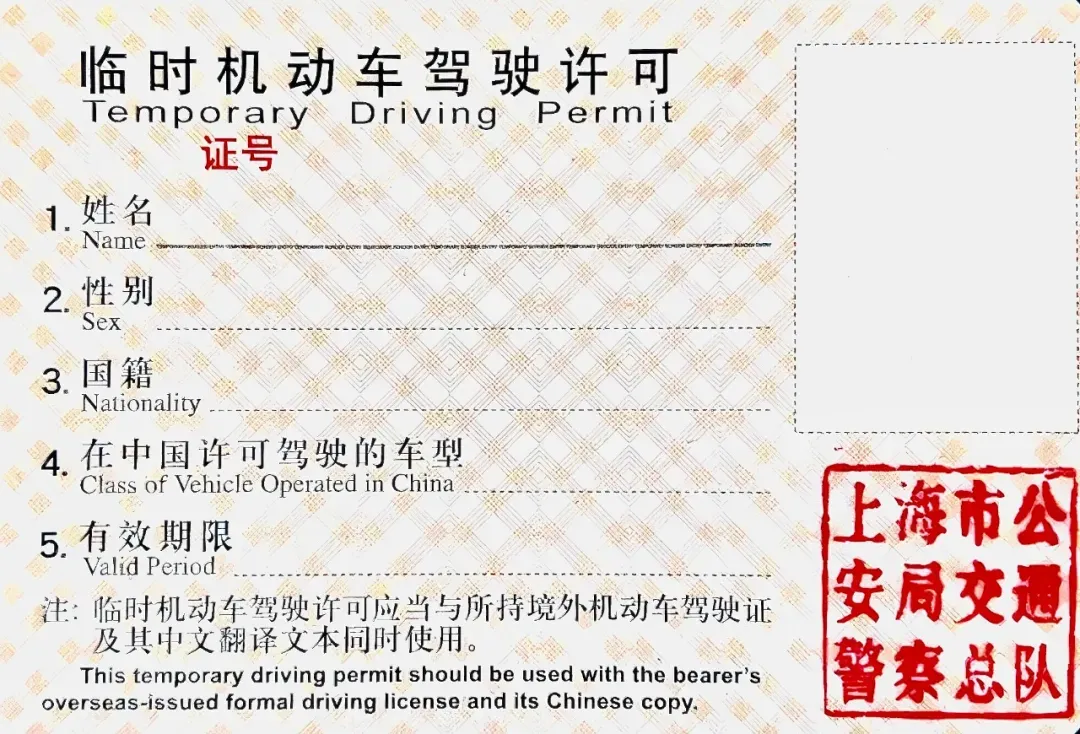
❓ Who is Eligible for the Permit?
The temporary permit is tailor-made for short-term visitors. You can apply if you hold:
-
Tourist Visas (L) 🗺️
-
Business Visas (M/F) 💼
-
Family Visit Visas (Q2/S2) 🏡
-
Visa-Free Entry: If you are traveling under China’s expanding list of unilateral visa-free transit policies or 144-hour visa-free transit schemes, you are absolutely eligible! ✈️🌍
⏳ Validity and Limitations: The Rules of the Road
While the permit is incredibly convenient, it does come with a few ground rules that you must follow in 2026:
-
The 3-Month Window: Typically, a temporary permit is issued for up to 3 months (90 days). 🗓️
-
Visa Alignment: The permit's expiration date will usually match the expiration date of your current stay duration on your visa. However, if you have a multi-entry visa, some major hubs can now issue permits valid for up to 1 year, though individual stays still cannot exceed your visa limits.
-
No Extensions: Once it expires, you cannot "renew" it on the spot. If you leave China and return on a new visa entry, you will need to apply for a fresh temporary permit. 🔄
-
Vehicle Restrictions: You are restricted to driving small passenger vehicles (Type C1 for manual, Type C2 for automatic) or renting cars that match those categories. No driving heavy trucks or commercial buses! 🚗
🔞 Section 2: Who is Eligible? (2026 Rules)
Before you pack your bags and cue up your favorite road trip playlist, let’s make sure you actually meet the criteria to get behind the wheel. 📋✏️ China’s traffic bureaus are incredibly efficient now, but they still strictly enforce compliance rules.
Here is exactly who can—and cannot—apply for a Chinese Temporary Driving Permit.
🎂 The Golden Age Rules
Age matters when it comes to traffic safety! China has very specific age brackets for short-term foreign drivers:
-
The Minimum Age (18+): You must be at least 18 years old to apply. If you have a license from a country where you can drive younger (like 16 or 17 in parts of the US or Canada), you will have to wait out the passenger seat until you turn 18. 🛑👶
-
The Golden Years Rule (Under 70): If you are between 18 and 69 years old, the application process is completely standard—just hand over your documents and you're good to go! 🎉
-
The Senior Rule (70 and Above): Are you a seasoned traveler aged 70 or older? Good news—you can absolutely still drive! However, you must pass a quick, free "Capacity Test" (能力测试) at the DMV computer terminal. This evaluates your memory, judgment, and reaction speed. You get up to 5 free attempts to pass, and it's valid for one year. 🧠⚡
🪪 The "Home License" Status Check
To get a temporary permit, your current driver’s license from your home country must be in pristine legal standing.
⚠️ Crucial Warning: Your foreign license must be a full, unrestricted license. China will NOT accept learner's permits, provisional licenses, probationary licenses, or temporary paper printouts from your local DMV. 🙅♂️
🛑 Who is NOT Eligible? (The Instant Dealbreakers)
Even if you have a valid passport and license, China will deny your application on the spot if you trigger any of the following dealbreakers:
-
The "Hit and Run" Blacklist: If you have any history or record of committing a hit-and-run offense within the territory of China, you are permanently banned. 🚘❌
-
Unresolved China Traffic Violations: If you previously visited China, drove, and left behind unpaid speeding tickets or unresolved accident reports, your new permit will be blocked until those are fully settled. 💸🚦
-
The 12-Point Maximum: If you previously held a Chinese permit/license and accumulated 12 penalty points in a single scoring cycle without retaking the safety law exam, you cannot apply. 📉
-
Disqualifying Medical Conditions: While short-term permits under 3 months generally bypass the official physical exam requirement, you must still be fit to drive. Severe physical or mental conditions that impair safe driving will lead to a denial. 🩺🚫
📋 Section 3: The Golden Checklist – Documents You Need
Gathering your paperwork is the most critical step of this entire process. If you show up at the Traffic Management Bureau (known locally as the Che Guan Suo / 车管所) missing even one document, the bureaucratic gears will grind to a halt. 🛑⚙️
But don't worry! Here is your foolproof, 2026-approved checklist of everything you need to prep and pack. 💼🎒
🗂️ The Ultimate Document Checklist
Make sure you have both the originals and clear paper photocopies of the following items:
-
1. Your Passport 🛂
-
Must have at least 6 months of validity remaining.
-
Photocopy required: The main bio-data photo page and your current Chinese visa page (or your official entry stamp if you entered under a visa-free scheme).
-
-
2. Your National Driver’s License 🪪
-
Must be valid, unexpired, and an unrestricted full license from your home country.
-
-
3. Certified Chinese Translation of Your License 🔤
-
Crucial: You cannot just translate this yourself or use Google Translate! It must be issued by a legally recognized, certified translation agency in China.
-
Where to get it: You can easily get this done via an official translation agency upon arrival, at service desks in major airport DMV hubs, or beforehand online via authorized services (e.g., via WeChat mini-programs or Taobao).
-
-
4. Registration Form of Temporary Residence (临时住宿登记表) 🏨👮♂️
-
If staying at a hotel: Simply ask the front desk for a printed copy of your registration form. They do this all the time for foreign guests!
-
If staying with family/friends or Airbnb: You must visit the local neighborhood police station with your host to register your residence and get this paper printout within 24 hours of arrival.
-
-
5. Three 1-Inch Photos 📸
-
Specifications: Color photos, bareheaded (no hats/large headbands), taken against a stark white background.
-
Pro-tip: Almost every DMV hub and airport service station has an automated photo booth on-site that prints the exact size required for a tiny fee (around 10–20 RMB).
-
-
6. A Chinese Mobile Phone Number 📱
-
While technically listed as optional in a few regions, having a working Chinese phone number is highly recommended in 2026. It links your profile to local traffic apps, sends you digital permit updates, and is necessary if you plan to link the permit to WeChat or Alipay.
-
❌ What You Do NOT Need (Myth-Busting Time!)
There is a lot of outdated information floating around the internet. Let's set the record straight for 2026:
-
🙅♂️ No Medical Exam Required: Unlike a permanent 6-year Chinese driver's license, a temporary permit under 3 months does not require a comprehensive hospital health check or vision test (unless you are 70 or older and taking the quick cognitive computer test).
-
No Theory Test (No Exam): You do not have to memorize hundreds of multiple-choice questions or sit for the computerized "Subject 1" theory exam.
🗺️ Section 4: Where to Apply (The Easiest Locations)
In the past, hunting down the right government building to apply for a permit felt like a wild goose chase. 🏃♂️💨 Thankfully, in 2026, the Chinese Traffic Management Bureau has made things incredibly convenient by placing application hubs exactly where travelers arrive: right at the airports and major city centers. Depending on your travel itinerary, you have two primary options for where to apply.

✈️ Option 1: Airport Foreigner Service Stations (The Easiest Way!)
If you want to handle your permit immediately upon landing, look out for the dedicated Foreigner Traffic Police Stations / Service Counters located inside China's major international aviation hubs. You can literally walk off your flight, submit your documents, and walk out with your permit in 20 to 30 minutes! ⏱️✈️
Here are the top airport hubs offering this streamlined service in 2026:
-
Shanghai Pudong International Airport (PVG): Located on the connecting bridge between Terminal 1 and Terminal 2 (Middle Wuzhou Road), or at the Airport Police Station counter. 🌉
-
Shanghai Hongqiao International Airport (SHA): Located at the Terminal Police Station service counter. 🏬
-
Beijing Capital International Airport (PEK) & Beijing Daxing (PKX): Look for the automated traffic service kiosks and counters located in the arrivals halls. 🏛️
-
Sanya Phoenix International Airport (SYX) & Haikou Meilan (HAK): Perfect for travelers planning a tropical road trip around Hainan Island. Their on-site airport windows are incredibly fast! 🏝️🚙
🏢 Option 2: Municipal Vehicle Management Offices (Che Guan Suo / 车管所)
If your arrival airport doesn't have a dedicated traffic counter, or if you prefer to settle into your hotel first, your next stop is the local Vehicle Management Office (车管所) in the city you are staying.
Every major Chinese city has at least one central office equipped to handle international permit applications.
-
How to Find One: Open Amap (高德地图) or Baidu Maps (百度地图) and search for
"车管所"(Che Guan Suo). 📍 -
Hours of Operation: Most offices are open Monday to Friday, from 9:00 AM – 11:30 AM and 1:00 PM – 5:00 PM (some major city branches stay open on weekends, but it's best to stick to weekdays to guarantee translation services are available). 🕒
- How to Use Amap (Gaode Map) in English
💻 Option 3: The 2026 Digital/Online Route (Pre-Arrival)
Want to skip the lines entirely? In select tech-forward hubs like Shanghai, you can now apply online before you even land. 🌐✨
Platforms like the official Shanghai Traffic Management Platform (sh.122.gov.cn/shlsjsxt/) allow you to upload your passport, foreign license, and digital translation ahead of time. Once approved, an Electronic Temporary Driving Permit is issued to your WeChat or Alipay account, completely ready to go the moment you clear customs! 📲🔑
🚶♂️ Section 5: Step-by-Step Walkthrough to Your Permit
Ready to make it official? Whether you are applying at a glittering airport kiosk or a bustling municipal Vehicle Management Office (Che Guan Suo), the operational process follows the exact same 5-step roadmap. 🗺️📌
Follow this walkthrough to glide through the bureaucracy in record time!
⏱️ Step 1: Get the Official Translation First
Before approaching the application counter, ensure your foreign driver’s license is translated into Chinese by a certified agency. 🔤
-
At the Airport: Walk directly to the dedicated traffic service desk. They often have translation services partnered on-site to handle your license instantly.
-
At the DMV: You can submit your license through an authorized digital service or head to a certified translator nearby before taking a queue number.
📸 Step 2: Grab Your Number and Take ID Photos
Walk into the service hall and head to the automated photo booth first.
-
Select the "Driver’s License Photo" (驾驶证照片) option. 🧾
-
Keep your head straight, don't smile too wide, and ensure the background is pure white. The machine will print your physical 1-inch photos and give you a barcode sheet linking the digital file directly to the traffic police database.
-
Once done, head to the reception counter, show your passport, and pull a queue number. 🔢
📑 Step 3: Document Verification & System Input
When your number is called, walk up to the window with your "Golden Checklist" package. Hand over:
-
Your Passport (and visa/entry stamp copy)
-
Your Foreign Driver's License + Certified Translation
-
Your Photos + Registration Form of Temporary Residence 🏨
-
The officer will scan your documents, check your eligibility status, and input your details into the national traffic system. They will ask you to review and sign an application form confirming your information. ✍️
📺 Step 4: The Mandatory Traffic Safety Education
Once your documents are approved in the system, you aren't quite done yet! You must participate in a mandatory Road Traffic Safety Laws and Regulations Education session. 🛑🏫
-
Don't panic—this is not a test!
-
You will be guided to a multimedia desk or a small waiting area equipped with a screen, where you must watch a short instructional video (usually lasting about 30 minutes).
-
The video covers basic Chinese traffic signs, speed limits, parking rules, and core safety regulations (such as China's strict zero-tolerance policy for drinking and driving).
💳 Step 5: Pay the Fee and Collect Your Permit!
After the video concludes, head back to the processing window for the grand finale.
-
The Application Fee: You will need to pay a tiny administrative fee—usually just 10 RMB ($1.40 USD)! 🪙
-
Payment Methods: Cash is rarely accepted. Make sure you have your Alipay or WeChat Pay set up and linked to an international credit card beforehand to scan the payment QR code. 📲💳
-
The Reward: Within 5 to 10 minutes of paying, the officer will print, laminate, and hand over your physical Chinese Temporary Driving Permit! 🎉🚗
⚠️ Crucial Operational Note: Congratulations, you are legally clear to drive! However, remember that the temporary permit is not a standalone ID card. Whenever you hit the road or pick up a rental car, you must carry three things with you at all times: your new temporary permit, your original passport, and your home country's driver's license. 🚙
🚗 Section 6: How to Rent a Car in China (Like a Local)
Now that you have your freshly laminated (or digital) Chinese Temporary Driving Permit in hand, it’s time for the fun part: picking out your wheels! 🏎️✨
If you want to rent a car in China as a foreigner, the process is incredibly futuristic, fast, and heavily app-based. If you walk up to a local counter expecting the traditional Western paperwork routine, you are doing it the hard way. Here is how to navigate the 2026 Chinese rental ecosystem like an absolute pro. 📱🦾
📱 The "Big Two" Rental Apps (Download These!)
Forget the legacy brands you use back home; China’s car rental market is heavily dominated by two domestic giants. Both have airport counters and support international travelers:
-
eHi Car Services (一嗨租车): The absolute favorite for international travelers. 🌟 They partner directly with global networks like National and Hertz, making their interface highly accessible. You can book vehicles directly via Trip.com (under the "Self-Drive" section), which maps seamlessly to eHi's inventory and flags exactly which cars accept temporary permits! 🗺️
-
ZuChe / CAR Inc. (神州租车): The largest fleet operator in China with over 1,000 locations nationwide. 🚗💨 They offer everything from budget-friendly commuter EVs to premium SUVs. You can access their ecosystem by typing "神州租车" directly into the search bar of your Alipay or WeChat app to launch their mini-program.
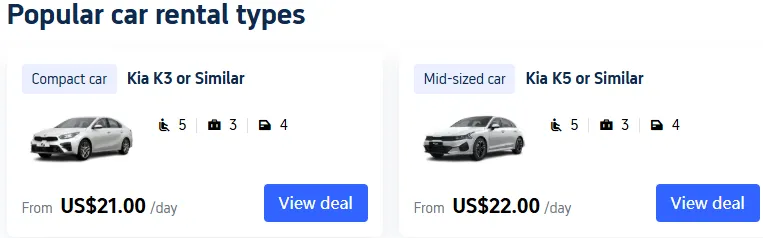
💳 Navigating the Payment & Deposit Maze
One of the biggest hurdles for tourists used to be the massive pre-authorization credit card deposit (which can range from 2,000 to 15,000 RMB depending on the vehicle class). 💸🔒
In 2026, the rules are much more traveler-friendly:
-
The International Card Upgrade: Ensure your Alipay or WeChat Pay accounts are linked to an active international Visa or Mastercard before booking. Both major apps seamlessly process rental transactions through these mobile wallets. 📲💳
-
The Deposit Bypass Hack (Z芝麻信用): If your Alipay account has built up a decent rating, or if you use select international booking tiers on Trip.com, you can frequently unlock "Deposit-Free" (免押金) rentals. This entirely removes the need to hold thousands of RMB on your card!
🧼 The Golden Rules of the Vehicle Handover
When you arrive at the lot to pick up your car, do not just grab the keys and speed off. Follow this quick checklist to protect yourself from unfair damage claims later:
-
Film a 360° Walkaround Video: 📱🎥 Before opening the door, take a detailed video of the car's exterior, paying close attention to the lower bumpers, wheel rims, and windshield.
-
Check the Tech: Make sure the vehicle's navigation system can display maps properly. (Pro-tip: Download Amap / 高德地图 on your phone. It has a stellar English driving interface that routes much better than Western map apps inside China). 🗺️📍
-
Verify the Fuel/Battery Level: China has seen an explosion of Electric Vehicles (EVs) in rental fleets. If you rent an EV, check the initial battery charge percentage on the dashboard and clarify the return threshold policy with the lot agent. 🔋⚡
🚦 Section 7: Essential Chinese Road Rules You MUST Know
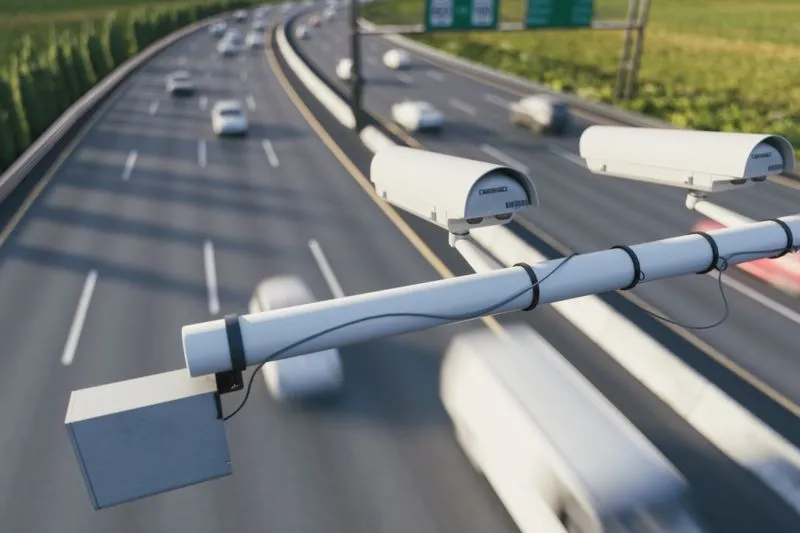
Driving in China is a thrilling experience, but the flow of traffic has its own unique rhythm. To keep your road trip safe and ticket-free, you need to know the actual rules of the game. China's traffic network is governed by an advanced grid of AI enforcement cameras that spot mistakes instantly. 📸🤖
Before you shift into drive, commit these five essential rules to memory.
🚨 Turning Right on a Red Light: The Golden Rule
Like in the US and Canada, you are generally allowed to turn right on a steady red light in China—but there are two massive caveats:
-
The Shape of the Light: You can only turn right on red if the traffic light is a solid, circular bulb. If the red light is an arrow pointing right, you must come to a complete stop and wait for it to turn green! 🔴🛑
-
Pedestrian Priority: Pedestrians have absolute right-of-way. If you cut off a pedestrian while making your right turn, a high-resolution camera will flag it as a violation. 🚶♂️❌
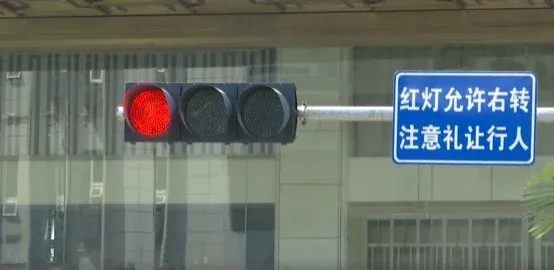
🍻 Absolute Zero-Tolerance on Drunk Driving
If there is one rule you absolutely cannot bend in China, it is this one. China enforces some of the strictest drunk driving laws on earth. 🛑⚖️
-
The Legal Limit: The legal Blood Alcohol Concentration (BAC) is practically 0.02%—essentially meaning a single beer can put you over the limit.
-
The Penalties: Exceeding 0.02% triggers an immediate fine and license suspension. If your BAC exceeds 0.08%, it transitions into a criminal offense resulting in a mandatory 15-day administrative prison sentence, severe fines, and a long-term driving ban. 👮♂️🚓 Rule of thumb: If you drink even a sip, use an app like Didi to hire a designated driver (Dai Jia / 代驾) to drive your rental car back to your hotel!
📸 The Omnipresent "Sky Eye" (Tian Yan) Kameras
When driving in China, you will notice overhead metal gantry bars spanning across lanes every few kilometers, constantly flashing blinding white lights. 💥👀
-
These are not speed traps breaking down; they are high-speed electronic surveillance gantries.
-
They use advanced AI to automatically scan and penalize drivers for:
-
Not wearing a seatbelt (mandatory for both the driver and all passengers). 🪢
-
Holding or looking at a mobile phone while moving. 📱❌
-
Crossing over solid white lane lines (changing lanes on a solid line is illegal). ⬜
-
In cities like Shenzhen and Shanghai, these cameras even track "snail-pace" drivers moving significantly below the minimum speed limit on expressways! 🐌💨
-
🛣️ Speed Limits & Expressway Etiquette
Speed limits are clearly posted in kilometers per hour (km/h) and follow a standardized layout:
-
Expressways (Highways): Typically max out at 120 km/h (with a strict minimum floor limit of 60 km/h). 🏎️
-
City Express Routes / Elevated Roads: Generally capped between 80 km/h and 100 km/h.
-
Urban Surface Streets: Usually 40 km/h to 60 km/h. 🏙️
-
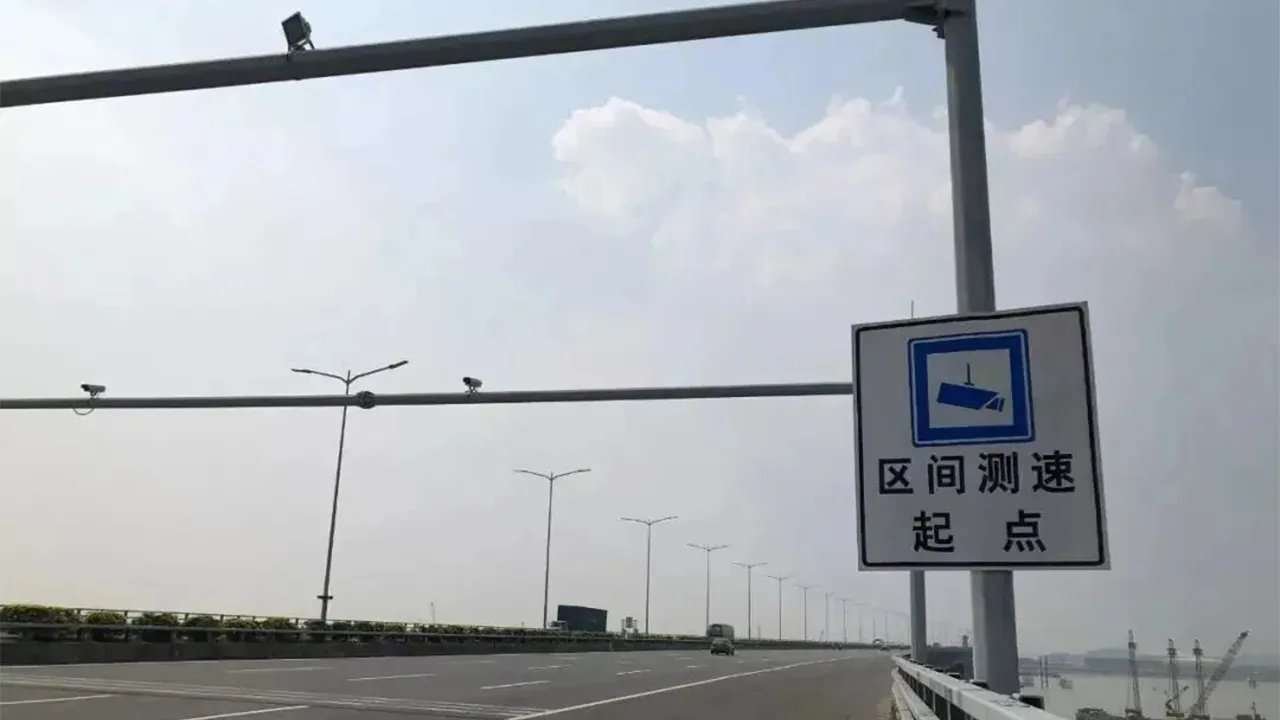
Note: Keep a sharp lookout for "Average Speed Check Zones" (区间测速), where cameras calculate your speed based on how long it takes you to travel between two distant checkpoints. ⏱️
🚲 Watch Out for the "Two-Wheeled Fleet"
In every Chinese city, the rightmost lane is shared with or adjacent to a massive fleet of silent electric scooters, delivery drivers, and bicycles. 🛵⚡
-
Delivery riders are on tight app schedules and will occasionally weave unpredictably or travel against the flow of traffic on the shoulder.
-
When making right-hand turns or pulling into parking spaces, always check your passenger-side mirror twice to ensure an electric scooter isn't passing you in your blind spot! 📐👀
Chinese Traffic Rules: Driving, Pedestrians & E-Bikes
🛠️ Section 8: Lifesaver Apps for Your Road Trip
China is a cashless, highly digitalized ecosystem. If you try to navigate your road trip using Western apps like Google Maps or Yelp, you will quickly hit a wall because of the Great Firewall, outdated mapping data, or non-existent local listings. 🛑🔌
To survive and thrive on the road in 2026, your smartphone needs a specific set of tools. Make sure you download and set up these four lifesaver apps before you start your engine. 📱✨
🗺️ AMap Global (高德地图) – The Ultimate Co-Pilot
Do not use Google Maps or Apple Maps as your primary driver navigation in China. They simply cannot keep up with China's rapidly changing overpasses, underground tunnels, and complex junction forks. Instead, download AMap (known locally as Gaode).
-
The 2026 Upgrade: AMap has officially launched a dedicated AMap Global / English Version specifically optimized for international travelers! 🌏🎉
-
Why it’s a lifesaver: It features hyper-precise, 3D lane-level navigation, traffic light countdown timers right on your screen, and exact audio cues telling you precisely which lane to take before entering an incredibly confusing multi-layered city highway.
💳 Alipay (支付宝) – More Than Just Payments
You already know you need Alipay to pay for things, but on a road trip, it acts as your primary operating dashboard. 🎛️
-
The "On-Screen Translate" Hack: Alipay features a legendary, built-in floating translation layer. When you scan a QR code at a gas station or restaurant menu and a mini-program pops up entirely in Chinese, simply tap the floating "Translate" button on your sidebar. It will translate the live text on your screen dynamically so you can order and check out flawlessly! 📲🔤
-
Electric Vehicle (EV) Charging: Driving an EV? Open Alipay and search for mini-programs like
特来电(TELD) or星星充电(Star Charge) to find, unlock, and pay for highway fast-charging stalls. 🔋⚡
☕ Mini-Programs Within Apps (No App Store Needed!)
Instead of cluttering your phone with dozens of separate apps for parking, gas, and snacks, you will use "Mini-Programs" (Mini Apps) embedded directly inside Alipay or WeChat.
-
Gas Stations (加油站): When pulling into major petrol stations like Sinopec (中国石化) or PetroChina (中国石油), you don't even have to walk inside to the cashier. Just scan the QR code on the pump using Alipay, select your fuel grade, pump your gas, and the app will process the bill directly via your linked international card. ⛽🏎️
-
Smart Parking: Most parking garages in China (at shopping malls, hotels, and tourist attractions) are entirely barrier-automated. When exiting, use your phone to scan the QR code posted near the gate or elevator, input your license plate number, and pay digitally. The gate pops open automatically! 🅿️🤖
🧽 Didi Chuxing (滴滴出行) – Your Backup Driver
Even if you love driving, there will be times when you want a break—especially after a long night out or when trying to navigate the impossibly congested downtown alleyways of cities like Chongqing or Chengdu. 🏙️🚗
-
How to use it: You can access Didi directly via the English tab on the Alipay home screen. It functions exactly like Uber.
-
The Safety Net: If you have had a drink, you can even use Didi’s "Dai Jia" (代驾 - Designated Driver) service. A professional driver will meet you at your location, unfold a tiny electric scooter, pop it into your rental car's trunk, and safely drive you and your rental car back to your hotel! 🍻🚕
The Absolute Must-Have Apps for China Transportation will tell you all apps you need in china
💬 Section 9: Frequently Asked Questions (FAQs)
To wrap up this ultimate guide, let’s clear up the most common burning questions international travelers have when planning to drive through China in 2026. 🗺️💡
Q1: Can I use my permit to drive into Hong Kong or Macau?
A: No. The mainland Chinese Temporary Driving Permit is only valid within Mainland China. Hong Kong and Macau operate under entirely different legal jurisdictions, traffic systems, and drive on the left side of the road! If you plan to cross borders, you will need to switch back to your international driving license (IDP) or apply for separate destination permits. 🛣️🔁
Q2: Can I drive a motorcycle with a temporary permit?
A: No. The standard tourist temporary driving permit is strictly for small passenger cars (Class C1/C2). To ride a motorcycle in China, you need a Class D or E license, which requires a much more complex testing and registration process.
Q3: What if my home country license is not in English?
A: It doesn't matter! As long as you get an official, certified Chinese translation of your license from an authorized translation agency in China, the original language of your license can be anything (Spanish, French, German, Arabic, Japanese, etc.).
Q4: My temporary permit is about to expire, but I am staying longer. Can I extend it?
A: Yes. You can extend your temporary driving permit at any local Vehicle Management Office. The extension will be granted to match the remaining validity of your current Chinese visa, up to a maximum total of 1 year.
Q5: Can I use this permit to drive my own foreign-registered car into China?
A: If you are doing an overland expedition (e.g., driving a motorhome from Europe to Asia), you can apply for a temporary permit for your own vehicle. However, this is a highly complex process that must be organized months in advance through a registered Chinese travel agency, as you will need temporary Chinese license plates for your car as well.
Q6: Is it safe to drive in China?
A: Highway infrastructure in China is world-class, with beautifully paved expressways and clear English signage. City driving can be chaotic due to heavy traffic, delivery scooters weaving in and out, and aggressive lane-merging. If you stay calm, use a good navigation app, and watch your speed, driving in China is highly safe and incredibly rewarding!
Q7: What happens if I get a speeding ticket or traffic fine?
A: Because your temporary permit is tied directly to your passport and home country license, any camera-captured violations will be logged under your profile. 📸🤖
-
If driving a rental car: The rental company will receive an automated alert. They will either bill your linked Alipay/WeChat account for the fine or contact you to settle it via a local traffic app like Jiaoguan 12123 (交管12123). 📲💸
-
Crucial Note: Make sure all fines are fully paid before you head to the airport. Unresolved traffic violations can cause delays at border exit checks or completely bar you from getting another permit on future visits!
Q8: How do I pay for highway toll roads?
A: China boasts the most advanced expressway network in the world, and almost all of them use distance-based tolls. You have two main ways to pay:
-
The Smart Way (ETC): Most modern rental cars come equipped with an ETC (Electronic Toll Collection) transponder mounted on the windshield. When hitting the highway, drive through the dedicated green-marked ETC Lanes. The gate pops open automatically, and the toll is seamlessly deducted from your rental account. 🚙⚡
-
The Manual Way (MTC): If your car doesn't have an ETC unit, line up in the staffed Manual Lanes (人工通道). You will pull a physical card when entering the highway and scan an Alipay/WeChat QR code to pay the attendant when exiting. 💳🧾
Q9: Can I apply for a permit if I am entering China visa-free?
A: Yes, absolutely! 🎉 China’s expanding visa-free transit policies (including the 144-hour transit scheme and unilateral tourist visa-free entries) are fully integrated into the traffic bureau’s systems. When applying, simply present your passport showing your official Visa-Free Entry Stamp in place of a traditional visa page. ✈️🛂
🏁 Conclusion: Your Road Awaits!
There has truly never been a better time to explore China on four wheels. 🗺️✨
In 2026, the massive shift toward immersive, experiential travel—what social media loves to call the "Chinamaxxing" trend—means that travelers are moving away from rigid, crowded tour buses. Instead, they are seeking out the authentic, unscripted beauty of China's secondary cities, hidden ancient villages, and pristine nature reserves. 🏔️🎋
From the coastal, wind-turbine-lined paradises of Hainan's new Scenic Highways to the legendary, cloud-touching bends of the G318 highway to Tibet, a world of jaw-dropping landscapes is waiting for you. And with the 2026 application process trimmed down to just a 30-minute stop at an airport kiosk or a simple pre-arrival upload on your phone, the old bureaucratic roadblocks have officially vanished into thin air. 💨❌🚪
So, what are you waiting for? Secure your certified translation, pack your passport, and download AMap. The ultimate Chinese road trip adventure isn't just a bucket-list dream anymore—it's just a 10 RMB permit away. 🪪🔑
Get out there, stay safe, and enjoy the open road. Màn màn zǒu (慢慢走) — Drive safely! 🚙💨⛰️🎉